Source Octagonal Linden Wood Carpenter Pencil for Construction, Drawing, and Woodworking
Compare 30 listings for the Octagonal Linden Wood Carpenter Pencil, featuring HB leads and custom branding options. Buyers can evaluate specifications like size, material, and packaging to find the right tool for construction, drawing, and woodworking applications.
Key considerations
Products List
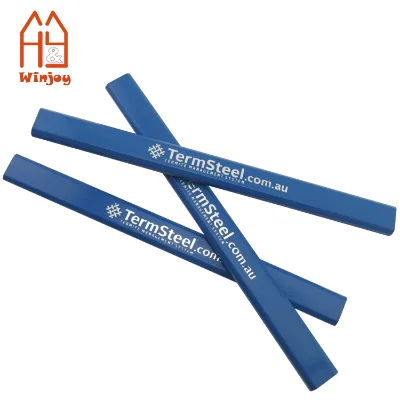
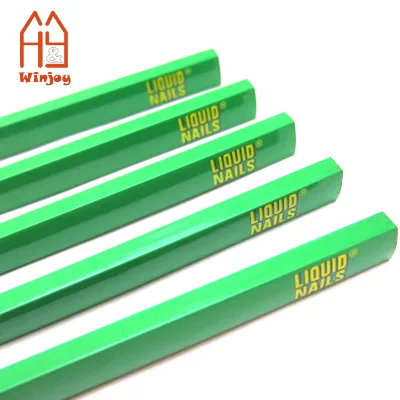
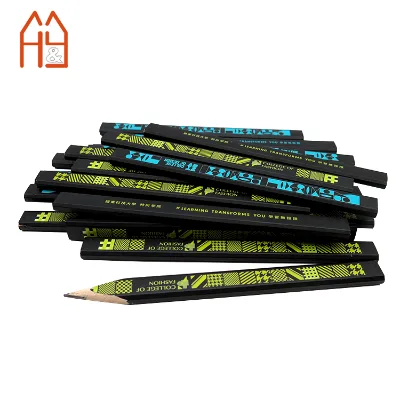
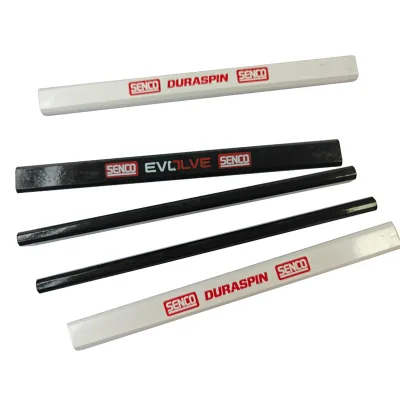
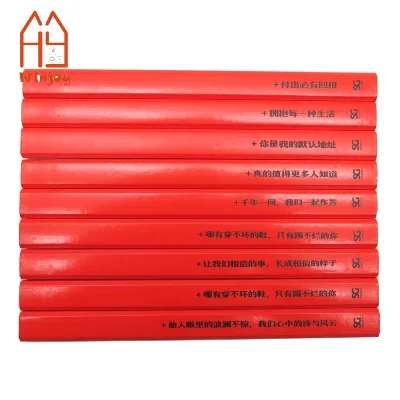
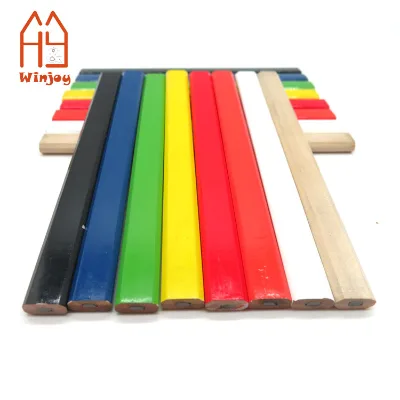


Carpenter Pencils Construction Use Woodwork Pencils Custom Logo for Promotion Gift
$0.02 - $0.06
MOQ: 100000 Pieces

Custom Carpenter Pencils Bright Red Builder Timber Woodworking Marking Tool
$0.03 - $0.06
MOQ: 100000 Pieces


Customized Style Octagonal /Oval /Tetragon Carpenter Pencil for Woodworking
$0.10 - $0.19
MOQ: 10000 pieces


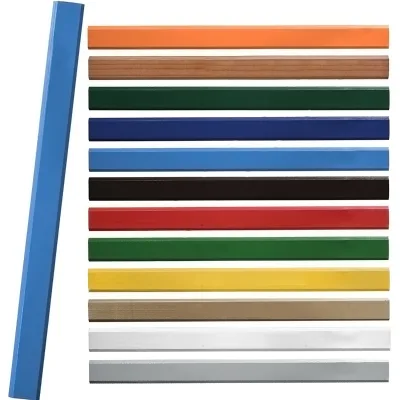
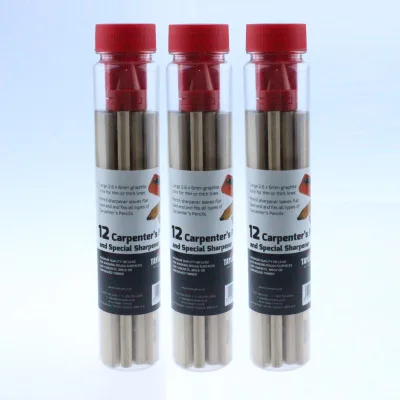
Cheap custom logo square octagonal oval wooden carpenter pencil set with sharpener
$0.08 - $0.15
MOQ: 20000 pieces
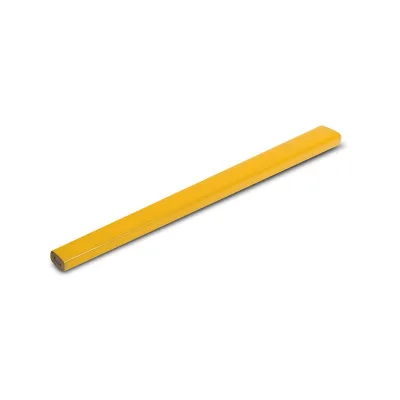
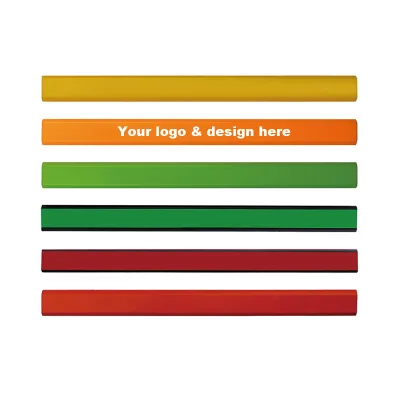
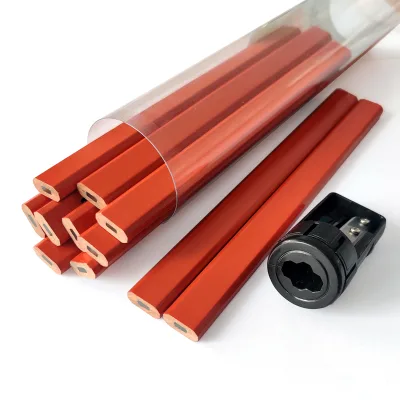
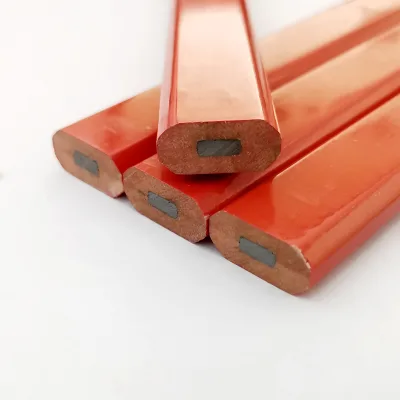
Professional wooden carpenter pencils set octagon shape for construction with sharpener
$0.08 - $0.15
MOQ: 20000 Minimum

Comprehensive Sourcing Guide
Sourcing Strategy for Octagonal Linden Wood Carpenter Pencils
Procuring specialized writing instruments for construction and woodworking environments requires a precise understanding of material composition, geometric design, and regulatory compliance. The Octagonal Linden Wood Carpenter Pencil represents a specific niche within the broader stationery and tool market, distinguished by its durability, ergonomic shape, and suitability for rough environments. Buyers seeking this specific item must navigate a supply chain where product attributes vary significantly between listings. This guide synthesizes available product data to provide a disciplined framework for evaluating suppliers, verifying specifications, and ensuring that the final procurement meets the rigorous demands of professional trade applications.
Technical Specifications and Material Composition
The foundation of a high-performance carpenter pencil lies in its core materials and physical geometry. The primary material of interest is linden wood, often cited in product attributes alongside bass wood and poplar wood. While linden wood is the specific target for this sourcing guide, suppliers frequently list alternative softwoods such as bass wood or poplar wood, which share similar workability and grain characteristics. The critical distinction for the buyer is to verify the specific wood species in the supplier's technical data sheet, as the density and resistance to splitting can vary.
The octagonal shape is a non-negotiable specification for this category. Unlike round pencils that roll away, the octagonal cross-section provides stability on uneven surfaces like scaffolding, ladders, and rough lumber. Product data indicates that shapes can range from oval, square, and flat to octagonal. When sourcing, the buyer must explicitly confirm the "octagonal" designation, as suppliers may offer a mix of these profiles in a single catalog. The standard dimensions observed in the market for these tools typically align with a length of approximately 17.6 cm to 17.8 cm, with a width and thickness ranging between 1.5 cm and 1.6 cm. These dimensions ensure a comfortable grip for extended use while maintaining a robust core.
The lead hardness is another critical technical parameter. The observed data points to an HB lead hardness, which is the industry standard for general construction marking. This hardness offers a balance between dark, visible lines and resistance to breaking under pressure. The lead color is consistently reported as black, ensuring high contrast against light-colored lumber or concrete. Buyers should request a sample to verify that the lead is centered and that the wood casing does not splinter excessively during sharpening, a common failure point in lower-quality carpenter pencils.
Compliance and Certification Verification
In the B2B procurement of writing instruments, particularly those intended for use by workers who may have incidental contact with their hands or faces, compliance with safety standards is paramount. The supplied product data highlights the EN71 certification, specifically the EN71-3 standard. This standard relates to the migration of certain elements, ensuring that the materials used in the pencil, including the wood finish, the lead, and any applied coatings, do not contain hazardous levels of heavy metals or toxic substances.
When evaluating potential suppliers, the buyer must treat the mention of "EN71" as a claim that requires verification rather than an absolute guarantee. The specific sub-standard EN71-3 addresses chemical safety, which is crucial for products that might be handled frequently. However, relying solely on a listing that mentions "EN71" without providing a valid test report or certificate number is insufficient for a professional procurement process. The buyer should request a copy of the most recent third-party test report that explicitly references the EN71-3 standard for the specific model number being purchased.
Furthermore, while the data mentions "EN71" as a background standard, it is essential to distinguish between general toy safety standards and industrial tool compliance. Although carpenter pencils are often categorized under promotional or general stationery, the materials must still meet safety thresholds. Buyers should also inquire about other regional certifications if the target market is outside of Europe, as EN71 is primarily a European standard. The presence of a "Custom Logo" option does not negate the need for material safety; any inks or coatings used for branding must also comply with the same migration limits.
Cost Drivers and Pricing Dynamics
The pricing of octagonal linden wood carpenter pencils is influenced by several variable factors, primarily material sourcing, order volume, and customization requirements. The observed market price range for these items spans from $0.02 to $0.53 USD per unit. This wide variance indicates that the final price is highly dependent on the specific configuration of the order. The lower end of the price spectrum typically corresponds to bulk orders of standard, unbranded pencils with minimal packaging. Conversely, the higher end reflects customized branding, specialized packaging, or smaller order quantities.
A significant cost driver is the Minimum Order Quantity (MOQ). The data reveals a broad MOQ range, from as low as 5 pieces to as high as 100,000 pieces. However, specific listings for carpenter pencils often cite an MOQ of 1,000 to 5,000 pieces. Ordering below the standard MOQ can result in a significantly higher unit cost due to the fixed costs of setup and production line changes. Buyers must align their procurement volume with the supplier's capacity to achieve the most favorable pricing. The "Supply Ability" of suppliers, noted as up to 100,000 sets per week, suggests that large-volume orders can be fulfilled without significant delays, provided the order is placed within the supplier's production schedule.
Packaging also plays a role in the total cost. Options range from loose bulk packing to individual paper boxes or PET/PVC tubes. Customized packaging, such as branded tubes or boxes, adds to the unit cost but may be necessary for promotional purposes or to meet specific retail requirements. The "Selling Units" are typically listed as single items, but the transaction usually occurs in bulk lots. Buyers should calculate the total landed cost, including shipping from the port of dispatch, which is frequently identified as Shenzhen, to the final destination.
Typical Applications and Usage Scenarios
The functional design of the Octagonal Linden Wood Carpenter Pencil makes it ideal for specific high-demand environments. The primary application is construction writing, where the pencil is used to mark measurements on lumber, concrete, and other building materials. The durability of the wood and the hardness of the lead allow for clear, lasting marks that can withstand the rigors of a job site. The product attributes explicitly list "Construction writing pencils" and "Carpenter Pencil" as the intended use, confirming their role in the building trades.
Beyond general construction, these pencils are widely used in woodworking and carpentry. The octagonal shape prevents the tool from rolling off workbenches or scaffolding, a critical safety and efficiency feature. The application extends to drawing and layout work, where precision is required but the environment is not as controlled as an office setting. The "Feature: Write Constantly" attribute suggests that these pencils are designed to maintain a consistent line width even as they are sharpened, which is essential for accurate measurements.
The versatility of the product is further highlighted by its use in "Woodworking, Constructs, Built" environments. The linden wood body provides a smooth writing experience that is less prone to splintering compared to harder woods, making it comfortable for extended periods of marking. While the data mentions "Promotional Pencil" as a product type, the physical characteristics of the octagonal carpenter pencil make it a practical promotional item for trade shows, construction firms, and hardware retailers. The ability to apply a "Custom Logo" allows companies to brand these tools for marketing purposes, turning a functional item into a lasting brand ambassador on the job site.
Supplier Evaluation and Operational Capabilities
Selecting the right supplier requires a rigorous evaluation of their operational capabilities and product consistency. The supply chain for these pencils is heavily concentrated in Guangdong, China, a region known for its manufacturing infrastructure. The "Place of Origin" is consistently listed as Guangdong, and the "Port of Dispatch" is typically Shenzhen. Buyers should verify that the supplier has a physical factory presence, as indicated by the "Factory: Yes" attribute, rather than acting solely as a trading company. Direct factory relationships often ensure better quality control and more transparent communication regarding production timelines.
The "Brand Name" field shows a mix of OEM (Original Equipment Manufacturer) and specific brand names like "Winjoy" or "H&Y." This indicates that many suppliers operate on a private label basis, allowing buyers to brand the product as their own. When evaluating suppliers, buyers should check their capacity for customization, including logo placement and packaging design. The "Logo: Custom Logo" attribute confirms that branding is a standard service, but the buyer must provide clear artwork specifications to avoid production errors.
Supply chain reliability is another critical factor. The "Lead Hardness" and "Model Number" variations (e.g., P-hb006, HY-CP-255, HY-CPB176) suggest that different factories may produce slightly different versions of the pencil. Buyers should request samples of the specific model number they intend to order to ensure consistency with their quality standards. The "Single Gross Weight" of 0.020 kg provides a baseline for logistics planning, allowing buyers to calculate shipping costs accurately. It is also advisable to inquire about the supplier's quality control processes, specifically how they handle lead alignment and wood finishing, to prevent defects in the final product.
Quality Control and Long-Term Procurement Considerations
Implementing a robust quality control (QC) protocol is essential for maintaining the integrity of the procurement process. Given the variability in materials such as linden, bass, and poplar wood, buyers must establish clear acceptance criteria for the final product. Key QC checkpoints include verifying the octagonal geometry, ensuring the lead is centered and of HB hardness, and confirming that the wood does not have excessive knots or splinters. The "Packing: Bulk Packing" or "Paper Box" options should be inspected to ensure that the packaging protects the pencils during transit, preventing breakage or damage to the lead tips.
Long-term procurement considerations involve building a sustainable relationship with a supplier who can maintain consistent quality over time. The "Supply Ability" of 100,000 sets per week indicates that the market can support large-scale, recurring orders. However, buyers should monitor the supplier's ability to meet these targets during peak seasons. Establishing a clear communication channel for addressing quality issues is vital. If a batch of pencils fails to meet the EN71-3 standards or exhibits poor lead performance, the buyer must have a mechanism for returns or replacements.
Finally, buyers should consider the environmental implications of their sourcing decisions. While the data does not explicitly mention sustainability certifications, the use of wood as a primary material suggests a reliance on forestry resources. Inquiring about the source of the wood and whether the supplier adheres to responsible forestry practices can add value to the procurement strategy, particularly for companies with strong corporate social responsibility goals. By focusing on these technical, compliance, and operational factors, buyers can successfully source high-quality octagonal linden wood carpenter pencils that meet the demanding needs of the construction and woodworking industries.
FAQs
What material is used for the octagonal carpenter pencil body?
The pencil body is primarily made of linden wood, though bass wood and poplar wood are also common alternatives. Buyers must verify the specific wood species in the technical data sheet to ensure the density and resistance to splitting meet project requirements.
Which certification ensures the pencil meets safety standards?
The product typically holds EN71-3 certification, which limits hazardous elements in the wood, lead, and coatings. Buyers should request a valid third-party test report referencing this specific sub-standard to verify compliance before placing large orders.
What is the standard lead hardness for these construction pencils?
The standard lead hardness is HB, providing a balance between dark visibility and resistance to breaking under pressure. This hardness ensures clear marking on rough surfaces like lumber and concrete while maintaining a consistent line width during use.
How does the octagonal shape benefit construction workers?
The octagonal cross-section prevents the pencil from rolling away on uneven surfaces like scaffolding or ladders. This stability is critical for safety and efficiency in construction environments where round pencils would frequently fall and become lost.
Can suppliers provide custom branding and logos on these pencils?
Yes, suppliers offer custom logo options to allow companies to brand these tools for marketing purposes. Buyers must provide clear artwork specifications to ensure the branding is applied correctly without compromising the material safety standards required for the product.
What is the typical minimum order quantity for these pencils?
Minimum order quantities typically range from 1,000 to 5,000 pieces depending on the specific supplier and customization needs. Ordering below the standard MOQ can result in significantly higher unit costs due to fixed setup and production line change expenses.
Where are these pencils typically manufactured and shipped from?
These pencils are predominantly manufactured in Guangdong, China, with the port of dispatch usually being Shenzhen. Buyers should verify the factory presence to ensure direct quality control and transparent communication regarding production timelines and logistics.