Source Octabenzone UV Absorber Powder for Cosmetics
Explore 30 listings for Octabenzone UV Absorber Powder from verified suppliers. Compare key specifications such as purity, density, and packaging to select the ideal material for your cosmetic and pharmaceutical formulations; compare the available evidence and request quotations based on your requirements.
Key considerations
Products List


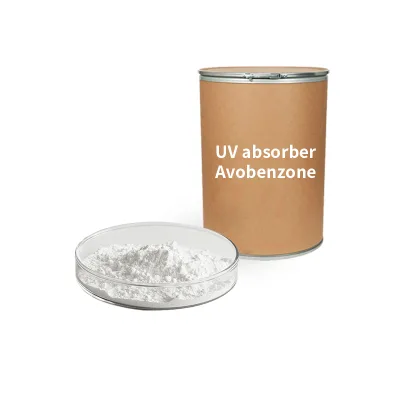
Factory Supply UV Absorber Avobenzone CAS 70356-09-1 Avobenzone Powder CAS 70356091
$13.00 - $15.00
MOQ: 100 Minimum


Avobenzone UVA Absorber Butyl Methoxydibenzoylmethane Powder CAS 70356-09-1
$15.29 - $25.48
MOQ: 25 Minimum
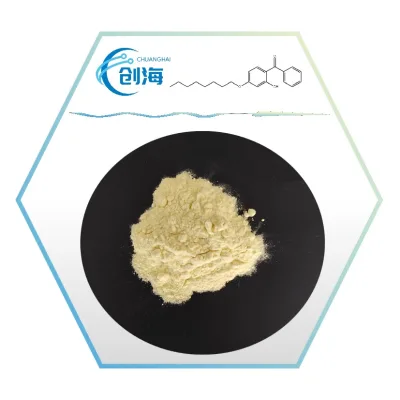


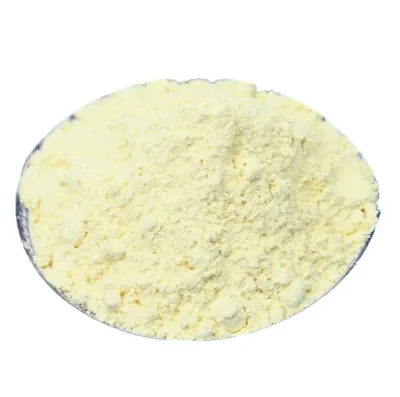
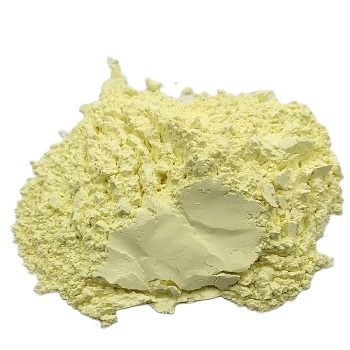


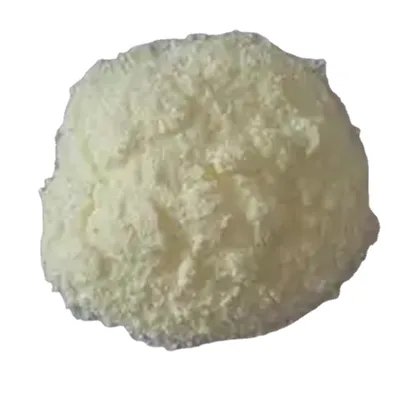
UV-531 UV Absorber Benzophenone-12 BP12 UV-12 Octabenzone CAS 1843-05-6
$5.10 - $10.20
MOQ: 25 Minimum


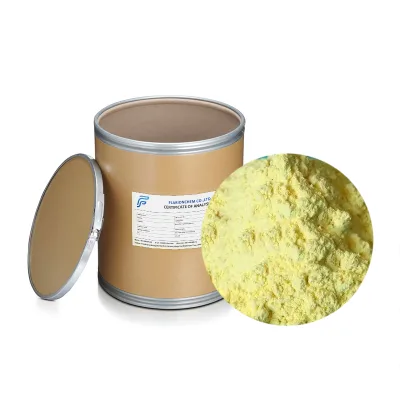


Comprehensive Sourcing Guide
Octabenzone UV Absorber Powder Sourcing Guide
Octabenzone, also known by the synonym Ultraviolet Absorber UV-531 and identified under CAS 1843-05-6, is a widely traded ultraviolet absorber used as an organic intermediate and cosmetic additive. Buyers sourcing this material typically encounter it as a white powder of refined or industrial quality, with listings on B2B platforms frequently originating from China, including Hubei province. Because the same chemical name can appear across several listing types—some tagged as pharmaceutical intermediates, some as cosmetic additives, and some as synthesis material intermediates—the first procurement decision is to clarify which application grade your use case requires before comparing offers.
This guide structures the sourcing process around evidence discipline: every claim a supplier makes should be treated as an observation to verify, not a fact to accept. The sections below cover what observed listings reveal, which technical parameters to confirm, what compliance documentation to request, how commercial terms are typically structured, and how to qualify suppliers for both initial purchase and long-term supply. The goal is to help procurement teams move from browsing listings to issuing informed inquiries with clear acceptance criteria.
Product Scope and Observed Listing Signals
Observed product pages for octabenzone and related UV absorbers show a consistent set of attributes: white or pale yellow crystal or powder appearance, purity standards listed at 98% or 99%, and packaging in 25kg drums or fiber drums, with some sellers offering customized packaging. CAS numbers appearing across these listings include 1843-05-6 for octabenzone/UV-531, 70356-09-1 with EINECS 274-581-6 for avobenzone (model C20H22O3), and 131-57-7 for another benzophenone-type listing. Place of origin is consistently China, with Hubei explicitly named. Sellers also advertise free samples or sample support, signaling that trial orders are a normal part of the buying process.
Buyers should note that listing attributes overlap but are not interchangeable. One observed listing describes quality as "Refined" while another states "Industrial," a distinction that matters greatly depending on whether the material feeds cosmetic formulations or general industrial polymer applications. Molecular formula entries also vary—C21H26O3 appears on one CAS 1843-05-6 listing—so confirm the molecular formula against your specification sheet rather than trusting listing copy. Model numbers such as OCTISALATE, AVOBENZONE (AVB), and numeric codes suggest sellers group multiple UV absorbers under one storefront; always match CAS number to product name in your inquiry.
Technical Specifications to Verify
The most important verification target is purity, since observed listings cite 99%, 99.0% min, and 98% as different benchmarks. Request a certificate of analysis for the exact batch offered, and confirm whether the stated percentage reflects main content by HPLC or another method. Appearance should be confirmed as white or pale yellow crystal/powder with no visible discoloration, since yellowing can indicate degradation or impurity. Ask the supplier to state their internal acceptance specification, not just the listing headline, so your incoming inspection criteria align with their quality control limits.
Physical property data offers a cross-check on material identity. Observed listings report melting points of 62°C, 62-64°C (Lit.), and 49°C, densities ranging from 1.1±0.1 to 1.321 g/cm3, boiling points of 150 and 272, and molecular weight 310.387. These inconsistencies across listings mean you should not rely on a single seller's published values; instead, request the supplier's technical data sheet and compare its melting range and density against recognized literature values for octabenzone. A batch whose measured melting point falls far outside the expected narrow range warrants rejection or retesting before acceptance.
Compliance and Safety Documentation
Compliance requirements differ sharply between cosmetic additive use and industrial intermediate use, so begin by defining your regulatory destination market. For cosmetic applications, buyers typically need documentation supporting the material's status under the relevant cosmetic ingredient regulations in their target regions; ask suppliers what regulatory dossiers they can provide, without assuming any specific certification exists. For industrial use as a UV absorber in polymers or coatings, focus on safety data sheets, transport classification, and handling guidance. One observed listing notes transport via ordinary goods truck, suggesting standard ground logistics, but confirm classification for your shipping mode.
Request a complete documentation package with the sample: safety data sheet, certificate of analysis, and any statements the supplier voluntarily offers regarding heavy metals, residual solvents, or restricted substances. Do not treat a supplier's silence as evidence of non-compliance; instead, treat documentation gaps as questions to resolve before contracting. Verify that the SDS matches the CAS number 1843-05-6 and the product name on your purchase order, since mixed storefronts can result in mismatched paperwork. Keep copies of all documents per batch, as they form the audit trail for downstream customers and regulatory reviews.
Cost Drivers and Commercial Terms
Observed listings show a price range of roughly $1 to $100 per unit, which reflects the wide spread between sample quantities, small retail-style orders, and bulk drum quantities rather than a single market price. The primary cost driver is order volume relative to packaging: standard packing is a 25kg drum or 25kg fiber drum, and some sellers offer bag packing or customized packaging on request. Smaller quantities packed into customized formats usually carry higher per-kilogram costs. Purity grade also drives price—refined grades quoted at 99% or 99.0% min will generally price above industrial-grade material at 98%.
Minimum order quantities in observed listings range from 1 to 1000 units, which tells buyers that negotiation room exists but that very small MOQs may come with premium pricing or less favorable terms. Selling units are listed as single items, meaning pricing may be quoted per drum, per kilogram, or per carton—always confirm the pricing basis in writing before comparing suppliers. Use the free or supported sample policy to test material quality before committing to volume, and structure your first commercial order to include agreed acceptance criteria so that pricing disputes are anchored to verified batch quality rather than listing claims.
Supplier Qualification and Quality Control
Qualify suppliers through a staged process: desk review of listings and documentation, sample evaluation, then a pilot order. During desk review, check that the supplier's stated attributes—refined versus industrial quality, purity percentage, packing format, origin—are internally consistent and match your specification. A listing from Hubei, China with clear CAS numbers and coherent physical data is a better starting point than one with contradictory melting points or mismatched formula entries. Ask how long the supplier has produced this specific CAS number, and whether production is in-house or traded from another manufacturer, since traceability affects accountability.
Quality control should extend across the order lifecycle, not just the first shipment. Require a batch-specific certificate of analysis with every delivery, and consider independent third-party testing on first production lots and periodically thereafter, comparing measured melting range and appearance against the agreed specification. Agree in advance on what happens when a batch fails: retest, replacement, or credit. For recurring purchases, request retention samples so that disputes over later batches can be investigated against archived material. Document all QC outcomes, because a supplier's willingness to investigate and resolve deviations is one of the strongest signals of long-term reliability.
Long-Term Procurement Checks
Once a supplier passes qualification, shift focus to supply continuity and consistency. Confirm production capacity relative to your projected annual volume, and ask whether the same production line serves multiple grades—refined and industrial—since shared capacity can affect consistency during high-demand periods. Monitor batch-to-batch variation by tracking certificate of analysis data over time; drift in melting point, appearance, or assay percentage, even within specification, can signal process changes worth discussing. Reconfirm that packing (drum, fiber drum, bag, or customized) and labeling remain consistent with your handling and storage requirements.
Institutionalize periodic requalification rather than assuming continued conformance. Review the safety data sheet and regulatory documentation annually or when regulations in your destination market change, particularly if you supply cosmetic additive customers whose compliance obligations flow down to you. Maintain at least one qualified alternate source, using the same sample-and-pilot process, so that a single supplier's disruption does not halt your production. Finally, keep your purchase specifications living documents: update them as you learn which measured parameters—purity floor, melting range, appearance—best predict performance in your application, and require suppliers to acknowledge specification revisions in writing.
FAQs
What is Octabenzone UV Absorber Powder used for in industrial applications?
Octabenzone, also known as ultraviolet absorber UV-531, is used as an organic intermediate and light-stabilizing additive in plastics, coatings, and related formulations. Buyers typically request it in refined white powder form, and suitability depends on your formulation requirements, so confirm technical data such as CAS 1843-05-6 and purity before ordering.
How is Octabenzone UV Absorber Powder typically packed for shipment?
Listed products are commonly supplied in 25kg drums, including fiber drums, while some listings offer drum or bag packing or customized packaging per request. Confirm the packing format, drum weight, and any labeling needs with the supplier before placing an order, since packaging options vary across listings and affect transport and handling arrangements.
What purity levels are available for Octabenzone UV Absorber Powder?
Listed purity specifications vary by product, with some items listing 99% and others specifying 98% or 99.0% min. Higher purity grades suit more demanding applications, so compare each supplier's stated standard against your required specifications. Request samples, which several listings offer free or supported, before committing to larger purchase volumes.
Can I get a sample of Octabenzone UV Absorber Powder before bulk ordering?
Yes, several listed products offer samples, with some listings stating samples are free and others indicating sample support. Sampling lets you verify appearance, purity, and performance in your application before committing to bulk quantities. Check each supplier's sample policy, shipping terms, and whether the sample specification matches the production-grade material offered.
Where is Octabenzone UV Absorber Powder sourced from?
Listed products show China as the country of origin, with one product specifically indicating Hubei, China as the place of origin. Sourcing from Chinese suppliers can offer cost advantages, but buyers should verify supplier credentials, documentation, and quality standards directly. Confirm the exact origin and logistics details with each supplier before ordering.
What are the physical properties of Octabenzone UV Absorber Powder?
Octabenzone appears as a white or pale yellow powder, with listed density values around 1.1 to 1.3 g/cm3 depending on the specific listing. Its CAS number is 1843-05-6 and synonym is ultraviolet absorber UV-531. Verify the physical and chemical data for each product against your formulation requirements, since values differ slightly between listings.
How should I evaluate customization options for Octabenzone UV Absorber Powder orders?
Customization is listed as available for these products, and some listings offer customized packaging. When evaluating suppliers, confirm which parameters can be adjusted, such as packaging format, purity grade, or drum size, and whether customization affects minimum order quantities, pricing, or lead times. Document agreed specifications in writing before production begins to avoid discrepancies.
Which transport arrangements apply to Octabenzone UV Absorber Powder shipments?
One listing identifies ordinary goods trucks as the transport method, and packaging ranges from 25kg fiber drums to customized options. Transport arrangements depend on destination, order size, and applicable regulations, so confirm the shipping mode, Incoterms, and documentation with each supplier. Verify that the chosen transport complies with requirements for your destination market.