Source Off Road Radial Tire for Trucks, SUVs, and Mining
Compare 30 Off Road Radial Tire options from Chinese manufacturers featuring radial construction and various tread patterns. Buyers can evaluate specifications like diameter, width, and certifications including ECE, DOT, and ISO for trucks, SUVs, and mining applications.
Key considerations
Products List


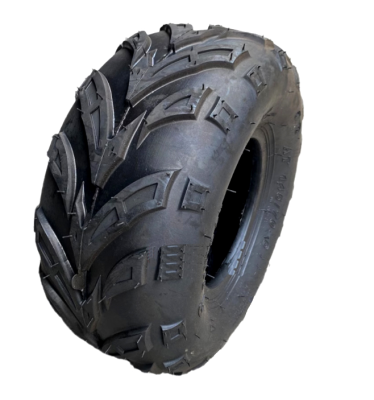


$100.00 - $110.00
MOQ: 50 Pieces


$99.00 - $100.00
MOQ: 20 Pieces


off Road Tires 16.00r20 14.00r20 12.00r20 11.00r20 10.00r20 China OEM Factory
$650.00 - $690.00
MOQ: 200 Pieces


Comprehensive Sourcing Guide
Strategic Sourcing Guide for Off-Road Radial Tires
Understanding Technical Specifications and Product Variants
When sourcing off-road radial tires, buyers must first navigate a complex landscape of technical specifications that define performance, durability, and application suitability. The core keyword "off-road radial tire" encompasses a wide array of product models, each designed for specific terrain and load requirements. Based on available market data, the product portfolio includes heavy-duty truck models such as 11R22.5, 12R22.5, 295/80R22.5, and 315/80r22.5, which are critical for commercial transport and heavy hauling. Simultaneously, the market offers lighter utility and passenger variants, including P205/75R15, P215/75R15, and P225/75R15, alongside light truck (LT) specifications like LT215/85R16 and LT265/75R16.
The physical dimensions of these tires vary significantly, influencing their compatibility with different vehicle platforms. Diameter specifications observed in the market range from 15 to 16 inches for certain passenger and light truck applications, while heavy-duty and specialized off-road units often feature diameters of 22 inches or greater. Tire width is another critical parameter, with observed ranges spanning from 195mm to 225mm for standard applications, though heavy-duty variants naturally exceed these dimensions. The construction type is predominantly radial, a design choice that offers superior flexibility, heat dissipation, and tread wear compared to bias-ply alternatives.
A crucial distinction in the technical profile is the presence or absence of an inner tube. Many modern off-road radial tires are designed as tubeless units, which simplifies installation and reduces the risk of pinch flats. However, the market also includes options with steel wire cord materials, which provide enhanced structural integrity for high-load scenarios. Buyers should verify whether the specific model requires a full-size spare tire or if the design is intended as a non-spare tire configuration. Furthermore, tread patterns are a primary differentiator; cross-country tread patterns are engineered for mixed terrain, offering a balance between traction and longevity, while transverse patterns may be preferred for specific off-road conditions requiring maximum grip in loose soil or mud.
Compliance, Certification, and Regulatory Standards
Navigating the regulatory landscape is essential for international procurement, as tire compliance varies by destination market. High-confidence data indicates that reputable manufacturers in this sector typically adhere to a robust set of international and regional certifications. The most frequently observed certifications include ECE (Economic Commission for Europe), CCC (China Compulsory Certification), ISO (International Organization for Standardization), CE (Conformité Européenne), and DOT (Department of Transportation). These certifications serve as proof that the tires meet specific safety, performance, and manufacturing quality standards.
For buyers targeting the European market, ECE and CE certifications are non-negotiable, ensuring the tires meet strict European safety regulations. In the United States, DOT certification is the primary requirement, validating that the tire meets US safety standards. Additionally, some product listings reference FCC, RoHS, and GS certifications, which may indicate compliance with electromagnetic compatibility, restriction of hazardous substances, and German safety standards, respectively. It is vital for procurement teams to verify that the specific batch of tires being ordered carries the relevant certification marks for the destination country. Relying on a supplier's claim of "ECE, CCC, ISO, CE, DOT" without verifying the specific certification numbers on the tire sidewall can lead to customs delays or legal liabilities.
The manufacturing origin is also a key compliance factor. The majority of the observed supply originates from China, a major global hub for tire production. While this offers competitive pricing and vast supply capacity, it necessitates rigorous due diligence regarding the manufacturer's adherence to international standards. Buyers should request valid certification documents for each specific model before finalizing orders. The presence of certifications like ISO suggests a commitment to quality management systems, while CCC indicates compliance with Chinese domestic standards, which often align with international requirements but must be cross-referenced for export validity.
Cost Drivers and Pricing Dynamics
The pricing structure for off-road radial tires is influenced by a multitude of factors, resulting in a wide observed range from approximately $7.60 to $11,000 USD per unit or batch. This vast disparity is not indicative of product quality alone but rather reflects the differences in tire size, load index, technology level, and order volume. Small passenger car tires or light truck tires in standard sizes will naturally fall at the lower end of this spectrum, while heavy-duty truck tires, specialized off-road units, or large diameter tires will command significantly higher prices.
Volume is a primary cost driver. The Minimum Order Quantity (MOQ) for these products varies from single units to full 20-foot containers, with some suppliers setting an MOQ of 500 units for specific models. Purchasing in full container loads or meeting high-volume thresholds often unlocks "very competitive" pricing, as noted in supplier quotations. Lead times also impact cost; while some tires are available from stock with delivery within seven working days, others may require 15 to 20 days of production time. Suppliers offering "new tire in stock" options may charge a premium for immediate availability compared to those operating on a build-to-order basis.
Payment terms and shipping costs further influence the total cost of ownership. Standard payment methods include Letter of Credit (L/C) and Telegraphic Transfer (T/T), with some suppliers accepting cash. Shipping costs are described as "very competitive," but buyers must account for insurance, which is often included as "All Risks" coverage. The validity of quotations is typically limited to 30 days, meaning market fluctuations in raw materials like rubber and steel wire can alter the final price if an order is delayed beyond this window. Buyers should treat the "Specific Discuss" price tag as an invitation to negotiate based on their specific volume and logistics requirements rather than a fixed retail price.
Typical Applications and Operational Environments
Off-road radial tires are engineered for diverse operational environments, ranging from construction sites and mining operations to agricultural fields and remote logistics routes. The specific tread pattern and construction material dictate the optimal application. Cross-country tread patterns are ideal for vehicles that traverse mixed surfaces, including gravel, dirt, and paved roads, making them suitable for general utility trucks and light commercial vehicles. These tires offer a balance between on-road comfort and off-road traction.
In contrast, heavy-duty models like the 11R22.5 and 12R22.5 are designed for rigorous commercial transport and heavy hauling. These tires are commonly used in logistics fleets, construction machinery, and mining equipment where load-bearing capacity is paramount. The "100,000 Km Under Overload Not More Than 20%" warranty claim suggests these tires are built to withstand significant stress, making them suitable for long-haul operations in challenging conditions. Light truck tires, such as the LT215/85R16 and LT265/75R16, are frequently utilized in agricultural settings, 4x4 utility vehicles, and emergency response units that require reliability in muddy or uneven terrain.
The "All Season Tire" designation indicates versatility across varying weather conditions, allowing for year-round operation without the need for seasonal tire changes. This is particularly valuable for fleets operating in regions with unpredictable weather. The "Low Pressure Tire" classification suggests applications where traction on soft surfaces is critical, such as in desert environments or deep mud, as lower pressure increases the tire's contact patch. Buyers must align the tire's specific design, such as the radial construction and steel wire cord material, with the intended operational load and terrain to ensure optimal performance and safety.
Supplier Evaluation and Supply Chain Reliability
Evaluating a supplier for off-road radial tires requires a focus on production capacity, workforce stability, and logistical capabilities. A high-confidence indicator of a robust supplier is a workforce of over 2,000 people, which suggests a mature manufacturing operation capable of handling large-scale orders. Supply capacity figures, such as 3,000,000 sets per year, further demonstrate the ability to meet high-volume demand without significant bottlenecks. However, buyers should verify these figures against their own projected needs to ensure the supplier can scale production if necessary.
Logistical reliability is another critical evaluation metric. Delivery times vary from "around seven working days" for stock items to 15-20 days for production runs. The ability to deliver "New Tire in Stock" is a significant advantage for buyers with urgent needs, while those with flexible timelines can benefit from the potentially lower costs of production-run tires. Shipping time is generally estimated within 10-15 days, but this can be affected by port congestion and destination location. Suppliers offering "Trial Agent" services, such as 3 * 40HQ per month, may provide opportunities for buyers to test smaller batches before committing to larger orders.
Quality assurance is often tied to the supplier's technology base. Claims of "Japan Technology" suggest the use of advanced manufacturing processes and design philosophies known for precision and durability. However, buyers should request evidence of this technology transfer, such as specific machinery certifications or joint venture documentation. The "Aftersale Service" promise of "Following You Until Sale The Last One Tyre" indicates a strong commitment to customer support, which is crucial for resolving issues related to premature wear or defects. When evaluating suppliers, buyers should prioritize those with transparent communication channels, clear payment terms, and a proven track record of meeting delivery schedules.
Quality Control and Long-Term Procurement Considerations
Ensuring consistent quality in off-road radial tires requires a proactive approach to quality control and long-term relationship management. The "Standard Exporting Packing" and "According to Your Demand" packing options highlight the flexibility of suppliers, but buyers must specify packaging requirements to prevent damage during transit. The use of steel wire cord material is a key quality indicator, providing the necessary strength for off-road applications. However, the physical condition of the tires must be verified upon receipt, as the "New" condition is a standard expectation that must be upheld.
Long-term procurement strategies should focus on building a partnership with suppliers who offer comprehensive warranties. The observed warranty periods range from three years to 100,000 kilometers under overload conditions. These warranties are not merely marketing claims but should be backed by clear terms and conditions that define the scope of coverage. Buyers should also consider the "Customization" availability, which allows for tailored specifications to meet unique operational needs. Customization can extend the lifecycle of the tire by optimizing it for specific terrain or load requirements.
Finally, buyers must remain vigilant regarding the validity of quotations and the stability of supply chains. With quotation validity limited to 30 days, price fluctuations can impact budget planning. Establishing a long-term contract with a supplier who has a proven supply capacity of millions of sets annually can mitigate these risks. Regular audits of the supplier's production facilities and quality control processes are recommended to ensure that the "Japan Technology" and other quality claims are consistently met. By focusing on these factors, buyers can secure a reliable supply of high-performance off-road radial tires that meet their operational demands while minimizing risk.
FAQs
What certifications do off road radial tires typically have?
These tires typically hold ECE, CCC, ISO, CE, and DOT certifications. Some listings also include FCC, RoHS, and GS marks. Buyers must verify specific certification numbers on the sidewall for their destination country to ensure compliance.
How long does delivery take for new stock tires?
New tires are often available in stock with delivery around seven working days. For production runs, the lead time generally extends to fifteen to twenty days. Shipping time is usually within ten to fifteen days after dispatch.
Which tire specifications are available for heavy-duty applications?
Heavy-duty models include sizes like 11R22.5, 12R22.5, 295/80R22.5, and 315/80r22.5. These radial tires are designed for commercial transport and heavy hauling with steel wire cord materials for enhanced structural integrity.
Can buyers request custom packaging for their orders?
Yes, customization is available including standard export packing or packing according to customer demand. Suppliers offer flexible options to meet specific logistical needs while maintaining the integrity of the tire during transit.
What payment methods are accepted for these tire orders?
Accepted payment methods include Letter of Credit (L/C) and Telegraphic Transfer (T/T). Cash payments are also welcome in some cases. Quotations are valid for thirty days, so payment should be finalized within this window.
How is the warranty defined for these radial tires?
Warranty terms vary, with some models offering coverage for three years. Specific performance claims include 100,000 km under overload not more than 20%. Buyers should confirm the exact warranty period for the specific model selected.