Source Off-the-Shoulder Gown for parties, daily wear, and events
Compare 30 Off-the-Shoulder Gown options featuring polyester and non-woven materials for parties and daily use. Buyers can review specifications including sleeve types, patterns, and care instructions to find suitable luxury or disposable styles.
Key considerations
Products List


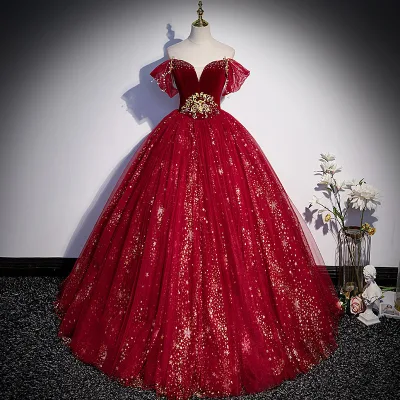
Elegant Wine-Red off-The-Shoulder Dress with Pleats and Three-Quarter Sleeves
$20.00 - $28.72
MOQ: 100 Pieces


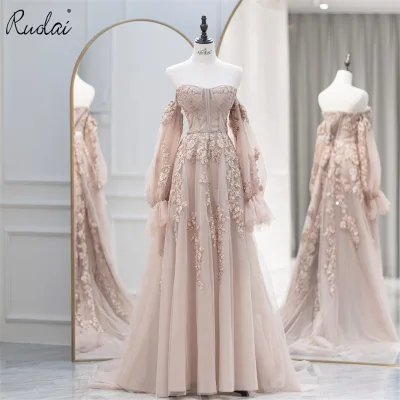
off Shoulder Lace Mother of The Bride Dress Blue Party Evening Dress M1316
$89.00 - $159.00
MOQ: 1 Pieces

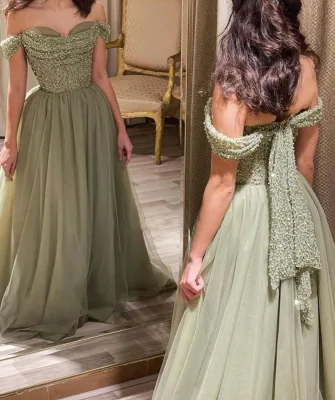
Evening Dress Prom Dress off Shoulder Strapless Sleeveless Backless Evening Gown
$74.66 - $78.75
MOQ: 1 pieces





Comprehensive Sourcing Guide
Strategic Sourcing Guide for Off-the-Shoulder Gowns
The global market for off-the-shoulder gowns presents a complex landscape for B2B buyers, characterized by a distinct divergence between fashion-forward apparel and specialized medical-grade isolation wear. While the core keyword suggests a focus on style and occasion, procurement professionals must first navigate the dual nature of this product category. The available data indicates a split between luxury leisure wear designed for parties and disposable isolation gowns intended for hospital and surgical environments. Understanding this fundamental distinction is the first step in defining technical specifications, as the material science, compliance requirements, and cost structures for a polyester party gown differ entirely from those of a non-woven fabric medical gown. Buyers must align their sourcing strategy with the specific end-use application to avoid procurement errors that could lead to compliance failures or product mismatch.
Technical Specifications and Material Composition
The technical definition of an off-the-shoulder gown varies significantly based on its intended function. In the leisure and fashion sector, the product is defined by specific aesthetic and comfort attributes. Data indicates that luxury leisure gowns often utilize polyester as the primary material, offering a breathable fabric suitable for spring and autumn occasions. These garments typically feature a sleeveless design with a medium length, aligning with the "off-the-shoulder" silhouette. The pattern options observed include polka dots or other custom designs, catering to the party occasion. The production model for these items, such as model AN-8, suggests a standardized approach to fashion manufacturing where customization is available to meet specific design requests. Care instructions for these items generally mandate machine washability, indicating a durable construction intended for repeated use.
Conversely, the medical and industrial sector defines the off-the-shoulder gown through rigorous performance metrics and protective capabilities. In this context, the "gown" is often a disposable isolation gown or cap system. The materials listed include non-woven fabric, spunbond, SMS (Spunbond-Meltblown-Spunbond), and CPE (Cast Polyethylene). The weight of these gowns is a critical specification, ranging from 30g to 80g per piece depending on the layer composition, such as 30g or 40g spunbond or 45g to 55g SMS. The length can vary from medium to long, with specific models like AN-112-1 or L6861 offering long-sleeve or specific sizing configurations. The cuff design is another vital technical differentiator, with options including knitted, elastic, or thumb-hole cuffs to ensure a secure seal. The size specifications are precise, often adhering to a standard scale of S (115x127cm), M (115x137cm), L (120x140cm), and XL (130x145cm), though exact dimensions must be verified against the supplier's specific standard.
Compliance, Certification, and Safety Standards
Compliance is the most critical differentiator between fashion gowns and medical isolation gowns. For leisure wear, the primary focus is on material safety and general quality assurance, often supported by a two-year quality guarantee period. However, for gowns intended for hospital, surgery, or laboratory use, the regulatory burden is substantially higher. The supplied data highlights specific certifications such as ISOCE and FDA, which are essential for medical-grade products. Buyers must verify that the supplier holds valid FDA registration and ISO certification before proceeding with orders for medical applications.
Furthermore, sterilization status is a non-negotiable compliance factor. The data explicitly notes that some isolation gowns are "Without Ethylene Oxide Sterilization," which is a common standard for disposable gowns that rely on barrier properties rather than sterile packaging. However, for surgical applications, the sterilization method must be clearly defined and verified against local regulatory requirements. The origin of the product also plays a role in compliance; products originating from Guangzhou or Hubei, China, must be evaluated against the import regulations of the destination country. Buyers should not assume that a product labeled "luxury" or "leisure" meets medical standards, nor should they assume that a medical gown meets the aesthetic requirements of a fashion event. The certification status must be confirmed for every specific product model, such as model 90126, rather than assumed for the entire category.
Cost Drivers and Pricing Dynamics
The pricing structure for off-the-shoulder gowns is driven by material complexity, order volume, and the level of customization required. The observed price range in the market spans from $0.03 to $300 per unit, reflecting the vast difference between a single-use disposable gown and a high-end luxury garment. For disposable medical gowns, the cost is heavily influenced by the weight of the material (e.g., 40g vs. 80g) and the number of layers (SMS vs. single-layer non-woven). The packing method also impacts the final unit cost; bulk packing in cartons (100PCS/CTN) is generally more economical than individual polybag packaging.
In the fashion sector, the cost drivers include the complexity of the pattern, the type of polyester used, and the customization of the logo or design. The Minimum Order Quantity (MOQ) is a significant factor in cost management. The data shows an MOQ range from 1 to 500,000 pieces, with a specific high-confidence fact noting an MOQ of 100 PCS for certain models. Buyers must balance the desire for lower unit costs with the capital required to meet these MOQ thresholds. For medical gowns, the MOQ of 100 PCS allows for smaller trial orders, whereas fashion gowns may require higher volumes to achieve competitive pricing. The lead time for samples, observed at 7-9 days, should also be factored into the total cost of ownership, as delays can impact inventory planning and market launch schedules.
Typical Applications and Usage Scenarios
Understanding the application environment is essential for selecting the correct product. The data clearly delineates two primary usage scenarios. The first is the "Party" and "Luxury Leisure" sector, where the gown serves as a fashion statement. These gowns are designed for social occasions, utilizing breathable polyester to ensure comfort during extended wear. The "Spring & Autumn" seasonality suggests these are not intended for extreme weather conditions but rather for moderate climates. The second scenario is the "Hospital/Surgery" and "Laboratory" sector. Here, the off-the-shoulder design (often a specific cut for ease of donning) is part of a protective ensemble. These gowns are used in environments requiring barrier protection against fluids and pathogens. The "Daily" occasion tag for some models suggests versatility in clinical settings, while the "Adult" group specification confirms the target demographic.
The distinction is further clarified by the "Be Used In" attribute, which explicitly lists Hospital, Surgery, and Food Industry. This confirms that the medical-grade gowns are not merely protective clothing but are integral to infection control protocols. Buyers sourcing for the food industry must ensure the gowns meet specific hygiene standards, while those sourcing for surgery must prioritize the integrity of the seal and the durability of the material under surgical conditions. The "One off Transparent PE Isolation Gown" mentioned in the data points to a specific niche application where visibility and single-use convenience are paramount.
Supplier Evaluation and Quality Control
Evaluating suppliers for off-the-shoulder gowns requires a rigorous verification process, particularly given the dual nature of the product category. Buyers should prioritize suppliers who can demonstrate clear separation between their fashion and medical product lines. For medical gowns, the presence of certifications like FDA and ISOCE is a baseline requirement. The supplier's origin, whether Guangzhou or Hubei, should be verified for logistical consistency and regulatory compliance with the buyer's local laws. The quality control process must include verification of the weight specifications (e.g., 30g vs. 45g) and the size accuracy (S/M/L/XL dimensions).
The packing method is another critical quality control checkpoint. Whether the product is packed in boxes, polybags, or cartons, the integrity of the packaging must be maintained to prevent contamination, especially for medical gowns. The "Packing Way" of 10PCS/Bag and 100PCS/CTN is a standard that should be adhered to for bulk orders. For fashion gowns, the quality of the polyester and the precision of the "Polka Dots" or other patterns must be inspected. The "Two Years" quality guarantee period for certain models indicates a supplier's confidence in their product, but this should be verified in the contract. Buyers should also consider the sample lead time of 7-9 days as an indicator of the supplier's responsiveness and production capacity.
Long-Term Procurement Considerations
Sourcing off-the-shoulder gowns is not a one-time transaction but a strategic partnership that requires long-term planning. The availability of customization is a key factor for long-term success, allowing buyers to adapt to changing market trends or specific client requirements. The "Logo Printing" feature is particularly relevant for medical suppliers looking to brand their protective equipment or fashion brands seeking to maintain brand identity. Buyers should establish clear communication channels regarding the "Samples" process, ensuring that the 7-9 day lead time is consistent for future orders.
Furthermore, the supply chain resilience must be assessed. With an MOQ range extending to 500,000 pieces, buyers must ensure the supplier has the capacity to scale up production during peak demand periods. The "Ethylene Oxide Sterilization" status should be reviewed periodically, as regulatory requirements for sterilization can change. Finally, the "Care Instruction" for fashion gowns and the "Usage" guidelines for medical gowns must be clearly communicated to end-users to ensure proper product lifecycle management. By focusing on these long-term factors, buyers can secure a reliable supply of off-the-shoulder gowns that meets both functional and aesthetic requirements.
Comparative Analysis of Product Attributes
To assist buyers in making informed decisions, the following table summarizes the key differences between the two primary categories of off-the-shoulder gowns identified in the market data.
| Attribute | Leisure/Fashion Gown | Medical/Isolation Gown |
|---|---|---|
| Primary Material | Polyester | Non-woven Fabric, SMS, CPE |
| Target Occasion | Party, Luxury Leisure | Hospital, Surgery, Laboratory |
| Seasonality | Spring & Autumn | Year-round (Daily/Specific) |
| Sleeve Type | Sleeveless | Long Sleeve, Thumb Hole |
| Length | Medium | Long |
| Certification | Quality Guarantee (2 Years) | FDA, ISOCE |
| Sterilization | Not Applicable | Without Ethylene Oxide (Standard) |
| Packing | Box | Polybag, CTN (10/100) |
| MOQ | 100 PCS (Typical) | 100 PCS (Typical) |
| Weight | Not Specified | 30g - 80g per PC |
| Origin | Guangzhou | Hubei, China |
This comparison highlights the necessity of precise specification matching. A buyer seeking a gown for a party event should not accept a medical-grade isolation gown, and vice versa. The technical specifications, from the material composition to the packaging method, are tailored to the specific needs of each sector. By adhering to these distinctions and verifying all claims against the provided data, buyers can ensure a successful procurement process that minimizes risk and maximizes value.
FAQs
What materials are used for off the shoulder gowns?
Materials vary by application, with polyester used for luxury leisure gowns and non-woven fabric, SMS, or CPE for medical isolation gowns. Buyers must select the material based on whether the gown is for party wear or hospital surgery environments.
Which certifications are required for medical off the shoulder gowns?
Medical-grade gowns require specific certifications such as FDA and ISOCE to ensure safety and compliance. Fashion gowns typically rely on general quality guarantees rather than medical regulatory approvals.
Can I customize the logo on off the shoulder gowns?
Logo printing is available for both fashion and medical gowns to support branding needs. Buyers should confirm customization options and lead times, which can range from 7 to 9 days for samples.
What is the typical MOQ for ordering off the shoulder gowns?
The minimum order quantity varies significantly, with some models requiring as little as 100 pieces while others may demand up to 500,000. Buyers must check specific model requirements to align with their budget and inventory needs.
How are off the shoulder gowns packed for shipping?
Packing methods differ by product type, with fashion gowns often shipped in boxes and medical gowns in polybags or cartons. Common configurations include 10 pieces per bag and 100 pieces per carton for bulk efficiency.
Where are off the shoulder gowns manufactured?
Manufacturing origins include locations such as Guangzhou and Hubei in China, depending on the supplier and product line. Buyers should verify the origin to ensure compliance with local import regulations and quality standards.