Source Office Supplies Plastic Injection Mold for Home Use, Furniture, and Commodity
Source Office Supplies Plastic Injection Mold from 30 verified listings. Compare options featuring ABS and TPE materials, hot runner systems, and single or multi-cavity designs. Options include customization, 1-year guarantees, and origins in Dongguan and Zhejiang.
Key considerations
Products List


Factory-Direct Injection Molding: Custom Plastic Parts for Office Supplies
$0.25 - $0.70
MOQ: 1000 pieces




Comprehensive Sourcing Guide
Office Supplies Plastic Injection Mold Sourcing Guide
Sourcing high-quality injection molds for office supplies requires a strategic balance between precision engineering and cost efficiency. The market offers a wide variety of solutions, ranging from single-cavity prototypes to multi-cavity production molds, each tailored to specific volume requirements and part geometries. Buyers must navigate a landscape where design software compatibility, such as UG or Pro-E, plays a critical role in ensuring that the final mold aligns perfectly with the intended product specifications. Understanding these technical nuances is essential for minimizing rework and ensuring that the produced components meet the rigorous demands of office environments, where durability and aesthetic finish are paramount.
The procurement process is further complicated by the diverse range of materials and customization options available. From ABS to TPE, the choice of plastic material significantly impacts the mold’s design, cooling time, and final part properties. Furthermore, the availability of OEM services and customized packing solutions allows buyers to tailor the supply chain to their specific logistical needs. However, this flexibility also introduces complexity in verifying supplier capabilities and ensuring consistent quality across batches. This guide provides a structured approach to evaluating suppliers, verifying technical specifications, and managing commercial terms to secure reliable injection molding services for office supply components.
Product Scope and Observed Listing Signals
The current market for office supply injection molds exhibits a broad spectrum of capabilities, with observed price ranges extending from $0.01 to $20,000 USD. This wide variance reflects the difference between simple, single-cavity molds for low-volume production and complex, multi-cavity systems designed for high-speed manufacturing. Minimum Order Quantities (MOQs) also vary significantly, ranging from 1 to 100,000 units, indicating that suppliers cater to both prototyping needs and large-scale industrial production. Buyers should interpret these signals carefully, recognizing that lower prices may correspond to simpler designs or lower precision standards, while higher costs often reflect advanced features like hot runner systems and multi-cavity configurations.
Listing attributes reveal a strong emphasis on customization and design flexibility. Many suppliers offer molds designed according to customer drawings or samples, utilizing industry-standard design software to ensure accuracy. The application scope extends beyond general office supplies to include household appliances, electronics, and hardware, suggesting that the technology used for office supply molds is versatile and robust. Additionally, the presence of specific product models, such as KD-156 or SW-TY801, indicates that suppliers often have standardized mold bases or designs that can be adapted for various office-related products. Buyers should leverage these signals to identify suppliers who can offer both bespoke solutions and proven, adaptable designs.
Technical Specifications to Verify
Precision is a critical factor in injection molding for office supplies, with many suppliers claiming tolerances as tight as 0.01mm. Buyers must verify these precision claims through detailed discussions with suppliers, as achieving such tight tolerances requires high-quality mold materials and advanced machining processes. The choice of mold material, such as P20, 718, 738, Nak80, or S136, directly influences the mold’s durability and the surface finish of the final product. For office supplies, which often require a smooth, aesthetically pleasing appearance, polishing processes are commonly employed to achieve the desired surface quality. Understanding the relationship between mold material, surface finish, and precision is essential for selecting the right supplier for specific product requirements.
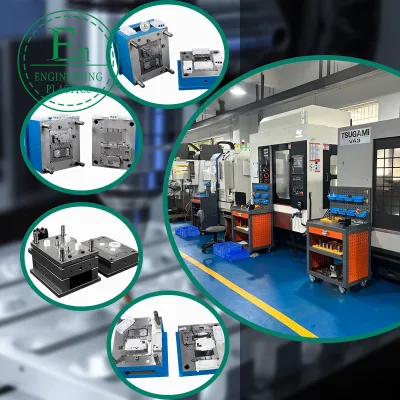
The design of the mold, including the runner system and cavity configuration, also plays a vital role in production efficiency and part quality. Hot runner systems are frequently used to reduce material waste and improve cycle times, making them suitable for high-volume office supply production. Similarly, the choice between single and multi-cavity molds depends on the required output volume and part complexity. Buyers should confirm whether the supplier uses single-process modes or more complex process combinations, as this affects the lead time and cost of the mold. Additionally, verifying the compatibility of the mold with the intended plastic material, such as ABS or TPE, is crucial to ensure optimal molding conditions and part performance.
Compliance and Safety Documentation
Compliance with international standards is a key consideration for office supply manufacturers, particularly when products are intended for global markets. Many suppliers hold certifications such as CE and ISO, which indicate adherence to specific quality and safety management systems. The presence of ISO 9001 and ISO 14001 certifications suggests that the supplier has implemented robust quality control and environmental management practices. Buyers should request copies of these certifications to verify their validity and ensure that the supplier’s processes align with their own compliance requirements. Additionally, RoHS compliance is often mentioned, indicating that the materials used in the mold and the resulting products are free from certain hazardous substances, which is increasingly important for electronic and plastic components.
Beyond certifications, buyers should also consider the specific standards that govern the production of office supplies. While the supplied facts mention HASCO as a standard, it is important to verify whether this applies to the mold design or the final product. HASCO is a well-known standard for mold components, and adherence to it can facilitate easier maintenance and replacement of mold parts. Buyers should also inquire about any industry-specific regulations that may apply to their products, such as fire safety standards for plastic components or material safety data sheets for the plastics used. Ensuring that all relevant documentation is in place before production begins can prevent delays and ensure that the final products meet all regulatory requirements.
Cost Drivers and Commercial Terms
The cost of injection molds for office supplies is influenced by several factors, including the complexity of the design, the number of cavities, and the materials used. Buyers should expect lead times to vary based on these factors, with typical delivery dates ranging from 15 to 30 days. It is important to clarify whether these lead times refer to the mold production or the subsequent part production, as this can significantly impact project planning. Suppliers may also offer different packaging options, such as PP bags or cartons, which can affect the overall cost and logistics of the order. Understanding these commercial terms is essential for budgeting and scheduling, as unexpected delays or additional costs can disrupt the supply chain.
Guarantees and warranty terms are another critical aspect of the commercial agreement. Many suppliers offer a one-year guarantee on their molds, which provides some protection against defects or premature wear. Buyers should carefully review the terms of this guarantee to understand what is covered and what constitutes normal wear and tear. Additionally, the availability of OEM services and customized packing solutions can add value to the procurement process, allowing buyers to streamline their logistics and branding efforts. However, these customizations may come at an additional cost, so buyers should weigh the benefits against the potential increase in price. Clear communication regarding these terms can help avoid misunderstandings and ensure a smooth transaction.
Supplier Qualification and Quality Control
Qualifying a supplier for injection molding services requires a thorough assessment of their technical capabilities and quality control processes. Buyers should verify the supplier’s experience with similar products, particularly those involving office supplies, household appliances, or electronics. The ability to design molds according to customer drawings or samples is a key indicator of flexibility and technical competence. Additionally, the use of advanced design software, such as UG or Pro-E, suggests that the supplier has the necessary tools to create precise and efficient mold designs. Buyers should also inquire about the supplier’s quality control procedures, including inspection methods and testing protocols, to ensure that the final products meet their specifications.
Location and origin can also play a role in supplier qualification, with many suppliers based in manufacturing hubs such as Dongguan or Zhejiang in China. These regions are known for their expertise in plastic injection molding and mold manufacturing, offering a wide range of services and competitive pricing. However, buyers should also consider the logistical implications of sourcing from these locations, including shipping costs and lead times. Establishing a strong relationship with a qualified supplier involves regular communication and collaboration, particularly during the design and prototyping phases. By prioritizing suppliers with proven track records and robust quality control systems, buyers can mitigate risks and ensure the successful production of their office supply components.
Long-Term Procurement Checks
Long-term procurement success depends on establishing a sustainable relationship with suppliers that prioritizes continuous improvement and adaptability. Buyers should regularly review supplier performance metrics, such as on-time delivery rates, defect rates, and responsiveness to issues. This ongoing evaluation helps identify potential problems early and allows for corrective actions to be taken before they impact production. Additionally, buyers should stay informed about advancements in injection molding technology and materials, as these developments can offer opportunities for cost savings or product improvements. Engaging in regular dialogue with suppliers about future needs and challenges can foster innovation and ensure that the supply chain remains agile and competitive.
As market demands evolve, buyers may need to adjust their procurement strategies to accommodate changes in product design, volume requirements, or regulatory standards. This may involve re-evaluating supplier contracts, exploring new sourcing options, or investing in additional quality control measures. By maintaining a proactive approach to supplier management and staying attuned to industry trends, buyers can ensure that their injection molding supply chain remains resilient and efficient. Ultimately, the goal is to build a partnership with suppliers that supports long-term growth and success, enabling the production of high-quality office supplies that meet the needs of customers worldwide.
FAQs
What certifications do the plastic injection molds have?
The molds carry CE and ISO certifications. Additional standards include RoHS, ISO 9001, and ISO 14001. These ensure compliance with international safety and quality requirements for various applications.
Which design software is used for the mold creation?
Design software includes UG and Pro-E tools. Engineers create molds per drawing or sample requirements. This flexibility supports custom specifications for diverse industrial and household applications.
Can the molds be customized for specific needs?
Yes, customization is available for all orders. Buyers can request specific designs based on their drawings or samples. The process allows for tailored cavity counts and material selections like ABS or TPE.
What is the lead time for delivery of these molds?
The standard lead time is 30 days. Delivery dates typically range from 15 to 20 days after production. This timeline applies to standard orders originating from Dongguan or Zhejiang, China.
Which plastic materials are suitable for these injection molds?
Common materials include ABS and TPE. Mold materials can be P20, 718, 738, Nak80, or S136. These combinations ensure durability and precision for applications in automotive, medical, and household sectors.
How is the surface finish process handled for the molds?
The surface finish process involves polishing. This technique ensures high-quality textures on the final plastic parts. The process is part of a single-process mode for efficient manufacturing.
What is the precision level of the injection molding process?
The precision level reaches 0.01mm. This accuracy is maintained through advanced injection molding techniques. It supports complex designs for electronic, hardware, and commodity applications requiring tight tolerances.