Source Offroad Tires for Loaders, Trucks, and Heavy Machinery
Compare 30 Offroad Tires available from Chinese manufacturers for loaders, heavy-duty trucks, and construction equipment. Options include radial and bias designs with various certifications and tread patterns for diverse operational needs.
Key considerations
Products List


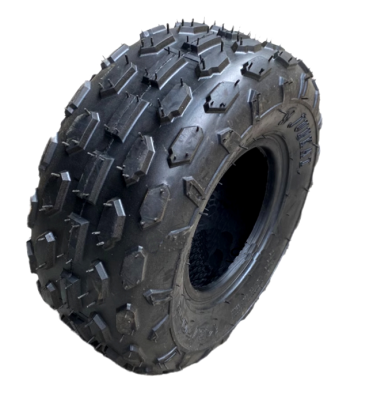


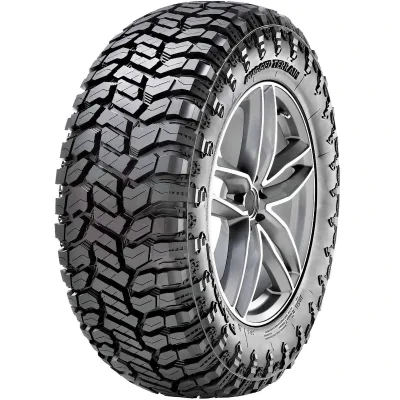


$100.00 - $110.00
MOQ: 50 Pieces


Comprehensive Sourcing Guide
Strategic Sourcing Guide for Off-Road Tires
Understanding Technical Specifications and Construction Variations
When sourcing off-road tires, buyers must navigate a complex landscape of technical specifications that define performance, durability, and application suitability. The product data indicates a significant divergence in construction types, ranging from bias-belted designs to advanced radial configurations. A critical observation in the current market is the variation in tire hierarchy, with specific models rated at 20PR (Ply Rating), which is a standard metric for heavy-duty industrial and off-road applications. This rating suggests a construction capable of withstanding extreme loads, typical for loaders and heavy-duty trucks operating in demanding environments.
The diameter specifications further segment the market into distinct categories. The data reveals products with diameters ranging from compact 13-14 inch units to massive 23.5-25 inch and even larger 4000R57 models. This wide range necessitates precise matching between the tire specification and the vehicle's axle load and suspension geometry. For instance, the 23.5-25 and 26.5-25 sizes are explicitly noted, alongside specific model codes like 1800R33 and 2100R35, indicating a focus on large-scale earthmoving equipment. Buyers must verify that the selected diameter aligns with the rim width and the specific clearance requirements of the machinery.
Cord material is another pivotal technical factor. The observed market includes tires utilizing both Nylon and Steel Wire as cord materials. Nylon cord tires, often associated with bias-belted designs, offer a balance of flexibility and puncture resistance suitable for general off-road conditions. Conversely, steel wire cord tires, particularly those labeled as "All Steel Radial OTR Tire," provide superior stability and heat dissipation for high-speed or heavy-load operations. The distinction between these materials directly impacts the tire's ability to resist sidewall damage and maintain structural integrity under heavy stress. Additionally, the presence of "Without Inner Tube" attributes in some listings confirms the prevalence of tubeless technology, which reduces the risk of sudden pressure loss compared to traditional tube-type tires, although tube-type options remain available for specific low-pressure applications.
Compliance, Certification, and Regulatory Standards
Navigating the regulatory landscape is essential for international procurement, as off-road tires often require compliance with multiple regional standards. The product data highlights a robust set of certifications, including ECE, CCC, ISO, CE, and DOT. These acronyms represent different regulatory bodies and safety standards that validate the tire's manufacturing quality and safety performance. ECE (Economic Commission for Europe) certification is crucial for markets in Europe, while CCC (China Compulsory Certification) is mandatory for domestic sales in China. ISO certification indicates adherence to international quality management systems, ensuring consistent manufacturing processes.
DOT (Department of Transportation) certification is a critical requirement for tires intended for the North American market, verifying that the tire meets specific safety standards regarding strength, durability, and performance. The presence of CE marking suggests compliance with European health, safety, and environmental protection standards. Buyers must verify that the specific batch of tires they purchase carries the relevant certification marks for their target market, as the absence of these marks can lead to customs delays or legal liabilities. The data also references specific standards such as "Nylon OTR Tyre" and "All Steel Radial OTR Tire," which serve as internal or industry-specific classifications that buyers should cross-reference with their local regulatory requirements.
Furthermore, the "All Season Tire" attribute suggests that these products are designed to perform across various weather conditions, a vital consideration for operations in regions with fluctuating climates. However, buyers should not assume that "All Season" implies equal performance in all extreme conditions. It is imperative to request specific test data or performance reports that validate the tire's behavior in mud, snow, or high-temperature environments, as the general "All Season" label may not cover extreme off-road scenarios. The "Highway Tread Pattern" and "Cross-Country Tread Pattern" distinctions also imply different regulatory and performance expectations, with highway patterns often requiring specific noise and wear metrics that may differ from cross-country requirements.
Cost Drivers and Pricing Dynamics
The pricing structure for off-road tires is influenced by a multitude of factors, including size, construction complexity, and certification requirements. The observed price range spans from $4.99 to $1,499, a variance that reflects the vast difference between smaller motorcycle or tricycle tires and massive industrial OTR (Off-The-Road) tires. The lower end of the spectrum likely corresponds to smaller diameter tires, such as the 13-14 inch models or motorcycle-specific units, while the upper end represents heavy-duty radial tires for loaders and trucks, such as the 4000R57 or 23.5-25 sizes.
Material costs play a significant role in pricing. Tires constructed with steel wire cords and advanced radial designs typically command higher prices than those using nylon cords or bias-belted constructions. The "20PR" rating, indicating a high ply count, also contributes to increased material usage and manufacturing complexity, thereby elevating the cost. Additionally, the "Customization" attribute suggests that bespoke orders, which may involve unique tread patterns or specific branding, will incur additional costs compared to standard "Non-Customized" inventory.
The Minimum Order Quantity (MOQ) also impacts the effective unit cost. The data shows an MOQ range from 1 to 500 units. Buyers ordering small quantities, such as single units for replacement or testing, will face higher per-unit costs. Conversely, bulk orders meeting the higher MOQ thresholds can leverage economies of scale to reduce the unit price. The "Nude Packing" and "no packing" options observed in the data indicate that packaging costs can be minimized for large shipments, potentially lowering the overall procurement cost, though this requires careful coordination with logistics providers to ensure product safety during transit. Buyers should also consider the "Shipping by Ocean" attribute, as ocean freight costs for heavy tires can be substantial and should be factored into the total landed cost calculation.
Typical Applications and Operational Environments
Off-road tires are engineered for specific operational environments, and selecting the right tire for the application is critical for maximizing equipment uptime and safety. The data points to several distinct application categories. The "Fit for: Loader, Heavy Duty Truck" attribute clearly identifies these tires for use in construction, mining, and heavy industrial settings. The "Cross-Country Tread Pattern" and "Dual Purpose Tread Pattern" designs suggest versatility for mixed-terrain operations, where vehicles may transition between paved roads and unpaved, rugged surfaces.
For lighter applications, the data includes "Motorcycle Tyre," "Tricycle Tyre," and "Low Pressure Tire" categories. These are likely intended for agricultural use, recreational off-roading, or light industrial tasks where high-speed stability is less critical than traction and comfort. The "Rubber Tyre" and "Black" color attributes are standard for these applications, ensuring durability and resistance to UV degradation. The "Vacuum Tire" and "Tube" distinctions further refine the application scope; tubeless tires are preferred for high-speed or high-load applications where puncture resistance is paramount, while tube-type tires may be used in specific low-pressure scenarios or older machinery designs.
The "All Season Tire" designation implies suitability for year-round operation, but buyers must evaluate the specific tread patterns against their local conditions. For instance, a "Highway Tread Pattern" might be optimized for mixed road and light off-road use, whereas a "Transverse Pattern" or "Cross-Country" pattern is better suited for deep mud or loose soil. The "20PR" rating is particularly relevant for heavy machinery like loaders, where the tire must support immense loads without failure. Understanding these application nuances ensures that the procurement strategy aligns with the actual operational demands of the fleet.
Supplier Evaluation and Origin Verification
Evaluating suppliers for off-road tires requires a focus on origin, manufacturing capabilities, and compliance history. The data indicates that the primary origin for these products is China, with specific mentions of "Qingdao City" and "Qingdao" as production hubs. Qingdao is a well-known industrial center for tire manufacturing, and buyers should verify that the supplier is indeed based in this region to ensure access to the expected supply chain infrastructure. The "Factory: Qingdao City in China" attribute provides a concrete location for due diligence, allowing buyers to investigate local manufacturing capabilities and logistics networks.
Supplier credibility can be assessed through their certification portfolio and customization capabilities. The presence of "OEM: Accepted" indicates that suppliers are willing to produce tires under the buyer's brand, which is a significant advantage for companies looking to build their own product lines. However, buyers must verify the authenticity of the certifications (ECE, CCC, ISO, CE, DOT) by requesting valid certificates for the specific production batches. The "Customization: Available" and "Customized: Customized" attributes suggest flexibility in product design, but buyers should establish clear specifications and quality control protocols before placing orders to avoid discrepancies.
The "prod_packing" attributes, ranging from "Nude Packing" to "no packing," highlight the need for clear communication regarding packaging requirements. While some suppliers offer minimal packaging to reduce costs, others may require standard shipping methods like "Shipping by Ocean." Buyers should evaluate the supplier's ability to meet specific packaging needs to prevent damage during transit. Additionally, the "Condition: New" attribute confirms that the products are manufactured items, but buyers should request proof of manufacturing dates to ensure the tires are not old stock, which could affect rubber longevity.
Quality Control and Long-Term Procurement Considerations
Ensuring long-term value in off-road tire procurement requires a robust quality control strategy and a focus on lifecycle management. The "Tire Design" variations, including "Bias Belted Tyre" and "Radial Tyre," offer different performance characteristics that must be validated through rigorous testing. Buyers should insist on test results that demonstrate the tire's resistance to wear, heat buildup, and puncture resistance, particularly for the "All Steel Radial OTR Tire" category where performance expectations are highest.
The "Tread Pattern" selection is a critical quality factor. A "Dual Purpose Tread Pattern" or "Cross-Country Tread Pattern" must be evaluated for its ability to maintain traction over time as the tread wears down. Buyers should request wear rate data or historical performance reports to understand the expected service life of the tire. The "20PR" rating, while indicating high load capacity, should be verified against actual load tests to ensure the tire meets the required safety margins for the intended application.
Long-term procurement considerations also include the availability of replacement parts and the supplier's ability to support the product over its lifecycle. The "Customization" attribute suggests that suppliers can adapt to changing needs, but buyers should establish a long-term agreement that guarantees consistent quality and supply. The "prod_model" variations, such as "1800R33" or "23.5-25," indicate a diverse product line, and buyers should ensure that the supplier can maintain inventory levels for critical sizes to minimize downtime. Finally, the "Standard" attributes, such as "Nylon OTR Tyre" or "All Steel Radial OTR Tire," should be used as benchmarks for quality assurance, ensuring that every batch meets the specified industry standards before shipment.
FAQs
What certifications do these Offroad Tires hold?
These Offroad Tires hold ECE, CCC, ISO, CE, and DOT certifications. Buyers must verify that specific batches carry the relevant marks for their target market to avoid customs delays or legal liabilities.
Which cord materials are used in these tires?
The tires utilize both Nylon and Steel Wire cord materials. Nylon offers flexibility for general conditions, while steel wire provides superior stability for heavy-load operations in demanding environments.
Can I request customization for these Offroad Tires?
Customization is available for many of these Offroad Tires. Buyers should establish clear specifications and quality control protocols before placing orders to avoid discrepancies with their unique requirements.
Where are these Offroad Tires manufactured?
These Offroad Tires originate from Qingdao City in China. Buyers should verify that the supplier is based in this region to ensure access to the expected supply chain infrastructure.
What is the minimum order quantity for these tires?
The minimum order quantity ranges from 1 to 500 units. Buyers ordering small quantities will face higher per-unit costs, while bulk orders can leverage economies of scale to reduce prices.
How are these Offroad Tires packaged for shipping?
Packaging options include Nude Packing, no packing, or Shipping by Ocean. Buyers must communicate specific packaging needs to prevent damage during transit while potentially minimizing costs.