Source Offset Printing Christmas Advent Calendar for Gifts, Retail, and Events
Find 30 options for Offset Printing Christmas Advent Calendar designs including rigid, foldable, and canvas styles. Buyers can compare materials, printing features, and MOQs to select the right packaging solution for holiday gifts and retail displays.
Key considerations
Products List
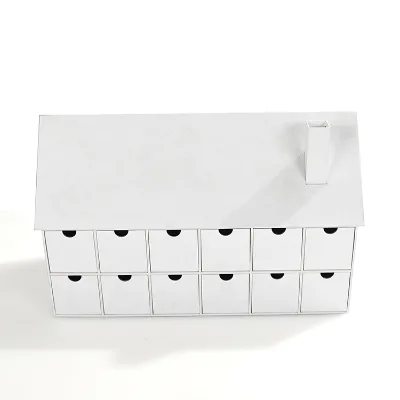
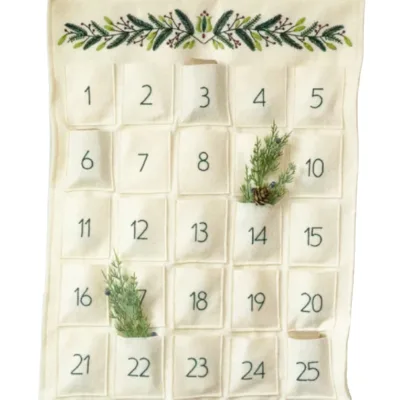
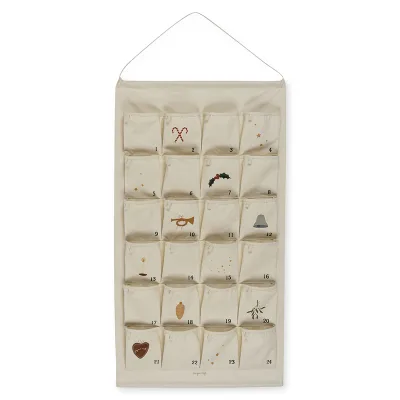
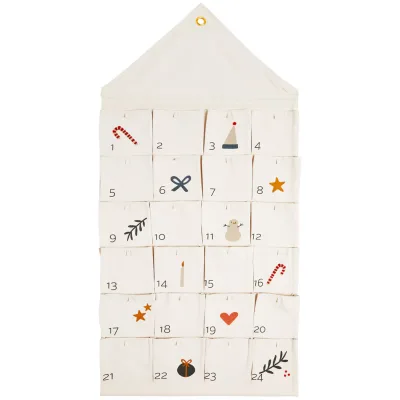
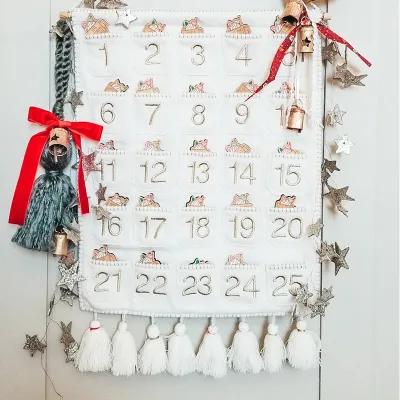
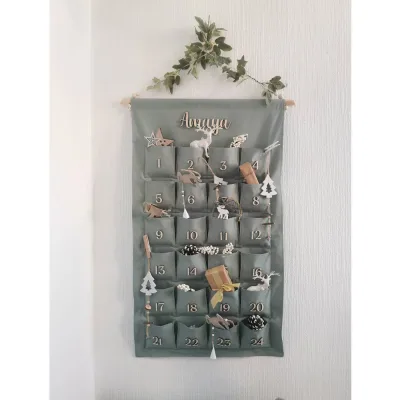

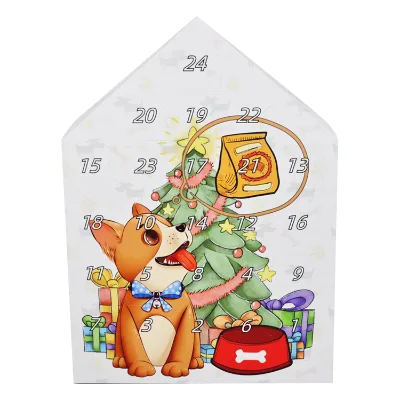
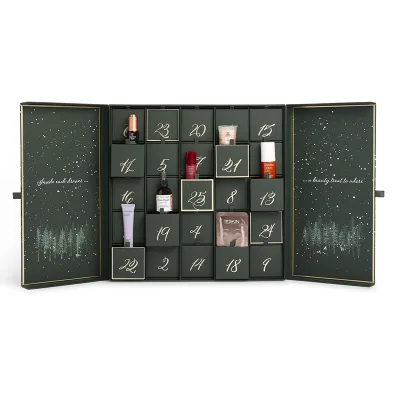
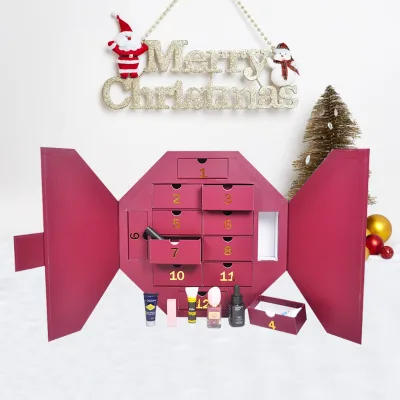

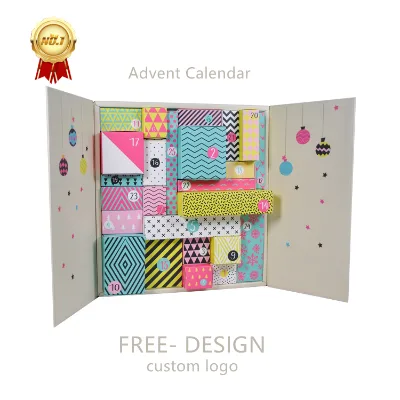
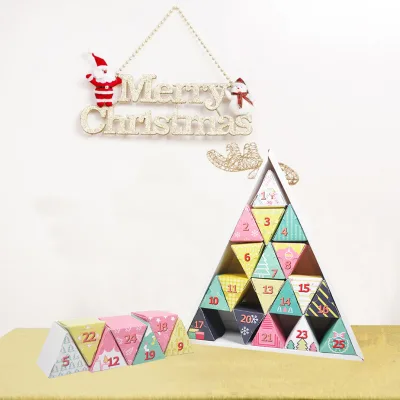
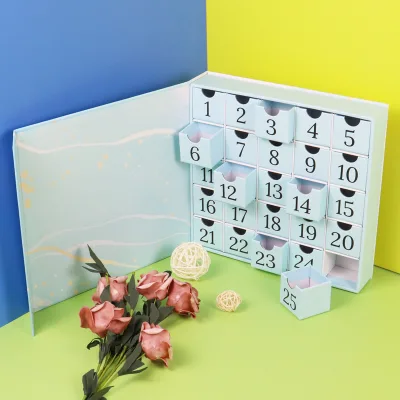





Comprehensive Sourcing Guide
Strategic Sourcing Guide for Offset Printing Christmas Advent Calendars
The global demand for seasonal packaging has elevated the Christmas advent calendar from a simple novelty item to a sophisticated retail product. For B2B buyers, the core keyword "Offset Printing Christmas Advent Calendar" signals a specific manufacturing process and product category that requires precise technical understanding. Sourcing these items involves navigating a complex landscape of materials, printing technologies, and compliance standards. This guide provides a disciplined framework for evaluating suppliers, verifying product specifications, and ensuring that the final procurement aligns with quality expectations and operational constraints.
Technical Specifications and Material Composition
The foundation of a high-quality advent calendar lies in its material composition and structural integrity. Based on observed industry data, the primary materials utilized for these products include grey board, ivory board, kraft paper, art paper, paper pulp, cardboard, paperboard, coated paper, rigid paper, corrugated board, and specialty paper. For advent calendars specifically, the "Rigid boxes" and "Paperboard" categories are most prevalent, offering the necessary durability to hold multiple compartments or doors.
The manufacturing process for these calendars often relies on offset printing, which is distinct from digital printing in its ability to handle large volumes with consistent color fidelity. The observed specifications indicate that printing handling techniques are critical for the final aesthetic. Common finishes include Matt lamination, Embossing, Gold foil, Glossy Lamination, UV coating, varnishing, and Stamping. These processes are not merely decorative; they serve to protect the printed surface and enhance the tactile experience of the product.
When evaluating technical specifications, buyers must verify the "Model Number" and "Size" parameters. The market offers both standardized models, such as "W-G6-#0839" or "LK250718-1," and fully customized dimensions. For instance, specific listings indicate sizes like "18x24 inches" or "Customized Size," while others provide single package dimensions like "50X20X10 cm." The "Pattern" is typically rectangular, but the internal structure must accommodate the unique "item" type of an advent calendar, which often requires foldable or compartmentalized designs. The "Paper type" is frequently noted as "Foldable," which is essential for the mechanical operation of the calendar doors.
Compliance, Certification, and Environmental Standards
In the current regulatory environment, environmental compliance is a non-negotiable factor for sourcing Christmas packaging. The "Eco-friendly" and "Recyclable" features are frequently cited attributes, reflecting a market shift toward sustainable packaging solutions. Buyers should actively verify if the supplier holds valid certifications, such as the Forest Stewardship Council (FSC) certification, which is observed in several product listings. This certification ensures that the paper and cardboard materials originate from responsibly managed forests.
While some background data mentions ISO 9001 as a potential standard, buyers must not assume this applies to every supplier without explicit verification. Instead, the procurement strategy should focus on confirming the specific "Product certifications" listed for the lot. The presence of "Recycled Materials" as a feature is another critical compliance indicator. When sourcing from regions like Guangdong or Zhejiang in China, buyers must ensure that the supplier's environmental claims are backed by documentation.
The "Aseptic" feature, while more common in food packaging, highlights the broader range of functional requirements that may apply to advent calendars intended for food items like chocolates or candies. If the calendar is designed to hold consumables, the material must meet relevant food safety standards. Buyers should request test results or compliance certificates specifically for food contact materials if the product application includes edible goods.
Cost Drivers and Pricing Dynamics
Understanding the cost structure of offset printing advent calendars is essential for accurate budgeting. The observed price range in the market spans from $0.10 to $10.58 USD. This wide variance is driven by several key factors, including material selection, printing complexity, and order volume. The "MOQ" (Minimum Order Quantity) is a significant cost driver, with observed ranges from 2 to 1000 units. Specific listings indicate MOQs of 300 sets or 300 pieces, which can significantly impact the per-unit cost.
The choice of material is a primary determinant of price. Premium materials like "Kraft paper" or "Rigid paper" typically command higher prices than standard "Grey board" or "Cardboard." Similarly, the complexity of the "Printing handling" adds to the cost. Techniques such as "Gold foil" stamping, "Embossing," and "UV coating" require additional machinery time and specialized labor, increasing the final price. The "Custom" nature of the product also plays a role; "Customized Size" and "Custom Color" options often incur setup fees and higher minimum order requirements compared to stock items.
Buyers should also consider the "Single gross weight" and "Single package size" when calculating logistics costs. A product with a gross weight of 0.600 kg and dimensions of 50x20x10 cm will have different shipping implications than a flat, lightweight cardboard box. The "Brand Name" and "Style" can also influence pricing, with personalized or "Hand-Drawn Canvas" styles potentially carrying a premium due to the specialized craftsmanship involved.
Typical Applications and Market Segmentation
Christmas advent calendars serve a diverse range of applications beyond traditional retail. The observed "Use" categories include Beauty packaging, Beverage, Clothing, Consumer electronics, Cosmetic packaging, Shoe, Gift box, Household products, Jewelry, and Logistic. This versatility indicates that the "Industrial use" is often "Gift & Craft," but the specific application can vary widely. For example, a calendar designed for "Beauty packaging" might require a more luxurious finish with gold foil and rigid construction, while a "Logistic" application might prioritize durability and stackability.
The "Application" is frequently described as "Gifts Package Box" or "Packaging Gift," emphasizing the product's role in the gifting economy. The "Style" can range from "Personalized" to "Hand-Drawn Canvas Calendar," catering to different consumer demographics. The "Feature" of being "Foldable" makes these calendars ideal for storage and transport, a crucial consideration for retailers managing inventory.
Supplier Evaluation and Sourcing Strategy
When evaluating potential suppliers, buyers must look beyond the basic product listing. The "Brand Name" of the supplier, such as "ACME," "Brothersbox," or "Family Gina," can indicate the level of specialization and brand reputation. However, the most critical evaluation criteria are the supplier's ability to meet the specific "Model Number" requirements and their flexibility regarding "Small Orders." Many suppliers accept small orders, which is beneficial for testing the market before committing to large volumes.
The "Place of origin" is another vital factor. Most observed listings originate from China, specifically Guangdong and Zhejiang provinces, which are known for their robust manufacturing ecosystems. Buyers should verify the supplier's location to ensure it aligns with their logistics strategy. The "Logo" acceptance is a standard requirement, with most suppliers offering "Accept Custom" options. This allows brands to personalize the packaging, enhancing brand visibility.
Quality Control and Inspection Protocols
Quality control is paramount when sourcing printed packaging. Buyers should establish clear inspection criteria based on the observed "Feature" list, such as "Eco-friendly," "Greaseproof," and "Recyclable." The "Printing type," typically "CMYK Printing," must be verified for color accuracy and registration. Any discrepancies in the "Color" (noted as "Cmyk, custom") or "Pattern" (noted as "Rectangle") should be addressed before mass production begins.
Inspection should also cover the mechanical integrity of the "Foldable" paper type. The doors of an advent calendar must open and close smoothly without tearing or damaging the "Rigid boxes" structure. For products with "Handmade" features, such as the "Hand-Drawn Canvas Calendar," visual inspection is essential to ensure consistency in the artistic elements. Buyers should request pre-production samples to verify the "Printing handling" techniques, ensuring that "Matt lamination" or "Glossy Lamination" is applied evenly and that "Embossing" details are sharp.
Long-Term Procurement Considerations
For long-term procurement, buyers should consider the scalability of the supplier's operations. The "MOQ" of 300 sets or 300 pieces suggests that suppliers are capable of handling mid-volume orders, but buyers should confirm their capacity for larger runs. The "Lead time" and "Single package size" are critical for supply chain planning, especially during the peak holiday season.
Sustainability should be a long-term focus. As the market shifts towards "Recycled Materials" and "Eco-friendly" products, suppliers who can demonstrate a commitment to these values will be better positioned for future contracts. Buyers should also consider the "Custom" nature of the product; maintaining a relationship with a supplier who can consistently deliver "Customized Size" and "Custom Color" options will provide flexibility for future product lines.
Summary of Key Sourcing Parameters
To facilitate quick decision-making, the following table summarizes the critical parameters observed in the market for offset printing Christmas advent calendars:
| Parameter | Observed Range / Options | Key Verification Point |
|---|---|---|
| Material | Grey board, Kraft paper, Cardboard, Rigid paper, Paperboard | Verify FSC certification for sustainable sourcing |
| Printing | CMYK, Offset | Check for color accuracy and registration |
| Finishing | Matt/Glossy Lamination, Embossing, Gold Foil, UV Coating | Inspect sample for finish quality and durability |
| MOQ | 2 to 1000 (Common: 300 sets/pieces) | Confirm if small orders are accepted for testing |
| Size | Custom, 18x24 inches, 50x20x10 cm | Ensure dimensions match internal product needs |
| Origin | China (Guangdong, Zhejiang) | Verify logistics and lead time capabilities |
| Features | Foldable, Eco-friendly, Recyclable, Handmade | Validate specific feature claims with documentation |
By adhering to these guidelines and focusing on verified facts rather than assumptions, buyers can effectively navigate the complex market for offset printing Christmas advent calendars. This disciplined approach ensures that the final procurement meets quality standards, complies with environmental regulations, and aligns with the strategic goals of the business.
FAQs
What materials are used for offset printing advent calendars?
Common materials include grey board, kraft paper, coated paper, and rigid paperboard. Some listings also specify paper pulp or specialty paper. Buyers should verify if the material meets specific durability needs for holding compartments.
Can suppliers accept small orders for custom calendars?
Yes, many suppliers accept small orders for testing purposes. Minimum order quantities typically range from 2 to 1000 units, with specific listings showing MOQs of 300 sets or pieces. This flexibility helps buyers validate designs before large production runs.
Which printing finishes are available for these packaging boxes?
Available finishes include matt lamination, glossy lamination, embossing, gold foil stamping, and UV coating. These techniques enhance the visual appeal and protect the printed surface. Buyers should request samples to verify the quality of these specific handling processes.
What certifications are available for eco-friendly packaging options?
FSC certification is observed for products using recycled materials or responsibly sourced paper. Some listings highlight eco-friendly and recyclable features. Buyers must verify specific product certifications rather than assuming general standards like ISO 9001 apply to all items.
How are sizes customized for different advent calendar models?
Sizes are often fully customized or follow specific model numbers like W-G6-#0839. Standard dimensions such as 18x24 inches or 50x20x10 cm may also be available. Customization allows for tailored internal structures to fit various gift items securely.
Where are these calendars typically manufactured?
Most observed listings originate from China, specifically Guangdong and Zhejiang provinces. These regions have robust manufacturing ecosystems for paper packaging. Buyers should confirm the exact place of origin to align with their logistics and lead time requirements.