Source Anvil Garden Hand Pruner for Tree, Plant, and Hedge Use
Find 30 Anvil Garden Hand Pruner options from Chinese manufacturers. Compare steel blade materials, plastic coated finishes, and folding features for tree branch pruning, plant cutting, and general garden maintenance tasks; compare the available evidence and request quotations based on your requirements.
Key considerations
Products List


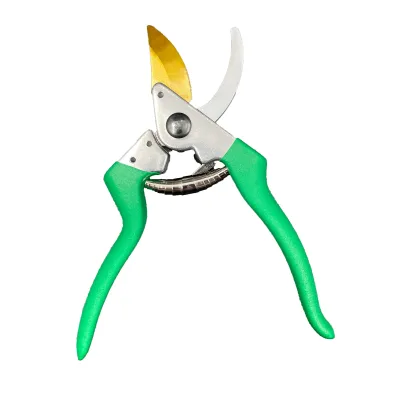


65mn High Carbon Steel Garden Scissors Ergonomic Hand Pruner for Home Gardening
$2.33 - $2.45
MOQ: 1200 Pieces


Professional Grade Hand Pruner Heavy Duty Gardening Tool for Thick Branches
$2.33 - $2.45
MOQ: 1200 Pieces
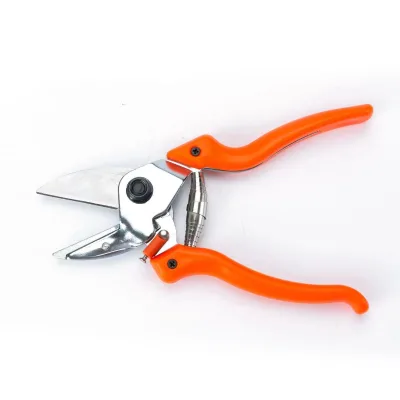


Factory Supply Gardening Pruners Professional Garden Manual Pruner Scissors Shear
$9.00 - $22.00
MOQ: 1000 Pieces


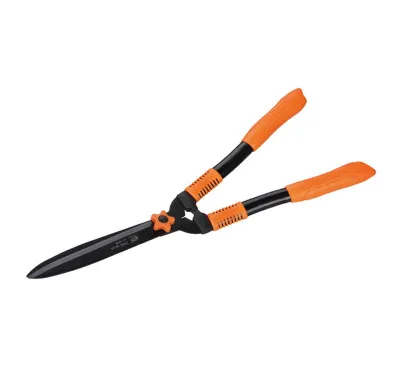
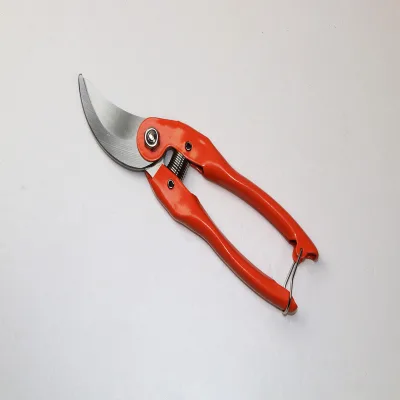


Comprehensive Sourcing Guide
Anvil Garden Hand Pruner Sourcing Guide
Sourcing anvil garden hand proners requires a clear understanding of their mechanical advantages and specific use cases within the horticultural and landscaping sectors. These tools are engineered to cut dead wood, thick branches, and dormant stems by pressing the blade against a flat anvil surface, a mechanism that provides superior leverage for tough, dry material. Unlike bypass pruners, which mimic scissors and are ideal for live green growth, anvil pruners crush the stem against the anvil, making them less suitable for living tissue where clean cuts promote healing. Buyers must carefully evaluate whether their end-users require this crushing action for specific pruning tasks or if a bypass mechanism would better serve general garden maintenance needs.
The market offers a diverse range of anvil pruners with varying handle lengths, blade materials, and ergonomic features to suit different user strengths and pruning heights. Observed listings indicate a strong presence of products originating from major manufacturing hubs in China, such as Tangshan in Hebei province and Zhejiang province, which are known for producing cost-effective garden tools. These regions often supply both standard and customized models, allowing buyers to tailor products to specific brand identities or functional requirements. Understanding the geographic distribution of suppliers helps in assessing logistics costs, lead times, and the potential for consistent quality control across different production batches.
Product Scope and Observed Listing Signals
The current market landscape for anvil garden hand pruners displays significant variation in specifications, reflecting the broad applicability of these tools across residential and professional gardening. Listings frequently highlight key attributes such as blade material, often citing steel or specific manganese alloys like 65# Mn, which are chosen for their hardness and durability. Finishing processes, including plastic coatings or anti-slip grips, are common features designed to enhance user comfort and prevent rust, ensuring the tool remains functional in humid or wet outdoor environments. These material choices directly impact the tool's longevity and performance, making them critical factors for procurement specialists to verify during the selection process.
Packing and shipping configurations also vary widely, with options ranging from individual blister cards and sliding cards to bulk carton quantities of 12 or 100 pieces. This flexibility allows buyers to choose packaging that aligns with their retail strategy, whether targeting individual consumers in hardware stores or bulk purchasers in landscaping supply chains. Standard lengths observed in listings include 7-inch, 8-inch, and even longer handles up to 27 inches, catering to different user preferences for leverage and reach. The presence of customization options for logos and colors further indicates that many suppliers are equipped to handle private label orders, providing opportunities for brand differentiation in a competitive market.
Technical Specifications to Verify
When evaluating anvil pruners, the blade material and heat treatment process are paramount for ensuring cutting efficiency and resistance to wear. Buyers should verify that the blades are made from high-carbon steel or manganese steel, which offer the necessary hardness to slice through woody stems without dulling quickly. The anvil itself must be robust enough to withstand the crushing force without deforming, which could lead to inefficient cuts or tool failure. Additionally, the pivot mechanism should be inspected for smooth operation and adjustability, allowing users to maintain optimal blade tension as the tool wears over time. These mechanical details are essential for maintaining the tool's performance throughout its lifecycle.
Handle design and weight distribution significantly influence user fatigue and control during extended pruning sessions. Listings show weights ranging from lightweight models around 103 grams to heavier, more robust versions exceeding 1.6 kilograms, each serving different user needs. Ergonomic features such as non-slip grips, cushioned handles, or specific shapes like V-type or big head designs can enhance comfort and reduce hand strain. Buyers should also consider the overall length of the pruner, as longer handles provide greater leverage for cutting thicker branches but may be cumbersome for detailed work. Verifying these ergonomic specifications ensures that the final product meets the practical needs of the end-user.
Compliance and Safety Documentation
Safety standards for garden tools, including anvil pruners, often involve compliance with international regulations regarding sharp edges and material safety. Buyers must ensure that suppliers provide documentation confirming that the tools meet relevant safety standards, such as those governing the sharpness of blades and the stability of handles. While specific certification names may vary by region, it is crucial to verify that the products do not contain hazardous substances, particularly in the plastic coatings or grip materials. This verification process helps mitigate liability risks and ensures that the tools are safe for consumers to use in home and professional gardening environments.
Environmental and ethical considerations are increasingly important in the procurement of garden tools, with some listings highlighting features like FSC certification for wooden handles or eco-friendly packaging materials. Buyers should inquire about the sourcing of raw materials and the manufacturing processes to ensure they align with their company's sustainability goals. Documentation regarding the recyclability of components or the use of recycled materials can add value to the product offering, appealing to environmentally conscious consumers. Verifying these aspects not only ensures compliance but also enhances the brand's reputation in the market.
Cost Drivers and Commercial Terms
The cost of anvil garden hand pruners is influenced by several factors, including the type of steel used, the complexity of the handle design, and the volume of the order. Higher-quality materials and more intricate ergonomic features typically command higher prices, while bulk orders can significantly reduce the per-unit cost due to economies of scale. Observed price ranges in the market vary widely, reflecting these differences in quality and customization. Buyers should negotiate based on the total value proposition, considering not just the unit price but also the durability and performance of the tool, which can impact customer satisfaction and repeat purchases.
Commercial terms, such as minimum order quantities (MOQ) and lead times, also play a crucial role in the procurement process. Listings indicate MOQs ranging from small quantities of 100 pieces to larger bulk orders of 4800 pieces, allowing flexibility for different buyer sizes. Lead times can vary from a few days for samples to several weeks for full production runs, depending on the supplier's capacity and the complexity of the order. Understanding these terms helps buyers plan their inventory and cash flow effectively, ensuring that they can meet market demand without overstocking or facing delays.
Supplier Qualification and Quality Control
Selecting a reliable supplier for anvil garden hand pruners requires a thorough assessment of their manufacturing capabilities and quality control processes. Buyers should verify the supplier's production capacity, typically measured in pieces per month, to ensure they can meet order volumes without compromising quality. Inspecting the supplier's facility, either through virtual tours or third-party audits, can provide insights into their adherence to good manufacturing practices. Additionally, checking for relevant certifications and past performance records can help gauge the supplier's reliability and commitment to delivering consistent quality.
Quality control measures should be clearly defined and enforced throughout the production process, from raw material inspection to final packaging. Buyers should request samples to evaluate the tool's performance, including cutting efficiency, handle comfort, and overall build quality. Establishing clear acceptance criteria and conducting pre-shipment inspections can help identify and rectify any defects before the goods are dispatched. Building a strong relationship with the supplier through regular communication and feedback can also foster continuous improvement and ensure that the products meet the buyer's expectations.
Long-Term Procurement Checks
Long-term success in sourcing anvil garden hand pruners depends on maintaining a strategic relationship with suppliers and continuously monitoring market trends. Buyers should regularly review supplier performance metrics, such as on-time delivery rates and defect percentages, to ensure consistent quality and reliability. Staying informed about advancements in tool design and materials can help buyers identify opportunities for product improvement or cost reduction. Additionally, diversifying the supplier base can mitigate risks associated with supply chain disruptions and ensure a steady flow of products to meet market demand.
Feedback from end-users is a valuable resource for identifying areas for improvement in product design and functionality. Buyers should establish channels for collecting and analyzing customer feedback to inform future procurement decisions and product development. Regularly updating product specifications based on market feedback and technological advancements can help maintain a competitive edge in the garden tool market. By focusing on continuous improvement and strategic supplier management, buyers can ensure the long-term success and profitability of their Anvil Garden Hand Pruner offerings.
FAQs
What material are the blades made of?
The blades are constructed from steel, specifically 65# Mn steel for durability. This material ensures sharp cutting performance for tree branch pruning and general garden tasks while maintaining structural integrity during heavy use.
Can I customize the logo on the pruner?
Yes, customization is available for the product logo using laser engraving techniques. Buyers can request specific branding on the tool handles or blades to meet their unique marketing requirements and corporate identity standards.
What is the typical lead time for orders?
Delivery typically occurs within 7 to 10 days after payment is received. Sample orders require a shorter timeframe of 3 to 5 days, allowing for quick prototyping before full-scale production begins for larger batches.
Which specifications are available for these pruners?
Available specifications include lengths of 8 inches, 7 inches, and 27 inches. The products also come in various models like MF-B1C1015A and MF-0054, offering different weights and finishing options to suit diverse gardening needs.
How are the products packaged for shipment?
Packaging options include sliding cards, blister sliding cards, or bulk cartons containing 100 pieces. Some models are packed individually in slide cards with 100 pieces per carton, ensuring safe transport and organized inventory management.
What is the minimum order quantity required?
The minimum order quantity starts at 100 pieces for customized orders. However, general listings show a broader range from 1 to 4800 units, allowing flexibility for both small trial orders and large volume procurement needs.
Where are these garden tools manufactured?
These tools originate from Tangshan, Hebei, and Zhejiang provinces in China. The manufacturing facilities are located in these regions, which are known for producing high-quality garden tools and pruning equipment for international export markets.