Source Offroad RC Tires for RC Cars, Trucks, and Crawlers
Explore 30 listings for Offroad RC Tires designed for remote control vehicles. Buyers can compare specifications like tread patterns, materials, and dimensions to find suitable parts for RC cars, trucks, and crawlers.
Key considerations
Products List
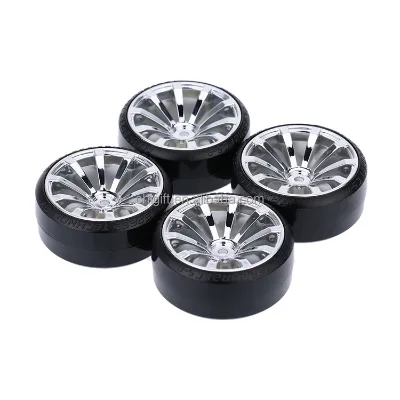
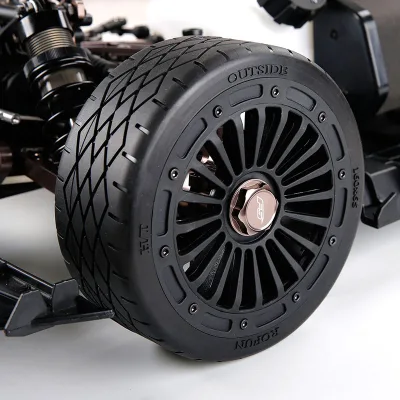


Best Quality ATV Sport Tyre/Tire 18X9.5-8 19X7-8 21X7-10 21X7.00-8 21X7.00-8
$5.66 - $5.88
MOQ: 100 Pieces


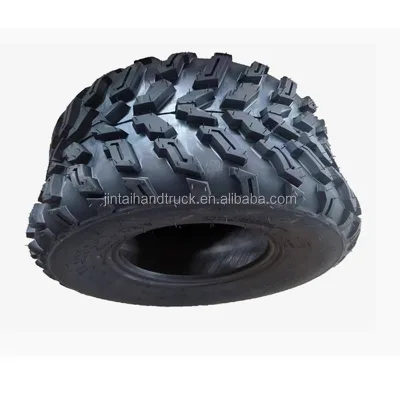


off Road Tyre ATV Tubeless Tire/All Terrain Vehicle Tubeless Tire Farm Wheel
$10.00 - $28.00
MOQ: 300 Pieces

Comprehensive Sourcing Guide
Strategic Sourcing Guide for Off-Road RC Tires
Understanding Product Categories and Technical Specifications
The procurement of off-road RC tires requires a precise understanding of the distinct product categories available in the global market. Based on current supply data, the market is segmented into two primary tiers: miniature components for remote control vehicles and full-scale automotive tires. For buyers specifically targeting the "Offroad RC Tires" keyword, the focus must remain on the miniature sector, which includes products explicitly categorized as "RC Car Parts, wheels" and "rc car wheels and tires set." These items are designed for specific applications in "Vehicles & Remote Control Toys" and are intended for an "Age Range" of "14 Years & up," indicating a target demographic of hobbyists and serious collectors rather than young children.
Technical specifications for these miniature tires vary significantly based on the model number and intended vehicle type. Observed data indicates specific model identifiers such as "AX 601" and "89051," which serve as critical reference points for buyers when requesting quotes. Physical dimensions are paramount; for instance, one observed configuration lists a "Width" of "26mm" and a "Diameter" of "63mm," while another entry specifies a "Size" of "160X65mm." The "Off set" values, ranging from "0" to "9mm," are crucial for ensuring proper fitment on RC chassis axles. The material composition is consistently noted as a combination of "Plastic" and "Rubber," which balances durability with the necessary grip for off-road terrain. Furthermore, the "Tread Pattern" is a defining feature for off-road performance, with "Cross-Country Tread Pattern" being a standard specification for these units. Buyers must verify that the specific tread design matches the terrain they intend to navigate, as the rubber compound and tread depth directly influence traction and wear rates.
Compliance, Certification, and Safety Standards
When sourcing RC tires, compliance and certification checks are often less stringent than for full-scale automotive parts, yet they remain a vital component of due diligence. While some product listings in the broader tire market reference certifications such as "ECE," "CCC," "ISO," "CE," and "DOT," these standards are typically associated with full-scale passenger and light truck tires rather than miniature RC components. For example, specifications for full-scale tires often cite standards like "LT215/85R16" or "LT225/75R16," which are irrelevant to the 63mm diameter RC wheels. However, the presence of "CE" certification in some listings suggests that manufacturers may be adhering to general safety guidelines for toys and consumer goods, particularly regarding material safety and chemical composition.
Buyers should not assume that a product listing includes these certifications unless explicitly stated in the product description. The distinction between "Tubeless" and "With Inner Tube" designs is another critical specification to verify. Some RC tires are designed as "Without Inner Tube," while others may require an inner tube for proper inflation and structural integrity. The "Tire Design" is noted as "Radial Tyre" in some contexts, but for RC applications, this terminology often refers to the construction method of the rubber bead rather than the complex radial ply structure found in automotive tires. To ensure compliance, procurement teams must request specific test reports or material safety data sheets (MSDS) from the supplier, particularly if the tires are intended for export to regions with strict toy safety regulations. The "Quality Warranty" of "100000 Km Under Overload Not More Than 20%" found in some listings is a metric for full-scale tires and should not be applied to RC products; instead, buyers should negotiate warranty terms based on defect rates and replacement policies specific to the miniature scale.
Cost Drivers and Pricing Dynamics
The cost of off-road RC tires is influenced by a complex interplay of factors, including material costs, production volume, and customization requirements. The observed price range for these products spans from $1.2 to $222 USD, a variance that reflects the difference between basic plastic-rubber sets and high-performance, specialized units. The "Selling Units" are often listed as "Single item," but the "Packaging Details" frequently indicate a "4pcs/set" configuration, which can affect the per-unit cost calculation. Buyers must be aware that the "Price" is often listed as "Specific Discuss," indicating that the final cost is subject to negotiation based on order volume and specific customization needs.
A significant cost driver is the "Customization" capability. Suppliers offering "Available" customization for logos, colors, or specific tread patterns will typically charge a premium. The "Brand Name" also plays a role in pricing; established brands like "chigift" or "RV" may command higher prices due to perceived quality and brand recognition. Additionally, the "Supply Ability" of the manufacturer, such as "10000 pieces per Month," influences the unit price. Higher supply capacity often allows for economies of scale, potentially lowering the cost per unit for large orders. However, buyers should also consider the "Single gross weight" of "3.500 kg" for a single package, as this impacts shipping costs. The "Shipping Cost" is noted as "Very Competitive Always," but this is a general statement and should be verified for specific destinations. The "Payment" terms, such as "T/T or L/C," also affect the financial structure of the deal, with Letters of Credit potentially adding administrative costs for smaller orders.
Typical Applications and Usage Scenarios
Off-road RC tires are primarily designed for "Vehicles & Remote Control Toys," serving a niche but dedicated market of enthusiasts. The "Type" is explicitly defined as "RC Car Parts, wheels," indicating their exclusive use in remote-controlled vehicles rather than full-scale automobiles. The "Age Range" of "14 Years & up" suggests that these products are intended for older children and adults who possess the motor skills and understanding required to operate high-speed RC vehicles safely. The "Gender" is listed as "Unisex," confirming that these tires are suitable for all users regardless of gender.
The "Tread Pattern" of "Cross-Country Tread Pattern" is specifically engineered for off-road environments, providing the necessary grip on loose surfaces such as dirt, mud, and gravel. This makes them ideal for RC buggies, trucks, and rock crawlers used in outdoor hobbyist settings. The "Off set" values of "0, 3.6, 9mm" allow for customization of the vehicle's stance and handling characteristics, enabling users to optimize their RC cars for specific track conditions. The "Diameter" of "63mm" and "Width" of "26mm" are standard dimensions for many popular RC chassis, ensuring compatibility with a wide range of models. However, buyers must verify the "Model Number" compatibility, as the "AX 601" and "89051" designations correspond to specific vehicle types. The "Single package size" of "30X30X25 cm" and "Single gross weight" of "3.500 kg" indicate that these are substantial items, likely requiring careful handling during shipping and storage.
Supplier Evaluation and Supply Chain Reliability
Evaluating suppliers for off-road RC tires requires a thorough assessment of their production capacity, location, and logistical capabilities. The "Place of Origin" is consistently identified as "Guangdong, China," a region known for its robust manufacturing ecosystem for toys and RC components. The "Port of dispatch" is listed as "shenzhen," a major logistics hub that facilitates efficient international shipping. Buyers should verify the "Supply Capacity," which is reported as "3000, 000 Sets a Year" for some manufacturers, indicating a high-volume production capability. However, for smaller orders, the "MOQ" (Minimum Order Quantity) can range from "1" to "1000," offering flexibility for different buyer sizes.
The "Workers" count, noted as "Over 2000 People" for some suppliers, suggests a large-scale operation capable of handling significant order volumes. However, buyers should be cautious of inflated claims and request evidence of actual production capacity. The "Delivery" lead time is a critical factor; some suppliers offer "New Tire in Stock, or Aroud Seven Working Days," while others specify "Within 15-20 Days." The "Trial Agent" capacity of "3 * 40hq / Month" indicates the ability to handle large container shipments, which is beneficial for bulk buyers. The "Quotation" validity is typically "30 Days," so buyers should act promptly to secure pricing. The "Packing" is often "According to Your Demand," allowing for customization of packaging to meet specific branding or logistical requirements. Buyers should also verify the "Quality" claims, such as "Japan Technology," by requesting third-party validation or samples to ensure the claimed technology is actually implemented in the product.
Quality Control and Long-Term Procurement Considerations
Ensuring consistent quality in off-road RC tires is essential for maintaining customer satisfaction and minimizing returns. The "Quality" attribute is often highlighted as "Japan Technology," but this is a marketing claim that requires verification. Buyers should implement a robust quality control process that includes sampling, visual inspection, and performance testing. The "Certification" status should be confirmed for each batch, ensuring that the materials used are safe and durable. The "Tire Design" and "Tread Pattern" should be inspected for consistency, as variations can affect the vehicle's handling and performance.
Long-term procurement considerations involve building a sustainable relationship with suppliers who can provide consistent quality and reliable delivery. The "Payment" terms of "T/T or L/C" offer flexibility, but buyers should negotiate terms that protect their interests, such as partial payments upon shipment and final payment upon receipt. The "Customization" availability allows for long-term branding opportunities, but buyers should ensure that the supplier has the capacity to maintain consistent quality across customized batches. The "Spare Tire" status, noted as "Non-Spare Tire" or "Full-size Spare Tire," is less relevant for RC applications but should be clarified to avoid confusion. The "Inner Tube" specification, "Without Inner Tube," should be confirmed to ensure compatibility with the intended RC vehicle. Finally, the "Price" should be discussed in the context of the total cost of ownership, including shipping, taxes, and potential returns, to ensure a profitable procurement strategy.
Comparison of Key Product Attributes
To facilitate informed decision-making, the following table summarizes the key attributes observed in the market for off-road RC tires:
| Attribute | Observed Value / Range | Relevance to Procurement |
|---|---|---|
| Model Number | AX 601, 89051 | Critical for compatibility with specific RC chassis. |
| Diameter | 63mm | Determines fitment on wheels and vehicle clearance. |
| Width | 26mm | Affects traction surface area and vehicle stability. |
| Off Set | 0, 3.6, 9mm | Influences wheel positioning and handling dynamics. |
| Material | Plastic, Rubber | Balances durability with grip and flexibility. |
| Tread Pattern | Cross-Country Tread Pattern | Essential for off-road traction and performance. |
| Packaging | 4pcs/set | Affects per-unit cost and shipping efficiency. |
| MOQ | 1 - 1000 | Determines minimum order volume and flexibility. |
| Lead Time | 7 - 20 Days | Impacts inventory planning and order fulfillment. |
| Origin | Guangdong, China | Indicates manufacturing hub and potential logistics costs. |
| Certification | CE, ISO (Varies) | Ensures compliance with safety and quality standards. |
| Brand | chigift, RV | May influence perceived quality and market positioning. |
This table provides a concise overview of the critical factors buyers must consider when sourcing off-road RC tires. By carefully evaluating these attributes, procurement teams can make informed decisions that align with their specific operational needs and quality standards.
FAQs
What are the typical dimensions for Offroad RC Tires?
Typical dimensions include a width of 26mm and a diameter of 63mm for specific models. Other configurations may feature a size of 160 by 65mm. Buyers must verify the exact model number like AX 601 to ensure fitment on their vehicle chassis.
Which materials are used to manufacture these tires?
These tires are consistently manufactured using a combination of plastic and rubber. This material blend balances durability with the necessary grip required for off-road terrain. The specific compound affects traction and wear rates on loose surfaces.
Can I customize the tread pattern for specific terrain?
Customization is available for logos, colors, and specific tread patterns upon request. A standard cross-country tread pattern is commonly observed for off-road performance. Buyers should confirm specific design requirements with the supplier before placing an order.
What is the minimum order quantity for these tires?
The minimum order quantity ranges from one piece up to one thousand pieces depending on the supplier. Some manufacturers may require a full container load for certain bulk deals. Buyers should check the specific MOQ listed for their desired product model.
How long does delivery take for new stock items?
Delivery for new tires in stock typically takes around seven working days. Some suppliers may require fifteen to twenty days for production or processing. The lead time depends on the specific supplier's current inventory and production capacity.
Where are these Offroad RC Tires manufactured?
These tires are manufactured in Guangdong, China, with dispatch ports in Shenzhen. This region is known for its robust manufacturing ecosystem for toys and RC components. Buyers should verify the place of origin to ensure compliance with import regulations.
Are these tires sold as single items or sets?
Selling units are often listed as single items, but packaging details frequently indicate a four-piece set. This configuration affects the per-unit cost calculation for buyers. Always check the packaging details to understand the total quantity received in one shipment.