Source Oil Free Eyelash Cleaner Brush for Lash Extensions, Makeup, and Brow Grooming
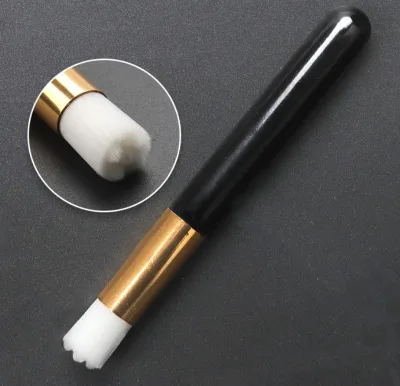
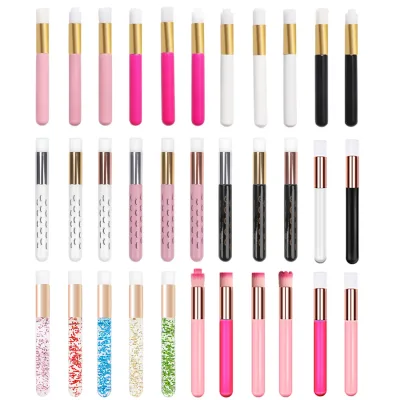
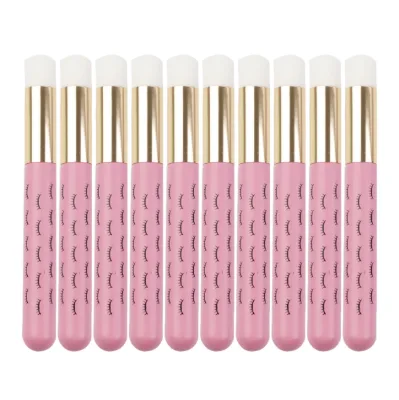
Find and compare 30 Oil Free Eyelash Cleaner Brush options from Chinese manufacturers. Evaluate features like nylon bristles, plastic handles, and eco-friendly materials to select the right tool for lash extensions, makeup application, and brow grooming tasks.
Key considerations
Products List



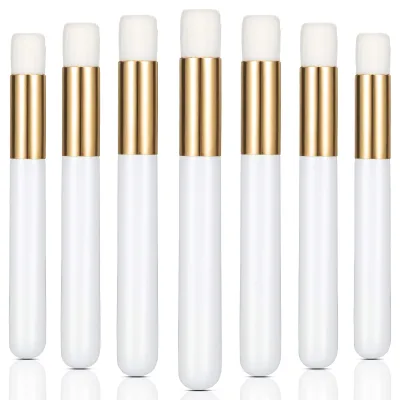
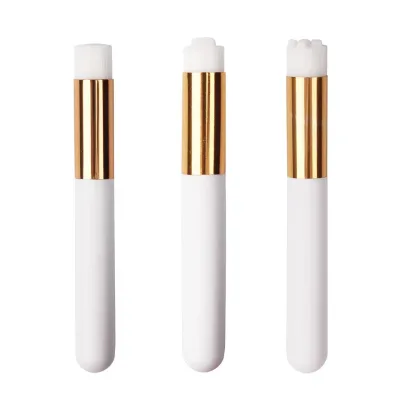


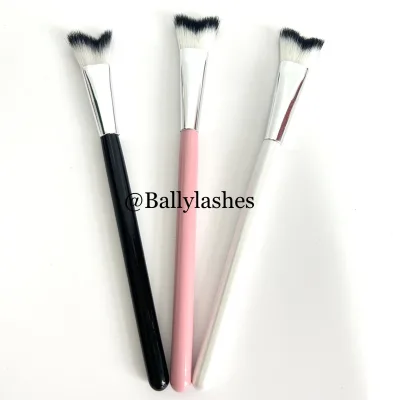
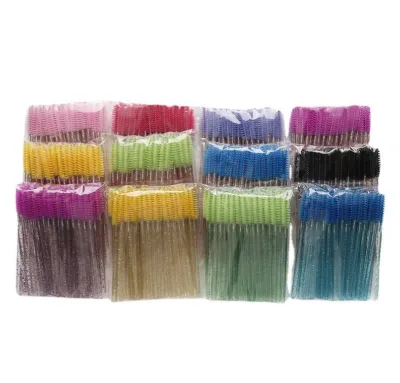


Comprehensive Sourcing Guide
Oil Free Eyelash Cleaner Brush Sourcing Guide
Sourcing oil-free eyelash cleaner brushes requires a nuanced understanding of the intersection between cosmetic hygiene tools and specialized cleaning formulations. While the core keyword emphasizes the "oil-free" nature of the cleaner, the physical brush component serves as the delivery mechanism for this solution, necessitating materials that do not retain residual oils or degrade when exposed to aqueous or alcohol-based solvents. Buyers must distinguish between brushes designed for dry application of mascara and those engineered for the wet application of lash cleansers, as the latter demands higher durability and specific bristle density to ensure effective removal of debris without irritating the eye area. The procurement strategy should focus on verifying that the brush material is compatible with oil-free formulations, ensuring that the synthetic fibers do not absorb the cleaning agent in a way that compromises its efficacy or leads to bacterial growth within the brush handle.
The market for these specialized tools is characterized by a high degree of customization and private labeling, particularly among brands targeting the beauty and personal care sectors. Suppliers often offer OEM services, allowing buyers to tailor the brush head shape, handle ergonomics, and packaging to align with their brand identity. However, this customization introduces complexity in quality control, as variations in mold specifications or material batches can lead to inconsistencies in bristle softness and cleaning performance. Procurement teams must establish clear technical specifications early in the sourcing process to ensure that the final product meets the functional requirements of an oil-free cleaning system, such as rapid drying times and non-shedding bristles, which are critical for maintaining lash health and hygiene.
Product Scope and Observed Listing Signals
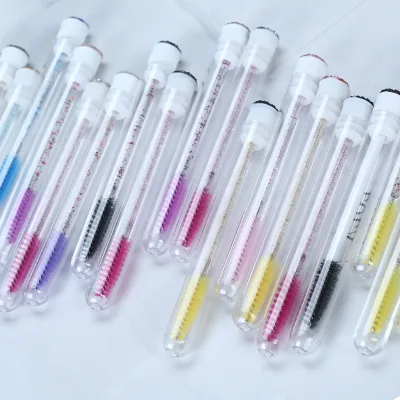
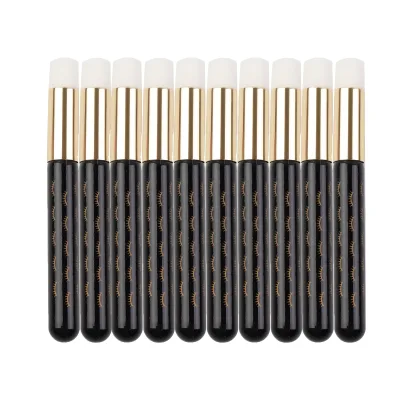
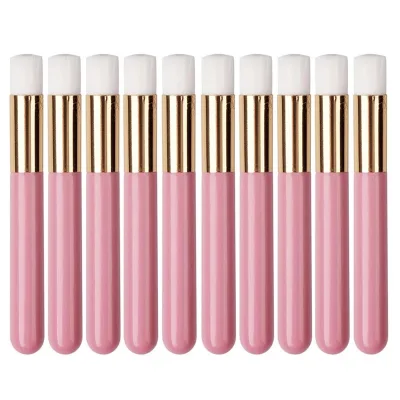
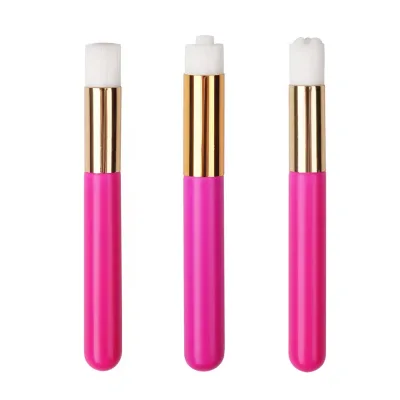
The observed product landscape for eyelash brushes reveals a diverse range of specifications, with materials varying from nylon to synthetic hair and handles constructed from plastic or eco-friendly PP material. Listings frequently highlight attributes such as "high quality," "eco-friendly," and "portable," indicating a market trend toward sustainable and user-friendly designs. The presence of multiple model numbers, such as JMS-16, NCB-101, and MW101, suggests that suppliers offer a variety of brush head configurations, including mascara brush styles and specialized applicators. Buyers should note that while some products are labeled as disposable, others are described as non-disposable, requiring careful selection based on the intended usage frequency and hygiene protocols of the end consumer. The origin of these products is predominantly Hebei, China, which is a known hub for cosmetic tool manufacturing, offering a wide selection of suppliers with varying capabilities in customization and volume production.
Price and minimum order quantity (MOQ) signals indicate a flexible commercial environment, with observed price ranges starting as low as $0.06 and MOQs ranging from 50 to 2000 pieces. This variability allows buyers to scale their orders according to demand, but it also necessitates a thorough evaluation of the total landed cost, including shipping and tariffs. The availability of private labeling and customized logos is widespread, with many suppliers explicitly stating that OEM services are welcomed. This flexibility is advantageous for brands looking to differentiate their products, but it also means that buyers must invest time in validating the quality of custom samples before committing to large orders. The single package size and gross weight data provided in listings can help in calculating logistics costs, ensuring that the final product remains competitive in the retail market.
Technical Specifications to Verify
When evaluating eyelash cleaner brushes, the material composition of the brush head is a critical technical specification to verify. The supplied data indicates that brush heads are typically made from nylon or synthetic hair, while handles are constructed from plastic or eco-friendly PP material. Buyers must confirm that the synthetic fibers are suitable for use with oil-free cleansers, ensuring that they do not degrade or lose their shape when exposed to moisture and cleaning agents. The bristle density and tip finish should be assessed to ensure they are soft enough for delicate eye areas yet effective in removing residue. Additionally, the handle material should be checked for durability and resistance to corrosion, as frequent exposure to water and cleansers can compromise the integrity of lower-quality plastics.
The physical dimensions and packaging specifications are also essential for ensuring product compatibility with retail displays and consumer usage. Listings provide various single package sizes, such as 10x8x9 cm and 15x9x11 cm, and gross weights ranging from 0.06 kg. Buyers should verify that the packaging, often an OPP bag, provides adequate protection for the brush during transit and storage. The shelf life of 2 years mentioned in some listings suggests that the materials are stable over time, but buyers should still request stability testing data to confirm that the brush does not shed or degrade within this period. Furthermore, the customization options for logo and packaging should be clearly defined in the technical agreement to avoid discrepancies between the ordered and delivered products.
Compliance and Safety Documentation
Compliance with safety standards is paramount for products intended for use around the eyes, even if they are classified as cleaning tools rather than direct cosmetic applicators. Buyers should request documentation that verifies the materials used in the brush, including the nylon, synthetic hair, and PP plastic, are free from harmful substances such as phthalates, heavy metals, and formaldehyde. While CE certification is mentioned in the background data, it is not a definitive guarantee of compliance for all markets, and buyers should verify if additional certifications, such as ISO 9001 for quality management or specific cosmetic tool safety standards, are applicable. The "eco-friendly" claims made by some suppliers should be substantiated with relevant environmental certifications or material safety data sheets (MSDS) to ensure that the products meet the sustainability expectations of modern consumers.
Safety documentation should also include information on the product's intended use and any potential risks associated with its application. Since the brushes are designed for eyelash and eyebrow cleaning, buyers must ensure that the product labeling includes clear instructions for use and any necessary warnings, such as avoiding direct contact with the eye itself. The "unisex" and "all ages" attributes suggest a broad target market, but buyers should verify that the product is safe for sensitive skin types, as indicated by the "combination" skin type attribute. Requesting test reports from independent laboratories can provide assurance that the brushes meet the safety requirements of the target markets, reducing the risk of product liability and consumer complaints.
Cost Drivers and Commercial Terms
The cost of oil-free eyelash cleaner brushes is influenced by several factors, including the choice of materials, the level of customization, and the order volume. The use of eco-friendly PP material and high-quality synthetic hair may increase the unit cost compared to standard plastic and nylon alternatives, but these materials can offer better durability and brand perception. Buyers should negotiate pricing based on the total order quantity, as MOQs can vary significantly between suppliers. The observed price range of $0.06 to $4 suggests that there is a wide spectrum of quality and features available, and buyers should align their budget with the desired product specifications. Payment terms such as PayPal, TT, LC, and Western Union are commonly accepted, providing flexibility for international transactions, but buyers should be aware of the associated fees and security implications of each method.
Commercial terms also include lead times and shipping arrangements, which can impact the overall cost and supply chain efficiency. Buyers should clarify the production lead time with the supplier, especially for customized orders, as this can vary based on the complexity of the design and the supplier's current workload. The origin of the products, primarily Hebei, China, may affect shipping costs and transit times, so buyers should consider using freight forwarders to optimize logistics. Additionally, buyers should inquire about the supplier's policy on defective products and returns, ensuring that there is a clear mechanism for addressing quality issues. Understanding these commercial terms is essential for accurate cost forecasting and maintaining a reliable supply chain.
Supplier Qualification and Quality Control
Qualifying suppliers for eyelash cleaner brushes requires a thorough assessment of their manufacturing capabilities and quality control processes. Buyers should verify the supplier's experience in producing cosmetic tools and their ability to meet specific technical requirements, such as bristle density and handle durability. Requesting samples is a critical step in this process, allowing buyers to evaluate the product's quality, packaging, and overall finish. Buyers should also check the supplier's production capacity and lead times to ensure they can meet the demand of the target market. The availability of OEM services and customized logos indicates that the supplier is flexible, but buyers should ensure that the customization process is well-managed to avoid delays or errors.
Quality control measures should be established to ensure consistency in product quality across batches. Buyers should request information on the supplier's QC procedures, including inspection points during production and final random sampling. The "high quality" attribute mentioned in some listings should be backed by concrete QC data, such as defect rates and customer satisfaction metrics. Buyers may also consider hiring third-party inspection services to verify the quality of the products before shipment. Establishing a clear quality agreement with the supplier, including acceptable defect rates and remediation procedures, is essential for maintaining product standards and protecting the brand's reputation.
Long-Term Procurement Checks
Long-term procurement success depends on continuous monitoring of supplier performance and market trends. Buyers should regularly review supplier performance metrics, such as on-time delivery rates, product quality, and responsiveness to issues. Building a strong relationship with the supplier can lead to better pricing, priority production, and access to new product innovations. Buyers should also stay informed about changes in regulations and consumer preferences, particularly regarding sustainability and safety standards. The "eco-friendly" trend in the market suggests that buyers should prioritize suppliers who can provide sustainable materials and packaging solutions.
Regular audits of the supplier's manufacturing facilities can help identify potential risks and ensure compliance with quality and safety standards. Buyers should also consider diversifying their supplier base to mitigate the risk of supply chain disruptions. Monitoring competitor products and market feedback can provide insights into emerging trends and consumer needs, allowing buyers to adjust their product offerings accordingly. By maintaining a proactive approach to supplier management and market analysis, buyers can ensure the long-term success of their oil-free eyelash cleaner brush procurement strategy.
FAQs
What materials are used for the eyelash brush?
The brush features a handle made of eco-friendly PP material and bristles composed of synthetic hair. This combination ensures durability while maintaining an eco-friendly profile suitable for repeated use on lashes and brows.
Can I customize the logo on this product?
Yes, private label and customized logos are acceptable for this eyelash brush. Buyers can request branding options, and the product supports customization services to meet specific business requirements for retail or wholesale distribution.
What is the minimum order quantity for this item?
The minimum order quantity is 50 pieces for this eyelash brush. This MOQ applies to the standard packaging configuration, allowing buyers to start with a manageable batch size for testing or initial stock replenishment.
How is the product packaged for shipment?
Each set is packed individually in an OPP bag. The single package size measures 10x8x9 cm with a gross weight of 0.06 kg, ensuring safe transport while keeping the unit compact for efficient logistics handling.
Where is this eyelash brush manufactured?
The product originates from Hebei, China. This location is the confirmed place of origin for the manufacturing process, ensuring that the goods are produced in a region known for cosmetic tool production.
What is the shelf life of the eyelash brush?
The shelf life is two years from the date of manufacture. This duration ensures the product remains effective and safe for use on eyelashes and eyebrows throughout its intended storage period before opening.