Source Oil Resistant Gold Separator Machine for Mining Plant
Compare 30 Oil Resistant Gold Separator Machine listings from verified Chinese manufacturers. These units support gold ore separation in mining plants with models ranging from STL-20 to STL-100, offering customizable features and energy-saving designs for industrial applications.
Key considerations
Products List


Centrifugal Gold Concentrator Separator Gold Processing Machine for Sale
$3600.00 - $4100.00
MOQ: 1 Pieces
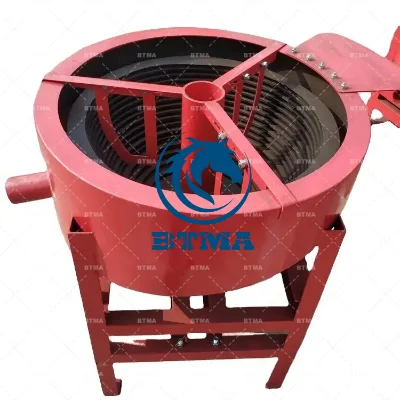


Small-Scale Gold Separator Equipment with Gold-Separation for River-Gold-Mining
$26800.00 - $28800.00
MOQ: 1 Sets


Professional Gold Processing Machinery for Effective Separation Solutions
$13000.00 - $14000.00
MOQ: 1 Pieces

Robust Gold Processing Machine for Efficient Gold Recovery Solutions
$13000.00 - $14000.00
MOQ: 1 Pieces

Fine Gold Processing Machine for Effective Separation Screening Solutions
$13000.00 - $14000.00
MOQ: 1 Pieces

Compact Gold Processing Machine for Effective Screening and Separation
$13000.00 - $14000.00
MOQ: 1 Pieces


Three Disk Magnetic Separator Iron Ore 3 Three Disc Magnetic Separator Machine
$8888.00 - $14300.00
MOQ: 1 Pieces


Gold Concentrate Separating Machine Four Rollers Electrostatic Separator
$7200.00 - $7500.00
MOQ: 1 Sets


Small Capacity 1-5tph Gravity Separator Gold Ore Concentrating Machine
$2999.00 - $16900.00
MOQ: 1 Sets

Comprehensive Sourcing Guide
Strategic Sourcing Guide for Oil Resistant Gold Separator Machines
Understanding the Technical Architecture and Operational Specifications
When sourcing a gold separator machine, particularly one described as oil resistant or designed for complex ore processing, buyers must first dissect the technical architecture to ensure alignment with their specific mining or processing requirements. The core functionality of these machines often relies on gravity separation principles, where centrifugal force is applied to concentrate heavy minerals like gold from lighter gangue materials. The observed product data indicates a variety of models, including the STL series (STL-20 through STL-100) and XJK SF models, which serve as the baseline for different capacity needs.
The feeding size is a critical specification that dictates the upstream preparation required. For the centrifugal concentrators identified in the market, the feeding size typically ranges from 0 to 5mm or 0 to 6mm. This narrow range implies that the ore must be ground to a fine particle size before entering the separator, a factor that influences the overall plant layout and energy consumption. The rotation speed of these units is another vital parameter, with observed specifications indicating a rotational speed between 20 and 22 revolutions per minute. This speed is engineered to generate the necessary centrifugal force to separate gold particles effectively without causing excessive wear on the internal components.
Power requirements are substantial, with motor power specifications reaching up to 22KW for larger models. The voltage requirements vary, with observations of both 220V and 380V configurations, necessitating careful verification against the local power grid infrastructure in the buyer's location. The core components driving these machines include the motor, bearings, shaft, and drain pan. The material composition of the machine itself is predominantly carbon steel, which provides the structural integrity required for heavy-duty mining environments. However, the "oil resistant" attribute often points to specific surface treatments or seal designs on the motor and bearing assemblies to prevent lubricant leakage or external oil contamination from affecting the separation efficiency.
Compliance Verification and Certification Standards
In the global B2B procurement landscape, verifying compliance and certification is not merely a formality but a critical risk mitigation strategy. The supplied data highlights that many of these machines carry CE and ISO9001 certifications. While the text notes these certifications, buyers must treat them as observations rather than guaranteed attributes for every single unit. The presence of "CE" indicates conformity with health, safety, and environmental protection standards for products sold within the European Economic Area, while "ISO9001" suggests the manufacturer operates under a quality management system.
Buyers should explicitly request valid, current certificates from the supplier rather than relying on marketing claims. The certification data provided includes variations such as "CE,ISO9001:Color:Yellow" and "CE,ISO9001:ISO9001:Color:Multi Color," which suggests that certification documentation might be linked to specific product configurations or color codes. It is essential to verify that the specific model being purchased is covered under the issued certificate. Furthermore, the standard production models are listed as STL-60, STL-80, STL-100, and others, with some standards noted as "Customizable" or "according to the model." This variability means that a standard compliance check for one model may not automatically apply to a customized variant.
The origin of the products is consistently listed as China, with specific mentions of Henan as a production hub. While this provides a geographical context, it does not replace the need for independent verification of the manufacturer's quality management system. Buyers should ensure that the ISO9001 certification is issued by an accredited body and is valid for the specific manufacturing site. Additionally, the "Condition: New" attribute is frequently observed, but buyers must confirm that the "New" status refers to the actual manufacturing date and not just the condition of a refurbished unit. The absence of specific third-party test results in the provided data means that buyers should request independent test reports or factory audit results to validate the performance claims, such as high recovery rates, before finalizing the purchase.
Cost Drivers and Pricing Dynamics in the Market
The pricing structure for gold separator machines is influenced by a complex interplay of factors, including model capacity, material specifications, and the level of customization required. The observed price range in the market is vast, spanning from $160 to $50,000 USD. This wide disparity indicates that the cost is not linear but rather tiered based on the machine's capacity, power rating, and the complexity of its engineering solutions. Smaller units, potentially the STL-20 or STL-30 models, likely fall at the lower end of this spectrum, while larger, high-capacity units with advanced motor systems and custom engineering solutions command prices closer to the upper limit.
Material costs play a significant role in the final price. The use of carbon steel as the primary material is standard, but the thickness of the steel, the quality of the bearings, and the type of motor used (AC Motor) will significantly impact the manufacturing cost. The "Energy Saving" attribute mentioned in the product data suggests that some models may incorporate more efficient motor designs or optimized hydraulic systems, which could justify a higher price point due to long-term operational savings. Conversely, basic models without these efficiency features may be priced lower but could incur higher electricity costs over their lifecycle.
Customization is another major cost driver. The data indicates that customization is available and that colors can be customized, with some units listed as "Customerized" or having specific color codes. Custom engineering solutions, such as tailored feeding sizes or specific voltage configurations, often incur additional charges. The "Free" engineering solutions mentioned in the data may refer to the design phase rather than the physical hardware, so buyers should clarify what is included in the "free" service versus what is a paid add-on. Additionally, the "Warranty" period varies, with observations of 1 Year and 2 Years. A longer warranty period often correlates with a higher initial purchase price, reflecting the manufacturer's confidence in the product's durability and their willingness to absorb potential repair costs.
Typical Applications and Operational Contexts
The application scope for these gold separator machines is primarily focused on mining operations, specifically for gold ore separation. The data explicitly lists "Mining Plant" and "Mine" as key application areas, with a specific emphasis on "Gold Ore Separation." The machines are designed to handle feeding sizes of 0-5mm or 0-6mm, making them suitable for processing fine gold particles that are often lost in traditional gravity separation methods. The capacity of these units ranges from 3 to 100 tons per hour (T/H), depending on the model selected. This range allows for scalability, from small-scale artisanal mining operations to large industrial processing plants.
The "Oil Resistant" characteristic is particularly relevant in environments where lubrication systems are exposed to harsh conditions or where external oil contamination is a risk. In such contexts, the machine's ability to maintain separation efficiency despite exposure to oil or other contaminants is crucial. The "High Recovery Rate" and "High Productivity" are cited as key selling points, indicating that these machines are optimized to maximize the extraction of gold from the feed material. The "Heat Resistant" material feature suggests that the machines can operate in high-temperature environments, which is common in certain mining regions or during intensive processing cycles.
Installation and support are also critical aspects of the application context. The data mentions "Provide on-Site Installation Service" and "Free" delivery services, which are significant value-adds for buyers who may lack specialized technical teams. The "Container Transportation" and "Fast Delivery in Africa" notes suggest that these machines are frequently exported to regions with developing mining sectors, where logistics can be a challenge. The "Nude Packing" option for some models indicates that the machines may be shipped without extensive packaging to reduce shipping costs, which requires the buyer to have adequate on-site storage and handling capabilities.
Supplier Evaluation and Vendor Selection Criteria
Selecting the right supplier is a pivotal step in the procurement process, especially when dealing with specialized mining equipment. Buyers should evaluate suppliers based on their ability to provide comprehensive engineering solutions, their track record in delivering customized products, and their commitment to after-sales support. The data indicates that suppliers offer "Free" engineering solutions and "Video Outgoing Inspection," which are strong indicators of transparency and quality assurance. Buyers should verify the authenticity of these video inspections to ensure that the specific unit being purchased matches the specifications and quality standards.
The "Customization" attribute is a key differentiator among suppliers. A supplier that offers extensive customization options, including model selection, color, and specific technical modifications, demonstrates flexibility and a customer-centric approach. However, buyers must balance this flexibility with the supplier's ability to maintain consistent quality across different custom orders. The "Warranty" period is another critical metric; a supplier offering a 2-year warranty may be more confident in their product's longevity compared to one offering only 1 year.
Geographical location and logistics capabilities are also important. The consistent mention of "China" and "Henan" as the origin suggests a concentration of manufacturing hubs in this region. Buyers should assess the supplier's logistics network, particularly their experience with "Container Transportation" and "Fast Delivery in Africa." A supplier with a robust logistics network can reduce lead times and minimize the risk of damage during transit. Additionally, the "Delivery Services: Free" attribute should be scrutinized to understand the scope of the free service, such as whether it includes shipping, insurance, or on-site delivery.
Quality Control and Long-Term Procurement Considerations
Ensuring long-term reliability and performance requires a rigorous approach to quality control and procurement planning. The "Video Outgoing Inspection" provided by suppliers is a valuable tool for buyers to verify the condition and functionality of the machine before it leaves the factory. Buyers should request detailed video footage that covers critical components such as the motor, bearings, and the separation chamber. This visual verification can help identify potential manufacturing defects or assembly issues that might not be apparent from written specifications.
The "Condition: New" attribute is standard, but buyers should ensure that the machine is not a refurbished unit mislabeled as new. The "Warranty" terms should be clearly defined, including what is covered (e.g., motor, bearings) and what is excluded (e.g., wear parts, damage from misuse). The "2 Years" warranty observed in some listings is a strong indicator of quality, but buyers should also check if the warranty includes on-site support or if it is limited to factory repairs.
Long-term procurement considerations also involve the availability of spare parts and the supplier's commitment to ongoing support. The "Core Components" listed, such as the drain pan, motor, bearing, and shaft, should be easily replaceable. Buyers should inquire about the lead time for spare parts and whether the supplier maintains a local inventory or has a reliable shipping network for parts delivery. The "High Recovery Rate" and "High Productivity" claims should be validated through performance data or references from existing customers. Finally, the "Energy Saving" feature should be evaluated in the context of the buyer's energy costs to ensure that the long-term operational savings justify the initial investment.
Comparative Analysis of Model Specifications
To assist buyers in making informed decisions, the following table summarizes the key specifications observed across different models and configurations. This comparison highlights the variability in capacity, power, and features, enabling buyers to match their specific needs with the appropriate machine.
| Feature | Model A (STL Series) | Model B (XJK SF Series) | Model C (Custom/High Capacity) |
|---|---|---|---|
| Primary Application | Gold Ore Separation | Mine Processing | Mining Plant |
| Feeding Size | 0-5mm / 0-6mm | Not Specified | 0-5mm |
| Rotational Speed | 20-22 r/min | Not Specified | Not Specified |
| Motor Power | Up to 22KW | Not Specified | Not Specified |
| Voltage | 220V / 380V | Not Specified | Not Specified |
| Capacity | 3-100 T/H | Not Specified | 3-100 T/H |
| Weight | 100 KG / 2T | Not Specified | Not Specified |
| Warranty | 1 Year / 2 Years | Not Specified | Not Specified |
| Certification | CE, ISO9001 | CE, ISO9001 | CE, ISO9001 |
| Material | Carbon Steel | Carbon Steel | Carbon Steel |
| Key Selling Point | High Recovery Rate | High Productivity | Customizable |
This table illustrates that while the core technology remains consistent across models, the specific parameters such as weight, voltage, and warranty period can vary significantly. Buyers should use this data as a starting point for their technical inquiries, ensuring that they verify the exact specifications of the model they intend to purchase. The "Customizable" nature of the standards and models means that the final configuration may differ from the standard listings, requiring close collaboration with the supplier to define the exact requirements. By carefully analyzing these specifications and cross-referencing them with the buyer's operational needs, procurement teams can select the most suitable gold separator machine for their specific mining or processing application.
FAQs
What certifications do oil resistant gold separator machines have?
These machines typically carry CE and ISO9001 certifications. Buyers must verify that the specific model is covered under the issued certificate rather than relying on general marketing claims.
Which feeding size ranges are supported by these separators?
The feeding size typically ranges from 0 to 5mm or 0 to 6mm. This narrow range implies that ore must be ground to a fine particle size before entering the separator.
Can buyers customize the color and model specifications?
Customization is available for colors and specific technical modifications. Buyers should clarify that free engineering solutions often refer to the design phase rather than the physical hardware.
How long is the warranty period for these units?
Warranty periods vary, with observations of 1 Year and 2 Years. A longer warranty period often correlates with a higher initial purchase price and reflects manufacturer confidence.
What is the typical capacity range for these machines?
Capacity ranges from 3 to 100 tons per hour depending on the model. This allows for scalability from small-scale artisanal mining operations to large industrial processing plants.
Where are these gold separator machines manufactured?
Products are consistently listed as originating from China, with specific mentions of Henan. Buyers should assess the supplier's logistics network for container transportation and delivery services.