Source Oil Resistant FKM O Ring for Machine Car Seal
Compare 30 listings for Oil Resistant FKM O Ring suitable for machine, automotive, and industrial sealing applications. Buyers can review specifications like hardness, temperature range, and customization options from verified Chinese manufacturers.
Key considerations
Products List
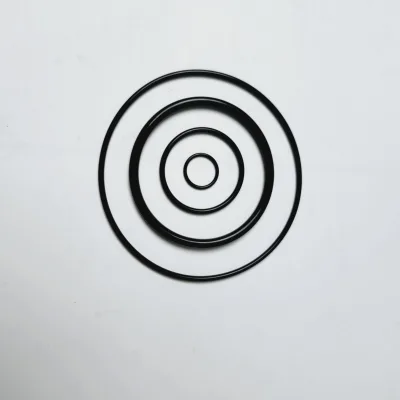


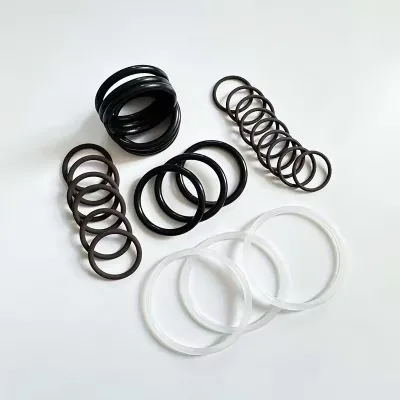
High Temperature Oil Wear Resistant Industrial Sealing Rubber FKM O Ring
$0.08 - $0.36
MOQ: 100 Pieces


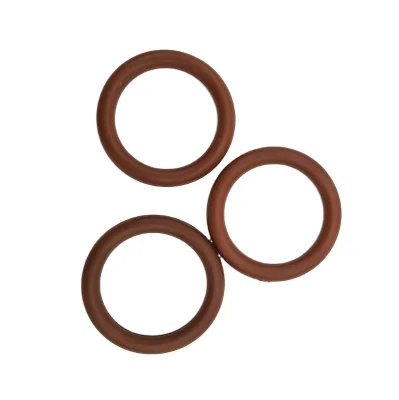
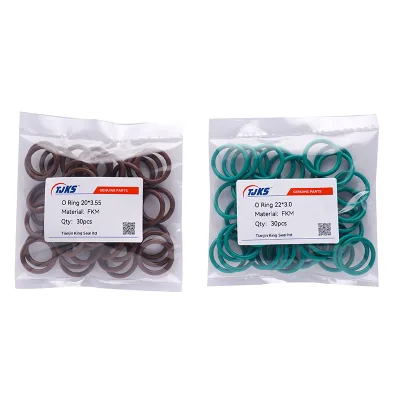
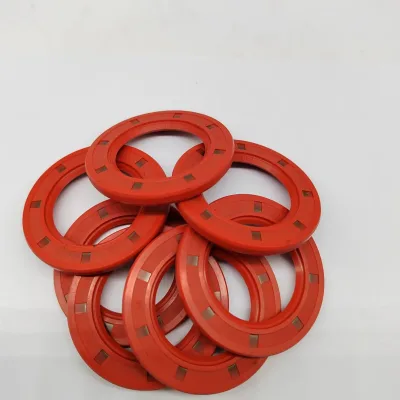




Comprehensive Sourcing Guide
Strategic Sourcing Guide for Oil Resistant FKM O-Rings
Understanding Material Properties and Technical Specifications
When sourcing oil-resistant FKM (Fluoroelastomer) O-rings, the primary objective is to secure components that maintain integrity under aggressive chemical and thermal stress. FKM is widely recognized for its superior resistance to oils, fuels, and high temperatures compared to standard rubber materials. The core technical attributes observed in available market listings indicate that these seals are engineered for stationary and dynamic applications where leakage prevention is critical. The material composition is explicitly identified as FKM, often referred to by the trade name FPM in certain regional standards, ensuring compatibility with a broad spectrum of working media including oil, water, and atmospheric conditions.
The physical performance of these seals is defined by specific hardness and temperature ranges. Buyers should verify that the selected O-ring possesses a hardness rating typically falling between 20 to 90 Shore A, with many high-performance variants clustering around 60-90 Shore A. This range ensures the seal can withstand compression set while maintaining sufficient elasticity to fill gaps under pressure. Thermal performance is equally critical; the operational temperature range for these FKM seals generally spans from -30°C to +240°C, with some specific product lines citing a range of -20°C to +220°C. This wide thermal window allows the O-ring to function effectively in environments subject to extreme heat, such as engine compartments, or moderate cold, provided the lower limit is respected.
Dimensional customization is a significant factor in the procurement of these components. While standard sizes are available, the market data confirms that the size of the O-ring is often customizable to meet specific groove dimensions. The model numbers associated with these products vary, ranging from generic designations like "O ring" to specific codes such as "HQK-S260536," indicating a diverse catalog of available geometries. The single package size for these items is typically compact, often listed around 9x8x3.1 cm, which facilitates efficient shipping and storage. However, the exact dimensions must be confirmed against the specific engineering drawing of the machinery or assembly, as the "Standard Size" designation may not align with non-standard groove requirements.
Compliance, Certification, and Regulatory Standards
In the B2B procurement of industrial sealing components, verifying compliance with international quality and safety standards is non-negotiable. The supply chain for FKM O-rings often involves multiple certifications that validate the manufacturer's quality management systems and the material's safety for specific applications. High-confidence data indicates that suppliers frequently hold ISO 9001 certification, which serves as a baseline for quality management system consistency. For industries with stringent automotive or aerospace requirements, additional certifications such as IATF 16949:2016 are critical. This standard specifically addresses the quality management requirements for the automotive industry, ensuring that the manufacturing process is capable of delivering consistent, defect-free O-rings.
Beyond quality management, material safety and environmental compliance are paramount. The sourcing guide highlights that reputable suppliers provide products certified against RoHS, REACH, PAHs, and FDA regulations. These certifications confirm that the FKM material does not contain restricted substances that could be hazardous to human health or the environment. For applications involving food processing or potable water, FDA compliance is a mandatory verification step. The presence of these certifications suggests that the manufacturer adheres to rigorous testing protocols for chemical migration and toxicity.
It is essential for buyers to distinguish between the product's inherent standard and the certification held by the supplier. While the product standard is often listed simply as "Standard" or "Nonstandard," the underlying manufacturing process must align with industry norms. The material standard FPM is frequently cited, which is the European designation for Fluoroelastomer, synonymous with FKM. Buyers must ensure that the "Standard" designation on the product listing refers to the dimensional tolerances and material properties, not just a generic marketing term. Verification of these certifications should be done by requesting current, valid certificates from the supplier rather than relying solely on the product page description, as certification status can change or be specific to certain production batches.
Cost Drivers and Economic Factors in Procurement
The pricing structure for oil-resistant FKM O-rings is influenced by a complex interplay of material costs, customization requirements, and order volume. The observed market price range for these components is broad, spanning from $0.01 to $12.00 per unit. This variance is not arbitrary but is directly correlated with the complexity of the seal, the volume of the order, and the specific material grade. Lower-priced units typically represent standard sizes with minimal customization, produced in high volumes where economies of scale significantly reduce the per-unit cost. Conversely, the upper end of the price spectrum reflects custom-molded seals, specialized material formulations, or smaller batch sizes that require dedicated tooling and setup.
Minimum Order Quantity (MOQ) is a critical economic factor that impacts the total cost of ownership. The data indicates an MOQ range from 10 to 10,000 units, with specific product listings showing thresholds of 100 or 500 units. For small-scale prototyping or maintenance repairs, buyers may find suppliers with lower MOQs, though the per-unit cost will be higher. For large-scale production runs, negotiating MOQs closer to the higher end of the range can yield significant cost savings. The "Selling Units" are often listed as "Single item," which can be misleading; this usually refers to the packaging unit rather than the transactional minimum. Buyers must clarify whether the price quoted is for a single piece or a batch, as the latter is the standard for B2B transactions.
Production time and lead times also contribute to the overall cost structure. The production time is generally described as "Based on Quantity," implying that larger orders require longer manufacturing windows. Customization, such as specific colors or non-standard dimensions, adds to the lead time and cost due to the need for mold creation or adjustment. The packaging method, whether it is a simple carton box or a more protective inner PE film combined with an outer woven bag, also influences shipping costs. Buyers should factor in the total landed cost, including packaging and logistics, when evaluating the $0.01 to $12 price range, as these ancillary costs can significantly affect the final budget.
Typical Applications and Performance Environments
The versatility of FKM O-rings makes them suitable for a wide array of industrial applications, primarily driven by their oil resistance and high-pressure performance. The primary application sectors identified include machinery and automotive industries. In automotive contexts, these seals are vital for engine components, transmission systems, and fuel lines where exposure to aggressive lubricants and high temperatures is constant. The "Oil Seal" and "Stationary Seal" classifications highlight their dual role in preventing fluid leakage in both moving and static interfaces. The ability to withstand high pressure is a key performance attribute, ensuring that the seal does not extrude or fail under hydraulic or pneumatic loads.
The working medium compatibility is another critical determinant for application suitability. FKM O-rings are engineered to resist degradation when exposed to oil, water, atmosphere, and even direct sunshine. This resistance to UV radiation and atmospheric oxidation makes them ideal for outdoor machinery or equipment exposed to the elements. The specific color options available, ranging from black, white, and green to red, yellow, and blue, often serve as visual indicators for the specific chemical resistance or temperature rating of the seal, though the color itself does not alter the fundamental material properties. For instance, a green or brown seal might be specified for a particular fluid compatibility, but the buyer must verify the specific chemical resistance chart for the intended medium.
Furthermore, the hardness and temperature range dictate the operational envelope. The 60-90 Shore A hardness provides a balance between compression set resistance and flexibility, making these seals suitable for applications requiring repeated compression cycles. The temperature range of -30°C to +240°C allows for use in extreme environments, such as aerospace hydraulic systems or industrial heating equipment. However, buyers must ensure that the specific application does not exceed these limits, as FKM performance can degrade outside the specified thermal window. The "Corrosion" performance attribute suggests resistance to chemical attack, which is essential for handling various industrial fluids beyond simple mineral oils.
Supplier Evaluation and Geographic Considerations
When evaluating potential suppliers for FKM O-rings, geographic origin and manufacturing capabilities are key indicators of reliability. The supply base is concentrated in China, with specific production hubs identified in Hebei, Changzhou, Dongguan, and Shenzhen. These regions are known for their robust manufacturing infrastructure and specialized rubber processing industries. The "Place of Origin" is a critical data point for logistics planning and potential tariff implications. Buyers should verify the specific factory location, as different cities may have different regulatory environments and supply chain efficiencies. For example, Dongguan and Shenzhen are major electronics and precision manufacturing hubs, which may correlate with higher precision in mold making and quality control.
Supplier evaluation should extend beyond location to include their customization capabilities and service offerings. The availability of "Moulding" services indicates that the supplier has the in-house capacity to produce custom geometries, which is essential for non-standard applications. The "Customization: Available" attribute confirms that suppliers are willing to adapt their production to specific buyer requirements, including color, size, and material formulation. However, buyers must assess the supplier's capacity to handle the required MOQ and lead time. A supplier with a low MOQ of 10 units may not be suitable for mass production, while one requiring 10,000 units may be too rigid for smaller projects.
Quality assurance processes are another vital component of supplier evaluation. The presence of certifications like ISO 9001 and IATF 16949 suggests a structured approach to quality control. Buyers should inquire about the supplier's internal testing protocols, particularly regarding hardness, temperature resistance, and chemical compatibility. The "Quality: High Quality" attribute is a common marketing claim, but it must be substantiated by test reports and certification documents. Additionally, the packaging standards, such as "Inner PE Film + Outer Woven Bag/Carton Box," indicate an awareness of product protection during transit, which is crucial for maintaining the integrity of the seals before installation.
Quality Control and Long-Term Procurement Strategy
Implementing a robust quality control (QC) strategy is essential for ensuring the long-term reliability of FKM O-rings. The procurement process should include a verification step where the physical properties of the received goods are tested against the specified parameters. Key QC checks should include dimensional accuracy, hardness verification using a Shore A durometer, and visual inspection for defects such as flash, voids, or discoloration. The hardness range of 20-90 Shore A should be confirmed for every batch, as variations can indicate inconsistencies in the curing process or material mixing.
Long-term procurement considerations involve building a relationship with a supplier who can provide consistent quality over time. The "Production Time: Based on Quantity" attribute suggests that lead times may fluctuate, so buyers should plan for potential delays, especially for custom orders. Establishing a clear communication channel for technical specifications and change management is vital. Buyers should also consider the availability of replacement parts and the supplier's ability to respond to urgent requests. The "Service: Moulding" capability implies that the supplier can adapt to design changes, which is beneficial for product evolution and continuous improvement.
Finally, the total cost of ownership should be evaluated, not just the unit price. High-quality FKM O-rings may have a higher upfront cost but can significantly reduce maintenance expenses and downtime by preventing leaks and failures. The "Oil Resistance" and "High Pressure" performance attributes are critical for minimizing the risk of catastrophic failure in critical systems. By selecting suppliers with verified certifications and a track record of quality, buyers can ensure that their O-ring procurement strategy supports the overall reliability and efficiency of their machinery and operations. The combination of technical expertise, regulatory compliance, and supply chain stability forms the foundation of a successful sourcing strategy for oil-resistant FKM O-rings.
FAQs
What certifications do oil resistant FKM O-ring suppliers hold?
Suppliers typically hold ISO 9001 and IATF 16949:2016 certifications. Additional compliance often includes RoHS, REACH, and FDA standards to ensure material safety for various industrial applications.
How can I customize the size of an oil resistant FKM O-ring?
Customization is available for specific dimensions beyond standard sizes. Buyers can request tailored specifications, though production time will vary based on the quantity and complexity of the custom mold required.
Which temperature range do these FKM O-rings support?
These seals generally operate between -30°C and +240°C. Some specific product lines may support a range of -20°C to +220°C, ensuring performance in extreme thermal environments.
Can I find suppliers with low minimum order quantities?
Yes, suppliers offer Minimum Order Quantities ranging from 10 to 10,000 units. Specific listings show thresholds as low as 100 or 500 units depending on the manufacturer and customization needs.
What materials are used for oil resistant FKM O-rings?
The primary material used is FKM, also known as FPM. This fluoroelastomer provides superior resistance to oils, fuels, and high temperatures compared to standard rubber materials.
Where are the manufacturers of these O-rings located?
Manufacturers are located in various regions of China, including Hebei, Changzhou, Dongguan, and Shenzhen. These hubs offer robust manufacturing infrastructure for rubber processing and sealing components.