Source Omron PLC Rubber Melting Machine for Mixing, Vulcanizing, and Regeneration
Find 30 listings for Omron PLC Rubber Melting Machine designed for mixing, vulcanizing, and regeneration tasks. Compare specifications including automatic grade, power source, and warranty terms from verified suppliers in China.
Key considerations
Products List




China Factory Melting Machine High Quality Chocolate Square Fat Melter
$2800.00 - $3000.00
MOQ: 1 Pieces


Rubber Machine Rubber Internal Mixer Machine Rubber Internal Mixer
$15000.00 - $25000.00
MOQ: 1 Sets
Qingdao Shun Cheong Rubber Machinery Manufacturing Co., Ltd.


Comprehensive Sourcing Guide
Strategic Sourcing Guide for Omron PLC Rubber Melting Machinery
Understanding the Technical Landscape of Rubber Processing Equipment
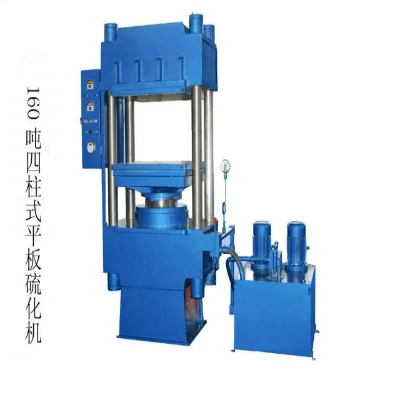
When sourcing rubber melting and mixing machinery, the distinction between general rubber equipment and specialized processing units is critical. The market offers a diverse array of configurations, ranging from open mixing mills to fully automated plate curing stands. For buyers specifically targeting systems integrated with Omron PLCs, the focus must be on the control architecture that governs the mixing, heating, and vulcanization cycles. The presence of an Omron PLC indicates a high level of automation, allowing for precise temperature control, pressure regulation, and cycle timing, which are essential for consistent rubber quality.
The supply chain for these machines reveals several distinct product categories. Buyers may encounter horizontal structures designed for specific vulcanization tasks, such as the XLB-600X600 model, or general rubber machinery like the NHJ-100. It is important to note that while some units are classified as "Automatic Grade," others may be labeled "Semiautomatic," such as the XK-450 open mixing mill. This variation in automation grade directly impacts the operational workflow and the level of human intervention required during the rubber melting process. The core components driving these machines typically include the PLC, bearings, motors, and pressure vessels. When a machine specifies an Omron PLC, it suggests a reliance on a specific brand of industrial controller known for reliability, though the exact integration level must be verified against the specific model's technical datasheet.
Compliance, Certification, and Safety Standards
Navigating the regulatory landscape is a non-negotiable aspect of B2B procurement for industrial machinery. The supplied data indicates that compliance with international standards is a common feature among available rubber processing units. Buyers should expect to see certifications such as ISO and CE prominently displayed on product listings. Specific models, like the XLB-200T, often carry both CE and ISO9001 certifications, ensuring that the manufacturing process adheres to quality management systems and that the equipment meets European safety directives.
However, the verification of these certifications requires diligence. While some listings explicitly mention "CE Certificate" or "SGS" certification, others may only list "CE" without further elaboration. The standard ISO9001 is frequently cited as a baseline for quality assurance, but buyers must confirm that the certification applies to the specific unit being purchased. Furthermore, the mechanical standards vary; for instance, some specifications reference physical dimensions like 350016001600mm or capacity limits such as 35L, which serve as proxy standards for the machine's operational envelope.
Safety is paramount in rubber processing, particularly when dealing with high temperatures and pressure vessels. The core components list often includes pressure vessels, which necessitates rigorous adherence to pressure equipment directives. Buyers should request machinery test reports, which are noted as "Provided" for certain high-end units like the 50T plate curing stand. These reports serve as empirical evidence of the machine's performance under load and are crucial for validating that the Omron PLC and associated safety interlocks function correctly. Without these documents, the risk of non-compliance with local safety regulations increases significantly.
Cost Drivers and Pricing Variables
The financial landscape for rubber melting machinery is characterized by a wide variance in pricing, driven by capacity, automation level, and component quality. The observed market data indicates a price range spanning from $1,000 to $700,000 USD. This expansive range reflects the difference between smaller, semiautomatic units like the XK-450 open mixing mill and large-scale, fully automated systems such as the 50T plate curing stand. The lower end of the spectrum typically corresponds to machines with simpler control systems or smaller capacities, while the upper end encompasses heavy-duty equipment with advanced PLC integration and extensive safety features.
Several factors influence the final cost. The power source is a primary driver; machines utilizing electric, oil, or steam heating methods will have different cost structures. The power consumption, ranging from 10 to 100 kW, directly impacts the electrical infrastructure requirements and the long-term operational expenses. Additionally, the warranty period is a significant cost indicator. Listings show warranty terms varying from 1 year to 5 years. A 5-year warranty on a rubber mixer suggests a higher initial investment but offers greater long-term value and risk mitigation compared to a 1-year warranty on a basic mill.
The packaging and shipping logistics also contribute to the total cost of ownership. Products are shipped in bulk, wooden cases, or according to specific customer needs. The weight of the machinery, which can exceed 3200 kg for certain models or be under 50 tons for larger units, dictates the freight requirements. Buyers must account for these logistical variables when budgeting, as heavy machinery requires specialized handling and transport solutions. The "Minimum Order Quantity" (MOQ) for these industrial units is typically 1, allowing for flexible procurement strategies, but the unit price will fluctuate based on the specific configuration and customization options selected.
Typical Applications and Operational Capabilities
Rubber melting and mixing machinery serves a broad spectrum of industrial applications, from tire manufacturing to general rubber product fabrication. The specific type of machine dictates its suitability for different production lines. For instance, the "Type of General Rubber Machinery" category includes rubber vulcanizers, which are essential for curing rubber compounds. These machines are often used in the production of tires, hoses, and seals, where precise control over the vulcanization process is required to achieve the desired material properties.
The "Type of Tire Machinery" classification highlights the role of these units in rubber regeneration processes. This application is critical for recycling and reprocessing rubber materials, requiring robust machinery capable of handling large volumes of raw material. The XLB series, often associated with plate curing, is frequently utilized for flat rubber products, while the NHJ series may serve broader general machinery needs. The control type, specifically the PLC, enables the machine to manage complex cycles involving heating, pressure application, and cooling, which are vital for maintaining product consistency.
Furthermore, the "Using Life" of these machines is a key consideration for long-term production planning. Data suggests that well-maintained units can have a service life of 15 years or more. This longevity makes them a strategic investment for manufacturers looking to establish stable production lines. The ability to customize the machine, as indicated by the "Customization: Available" attribute, allows buyers to tailor the equipment to specific production requirements, such as adjusting the mold size or integrating specific heating methods like electric, oil, or steam.
Supplier Evaluation and Verification Protocols
Selecting the right supplier is as critical as selecting the machine itself. The sourcing guide emphasizes the importance of verifying the supplier's location and after-sales support capabilities. Most of the observed products originate from Qingdao, China, a major hub for industrial machinery manufacturing. Buyers should confirm the specific origin of the machine, as regional manufacturing clusters often have distinct quality standards and supply chain efficiencies.
The availability of after-sales service is a decisive factor in supplier evaluation. Listings explicitly mention "Overseas third-party support available," which is a crucial feature for international buyers who cannot rely on local service teams. When evaluating a supplier, buyers should inquire about the specific terms of this support, including response times, the availability of spare parts, and the expertise of the technical team. The brand name "chaoguangyue" appears in the data, but buyers should not rely on a single brand name as a proxy for quality. Instead, they should assess the supplier's track record, the comprehensiveness of their warranty (ranging from 1 to 5 years), and their ability to provide machinery test reports.
Transparency in the supply chain is also essential. Buyers should verify the "Automatic Grade" of the machine, ensuring that the level of automation matches their operational needs. A semiautomatic machine may require more manual intervention, while an automatic grade unit offers streamlined production. The "Control Type" should be verified to ensure the PLC is indeed an Omron unit, as specified in the core requirements. Mislabeling or misrepresentation of control systems can lead to compatibility issues with existing factory infrastructure.
Quality Control and Long-Term Procurement Considerations
Ensuring the quality of rubber melting machinery requires a multi-faceted approach to quality control. The presence of core components like PLCs, bearings, and motors is standard, but the quality of these components varies. Buyers should request detailed specifications for these parts, including the brand and model of the motor and the type of bearings used. The "Machinery Test Report" mentioned in the data serves as a vital document for quality assurance, providing evidence that the machine has undergone rigorous testing before shipment.
Long-term procurement considerations extend beyond the initial purchase price. The warranty period is a strong indicator of the manufacturer's confidence in their product. A 5-year warranty on a rubber mixer suggests a commitment to durability and performance, whereas a 1-year warranty may indicate a lower-cost, entry-level product. Buyers should also consider the "Using Life" of the machine, which is estimated at 15 years or more for high-quality units. This longevity impacts the total cost of ownership, as a longer-lasting machine reduces the frequency of capital expenditure.
Customization is another key factor in long-term planning. The "Customized" attribute indicates that suppliers can modify the machine to fit specific production needs. This flexibility is valuable for buyers with unique requirements, such as specific voltage needs (e.g., 380V) or heating methods. However, customization can also introduce complexity in terms of lead times and maintenance. Buyers should ensure that any custom modifications are documented clearly and that the supplier provides adequate training for the maintenance of these specialized features.
Final Procurement Strategy and Risk Mitigation
The procurement of Omron PLC rubber melting machines requires a strategic approach that balances technical specifications, compliance, and cost. Buyers must navigate a market with significant price variability and a wide range of automation levels. By focusing on verified certifications like ISO and CE, requesting machinery test reports, and evaluating the after-sales support capabilities of suppliers, buyers can mitigate the risks associated with industrial equipment procurement.
The decision-making process should prioritize the specific application of the machine, whether it is for tire regeneration, vulcanization, or general mixing. The integration of an Omron PLC is a significant advantage, offering precise control and reliability, but it must be verified against the actual product specifications. Buyers should avoid making assumptions about performance claims and instead rely on the documented facts provided by the supplier.
In conclusion, successful sourcing of rubber melting machinery involves a thorough understanding of the technical landscape, a rigorous verification of compliance and quality, and a strategic evaluation of supplier capabilities. By adhering to these principles, buyers can secure equipment that meets their production needs while ensuring long-term operational efficiency and safety. The wide range of available options, from semiautomatic mills to fully automated curing stands, offers flexibility for various industrial requirements, provided that the selection process is grounded in verified data and sound procurement practices.
FAQs
What certifications do omron plc rubber melting machines typically have?
These machines typically hold ISO and CE certifications. Some listings also specify SGS certification or ISO9001 standards to ensure compliance with international quality and safety directives for industrial rubber processing equipment.
How long is the warranty period for these rubber mixing units?
Warranty periods vary significantly, ranging from 1 year to 5 years depending on the specific model. Higher-end units like rubber mixers often come with a 5-year warranty, while basic mills may offer only 1 year of coverage.
Which control systems are integrated into these rubber processing machines?
The control systems often feature PLCs, with some units explicitly using Omron brand controllers. This automation allows for precise management of heating, pressure, and vulcanization cycles essential for consistent rubber quality.
Can buyers customize the specifications of these rubber melting machines?
Yes, customization is available for many units to meet specific production needs. Buyers can request custom packing, specific voltage requirements like 380V, or tailored heating methods such as electric, oil, or steam.
What is the expected service life of these industrial rubber machines?
Well-maintained units typically have a service life of 15 years or more. This longevity makes them a strategic investment for manufacturers establishing stable production lines for tire or general rubber product fabrication.
Where are these rubber processing machines primarily manufactured?
Most of these machines originate from Qingdao, China, a major hub for industrial machinery. Buyers should verify the specific origin to ensure the product meets regional quality standards and supply chain expectations.
How is the pricing structured for omron plc rubber melting machines?
Prices range widely from 1000 to 700000 USD based on capacity and automation level. Smaller semiautomatic units cost less, while large-scale automated systems with advanced safety features command higher prices.