Source Onboard Charger for Golf Cart, Forklift, and EV
Find 30 Onboard Charger options for golf carts, forklifts, and electric vehicles. Compare specifications like input voltage, output power, and cooling methods from verified suppliers offering customization and warranty support.
Key considerations
Products List


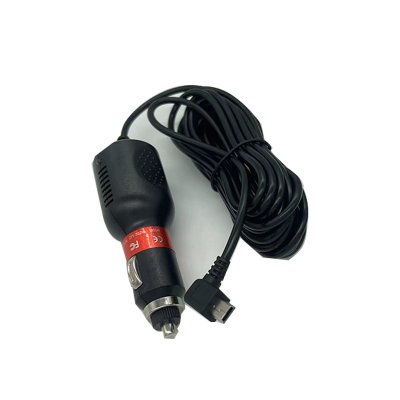


What Is off Board Charger for Electric Vehicle Including Portable Models?
$59.00 - $65.00
MOQ: 50 Pieces


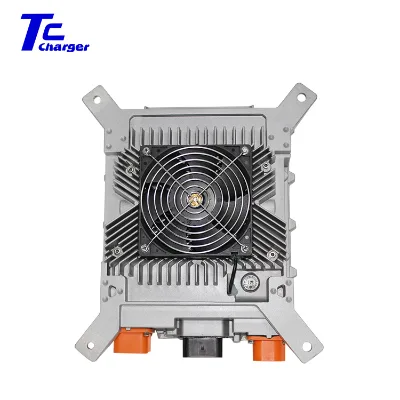
Comprehensive Sourcing Guide
Onboard Charger Sourcing Guide
Sourcing onboard chargers (OBCs) requires a careful balance between electrical performance, physical integration, and regulatory compliance. These devices are critical components in electric mobility ecosystems, serving as the bridge between external AC power sources and the vehicle’s internal battery management system. Buyers must navigate a market where specifications vary significantly based on the target application, whether it be golf carts, forklifts, electric scooters, or full-sized electric vehicles. The procurement process demands rigorous verification of input/output parameters, cooling mechanisms, and control protocols to ensure seamless integration into the final product.
This guide provides a structured approach to evaluating Onboard Charger suppliers based on observed market data and technical realities. It focuses on helping procurement professionals identify key decision points, from verifying efficiency ratings and protection features to understanding commercial terms like MOQs and customization options. By adhering to evidence-based criteria, buyers can mitigate risks associated with component failure, non-compliance, and supply chain disruptions. The following sections detail the essential steps for selecting the right Onboard Charger solution for specific operational needs.
Product Scope and Observed Listing Signals
The Onboard Charger market encompasses a diverse range of products tailored to different vehicle classes and battery chemistries. Observed listings indicate that these chargers are commonly applied to golf carts, forklifts, electric scooters, and motorcycles, with some units specifically designed for broader EV applications. The product names often highlight key features such as "waterproof" or "intelligent" charging capabilities, signaling their suitability for harsh environments or advanced battery management systems. Buyers should note that while the core function remains charging, the form factor and integration method vary, with some units designed for direct onboard installation and others for external use.
Material composition and physical dimensions are critical factors in the selection process. Many observed units utilize aluminum alloy or pure aluminum housings, which provide necessary thermal conductivity and structural durability. Dimensions observed in listings range from compact units measuring approximately 16x3.3 cm to larger assemblies around 375x280x185 mm, reflecting the variance in power output and cooling requirements. Packaging is typically standardized, with options including paper boxes or cartons, though customized packaging is frequently available for OEM clients. Understanding these physical attributes is essential for ensuring the charger fits within the designated space of the vehicle or equipment.
Technical Specifications to Verify
Input and output parameters are the primary technical indicators of an Onboard Charger’s capability. Verified specifications show input voltage ranges spanning AC 90-260V, ensuring compatibility with global power grids, while specific models support 110VAC, 220VAC, and 230VAC inputs. Output capabilities vary significantly, with observed models offering output powers up to 3300W and rated voltages such as 72V or 48V. Maximum output currents, such as 25A, are crucial for determining charging speed and battery compatibility. Buyers must verify that the charger’s output profile matches the specific battery type, whether it is lead-acid, lithium-ion, or LiFePO4, to prevent damage or inefficient charging cycles.
Efficiency and protection features are equally important for long-term reliability and energy savings. High-efficiency models, often rated at 93% or higher under full load, reduce energy waste and heat generation during operation. Protection mechanisms such as short-circuit protection and over-charging safeguards are standard expectations for safe operation. Additionally, cooling methods differ between models, with options including forced air cooling or liquid cooling, which must be selected based on the thermal environment of the installation. Control methods, such as CAN bus control or enable signals, are vital for integrating the charger with the vehicle’s central management system, allowing for precise monitoring and control.
Compliance and Safety Documentation
Regulatory compliance is non-negotiable for onboard chargers, particularly those intended for international markets. Certifications such as CE and RoHS are frequently cited in product listings, indicating adherence to European safety and environmental standards. Buyers must request valid certification documents to verify that the specific model and batch meet these requirements. While standards like UL 2594 and UL 2202 are relevant to EV charging safety, their specific applicability depends on the target market and vehicle classification. Procurement teams should confirm which safety standards are mandatory for their region and ensure the supplier can provide the necessary test reports and certificates.
IP ratings and environmental resilience are critical for chargers used in outdoor or industrial settings. An IP67 rating, observed in some listings, indicates that the unit is dust-tight and protected against immersion in water, making it suitable for harsh conditions. Buyers should verify the IP rating for their specific application, as lower ratings may suffice for indoor use but fail in wet or dusty environments. Additionally, features like waterproofing and recyclable materials contribute to the product’s lifecycle management and regulatory compliance. Ensuring that the charger meets both electrical safety and environmental protection standards is essential for avoiding liability and ensuring operational continuity.
Cost Drivers and Commercial Terms
Pricing for onboard chargers varies widely based on power output, features, and customization levels. Observed price ranges span from approximately $0.77 to $28,000, reflecting the diversity from simple adapters to high-power industrial units. Several factors influence the final cost, including the material quality, such as aluminum alloy construction, and the complexity of the control system, such as CAN bus integration. Higher efficiency ratings and advanced protection features also contribute to increased costs. Buyers should analyze the total cost of ownership, considering energy savings from high-efficiency models against the initial purchase price.
Minimum Order Quantities (MOQs) and customization options are key commercial considerations. MOQs can range from 1 piece to 1000 pieces, offering flexibility for both prototype development and large-scale production. Customization is widely available, including logo printing, packaging design, and specific technical modifications. OEM and ODM services are accepted by many suppliers, allowing for tailored solutions that meet unique vehicle requirements. Buyers should negotiate terms that align with their production volume and budget, ensuring that customization costs do not disproportionately impact the overall project economics.
Supplier Qualification and Quality Control
Evaluating supplier capability is essential for ensuring consistent quality and reliable supply. Buyers should verify the supplier’s production capacity, quality management systems, and after-sales support. The availability of a 24-month warranty and VIP service indicates a commitment to product reliability and customer satisfaction. It is crucial to assess the supplier’s ability to maintain consistent quality across batches, particularly when dealing with high-volume orders. Requesting samples for rigorous testing before placing large orders is a standard practice to validate performance and durability.
Quality control processes should include checks on critical parameters such as output voltage stability, efficiency under load, and protection feature activation. Suppliers should provide detailed test reports and inspection certificates for each batch. Buyers should also evaluate the supplier’s responsiveness to technical queries and their ability to provide timely support during the integration phase. Establishing a clear communication channel with the supplier ensures that any issues are addressed promptly, minimizing downtime and production delays. Building a strong relationship with a qualified supplier enhances supply chain resilience and product quality.
Long-Term Procurement Checks
Continuous monitoring of supplier performance and product lifecycle is vital for long-term success. Buyers should track key performance indicators such as defect rates, delivery times, and warranty claims to assess supplier reliability. Regular audits of the supplier’s quality control processes can help identify potential issues before they impact production. Additionally, staying informed about changes in regulatory standards and technological advancements ensures that the sourced chargers remain compliant and competitive. Proactive engagement with the supplier regarding future product updates or improvements can lead to better integration and performance.
Supply chain diversification is another important consideration for mitigating risk. Relying on a single supplier can expose buyers to disruptions caused by production issues, material shortages, or geopolitical factors. Developing relationships with multiple qualified suppliers provides flexibility and bargaining power. Buyers should also consider the availability of spare parts and technical documentation for long-term maintenance. Ensuring that the supplier can support the product throughout its lifecycle, including end-of-life disposal and recycling, aligns with sustainability goals and regulatory requirements. Regular review of procurement strategies helps maintain a robust and efficient supply chain.
FAQs
What certifications do the onboard chargers have?
The onboard chargers carry CE and RoHS certifications. These standards ensure the products meet specific safety and environmental requirements for international markets, providing assurance of compliance for buyers sourcing these units.
Can I customize the logo on the charger?
Yes, logo customization is available for these products. Buyers can request specific branding on the unit, and the supplier accepts OEM and ODM orders to meet unique corporate identity needs for bulk procurement.
What is the efficiency rating of the charger?
The charger operates with an efficiency of 93 percent or higher under full loading conditions. This high efficiency ensures minimal energy loss during the charging process, making it suitable for cost-effective power management applications.
Which battery types are compatible with this charger?
This charger supports Lead Acid, Lithium, and LiFePO4 battery types. It is designed to handle various electric power needs, making it versatile for applications ranging from golf carts to electric scooters and motorcycles.
What is the minimum order quantity for this product?
The minimum order quantity is one piece for this specific model. This low MOQ allows buyers to test the product quality before committing to larger orders, reducing initial procurement risks for small businesses.
How is the product packaged for shipping?
The product is typically packed in a paper box or carton. Customized packaging options are also available upon request, ensuring the chargers are protected during transit while meeting specific branding or logistical requirements.
What warranty period is provided for the charger?
A 24-month warranty is provided for the Onboard Charger. This coverage protects buyers against manufacturing defects, offering peace of mind and long-term reliability for the purchased equipment in various operational environments.