Source Opel Meriva Astra Alternator for Repair, Replacement, and Upgrades
Find 30 verified listings for the Opel Meriva Astra Alternator to compare specifications and pricing. Buyers can review details on voltage, OE numbers, and warranty terms from multiple suppliers offering new assemblies for automotive electrical systems.
Key considerations
Products List
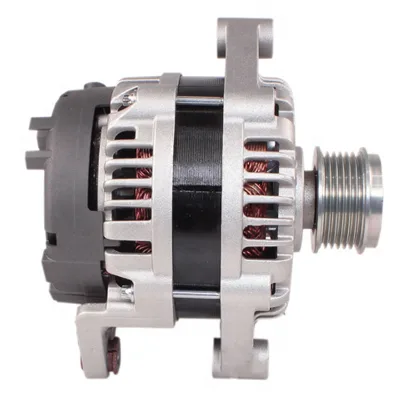
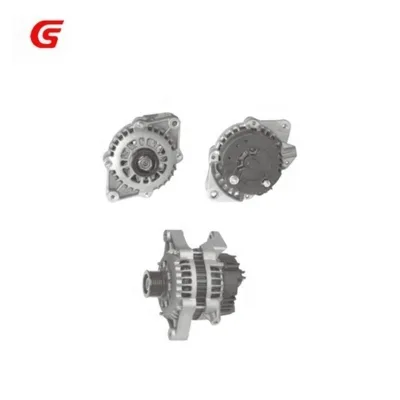


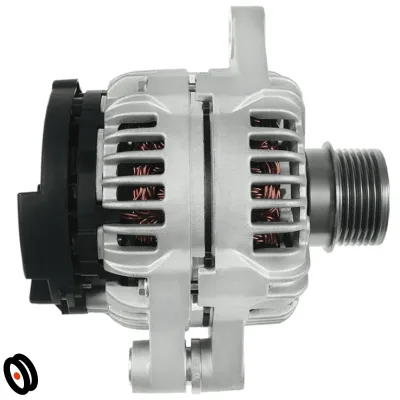
![Alternator for Bosch 0-120-488-192 Opel Astra F 1.8 I [C18nz]](https://image.made-in-china.com/221f0j00wlTqHtdcZsgI/Alternator-for-Bosch-0-120-488-192-Opel-Astra-F-1-8-I-C18nz-.webp)


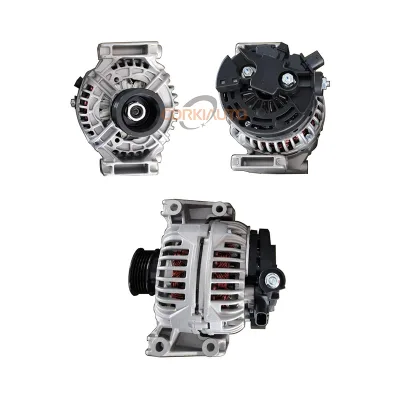
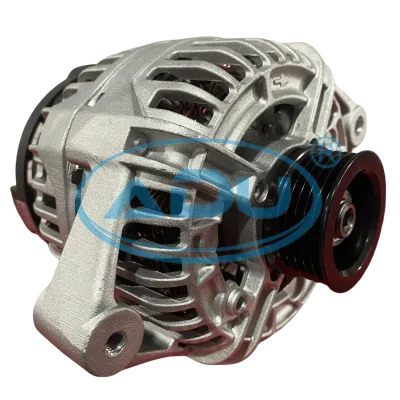
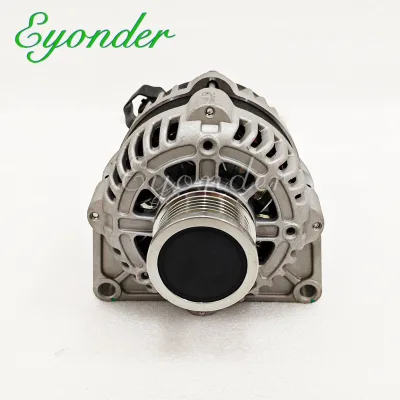
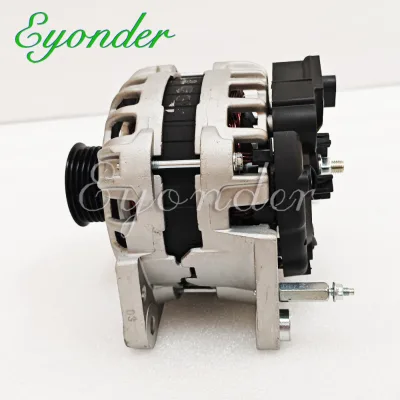
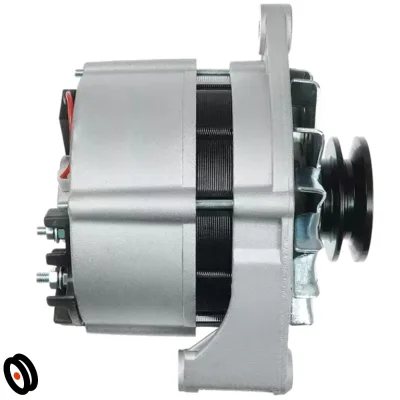
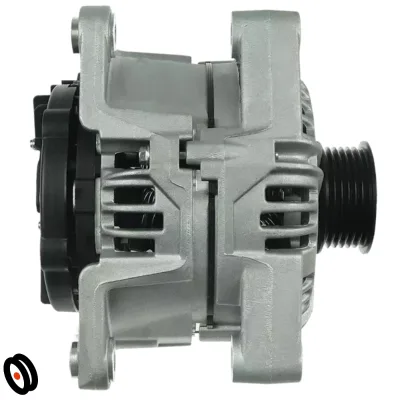
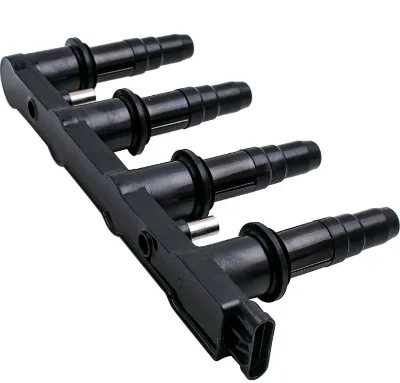
![Vr-D701 12V Alternator Voltage Regulator for Opel Astra F 1.4 I [C14nz] 09.1992-02.1998 1204270](https://image.made-in-china.com/221f0j00RvuCrYtcRGog/Vr-D701-12V-Alternator-Voltage-Regulator-for-Opel-Astra-F-1-4-I-C14nz-09-1992-02-1998-1204270.webp)


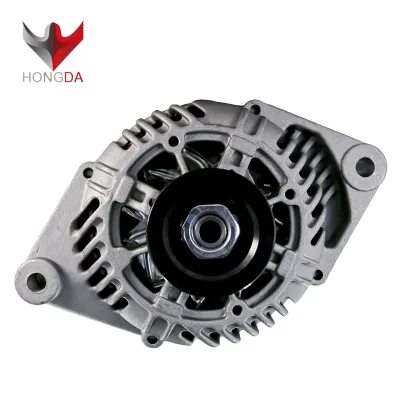
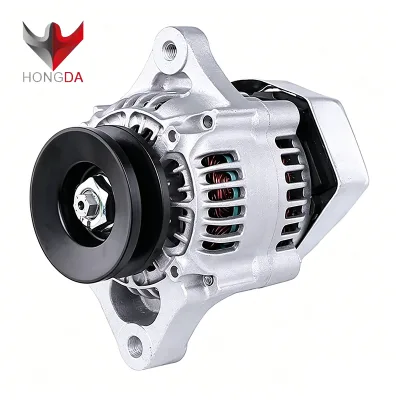


Alternator Regulator for Chevy for FIAT Palio Chevrolet Astra 1.8 2002 Ib231
$24.56 - $25.45
MOQ: 20 Pieces
Comprehensive Sourcing Guide
Strategic Sourcing Guide for Opel Meriva and Astra Alternators
Procuring replacement electrical components for General Motors vehicles, specifically targeting the Opel Meriva and Opel Astra platforms, requires a disciplined approach to technical verification and supplier validation. The automotive aftermarket for these specific models is characterized by a high volume of interchangeable parts, where minor variations in voltage, amperage, or mounting flanges can render a unit incompatible despite similar visual appearances. This guide synthesizes observed market data and technical requirements to assist procurement professionals in identifying suitable alternator assemblies that meet the rigorous demands of the European automotive sector. The focus remains on ensuring that the selected components align with the specific engineering constraints of the 2.0 CDTI and related engine variants found in these vehicles.
Technical Specifications and Voltage Compatibility
The primary technical differentiator when sourcing alternators for Opel Meriva and Astra models is the electrical output specification. Market observations indicate a bifurcation in voltage requirements, with units available in both 12V and 14V configurations. While 12V is the nominal system voltage for most modern passenger vehicles, the internal regulation and output characteristics can vary. Specific product listings highlight a 14V specification for certain assemblies, which is critical for ensuring the charging system operates within the optimal range for the vehicle's battery and electronic control units. Buyers must verify that the voltage output matches the vehicle's design specifications to prevent under-charging or over-charging scenarios that could damage the battery or sensitive electronics.
Furthermore, the amperage rating is a crucial metric for high-load applications. One observed specification for a compatible unit lists a capacity of 120A, which is essential for vehicles equipped with extensive electrical accessories or diesel engines that require robust charging during idling. The physical dimensions of the alternator assembly must also align with the "Standard Size" designation often found in replacement catalogs. However, procurement teams should not rely solely on the term "Standard Size" without cross-referencing the specific model number. The supply chain data reveals multiple model numbers associated with these applications, including 96866018, 9512785, and various internal production codes like 11010138 or 11010173. Each of these identifiers corresponds to a specific mechanical and electrical configuration.
The following table summarizes the key technical attributes observed in the current market for these specific applications:
| Attribute | Observed Specification | Verification Requirement |
|---|---|---|
| Voltage | 12V / 14V | Match vehicle system requirement |
| Amperage | 120A (observed) | Confirm against OEM load requirements |
| Voltage Adjuster | Electronical | Verify compatibility with ECU |
| Mounting Type | Alternator Assembly | Check flange and bolt pattern |
| OE Numbers | 96866018, 9512785, 96988218 | Cross-reference with vehicle VIN |
| Package Size | 35x32x26 cm to 56x40x21 cm | Assess logistics and storage needs |
Compliance, Certification, and Origin Verification
When sourcing automotive electrical components from international markets, particularly from China, verifying the origin and certification status is paramount. The supply chain data indicates that these alternators originate from manufacturing hubs in Shanghai and Zhejiang provinces. While the geographic origin is a logistical fact, the regulatory compliance of the manufacturing facility determines the long-term reliability of the product. Buyers should look for suppliers who can provide documentation for recognized quality management systems. Observed listings mention certifications such as ISO, SGS, and CE. These certifications suggest that the manufacturing processes adhere to international standards for quality control and safety, but buyers must request valid certificates for the specific production batch to ensure authenticity.
Additionally, the export documentation plays a vital role in customs clearance and supply chain transparency. The presence of an "Exporting Certificate: Form" suggests that the supplier is equipped to handle international trade documentation, which is essential for B2B transactions. However, the absence of specific certification details in a general listing should not be assumed to be a universal trait of all available stock. Procurement teams must explicitly request the certification documents for the specific model number being purchased. This due diligence ensures that the alternator meets the safety and environmental standards required for import into European markets, where strict regulations govern automotive parts.
Cost Drivers and Pricing Dynamics
The pricing landscape for Opel Meriva and Astra alternators is influenced by several variables, including the specific model number, the brand name, and the included warranty terms. The observed price range in the market spans from 1 to 120 USD, a wide variance that reflects differences in quality, brand reputation, and technical specifications. Lower-priced units may correspond to generic or reconditioned assemblies, while higher-priced items often represent brand-name new units with extended warranties and comprehensive testing. The brand "ChangHui" and "CORKIAUTO" are noted in the market data, indicating that different manufacturers offer varying levels of value.
Beyond the unit price, the cost structure is heavily impacted by the Minimum Order Quantity (MOQ). The observed MOQ range is between 1 and 50 units. Buyers purchasing single items for immediate repair will face different per-unit economics compared to those placing bulk orders for fleet maintenance or retail inventory. The ability to negotiate MOQs is a key factor in cost optimization. Furthermore, the payment terms, which include T/T with a 30% deposit, Western Union, PayPal, and Trade Assurance, influence the financial risk and cash flow management for the buyer. Trade Assurance, in particular, offers a layer of protection for the buyer, ensuring that funds are released only upon satisfactory delivery, which can be a significant cost driver in terms of transaction security.
Typical Applications and Vehicle Compatibility
The application of these alternators is strictly defined by the vehicle model and engine type. The core keyword targets the Opel Meriva and Opel Astra, but the compatibility extends to specific engine variants. Data points confirm that these alternators are designed for the Opel Antara 2.0 CDTI, as well as the Astra and Meriva models. The "Purpose" of these units is explicitly stated as "for replace/repair," indicating they are direct replacements for failed OEM components. The OE numbers provided, such as 96866018 and 9512785, serve as the definitive link between the aftermarket part and the original equipment manufacturer's design.
It is critical to understand that "Standard Size" does not guarantee universal fitment across all years of the Meriva or Astra. The mechanical mounting points, pulley types, and electrical connector configurations can vary between model years. The supply chain data lists multiple model numbers (e.g., 11010108, 11010581, 11010778), which suggests that a single supplier may offer a range of variants to cover different production runs. Buyers must match the specific OE number of their vehicle's existing alternator with the replacement part to ensure compatibility. The "Type" is consistently listed as "Alternator Assembly," implying that the unit includes the housing, rotor, stator, and voltage regulator as a complete unit, which simplifies the installation process but requires precise matching of the assembly specifications.
Supplier Evaluation and Quality Assurance
Evaluating a supplier for automotive alternators requires a focus on their quality control processes and production capabilities. The market data highlights that the condition of the products is "100% Brand-new" or "New," and the quality is described as "100% Tested." These are strong indicators of a rigorous manufacturing process, but buyers should verify the testing protocols. The "100% Tested" claim implies that every unit undergoes functional testing before packaging, which is essential for reducing the risk of field failures. However, the specific parameters of this testing (e.g., load testing, voltage ripple analysis) should be confirmed with the supplier.
The packaging details also offer insights into the supplier's professionalism. Listings mention "Neutral Packing" or "Cartons" with specific dimensions, such as 56x40x21 cm or 35x32x26 cm. The use of neutral packing can be beneficial for buyers who wish to rebrand the product, but it requires that the internal packaging is robust enough to prevent damage during transit. The single gross weight of 4.000 kg is a critical data point for logistics planning and freight cost estimation. Suppliers with a high supply ability, such as 10,000 pieces per day, demonstrate the capacity to handle large orders, but buyers should also assess their ability to maintain quality consistency during high-volume production runs.
Long-Term Procurement and Warranty Considerations
For sustainable procurement strategies, the warranty terms and customization options are vital. The observed warranty period is 12 months, which is a standard benchmark for aftermarket automotive parts. This warranty period provides a safety net for buyers against manufacturing defects, but it is crucial to understand the terms of the claim process. Does the warranty cover labor costs, or is it limited to the replacement of the part itself? The availability of customization suggests that suppliers may be willing to adapt packaging or labeling to meet specific buyer requirements, which can be advantageous for private label arrangements.
The payment terms, including T/T, Western Union, and PayPal, offer flexibility but also carry varying levels of risk. For long-term partnerships, establishing a T/T agreement with a 30% deposit and balance upon shipment is common, but the inclusion of Trade Assurance provides an additional layer of security. Buyers should also consider the lead time implications of the shipping methods available, such as FedEx, DHL, EMS, UPS, TNT, sea, or air freight. The choice of shipping method will impact the total cost of ownership and the speed of replenishment. Ultimately, the goal is to establish a relationship with a supplier who can consistently deliver high-quality, tested alternators that meet the specific technical and compliance needs of the Opel Meriva and Astra markets.
FAQs
What voltage options are available for these alternators?
Available units come in both 12V and 14V configurations. Buyers must verify the specific voltage requirement of their vehicle to ensure compatibility with the battery and electronic control units.
Which OE numbers correspond to these replacement parts?
Common OE numbers include 96866018, 9512785, and 96988218. These identifiers link the aftermarket part directly to the original equipment manufacturer design for Opel Antara, Astra, and Meriva models.
Can I find alternators with ISO or CE certifications?
Yes, some listings mention ISO, SGS, and CE certifications. Buyers should explicitly request valid certificates for the specific production batch to ensure authenticity and compliance with safety standards.
What is the typical warranty period for these units?
The observed warranty period is 12 months for brand-new units. This coverage protects against manufacturing defects, though specific claim terms regarding labor costs may vary by supplier.
How does the minimum order quantity affect pricing?
MOQs range from 1 to 50 units depending on the supplier. Purchasing single items for immediate repair faces different economics compared to bulk orders for fleet maintenance or retail inventory.
Where are these alternators typically manufactured?
Products originate from manufacturing hubs in Shanghai and Zhejiang provinces in China. This geographic origin is a logistical fact that influences shipping times and customs documentation requirements.