Source Open 2-Wheel Electric City Bike for Commuting, Delivery, and Leisure
Find 30 open 2-wheel electric city bike models with varying speeds, battery capacities, and frame materials. Buyers can compare specifications like motor wattage, folding capabilities, and braking systems to select the right unit for urban transport or light cargo needs.
Key considerations
Products List


electric Bike Electric Bicycle City Electric Bikes for Adults Two Wheels
$99.00 - $170.00
MOQ: 10 Pieces


$150.00
MOQ: 1 Pieces


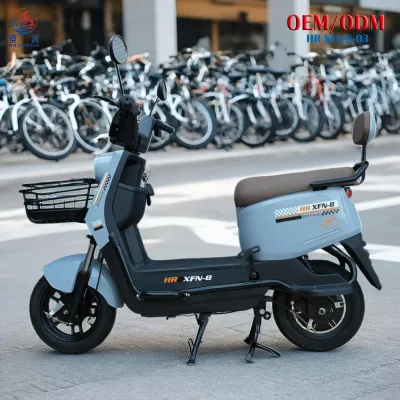


Electric Bicycle 2 Wheel Open Ebike 3000W Motor City Ebike Food Delivery Bicycle
$1520.00 - $1530.00
MOQ: 26 Pieces
Comprehensive Sourcing Guide
Strategic Sourcing Guide for Open 2-Wheel Electric City Bikes
The global shift toward sustainable urban mobility has elevated the open 2-wheel electric city bike from a niche novelty to a critical component of modern logistics and personal transport. For B2B procurement professionals, sourcing these vehicles requires a disciplined approach that balances technical performance, regulatory compliance, and supply chain reliability. This guide synthesizes observed market data and verified product attributes to provide a framework for evaluating potential suppliers and selecting the right electric mobility solutions. The focus remains on evidence-based criteria, ensuring that procurement decisions are grounded in verifiable specifications rather than marketing assertions.
Technical Architecture and Performance Specifications
When evaluating the core technical architecture of an electric city bike, buyers must scrutinize the interaction between the motor, battery, and frame. The observed market data indicates a diversity in performance profiles, ranging from compact urban commuters to higher-speed models. A critical observation is the variance in maximum speed capabilities. Some units in the current supply pool are rated with a maximum speed exceeding 60 km/h, while others operate within a 20-40 km/h range, and specific models are listed with speeds between 35-45 km/h. This discrepancy necessitates a clear definition of the intended use case before engaging with suppliers. For standard city commuting, a speed range of 35-45 km/h often aligns with local traffic regulations, whereas higher-speed variants may require specific licensing or are intended for private facility use.
The propulsion system typically utilizes a brushless motor, with wattage ratings commonly falling between 351 and 500 Watts. Specific listings highlight optional motor configurations of 400W or 500W brushless units, which directly influence torque and acceleration. The energy storage system is equally critical, with 48V battery voltage being a prevalent standard. Buyers should verify the battery chemistry, as observed listings distinguish between Lithium Batteries and generic Storage Batteries. Capacity variations exist, with some configurations offering 48V12Ah or 48V20Ah options, directly impacting the range per power. Observed range figures vary significantly, with some units claiming over 60 km per charge, while others fall within the 31-60 km bracket. Charging times are also a variable, with observed ranges spanning from 3 to 8 hours, a factor that impacts fleet turnover rates.
The physical construction relies heavily on the frame material. The data shows a split between Carbon Steel and general Steel frames. The frame weight without the battery is observed to be approximately 30 kg, which is a substantial figure for a foldable unit. Folding mechanisms are a key feature for city bikes, with observed states including both "Folded" and "Unfolded" configurations, suggesting that the folding capability is a standard attribute but the state of the unit upon delivery may vary. The wheel size is consistently observed at 14 inches, paired with tire specifications of 14*250. This wheel size offers a balance between maneuverability in tight urban spaces and ride stability.
Regulatory Compliance and Certification Verification
Navigating the regulatory landscape is perhaps the most complex aspect of sourcing electric mobility devices. The market data presents a wide array of certifications, ranging from CE to COC, EPA, CQC, ISO, and ENEEC. However, the presence of these certifications in a product listing does not guarantee universal compliance for all models or regions. Buyers must treat these as observations of specific listings rather than blanket guarantees for the entire category. For instance, while CE is a frequent observation, the specific standard referenced in background knowledge, such as EN15194 or EN 17860, should be verified against the actual product documentation provided by the supplier.
The distinction between different certification bodies is vital. CQC is specific to the Chinese market, while EPA and ENEEC may relate to specific regional or environmental standards. ISO certification indicates a quality management system but does not inherently certify the product's safety or performance. Buyers should request the specific test reports associated with each certification claim. For example, if a supplier claims a maximum speed of over 60 km/h, the certification must align with the legal limits of the destination market, as many jurisdictions cap electric bike speeds at 25 km/h or 45 km/h. The "COC" (Certificate of Conformity) is particularly important for export, as it often serves as the primary document for customs clearance.
Furthermore, the "Open" nature of the bike implies a specific design philosophy that may interact differently with safety standards compared to enclosed vehicles. Buyers must verify that the braking systems, whether Disc or Drum brakes as observed in the data, meet the stopping distance requirements of the target market. The digital display panels, often featuring speed readouts, must also be calibrated to reflect the actual legal speed limits if the vehicle is intended for public road use. Relying on the "Custom" branding or "Electric Bike" keywords without verifying the underlying certification documents can lead to significant compliance risks.
Cost Drivers and Economic Factors
The pricing structure for open 2-wheel electric city bikes is influenced by a complex interplay of components, customization, and logistics. The observed price range in the market spans from $74 to $1,530 USD, a variance that reflects differences in battery capacity, motor power, frame material, and included accessories. The lower end of this spectrum likely corresponds to basic models with smaller batteries (e.g., 12Ah) and simpler braking systems, while the higher end likely includes premium features such as larger 20Ah batteries, advanced digital displays, and robust carbon steel frames.
Minimum Order Quantity (MOQ) is another significant economic factor. The observed MOQ ranges from 1 to 200 units. This flexibility allows buyers to test the market with small orders or commit to larger volumes for better unit economics. However, the cost per unit often decreases as the order volume increases, particularly when factoring in the customization options. The data indicates that customization is available for color, logo, and packing. These customizations, while adding value, can impact the final price and lead time. Buyers should negotiate based on the specific customization requirements, as standard colors and packaging are typically more cost-effective.
Logistics costs are heavily influenced by the physical dimensions and weight of the product. The observed packing size is approximately 1203060 cm, and the weight without the battery is around 30 kg. The loading capacity of the units is listed as 200 kg, but the shipping weight of the product itself is a critical metric for freight calculations. The origin of the products, primarily Linyi, Shandong, China, provides a specific logistical baseline. Buyers must account for the lead time associated with production and shipping from this region. The "Cartons" or "Carton Packaging" mentioned in the data suggests standard export packaging, but the robustness of this packaging must be verified to prevent damage during transit, especially given the 30 kg weight of the frame.
Typical Applications and Use Cases
The versatility of the open 2-wheel electric city bike allows for a wide range of applications, from personal commuting to commercial logistics. The observed specifications, such as the 14-inch wheels and folding capability, make these vehicles ideal for "last-mile" delivery services where maneuverability in dense urban environments is paramount. The loading capacity of up to 200 kg suggests that these bikes can be equipped with cargo racks or modified for carrying goods, making them suitable for small business logistics.
For personal use, the range of 31-60 km per charge covers the average daily commute for many urban residents. The digital display with speed readout provides the necessary feedback for riders to monitor their progress and battery status. The LED lens lights enhance visibility and safety for night riding, a common requirement for city commuters. The customization options for color and logo allow businesses to brand their fleets, turning the bikes into mobile advertising platforms.
However, the high-speed variants, with speeds exceeding 60 km/h, may be better suited for private campuses, large industrial parks, or recreational use where public road regulations do not apply. The "City Bike" classification in the data suggests a primary focus on urban environments, but the specific speed and power ratings must be matched to the intended operational context. Buyers should assess whether the vehicle's speed and range align with the specific routes and operational demands of their organization.
Supplier Evaluation and Quality Assurance
Evaluating suppliers requires a rigorous assessment of their ability to deliver consistent quality and meet technical specifications. The data shows that the product origin is primarily Linyi, Shandong, China, a region known for its manufacturing capabilities. However, the presence of a location does not guarantee quality. Buyers should verify the supplier's production capacity, quality control processes, and after-sales support. The "Custom" branding and "Accept OEM" attributes indicate that many suppliers are capable of white-labeling, but the quality of the underlying product must be validated.
Quality control should focus on the critical components identified in the technical section: the motor, battery, and frame. Buyers should request samples to test the actual speed, range, and charging time against the claimed specifications. The variance in observed speeds (20-40 km/h vs. >60 km/h) highlights the need for precise verification. Additionally, the braking system, whether disc or drum, should be tested for reliability and stopping distance. The folding mechanism should be tested for durability, as repeated folding and unfolding can lead to wear and tear.
The supplier's ability to handle customization is also a key evaluation metric. The data indicates that color, logo, and packing are customizable. Buyers should assess the supplier's flexibility in meeting specific branding requirements and their ability to maintain quality during the customization process. The lead time for customized orders should be clearly defined, as this can impact the overall procurement timeline.
Long-Term Procurement and Lifecycle Management
Long-term procurement considerations extend beyond the initial purchase price to include maintenance, spare parts availability, and end-of-life management. The lithium battery, a critical component, has a finite lifespan and requires specific disposal protocols. Buyers should inquire about the battery warranty and the supplier's policy on battery replacement. The charging time of 3-8 hours suggests that fleet management systems may need to account for charging schedules to ensure continuous operation.
The frame material, whether carbon steel or general steel, will influence the longevity of the bike. Buyers should assess the corrosion resistance and structural integrity of the frame, especially if the bikes will be used in harsh weather conditions. The 14-inch wheels and tires should be evaluated for availability of replacement parts, as worn tires can compromise safety and performance.
Finally, the regulatory environment is subject to change. As governments update their standards for electric mobility, the compliance status of the purchased units may become outdated. Buyers should maintain a relationship with suppliers who can provide updated certification documents and adapt their products to meet new regulations. The "Open" nature of the bike may also require future modifications to meet evolving safety standards. By planning for these long-term factors, buyers can ensure a sustainable and compliant procurement strategy.
Comparative Analysis of Key Specifications
To facilitate decision-making, the following table summarizes the key technical and logistical attributes observed in the market data. This comparison highlights the diversity of options available and the critical variables that buyers must consider.
| Attribute | Observed Range / Options | Critical Consideration |
|---|---|---|
| Max Speed | 20-40 km/h, 35-45 km/h, >60 km/h | Must align with local traffic laws and intended use. |
| Motor Power | 351-500W (Optional 400W/500W) | Higher wattage offers better acceleration and hill climbing. |
| Battery Voltage | 48V | Standard voltage; check capacity (12Ah vs 20Ah) for range. |
| Range per Charge | 31-60 km, >60 km | Verify real-world range under load and terrain conditions. |
| Frame Material | Carbon Steel, Steel | Affects weight (approx. 30kg) and durability. |
| Wheel Size | 14" | Compact size for urban maneuverability; check tire availability. |
| Braking System | Disc Brake, Drum Brake | Disc offers better stopping power; Drum is lower cost. |
| Folded State | Folded, Unfolded | Verify if unit arrives folded for easier shipping/storage. |
| Certifications | CE, COC, EPA, CQC, ISO, ENEEC | Verify specific standard compliance for target market. |
| Packing Size | 1203060 cm | Critical for calculating shipping volume and freight costs. |
| Origin | Linyi, Shandong, China | Establish baseline for lead time and logistics. |
This comparative analysis underscores the importance of matching specific product attributes to the buyer's unique requirements. By carefully evaluating these variables, procurement professionals can make informed decisions that balance cost, performance, and compliance.
FAQs
What is the maximum speed of these bikes?
Maximum speeds vary by model, ranging from 20-40 km/h to over 60 km/h. Some specific listings indicate speeds between 35-45 km/h, so buyers must verify the exact rating for their intended use case.
Which certifications are available for these units?
Certifications observed include CE, COC, EPA, CQC, ISO, and ENEEC. Buyers should request specific test reports for each claim, as these documents vary by model and do not guarantee universal compliance for all listings.
Can the bikes be customized for branding?
Yes, customization is available for color, logo, and packing. Suppliers accept OEM requests, allowing businesses to brand their fleets, though this may impact the final unit price and production lead time.
What is the battery capacity and range per charge?
Battery options include 48V12Ah or 48V20Ah configurations. Observed range figures vary significantly, with some units claiming over 60 km per charge while others fall within the 31-60 km bracket depending on usage.
How much weight can the bike frame support?
Loading capacities are listed as 180 kg or 200 kg depending on the specific model. The frame weight without the battery is approximately 30 kg, constructed from either carbon steel or general steel materials.
What is the minimum order quantity for these bikes?
The minimum order quantity ranges from 1 to 200 units. This flexibility allows buyers to test the market with small orders or commit to larger volumes for better unit economics and customization options.