Source Open Cell Fireproof Filter Foam for Air Liquid Solid Filtration
Compare 30 listings for Open Cell Fireproof Filter Foam suitable for air, liquid, and solid filtration applications. Buyers can evaluate specifications including thickness, density, and customization options from verified Chinese manufacturers.
Key considerations
Products List


Closed Cell CR Rubber Foam with Perfect Fire-Proof for Electrical Equipment
$1.00 - $3.00
MOQ: 20 Pieces


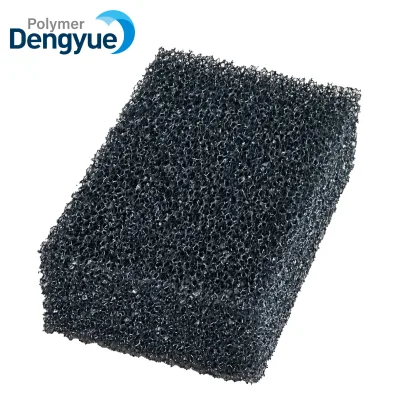
Open Cell Structure Good Water Permeability Not Easy to Tear Filter Foam
$0.36 - $0.66
MOQ: 500 Minimum


Comprehensive Sourcing Guide
Strategic Sourcing Guide for Open Cell Fireproof Filter Foam
Procuring Open Cell Fireproof Filter Foam requires a disciplined approach that balances technical performance with supply chain reliability. The market for reticulated sponge filters is diverse, ranging from simple air filtration components to complex liquid and solid separation systems. Buyers must navigate a landscape where material composition, structural density, and fire resistance properties vary significantly between suppliers. This guide outlines the critical factors for evaluating potential vendors, ensuring that the selected products meet rigorous operational standards without relying on unverified claims. The following sections detail the technical specifications, compliance verification, cost structures, and quality assurance protocols necessary for a successful procurement cycle.
Technical Specifications and Material Composition
The foundation of any successful sourcing decision lies in a precise understanding of the product's physical and chemical attributes. For Open Cell Fireproof Filter Foam, the primary material is often polyurethane, though some listings indicate polyethylene or polyester variants. The distinction is critical because the raw material dictates the foam's chemical resistance, thermal stability, and filtration efficiency. A key observation in the current market is the prevalence of "open cell" structures, which facilitate the flow of fluids and gases while trapping particulates. This structure is often described as a "single network" or "single layer," which simplifies the flow dynamics but requires careful selection of pore size.
One of the most vital technical parameters is the aperture, frequently measured in pores per inch (ppi). Data from available product listings suggests a range of 10 to 80 ppi, with specific models citing 10-60 ppi or 25 ppi as standard configurations. The aperture size directly influences the filtration efficiency; finer apertures capture smaller particles but may increase pressure drop, while coarser apertures allow for higher flow rates with lower resistance. Buyers must verify the specific ppi requirement for their application, as a mismatch can lead to premature clogging or insufficient filtration.
Thickness is another variable that demands strict adherence to project specifications. While some standard products list a thickness of 77mm, other entries indicate a highly customizable range from 3mm to 750mm. This wide variance highlights the importance of defining the exact dimensional requirements before engaging with suppliers. The density of the foam is equally significant, with observed values around 20kg/m³ or 20kg/Cbm. Density affects the mechanical strength and the ability of the foam to withstand high-velocity fluid streams without collapsing. Additionally, the color of the foam, which can range from black, red, and blue to yellow, white, or customized options, often serves as a visual indicator of the material formulation or fire-retardant additives.
| Parameter | Observed Range/Value | Procurement Verification Requirement |
|---|---|---|
| Material | Polyurethane, PE, Polyester | Confirm raw material composition for chemical compatibility. |
| Aperture | 10-80 ppi (e.g., 10-60 ppi) | Verify specific ppi for target particle size retention. |
| Thickness | 3-750mm (or specific 77mm) | Define exact thickness to ensure fit within housing units. |
| Density | ~20kg/m³ | Confirm density to ensure structural integrity under load. |
| Structure | Single Network, Single Layer | Validate structure type for flow dynamics and pressure drop. |
Compliance and Certification Verification
In the realm of industrial filtration, particularly where fire resistance is a selling point, compliance with safety standards is non-negotiable. Buyers must treat certification claims with a high degree of scrutiny. While some product listings explicitly mention RoHS certification, indicating compliance with restrictions on hazardous substances, this does not automatically guarantee fire safety performance. The term "fireproof" is a performance claim that requires specific testing data, such as UL 94 ratings or equivalent regional standards, which are not universally present in the provided product data.
When evaluating a supplier, the first step is to request the specific test reports that substantiate the "fireproof" and "oil-proof" claims. The presence of a RoHS certificate is a positive indicator of environmental compliance, but it should not be conflated with fire safety certification. Buyers should verify if the supplier holds ISO 9001:2015 certification, which, while a quality management standard, implies a structured approach to consistent manufacturing processes. However, the absence of this certification in a listing does not preclude a supplier from being capable; it simply means the buyer must conduct a more thorough on-site audit or request third-party quality audits.
Furthermore, the "customized size" and "customized packing" options often seen in listings suggest that the supplier is flexible, but this flexibility must not come at the cost of regulatory adherence. If the foam is intended for use in food processing, pharmaceutical, or automotive industries, additional certifications such as FDA approval or specific automotive standards may be required. The buyer must explicitly state the end-use application to ensure the supplier provides the correct documentation. Relying solely on the product description's mention of "Fireproof" without requesting the underlying test data is a significant procurement risk.
Cost Drivers and Pricing Dynamics
The pricing of Open Cell Fireproof Filter Foam is influenced by a complex interplay of material costs, customization levels, and order volume. The observed price range in the market spans from $0.01 to $300, a variance that reflects the difference between small, standard-sized samples and large, custom-engineered components. The minimum order quantity (MOQ) is a primary driver of unit cost, with observed ranges extending from 1 unit up to 10,000 units. Suppliers often offer lower unit prices for higher volumes, but the MOQ can be a barrier for small-scale projects or prototype development.
Customization is a significant cost factor. While many suppliers offer "customized size" and "customized packing," these services typically incur additional tooling or setup fees. The "as Requirement" packing standard suggests that bespoke packaging solutions are available, which can add to the overall cost. Buyers should anticipate that products with specific color requirements, such as "Black Yellow Green Customized," or those with unique density specifications, will command a premium over standard black or white options.
Payment terms also play a role in the total cost of ownership. Common terms observed include T/T (Telegraphic Transfer), PayPal, and Western Union. The choice of payment method can affect cash flow and transaction fees. For large orders, negotiating a tiered pricing structure based on volume is essential. Additionally, the "Free Sample" policy mentioned in some listings can be a valuable cost-saving measure during the evaluation phase, allowing buyers to test the product's physical properties before committing to a bulk order. However, buyers should clarify if shipping costs for samples are included or if they are the responsibility of the purchaser.
Typical Applications and Usage Scenarios
The versatility of Open Cell Fireproof Filter Foam makes it suitable for a wide array of industrial applications. The primary usage categories identified include air filtration, liquid filtration, and solid filtration. In the context of air filtration, these foams are often used as pre-filters to capture large particulates before the air reaches more sensitive HEPA or carbon filters. Their "quick-drying" and "oil-proof" features make them particularly effective in environments where humidity or oil mist is present, such as in HVAC systems or industrial ventilation.
For liquid and solid filtration, the foam acts as a coarse efficiency filter, trapping debris and protecting downstream equipment. The "antibacterial" and "washable" characteristics are crucial for applications in the chemical industry or water treatment, where hygiene and reusability are paramount. The specific mention of "gutter filtering foam" and "5" Half Gutter" suggests specialized applications in drainage systems or stormwater management, where the foam must withstand continuous water flow and potential debris accumulation.
The "Conditioner" classification found in some listings indicates a potential use in climate control systems, where the foam may help regulate humidity or temperature. In the automotive sector, these foams are often used in engine air intake systems to filter dust and dirt while allowing optimal airflow. The "Fireproof" attribute is particularly valuable in applications where there is a risk of ignition, such as near electrical components or in high-temperature processing environments. Buyers must align the foam's specific properties, such as its density and aperture, with the specific demands of their application to ensure optimal performance.
Supplier Evaluation and Selection Criteria
Selecting the right supplier requires a multi-faceted evaluation process that goes beyond price and product specifications. The first criterion is the supplier's ability to meet customization requirements. The market data shows a strong emphasis on "Customization: Available" and "Standard: customized size," indicating that flexibility is a key differentiator. Buyers should assess the supplier's technical capability to produce non-standard dimensions, such as the 77mm thickness or specific ppi counts, without compromising quality.
Communication and responsiveness are also critical. The availability of "Free Samples" and various payment options suggests a buyer-friendly approach, but the speed and clarity of communication during the inquiry phase are indicative of the supplier's overall service quality. Buyers should verify the supplier's origin, with "China" being a common location for these products, and assess their logistical capabilities to ensure timely delivery. The "Main Market" data, which includes North America, Europe, and Asia, suggests that experienced suppliers are familiar with international shipping and regulatory requirements.
It is essential to avoid suppliers who make unverified claims about certifications or performance. A reputable supplier will provide detailed technical data sheets and be transparent about their manufacturing processes. The "Single Network" structure and "Single Layer" attributes should be confirmed through physical inspection of samples. Buyers should also inquire about the supplier's quality control procedures, including how they handle batch-to-batch consistency in density and aperture size.
Quality Control and Long-Term Procurement
Ensuring consistent quality is paramount for long-term procurement success. The "Contraction Percentage" of less than 0.4% is a specific attribute that indicates high dimensional stability, a critical factor for foams that must maintain their shape under thermal or mechanical stress. Buyers should request tensile strength data, with observed values ranging from 41 to 50MPa, to ensure the foam can withstand the mechanical loads of their specific application.
For long-term procurement, the "Washable" and "Antibacterial" features are significant value drivers. These attributes extend the lifespan of the filter, reducing replacement frequency and operational costs. However, buyers must verify the durability of these features over multiple cleaning cycles. The "Carton" or "Customized" packing options should be evaluated for their ability to protect the foam during transit, especially for delicate or large-format items.
Sustainability and environmental compliance are increasingly important. The RoHS certification mentioned in some listings is a positive step, but buyers should also consider the end-of-life disposal of the foam. The "Polyurethane" material, while durable, may require specific recycling or disposal protocols. Establishing a long-term relationship with a supplier who understands these environmental considerations can help mitigate regulatory risks and align with corporate sustainability goals.
In conclusion, sourcing Open Cell Fireproof Filter Foam requires a meticulous approach that prioritizes technical verification, compliance documentation, and supplier reliability. By focusing on the specific attributes of material, aperture, density, and fire resistance, and by demanding evidence for all performance claims, buyers can secure high-quality products that meet their operational needs. The flexibility of the market in terms of customization and pricing offers significant opportunities, but these must be navigated with a clear understanding of the technical and regulatory landscape.
FAQs
What materials are used for Open Cell Fireproof Filter Foam?
The primary materials include polyurethane, polyethylene, and polyester. Buyers must verify the specific raw material composition to ensure chemical compatibility and thermal stability for their intended application.
How is the aperture size measured for these filter foams?
Aperture size is measured in pores per inch, typically ranging from 10 to 80 ppi. Selecting the correct ppi is critical as finer apertures capture smaller particles while coarser ones allow higher flow rates.
Can the thickness of the filter foam be customized?
Yes, thickness can be customized with a range from 3mm to 750mm. Specific standard options like 77mm are available, but exact dimensions must be defined to ensure a proper fit within housing units.
Which certifications verify the safety of this filter foam?
RoHS certification is available to confirm compliance with hazardous substance restrictions. However, buyers should request specific fire safety test reports as RoHS does not automatically guarantee fire resistance performance.
What is the typical density of open cell reticulated sponge filters?
The observed density is approximately 20kg per cubic meter. This density level affects the mechanical strength and ensures the foam can withstand high-velocity fluid streams without collapsing.
How can I verify the fireproof properties of the foam?
You must request specific test reports like UL 94 ratings to substantiate fireproof claims. Product descriptions alone are insufficient, and unverified claims should be treated as significant procurement risks.