Source Prevent Licking Cat Recovery Suit for Surgery, Wound Care, and Post-Op
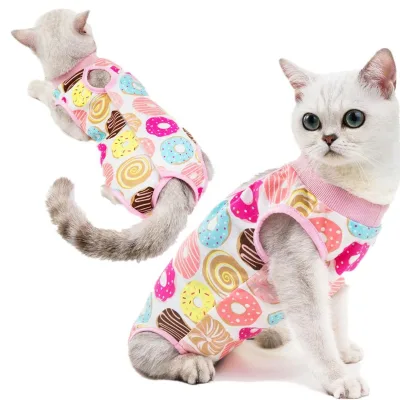
Compare 30 listings for Prevent Licking Cat Recovery Suit options designed for post-operative care and wound protection. Buyers can evaluate materials, sizes, and customization features from verified manufacturers in China.
Key considerations
Products List
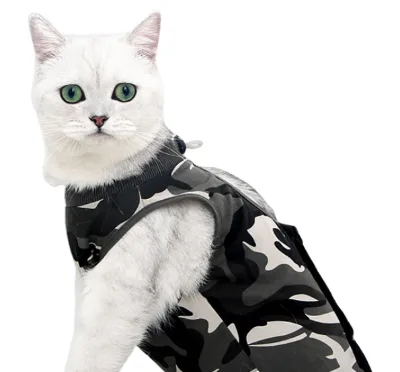
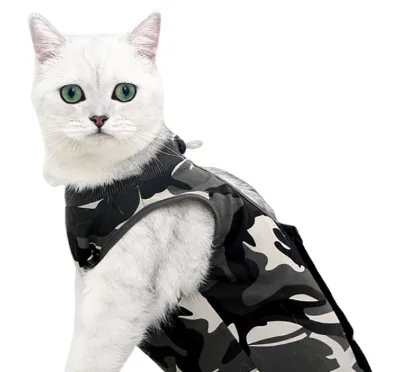
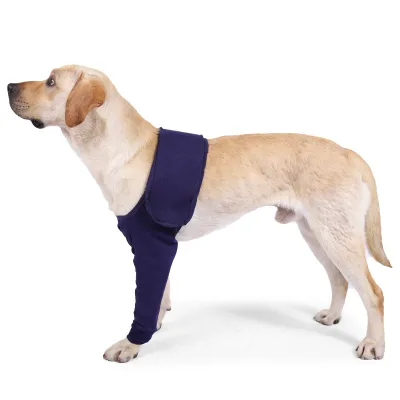
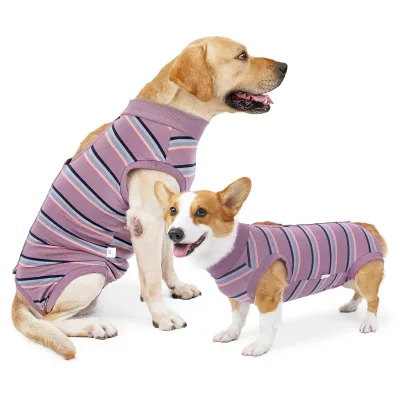
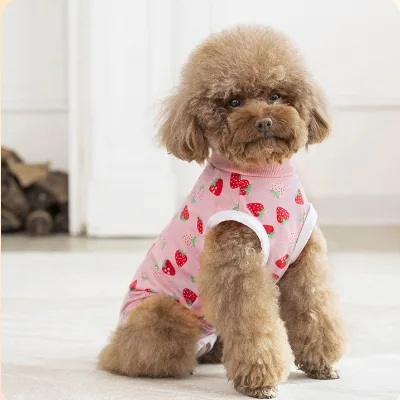


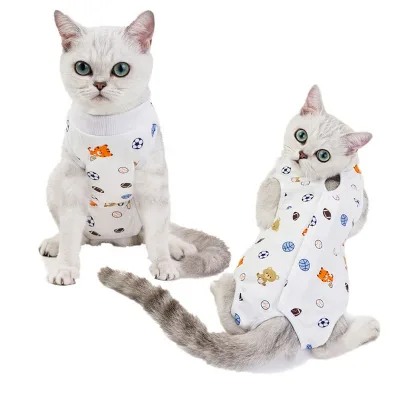
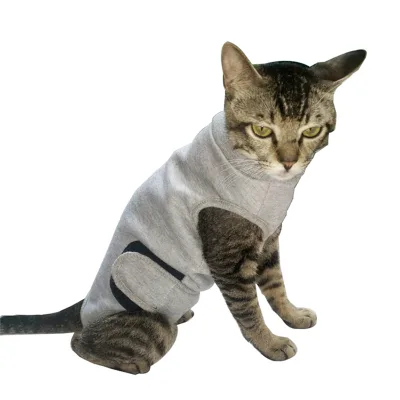
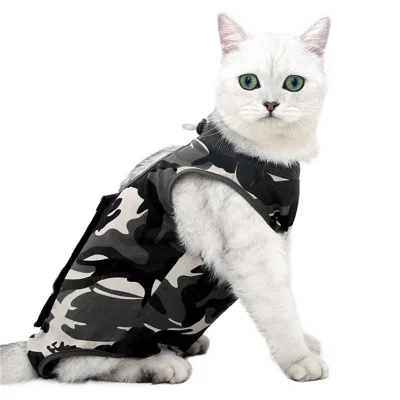
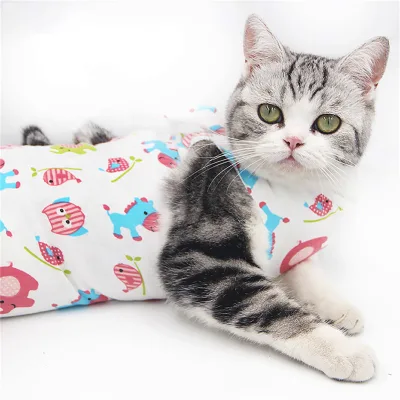


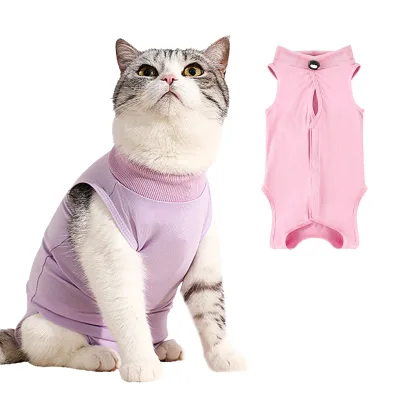
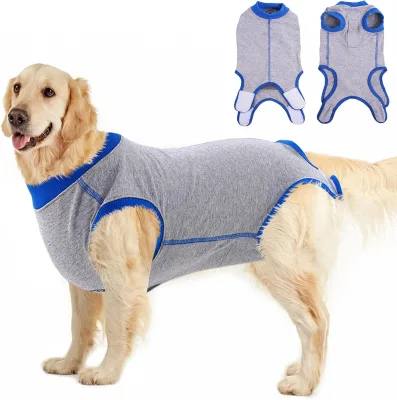
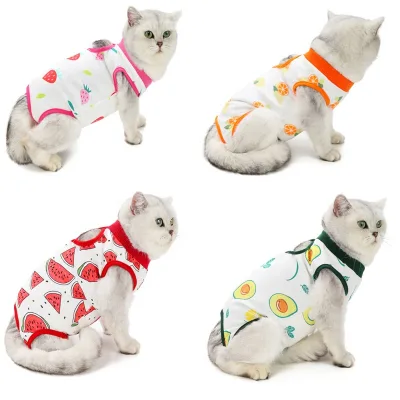


Comprehensive Sourcing Guide
Strategic Sourcing Guide for Prevent Licking Cat Recovery Suits
Understanding Product Categories and Functional Definitions
When initiating a procurement strategy for items designed to prevent licking in feline patients, buyers must first distinguish between general pet apparel and specialized medical recovery garments. The market offers a broad spectrum of "Pet Clothing," ranging from casual wear intended for seasonal fashion to critical post-operative recovery suits. In the context of the core keyword "Prevent Licking Cat Recovery Suit," the procurement focus shifts from aesthetic attributes like "Cute Pet Clothes" or "Print" patterns to functional specifications such as "Surgical Recovery" and "Anti-Licking Wound" usage.
The supplied product data indicates that while many listings fall under the general category of "Dog Pet Clothing" or "Coats & Jackets," specific variants are explicitly labeled as "Pet postoperative recovery clothing" or "Cat Surgical Recovery Suit." These items serve a dual purpose: they act as a physical barrier to stop pets from accessing surgical sites and provide a protective layer for wound healing. It is crucial for buyers to recognize that a product marketed as "Everydays Wear" or featuring "Eco-Friendly" and "Colorful" advantages may not possess the necessary structural integrity or fit required for medical recovery. The distinction lies in the "Function" attribute; recovery suits are engineered for "Anti-Licking Wound" applications, whereas standard clothing is designed for "Pet Wear" in general contexts.
Technical Specifications and Material Considerations
Selecting the correct technical specifications is paramount when sourcing recovery suits to ensure they effectively prevent licking without causing discomfort or restricting movement. The material composition is a primary factor in this decision. The available data highlights "cotton" as a verified material attribute for several listings, which is generally preferred for its breathability and softness against sensitive skin. However, buyers must verify if the specific cotton blend used meets the durability requirements for a pet that may be scratching or moving vigorously during recovery.
Size specifications vary significantly across different product listings, ranging from compact sizes like "XS/S/M/L/XL/2XL" to more granular options including "XXS" and "XXXL." For a cat recovery suit, a precise fit is essential to prevent the animal from slipping out of the garment or, conversely, from being constricted. The data shows a "Single package size" variance, with some items measuring as small as "10X7X7 cm" and others as large as "25X25X10 cm." This variation suggests differences in packaging density and potentially the volume of the garment itself. Buyers should cross-reference the "Model Number" (e.g., "GH-2P112" or "GH-3P864") with the specific size chart provided by the supplier to ensure the selected unit corresponds to the weight and breed of the target cat.
Furthermore, the "Single gross weight" of the product, observed in the data as ranging from 0.200 kg to 0.350 kg, serves as a proxy for the material thickness and overall construction. A heavier garment might indicate a more robust fabric suitable for larger wounds, while a lighter one may be intended for minor post-operative care. The "Design" attribute, often described as "newest design" or "Modern," should be evaluated for practicality; a modern aesthetic should not compromise the "Safety" and "Durable" advantages listed in the product features.
Compliance, Certification, and Safety Verification
In the medical and pet health sector, compliance and safety are non-negotiable. While the supplied product facts list "Eco-Friendly" and "Safety" as key advantages, these are marketing observations rather than verified certifications. Buyers must not assume that a product labeled "Eco-Friendly" meets specific international chemical safety standards without direct verification. The term "Safety" in the context of pet recovery suits implies that the materials are non-toxic and free from harmful dyes or finishes that could be ingested if the pet licks the fabric.
When evaluating suppliers, procurement teams should request documentation regarding the materials used. Since the "Place of Origin" is listed as both "Jiangsu, China" and "Zhejiang, China," buyers should be aware that manufacturing capabilities and regulatory adherence can vary between these regions. It is essential to verify if the supplier adheres to any specific animal safety standards or textile regulations relevant to the destination market. The data mentions "OEM/ODM: ACCEPT" and "Accept Customized Logo," which indicates flexibility in production, but this flexibility must be balanced with strict quality control to maintain safety standards.
Buyers should also investigate the "Feature" attributes listed, such as "Stocked" or "Anti-hair loss." While "Anti-hair loss" might be a marketing claim for general grooming, in the context of recovery, it could imply a smooth texture that minimizes irritation. However, without third-party test results or specific certification data provided in the source text, these claims should be treated as observations. The procurement process must include a request for material safety data sheets (MSDS) or proof of compliance with relevant pet product safety regulations to ensure the "Safety" advantage is substantiated.
Cost Drivers and Pricing Dynamics
The pricing structure for recovery suits is influenced by several factors, including material quality, customization options, and order volume. The observed listed price range in the market data spans from 0.5 to 13.41 USD, a wide variance that reflects differences in product complexity and perceived value. Lower-priced items may utilize standard cotton blends with minimal customization, while higher-priced items might offer advanced features, better packaging, or specialized designs for specific breeds.
The Minimum Order Quantity (MOQ) is another significant cost driver, with observed ranges between 10 and 1000 units. For buyers with smaller procurement needs, such as veterinary clinics or boutique pet stores, suppliers with lower MOQs (e.g., 10 units) are more accessible. However, larger buyers may benefit from negotiating lower unit costs by increasing order volumes, potentially approaching the higher end of the MOQ spectrum. The "Selling Units" attribute, noted as "Single item," suggests that some suppliers offer flexibility for trial orders, which can be advantageous for testing product quality before committing to bulk purchases.
Additionally, the "Payment" terms, which include "Western Union," "Money Gram," "TT," and "Trade Assurance," play a role in the financial risk profile of the transaction. Buyers should consider the security of the payment method, with "Trade Assurance" offering a layer of protection for the transaction. The "Single package size" and "Single gross weight" also impact logistics costs; larger packages and heavier weights will incur higher shipping fees, which should be factored into the total landed cost calculation.
Supplier Evaluation and Manufacturing Capabilities
Evaluating suppliers requires a deep dive into their manufacturing capabilities and operational transparency. The data indicates that suppliers are located in "Jiangsu, China" and "Zhejiang, China," two regions known for their textile and manufacturing industries. When assessing potential partners, buyers should verify the supplier's ability to handle "OEM" and "ODM" requests, as indicated by the "OEM/ODM: ACCEPT" attribute. This capability is crucial for buyers who require custom branding or specific design modifications to meet their brand identity.
The "Brand Name" is listed as "OEM" in several entries, suggesting that many suppliers operate as white-label manufacturers. This is common in the pet apparel industry, where products are often rebranded for different retailers. Buyers should ensure that the supplier has a robust quality control process in place, especially since the product is intended for medical recovery. The "Feature" attribute "Stocked" implies that some suppliers maintain inventory, which can reduce lead times for immediate orders. However, for customized orders, the lead time will depend on the production schedule and the complexity of the customization.
Buyers should also examine the "Model Number" consistency across listings. The presence of specific model numbers like "GH-2P112" and "GH-3P864" suggests a structured product line, which can be a positive indicator of a mature manufacturing operation. However, the variation in "Size" options (from "S,M,L" to "XS/S/M/L/XL/2XL") indicates that different suppliers may cater to different market segments. A comprehensive supplier evaluation should include a review of their past performance, customer feedback, and ability to scale production to meet fluctuating demand.
Quality Control and Long-Term Procurement Strategy
Establishing a robust quality control (QC) protocol is essential for ensuring that every unit of the recovery suit meets the required standards for safety and functionality. Given the critical nature of these products, which are used to prevent licking and protect wounds, any defect in the fabric, stitching, or fit could have serious consequences for the pet's health. Buyers should implement a multi-stage QC process, including pre-production sample approval, in-process inspection, and final random sampling before shipment.
The "Advantage" attributes listed, such as "Cool Comfortable" and "Durable," should be validated through physical testing. For instance, the "Cool Comfortable" claim can be verified by assessing the breathability of the cotton material, while "Durable" can be tested by evaluating the tensile strength and resistance to tearing. The "Pattern" attribute, which includes "Print" and "Plaid," should be checked for colorfastness to ensure that the dyes do not bleed when the garment is washed or exposed to moisture.
For long-term procurement, buyers should focus on building a strategic partnership with suppliers who demonstrate consistency in quality and reliability. The "Payment" terms and "OEM/ODM" capabilities should be reviewed periodically to ensure they remain favorable as the business scales. Additionally, buyers should monitor the "Place of Origin" and "Model Number" consistency to avoid supply chain disruptions or quality drift. By maintaining a proactive approach to supplier management and quality assurance, buyers can ensure a steady supply of high-quality recovery suits that effectively meet the needs of veterinary professionals and pet owners.
Comparative Analysis of Product Attributes
To facilitate informed decision-making, the following table summarizes key product attributes observed in the market data, highlighting the distinctions between general pet clothing and specialized recovery suits.
| Attribute | General Pet Clothing | Specialized Recovery Suit |
|---|---|---|
| Primary Function | Everyday Wear, Fashion | Surgical Recovery, Anti-Licking |
| Usage Context | Pet Wear, Seasonal | Wound Protection, Post-Op |
| Material Focus | Cotton (General) | Cotton (Breathable/Safety) |
| Design Style | Cute, Print, Plaid, Modern | Functional, Secure Fit |
| Target Pet | Dogs, Cats, Small Animals | Dogs, Cats (Specific Breeds) |
| Key Advantages | Eco-Friendly, Colorful | Safety, Durable, Cool Comfortable |
| Size Range | S, M, L | XS, S, M, L, XL, XXL, XXXL |
| Customization | Logo Acceptance | OEM/ODM, Custom Logo |
This comparison underscores the importance of aligning procurement goals with the specific functional requirements of the product. While general pet clothing offers aesthetic variety, recovery suits demand a focus on safety, durability, and precise fit. By carefully analyzing these attributes, buyers can navigate the market effectively and source products that truly meet the critical needs of pet recovery.
FAQs
What material is used for prevent licking cat recovery suits?
Cotton is the verified material used for these suits, offering breathability and softness for sensitive skin. Buyers should verify the specific cotton blend meets durability requirements for pets scratching during recovery.
Which sizes are available for prevent licking cat recovery suits?
Available sizes range from XS to XXXL, including specific options like S, M, L, XL, and XXL. Precise fit is essential to prevent the animal from slipping out or being constricted during the healing process.
Can I request a customized logo on prevent licking cat recovery suits?
Yes, suppliers accept customized logo requests for these recovery suits. This flexibility allows buyers to brand the product while ensuring the garment maintains safety and structural integrity for medical recovery.
How does the price vary for prevent licking cat recovery suits?
Listed prices range from 0.5 to 13.41 USD depending on complexity and customization. Lower-priced items often use standard blends, while higher prices may reflect advanced features or specialized designs for specific breeds.
What is the minimum order quantity for prevent licking cat recovery suits?
The minimum order quantity ranges from 10 to 1000 units across different suppliers. Buyers with smaller needs can access lower MOQs, while larger buyers may negotiate better unit costs by increasing order volumes.
Where are prevent licking cat recovery suits manufactured?
These suits are manufactured in Jiangsu and Zhejiang, China, regions known for textile production. Buyers should verify regulatory adherence as capabilities can vary between these specific manufacturing locations.
What packaging dimensions are typical for prevent licking cat recovery suits?
Single package sizes vary from 10x7x7 cm to 25x25x10 cm depending on the specific model. This variation affects shipping costs and should be factored into the total landed cost calculation for procurement.