Source Open Body Steel Tuk Tricycle for Cargo, Passengers, and Delivery
Compare 30 open body steel tuk tricycles from verified Chinese manufacturers. These motorized three-wheeled vehicles feature petrol engines, varying passenger capacities, and payload options suitable for cargo transport, passenger services, and urban delivery operations.
Key considerations
Products List
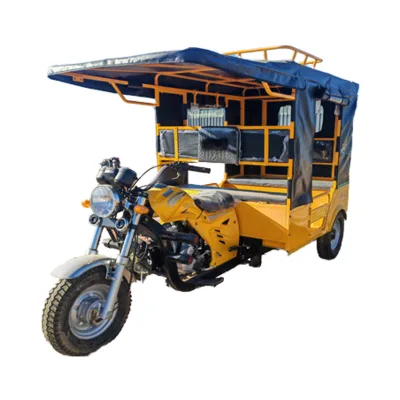
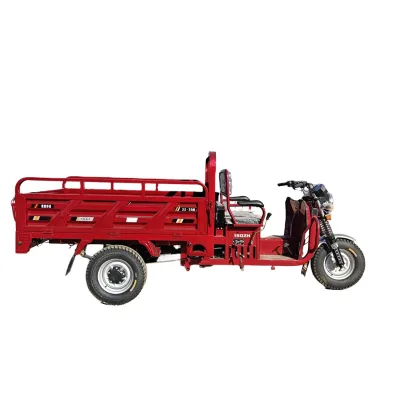


Gasoline Tuk Tuk Petrol Tuktuk Tricycle Motorcycle Other Tricycles for Passengers
$1100.00 - $1250.00
MOQ: 10 Pieces


Open Body Type E-Rickshaw Tuk Tuk Bajaj 150cc Auto Taxi Passenger Tricycles
$3999.00 - $5999.00
MOQ: 40 Sets


2021 High Quality Gasoline Engine 3 Wheel Motorcycle Tricycles with Steel Roof
$3999.00 - $5999.00
MOQ: 40 Sets


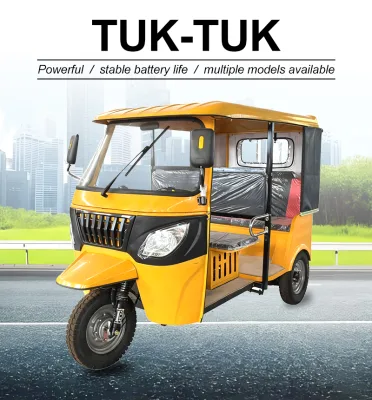


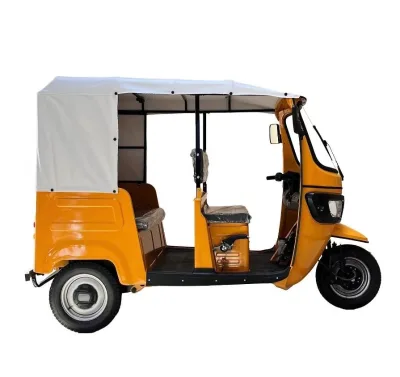


OEM Passenger Tricycle with Comfortable Suspension and Reliable Operation
$428.00 - $1000.00
MOQ: 1 Pieces
Comprehensive Sourcing Guide
Strategic Sourcing Guide for Open Body Steel Tuk-Trik Cycles
Understanding the Open Body Steel Tuk-Trike Architecture
The open body steel tuk-trike represents a distinct category of three-wheeled motorized vehicles designed primarily for passenger transport in urban and semi-urban environments. These vehicles are characterized by a robust steel chassis that provides structural integrity while maintaining an open cabin configuration. The open body design is critical for ventilation and ease of access, making these units highly suitable for high-frequency passenger movement in regions where enclosed vehicles are less practical or cost-prohibitive.
The fundamental architecture of these vehicles typically involves a single front wheel and two rear wheels, a configuration often referred to as a "right three-wheeled motorcycle." This layout offers a balance between maneuverability in tight spaces and stability during operation. The steel construction of the body ensures durability against the rigors of daily use, while the open design allows for the installation of various seating arrangements. Buyers must recognize that while the core structure is steel, the specific engineering of the frame, suspension, and mounting points varies significantly between manufacturers. The observed market data indicates that these vehicles are often categorized by their displacement and power source, with common configurations ranging from 150cc gasoline engines to electric motorized systems. Understanding the specific application of the open body design is the first step in defining procurement requirements, as it directly influences the payload capacity, passenger seating layout, and overall vehicle dimensions.
Technical Specifications and Performance Parameters
When evaluating open body steel tuk-trikes, buyers must scrutinize a comprehensive set of technical specifications that define the vehicle's operational capabilities. The powertrain is a primary differentiator in this market. Data indicates a diverse range of engine options, with gasoline engines being a prevalent choice. Specifically, 150cc displacement units are common, falling within the 111-150cc range, while other models may feature larger displacements between 151-200cc or even 201-250cc. Some listings also reference electric power systems, with power outputs ranging from 801–1,000 W to systems exceeding 1,000 W, often utilizing Lithium-Ion batteries. The starting system is another critical specification, with many units offering a dual Electric and kick-start capability to ensure reliability in varying conditions.
Performance metrics are equally vital for operational planning. The maximum speed for these vehicles typically falls between 50-70 Km/h, which aligns with their intended use for short-to-medium distance passenger transport. The braking system is a crucial safety component, with observed configurations including a front drum and rear drum setup. This mechanical braking arrangement is standard for this class of vehicle but requires regular maintenance checks. The tire size is another specification that affects ride quality and load handling; common sizes observed include 4.50-12 and 4.00-12.
The physical dimensions of the vehicle are essential for logistics and storage planning. Observed size specifications vary based on the specific model and intended use, with dimensions such as 293012801800mm for passenger variants and 3200mm12001410mm for cargo or modified configurations. The wheel distance, or track width, is another key measurement, with values ranging from 1100mm to over 1110mm, influencing the vehicle's stability and turning radius. The fuel tank capacity is generally observed in the 10-20L range, providing a reasonable operational range for daily use. Additionally, the curb weight of these vehicles typically ranges from 400-500kg, which impacts the payload capacity. While some listings suggest a payload capacity of ≥400kg, buyers must verify the specific gross vehicle weight rating (GVWR) and the actual usable payload for their intended passenger or cargo load.
Compliance, Certification, and Regulatory Standards
Navigating the regulatory landscape is a non-negotiable aspect of sourcing open body steel tuk-trikes. The market presents a complex array of certifications that vary by region and intended market of use. High-confidence data points to several recurring certification marks, including CCC (China Compulsory Certification), CE (Conformité Européenne), and ISO 9001. The presence of CCC certification is particularly significant for vehicles manufactured in China intended for the domestic market or export to countries recognizing Chinese standards. CE certification indicates compliance with European health, safety, and environmental protection standards, which is essential for any procurement targeting European or EEA markets. ISO 9001 certification relates to the quality management systems of the manufacturing facility rather than the product itself, serving as an indicator of the supplier's commitment to consistent production processes.
However, buyers must exercise caution when interpreting certification claims. Some product listings combine multiple certifications with specific technical parameters, such as "CE, ISO 9001: Displacement: 151-200CC." This phrasing suggests that the certification status may be tied to specific model configurations or that the listing aggregates data from different product lines. It is imperative for buyers to verify that the specific unit being procured holds the valid certification required for their target market. Relying on a general "CE" label without verifying the specific directive or test report can lead to compliance failures. Furthermore, the "factory" certification mentioned in some contexts likely refers to the manufacturing site's status rather than a product-specific approval. Buyers should request official certification documents and test reports for the exact model number, such as CHLPT001 or CHL150CC-3A1, to ensure that the vehicle meets all local regulatory requirements for roadworthiness, emissions, and safety.
Cost Drivers and Pricing Dynamics
The pricing of open body steel tuk-trikes is influenced by a multitude of factors, resulting in a wide observed range from 175 to 5999 USD. This significant variance is not merely a reflection of brand differences but is driven by the underlying technical specifications, material quality, and customization options. The primary cost driver is the powertrain. Electric models with Lithium-Ion batteries and high-power motors often command different price points compared to gasoline-powered units with 150cc engines. The type of engine, its displacement, and the inclusion of advanced features like electric start systems contribute to the base cost.
Material costs also play a substantial role. The use of steel for the open body and chassis is a standard, but the gauge of the steel, the quality of the welding, and the corrosion protection treatments applied can vary. Vehicles with higher payload capacities and larger dimensions generally require more material and more robust engineering, pushing the price upward. Customization is another major factor. Listings indicate that customization is available, with options supporting custom logos, tarpaulin colors, and packaging. These bespoke services add to the unit cost and often require a higher Minimum Order Quantity (MOQ), which ranges from 1 to 60 units. The transport package type, typically listed as "Container," implies that shipping costs are a separate consideration that can significantly impact the total landed cost, especially for international buyers. Buyers should analyze the total cost of ownership, including maintenance, fuel or electricity consumption, and expected lifespan, rather than focusing solely on the initial purchase price.
Typical Applications and Operational Use Cases
The versatility of the open body steel tuk-trike makes it suitable for a diverse range of applications, primarily categorized by passenger transport and cargo movement. The "Passenger" use case is the most common, with vehicles designed to carry up to six passengers in certain configurations, though single-passenger cargo variants are also prevalent. The open body design is particularly advantageous in hot climates where ventilation is essential for passenger comfort. These vehicles are frequently utilized for last-mile connectivity in urban centers, airport transfers, and tourist transport in historic districts where larger vehicles cannot navigate.
In the cargo sector, the same chassis is often adapted for logistics. The "Cargo" designation in product listings highlights the vehicle's ability to transport goods, with payload capacities exceeding 400kg. The open body allows for the easy loading and unloading of bulky items, and the vehicle can be fitted with tarps or custom enclosures to protect goods from the elements. The "Grade Ability" of 15-20° indicates that these vehicles are capable of handling moderate inclines, making them suitable for hilly urban environments. The "Right three-wheeled motorcycle" classification suggests they are often used in regions where traffic drives on the right, though the mechanical design can be adapted for left-hand traffic markets. Whether used for public transit, private logistics, or commercial delivery, the open body steel tuk-trike offers a cost-effective solution for moving people and goods efficiently in constrained environments.
Supplier Evaluation and Quality Assurance Protocols
Selecting a reliable supplier for open body steel tuk-trikes requires a rigorous evaluation process that goes beyond the information provided in product listings. Buyers should prioritize suppliers who can demonstrate a clear track record of manufacturing vehicles that meet the specific technical and regulatory requirements of their target market. The "Place of Origin" is frequently listed as Hebei, China, a region known for its automotive manufacturing base. However, the presence of a location does not guarantee quality; buyers must verify the supplier's production capacity, quality control systems, and after-sales support network.
Quality assurance should be a central component of the procurement strategy. Given the variations in specifications such as tire size, wheel distance, and engine displacement, buyers must implement a strict verification process. This includes requesting detailed technical drawings, material certificates for the steel used, and proof of the braking system's performance. The "Single package size" and "Transport Package" details provided in listings are useful for logistics planning but do not substitute for a physical inspection of the finished product. Buyers should consider third-party inspection services to verify the build quality, the integrity of the welds, and the functionality of the electrical and mechanical systems before shipment. Additionally, the availability of customization support, such as custom logos and packaging, should be confirmed with a clear understanding of the lead times and costs involved.
Long-Term Procurement and Lifecycle Management
Sourcing open body steel tuk-trikes is not a one-time transaction but the beginning of a long-term operational relationship. Buyers must consider the lifecycle management of these vehicles, including maintenance, spare parts availability, and potential for fleet expansion. The "Selling Units" are often listed as "Single item," which allows for flexible initial procurement, but buyers planning large-scale operations should negotiate volume discounts and establish long-term supply agreements. The "Customization" options, such as support for custom logos and colors, should be leveraged to create a unified fleet identity, but the lead times for these customizations must be factored into the procurement timeline.
Long-term considerations also include the adaptability of the vehicle to changing regulations. As emissions standards tighten or electric mobility becomes more prevalent, the ability to switch between gasoline and electric powertrains or upgrade to newer engine models will be crucial. The "Fuel type" being listed as "Petrol Gasoline" for many models suggests a reliance on fossil fuels, which may face regulatory headwinds in certain markets. Buyers should assess the supplier's roadmap for electric or hybrid alternatives to ensure the fleet remains viable in the future. Furthermore, the "Product Name" and "Model Number" variations indicate a dynamic product line; buyers should ensure that the supplier can provide consistent support and parts for the specific models they purchase, avoiding the risk of obsolescence. By focusing on these long-term factors, buyers can secure a sustainable and efficient transportation solution that meets their operational needs for years to come.
FAQs
What engine displacement options are available for this vehicle?
The vehicle is available with engine displacements ranging from 111 to 250cc. Specific models include 150cc units, while others offer 151-200cc or 201-250cc configurations depending on the manufacturer and intended use.
Which certifications are required for this three-wheeled motorcycle?
High-confidence certifications include CCC, CE, and ISO 9001. Buyers must verify that the specific model holds valid documentation for their target market, as some listings combine certifications with specific technical parameters.
Can the vehicle be customized with a specific logo or color?
Yes, customization is available for logos, tarpaulin colors, and packaging. These bespoke services often require a higher minimum order quantity and should be confirmed with the supplier regarding lead times and costs.
What is the maximum speed and payload capacity of the tricycle?
The maximum speed typically falls between 50 and 70 km/h. The payload capacity is generally rated at 400kg or more, though the curb weight ranges from 400 to 500kg, affecting the total usable load.
Where are these open body steel tuk-trikes manufactured?
The place of origin is Hebei, China. This region is known for its automotive manufacturing base, but buyers should verify the specific factory's production capacity and quality control systems before procurement.
How many passengers can the vehicle carry in a standard configuration?
Standard configurations can carry up to six passengers, though single-passenger cargo variants are also prevalent. The seating arrangement depends on the specific model number and the open body design intended for the use case.
What tire sizes are commonly used on these vehicles?
Common tire sizes observed include 4.50-12 and 4.00-12. These specifications affect ride quality and load handling, so buyers should confirm the exact size required for their specific operational environment.