Find Open Channel Water Level Sensor for Irrigation, Drainage, and Flood Monitoring
Explore 30 verified listings for the Open Channel Water Level Sensor to compare specifications like 80 GHz frequency, RS485 output, and IP ratings. Buyers can evaluate options ranging from analog to digital signals for diverse water management applications.
Key considerations
Products List


Radar Water Level Sensors for Continuous, Non-Contact Level Measurement of Liquids.
$500.00 - $860.00
MOQ: 1 Pieces


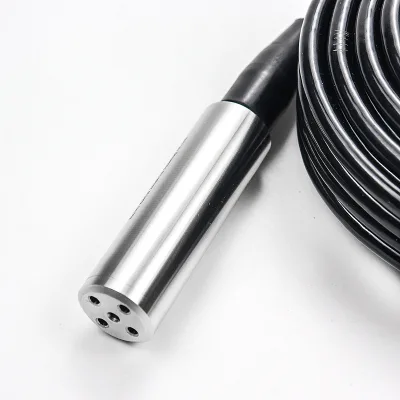


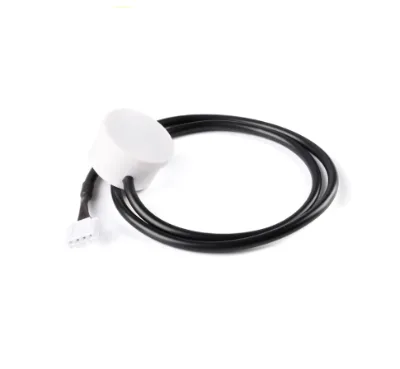


Comprehensive Sourcing Guide
Strategic Sourcing Guide for Open Channel Water Level Sensors
Procuring open channel water level sensors requires a rigorous approach that balances technical precision with supply chain reliability. The market for these devices is diverse, ranging from simple float-based mechanisms to advanced radar and capacitive technologies. Buyers must navigate a landscape where specifications vary significantly between manufacturers, and where the distinction between different sensor principles is critical for operational success. This guide outlines the essential factors for evaluating potential suppliers and selecting the right instrumentation for open channel flow monitoring applications.
Technical Specifications and Sensor Principles
The first step in sourcing is understanding the underlying technology, as the operating principle dictates the sensor's suitability for specific environmental conditions. The market offers several distinct types, including capacitive level sensors, float-type magnetic level switches, and radar sensors. Capacitive sensors often operate on a principle where the dielectric constant of the medium changes the capacitance, while float-type switches rely on the buoyancy of a magnet to trigger a reed switch. Radar sensors, particularly those operating at high frequencies like 80 GHz, offer non-contact measurement capabilities with high resolution.
When evaluating technical data, buyers must scrutinize the resolution and accuracy claims. For high-frequency radar sensors, a resolution of 1 mm is a benchmark for precision in open channel applications. Temperature accuracy is another critical metric; some units specify an accuracy of ±1°C, which is vital for applications where temperature compensation is required for flow calculations. The operating temperature range is equally important. While some industrial-grade sensors function within a broad range of -40°C to +380°C, others designed for specific water applications may operate between -20°C and 80°C. Buyers should verify that the sensor's thermal limits align with the ambient conditions of the installation site.
Power consumption and supply requirements also vary. Some devices operate on low voltage DC supplies, such as 5.0V, with operating currents below 12mA, making them suitable for battery-powered telemetry systems. Others may utilize a 3.6V lithium battery with a capacity of 2400mAh, providing extended service life. The output signal type is a decisive factor for integration; systems may require analog outputs for direct connection to older controllers or digital RS485 interfaces for modern SCADA networks. Additionally, the physical dimensions and cable length, such as a 10-meter cable, must be verified against the physical constraints of the channel or weir structure.
Compliance and Certification Verification
In the industrial sector, compliance with international standards is not merely a formality but a prerequisite for liability and safety. Buyers must insist on documentation proving that products meet specific regulatory frameworks. Common certifications observed in this sector include RoHS (Restriction of Hazardous Substances), CE (Conformité Européenne), and CCC (China Compulsory Certification). These certifications indicate that the product adheres to safety, health, and environmental protection standards.
Beyond general certifications, specific industry standards may apply depending on the application environment. For instance, sensors intended for harsh environments may need to meet specific insulation resistance standards, such as 100mΩ at 50V. The material composition is also a compliance factor; stainless steel construction is often required for corrosion resistance in water applications. Buyers should verify that the "IP Rating" and material specifications match the environmental exposure, noting that some listings may conflate IP ratings with material types, requiring clarification from the supplier.
Furthermore, the origin of the product plays a role in compliance. Products originating from specific manufacturing hubs, such as Shaanxi, China, may have different quality control baselines compared to others. Buyers should request proof of origin and ensure that the manufacturing process, whether described as "Integration" or otherwise, meets the required quality benchmarks. It is essential to confirm that the product standard, such as specific model numbers like PL315 or ARLGS-05, corresponds to a verified manufacturing standard rather than a generic internal code.
Cost Drivers and Pricing Structures
The cost of open channel water level sensors is influenced by a complex interplay of factors, including technology complexity, material quality, and customization requirements. The observed price range in the market is extremely wide, spanning from $0.03 to $1000. This disparity reflects the difference between basic components, such as simple float switches, and high-end radar systems with advanced digital processing capabilities.
Several key drivers affect the final unit price. First, the sensor principle is a primary cost determinant; 80 GHz radar sensors with 1 mm resolution are significantly more expensive than basic capacitive or float switches. Second, the build quality and materials, such as the use of stainless steel versus plastic, impact the cost. Third, customization options, such as specific cable lengths, unique mounting configurations, or tailored output signals, add to the base price.
Minimum Order Quantity (MOQ) is another critical cost factor. Suppliers may set MOQs ranging from 1 unit to 200 units. For small-scale projects or pilot installations, buyers may face higher per-unit costs due to low-volume pricing structures. Conversely, bulk purchasing can significantly reduce the unit cost but requires a larger upfront capital investment. Buyers should also consider the packaging costs, as products may be shipped in cartons or wooden boxes depending on the fragility and size of the unit. Understanding these variables allows procurement teams to budget accurately and negotiate effectively based on volume and technical requirements.
Typical Applications and Environmental Fit
Open channel water level sensors are deployed in a variety of environments, each presenting unique challenges. Common applications include municipal wastewater treatment plants, agricultural irrigation systems, industrial process water monitoring, and environmental flow measurement in rivers and streams. The choice of sensor depends heavily on the specific conditions of the application.
For instance, in applications requiring high precision and non-contact measurement, such as measuring flow over weirs or flumes, radar sensors with 80 GHz frequency and 1 mm resolution are ideal. These sensors can handle varying surface conditions without physical contact, reducing maintenance needs. In contrast, for simpler applications where cost is a primary constraint, capacitive level sensors or float-type magnetic switches may be sufficient. These are often used in tanks or open channels where the water surface is relatively stable.
Environmental factors such as temperature, vibration, and shock must be considered. Sensors designed for harsh conditions may boast a stability of less than 0.2% Full Scale (Fs) per year and can withstand vibration up to 20g across a frequency range of 20 to 5000Hz. Shock resistance, typically rated at 20g for 11ms, is crucial for installations subject to mechanical stress. Additionally, the pressure range, such as 0-0.1 to 1.1 MPa (Absolute), must be compatible with the hydrostatic pressure of the water column. Buyers should ensure the sensor's overload pressure rating, often 200% Fs, provides a safety margin against unexpected surges.
Supplier Evaluation and Quality Assurance
Selecting the right supplier is as important as selecting the right product. Buyers should evaluate potential partners based on their technical capabilities, quality control processes, and track record. A key indicator of supplier reliability is the consistency of their product specifications. For example, a supplier offering sensors with a weaving density of 70%, 80%, 90%, or 95% demonstrates a range of customization options, but buyers must verify that these specifications are consistent across batches.
Quality control should be a central part of the supplier evaluation. Buyers should inquire about the production process, whether it involves integration or other methods, and request data on stability and accuracy. The ability to provide detailed test results for parameters like insulation resistance, temperature accuracy, and vibration resistance is a strong positive signal. Furthermore, the supplier's ability to handle customized orders, such as specific packing requirements (Carton or Wooden Box) or unique model numbers, indicates flexibility and responsiveness.
It is also vital to assess the supplier's communication and support capabilities. The presence of a dedicated contact point and the ability to provide clear documentation on standards and certifications are essential. Buyers should verify the supplier's location and origin, as this can impact lead times and logistics. For instance, suppliers based in China may offer competitive pricing but require careful management of shipping and customs procedures.
Long-Term Procurement and Maintenance Considerations
Sourcing is not a one-time transaction but a long-term partnership. Buyers must consider the total cost of ownership, including maintenance, calibration, and replacement costs. The service life of the sensor is a critical factor; some units are rated for 50,000 hours of service, while others may have different lifespans. Buyers should verify the warranty terms and the availability of spare parts.
Data logging capabilities are another long-term consideration. Sensors that can record up to 50,000 data points, including time and temperature, provide valuable historical data for trend analysis and predictive maintenance. The warm-up time, typically around 1 minute, affects the speed of data acquisition and should be factored into system design.
Finally, buyers should plan for the end-of-life management of the sensors. Understanding the recycling requirements for materials like stainless steel and lithium batteries is important for environmental compliance. By focusing on durability, data integrity, and supplier reliability, procurement teams can ensure a stable and efficient supply chain for open channel water level monitoring systems.
Comparative Analysis of Sensor Technologies
To assist in decision-making, the following table summarizes key technical attributes observed across different sensor types. This comparison highlights the trade-offs between resolution, operating principles, and environmental robustness.
| Feature | Radar Sensor (80 GHz) | Capacitive Sensor | Float-Type Magnetic Switch |
|---|---|---|---|
| Resolution | 1 mm | Varies by model | Low (Step-based) |
| Operating Principle | Non-contact Radar | Dielectric Change | Buoyancy/Magnet |
| Output Signal | RS485 Digital / Analog | Analog Type | Switch / Analog |
| Operating Temp | -20°C ~ 80°C | -40°C ~ +380°C | -20°C ~ 80°C |
| Material | Stainless Steel | Various | Stainless Steel |
| Power Supply | 5.0V / 3.6V Battery | Varies | 5.0V |
| Typical Use | High Precision Flow | General Level | Simple On/Off |
This table serves as a reference for initial screening, but buyers must always verify specific model data against the actual product specifications provided by the supplier. The diversity in specifications, such as the range of weaving densities or specific model numbers like AT or PL315, underscores the need for detailed due diligence before finalizing any procurement decision.
FAQs
What certifications do open channel water level sensors typically have?
Many units carry RoHS, CE, and CCC certifications to ensure safety and environmental compliance. Some models also meet specific insulation standards like 100mΩ at 50V for harsh water applications.
Which sensor types are available for open channel monitoring?
Available types include capacitive level sensors, float-type magnetic switches, and 80 GHz radar sensors. Each principle offers different resolution and contact capabilities for specific flow measurement needs.
How does the operating temperature range affect sensor selection?
Sensors operate within ranges like -40°C to +380°C or -20°C to 80°C depending on the model. Select a unit with thermal limits that match your specific installation environment conditions.
Can these sensors record historical data for analysis?
Yes, some models can record up to 50,000 data points including time and temperature readings. This capability supports trend analysis and predictive maintenance for long-term flow monitoring systems.
What is the typical power supply for these devices?
Power options include 5.0V DC with low current draw or 3.6V lithium batteries with 2400mAh capacity. Choose a supply type that fits your telemetry system or battery-powered requirements.
Which suppliers offer customized packaging for these sensors?
Suppliers provide packaging in cartons or wooden boxes based on product fragility and size. Customization options allow buyers to specify packing requirements to ensure safe transport of the units.
What is the resolution accuracy for radar water level sensors?
High-frequency radar sensors often achieve a resolution of 1 mm for precise measurements. This accuracy is critical for applications requiring detailed flow calculations over weirs or flumes.
Where are these sensors typically manufactured?
Products originate from manufacturing hubs like Shaanxi, China, with various production processes available. Buyers should verify the origin and quality control standards when selecting a specific supplier.