Source Optical Fiber Cable for Microphone, Telephone, and Multimedia
Explore 30 verified listings for Optical Fiber Cable suitable for communication, multimedia, and computer applications. Buyers can compare specifications, certifications, and pricing from suppliers in China to find the right solution for their needs; compare the available evidence and request quotations based on your requirements.
Key considerations
Products List


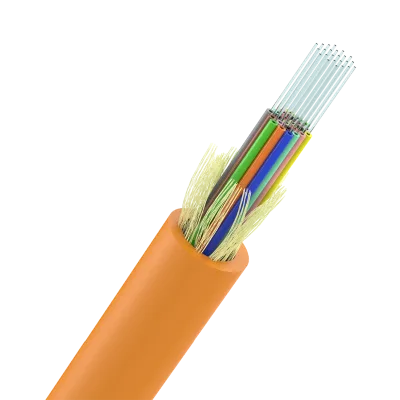
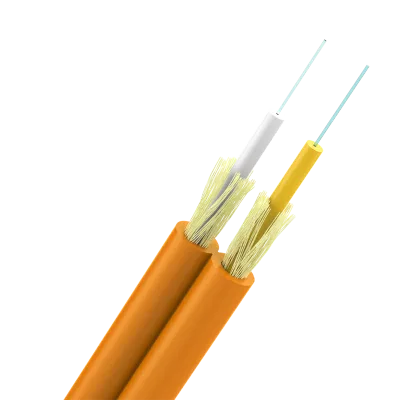


Fiber Cable Optic Fiber Cableoptical Fiber Cable Wireoptical Fiber Cable
$0.15 - $0.25
MOQ: 1000 Meters


Comprehensive Sourcing Guide
Optical Fiber Cable Sourcing Guide
Buyers must first distinguish between the diverse product forms available in the market, ranging from simple round wire configurations to complex distribution cables. The observed listings reveal a significant variation in model numbers, such as HITEK-1020 and GYFTY, which often indicate specific structural differences like loose tube or single jacket designs. Understanding these distinctions is critical before initiating contact, as the intended application environment dictates whether a duplex Optical Fiber Cable or a multi-core armored variant is required.
Procurement teams should also scrutinize the listed color and packing specifications to ensure logistical compatibility. While some products are explicitly listed in black or white, others offer custom color options, and packing methods vary from PE bags to wooden drums. These physical attributes directly impact storage requirements and installation workflows, so verifying the exact product model and its associated packaging style is a necessary first step to avoid mismatches between the ordered goods and the site's infrastructure needs.
Product Scope and Observed Listing Signals
The market for optical fiber cables presents a wide spectrum of applications, including use in microphones, telephones, multimedia systems, and computer monitors. Listings frequently highlight compatibility with devices like DVD players and game players, suggesting a robust presence in consumer electronics and home entertainment sectors. However, the scope extends significantly into industrial communication, where cables are designed for high-density data transmission in complex network environments.
Buyers should note that the observed product range includes specific model numbers like GYTA and GYTS, which often denote distinct construction types suitable for outdoor or indoor deployment. The presence of models labeled as "Distribution Cable" or "Duplex Optical Fiber Cable" indicates that suppliers cater to both backbone infrastructure and end-user connectivity needs. It is essential to match the specific model number to the project requirements, as the physical form factor and conductor count can vary drastically between a single-item sale and bulk distribution units.
Technical Specifications to Verify
Technical due diligence requires a close examination of fiber types and conductor materials to ensure performance alignment. The available data indicates a mix of single-mode fibers, such as Sm OS2 and G657 variants, alongside multi-mode options like Om1 through Om5. Additionally, conductor materials range from bare copper to various alloy combinations, which directly influence signal integrity and electrical resistance. Buyers must verify that the selected fiber type matches the transmission distance and bandwidth requirements of their specific network architecture.
Mechanical strength and structural integrity are equally critical parameters that demand verification before finalizing a purchase. Specifications often include allowed lateral pressure and tensile strength values, such as ranges between 100N and 1000N, which define the cable's durability during installation. The construction style, whether loose tube or single jacket, must be confirmed against the environmental stressors of the deployment site. Ensuring these mechanical ratings meet the project's physical demands prevents premature failure and reduces long-term maintenance costs.
Compliance and Safety Documentation
Regulatory compliance is a non-negotiable aspect of sourcing optical fiber cables, with certifications like RoHS, CE, and ISO9001 appearing frequently in product listings. These certifications indicate adherence to international safety and environmental standards, which is particularly important for projects in regulated markets. Buyers should request valid certification documents for each batch to confirm that the products meet the specific legal requirements of the destination country, as the absence of these marks can lead to customs delays or legal liabilities.
Beyond general certifications, specific standards such as PAHs and ISOCCS may be relevant depending on the application sector. The presence of multiple certification types in a single listing suggests a supplier's capability to meet diverse regulatory frameworks, but verification is still required for each specific product model. Procurement teams must ensure that the documentation provided matches the exact model number ordered, as compliance status can vary between different production runs or product lines within the same supplier's catalog.
Cost Drivers and Commercial Terms
Pricing in the Optical Fiber Cable market is highly variable, with observed ranges spanning from minimal unit costs to significant investment levels. This variance is driven by factors such as the number of conductors, fiber type, and the complexity of the cable construction. Buyers should anticipate that models with higher core counts or specialized armor will command a premium, while standard duplex cables may be available at lower price points. Understanding these cost drivers helps in budgeting accurately and selecting the most economical solution that still meets technical requirements.
Commercial terms, including Minimum Order Quantities (MOQ) and selling units, vary significantly across suppliers and product types. Listings show MOQs ranging from single items to thousands of units, reflecting the flexibility of the market for both small-scale projects and large infrastructure deployments. Buyers must clarify whether the selling unit is a single item or a bulk package, as this affects the total cost calculation and inventory management strategy. Negotiating favorable terms based on volume is essential to optimize the overall procurement budget.
Supplier Qualification and Quality Control
Supplier qualification involves verifying the origin and manufacturing capabilities of the provider, as many listings indicate production in regions like Guangdong or Shenzhen, China. While these locations are hubs for electronics manufacturing, buyers should assess the supplier's track record and production capacity to ensure consistent quality. The availability of customization options suggests a flexible manufacturing process, but this flexibility must be balanced with rigorous quality control measures to prevent defects in the final product.
Quality control protocols should be explicitly discussed during the supplier evaluation phase, focusing on testing procedures and inspection standards. Buyers should inquire about the specific tests conducted on tensile strength, lateral pressure, and fiber attenuation to ensure the product meets the claimed specifications. Establishing a clear quality assurance framework, including third-party testing if necessary, is vital for mitigating risks associated with substandard materials or inconsistent manufacturing processes in the global supply chain.
Long-Term Procurement Checks
Sustainable procurement requires establishing a framework for ongoing performance monitoring and supplier relationship management. Buyers should implement regular audits to verify that the supplier continues to meet the agreed-upon standards and certification requirements over time. This proactive approach helps identify potential issues early, such as changes in material sourcing or manufacturing processes, ensuring that the supply chain remains resilient and compliant with evolving industry regulations.
Long-term success also depends on maintaining clear communication channels regarding product updates and technical support. As technology evolves, the specifications for optical fiber cables may change, and suppliers should be prepared to provide updated documentation and support for new models. Building a partnership based on transparency and mutual trust allows buyers to navigate market fluctuations effectively and secure a reliable supply of high-quality optical fiber cables for future projects.
FAQs
What certifications are available for optical fiber cables?
Available certifications include RoHS, CE, CCC, UL, ISOCCS, CSA, and VDE. These standards ensure compliance with international safety and environmental regulations. Buyers can verify specific documentation based on their regional requirements. The product line also supports ISO9001 quality management systems for consistent manufacturing standards.
Can optical fiber cables be customized for specific applications?
Yes, customization is available for various applications such as microphones, telephones, multimedia, monitors, computers, speakers, DVD players, and game players. Buyers can request specific configurations to meet unique project needs. This flexibility allows for tailored solutions in both consumer electronics and industrial communication setups.
What are the standard packaging options for optical fiber cables?
Standard packaging includes PE bags, blister packs, and cartons for smaller units. Larger distribution cables are typically packed in wooden drums or as requested by the buyer. Carton boxes or other custom packaging methods are also available to ensure safe transit and storage for different order volumes.
Which fiber types are supported in multi-core optical cables?
Supported fiber types include Single-mode OS2, G657A1, G657A2, and G657b3. Multi-mode options cover OM1, OM2, OM3, OM4, and OM5. These varieties allow for precise selection based on bandwidth and distance requirements, ensuring optimal performance for diverse communication infrastructure projects.
What is the origin and manufacturing location of these cables?
The products originate from China, specifically from Guangdong and Shenzhen regions. This location indicates access to established manufacturing hubs with robust supply chains. Buyers can expect consistent production capabilities and logistical efficiency when sourcing from these verified industrial centers in China.
What are the mechanical strength limits for the cables?
The cables allow lateral pressure between 100 and 1000 N/100mm. Tensile strength is rated between 100N and 1000N. These mechanical properties ensure durability during installation and operation. Buyers should select specifications that match their environmental stress requirements for long-term reliability.