Source Organic Handmade Wool Drying Ball for Laundry, Dehumidifying, and Odor Removal
Find 30 suppliers offering Organic Handmade Wool Drying Ball options crafted from New Zealand wool. Compare features like water absorption, drying time reduction, and custom packaging to select the right dryer helper for home or hotel use.
Key considerations
Products List




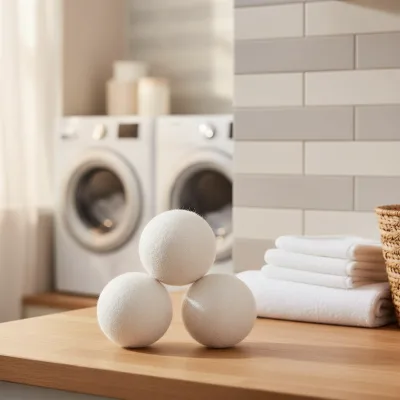
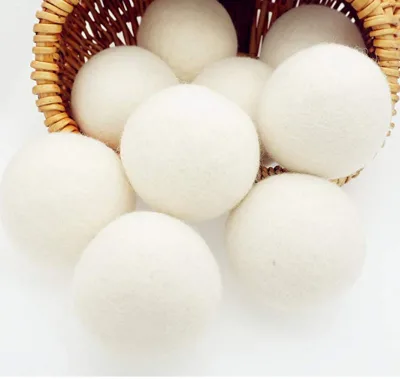
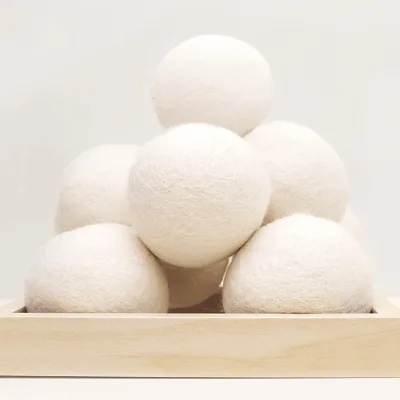
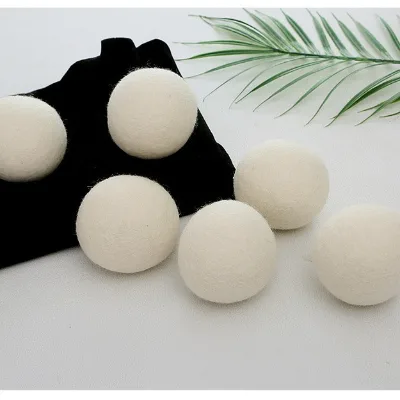

Comprehensive Sourcing Guide
Organic Handmade Wool Drying Ball Sourcing Guide
Sourcing organic handmade wool drying balls requires a careful balance between verifying material authenticity and understanding the commercial realities of manufacturing in key production hubs. Buyers must navigate a market where terms like "organic" and "handmade" are often used loosely, necessitating strict verification of fiber origin and construction methods. The following guide provides evidence-based procurement strategies for sourcing these specific laundry aids, focusing on the attributes observed in current listings and standard industry practices for wool-based textile products.
Product Scope and Observed Listing Signals
The current market for wool dryer balls presents a wide variance in product specifications, with observed prices ranging from $0.04 to $1.50 USD per unit and minimum order quantities (MOQs) spanning from 1 to 6,000 pieces. This broad range indicates a fragmented supplier base, ranging from small-scale artisanal producers offering low MOQs for customization to larger factories capable of high-volume production. Buyers should note that the term "organic" is frequently associated with these products, yet specific certification claims such as GOTS or OEKO-TEX appear in low-confidence background data, meaning they are not universally guaranteed across all listings. Procurement teams must treat these certifications as items for verification rather than standard inclusions, ensuring that any claim of organic status is backed by valid documentation from the supplier.
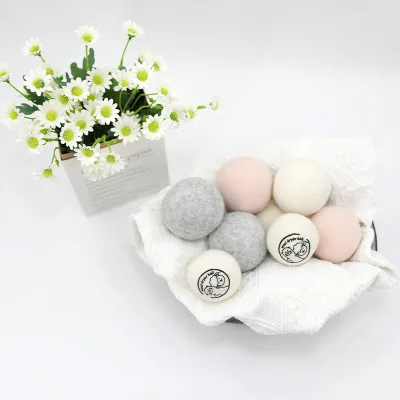
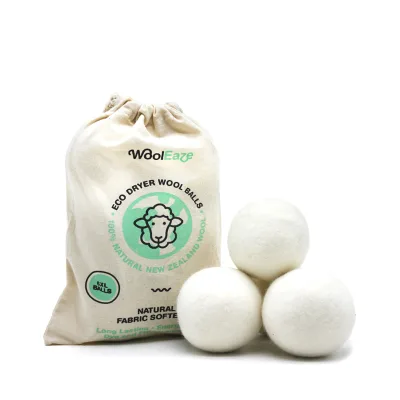
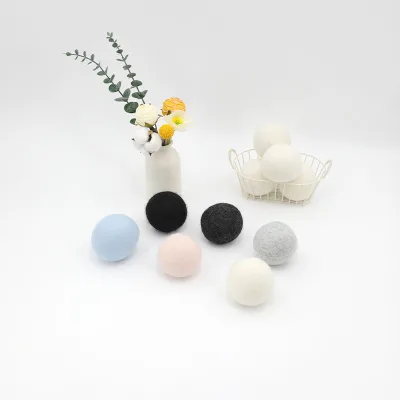
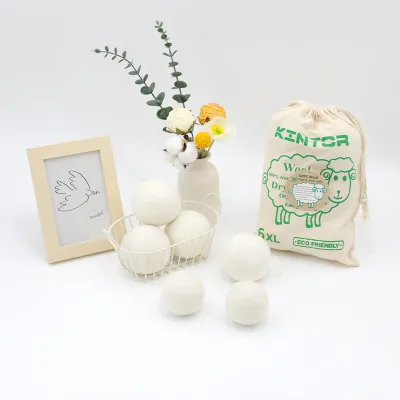
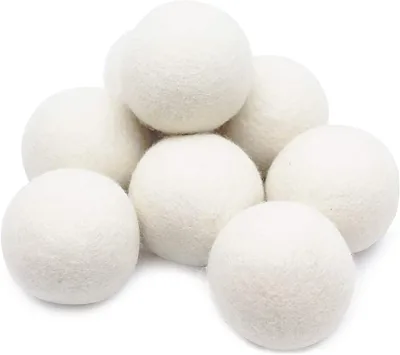
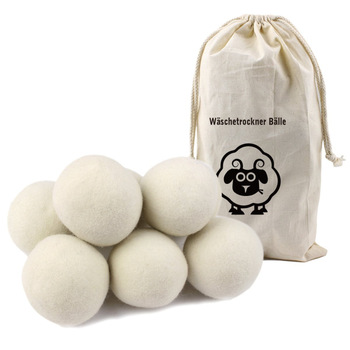
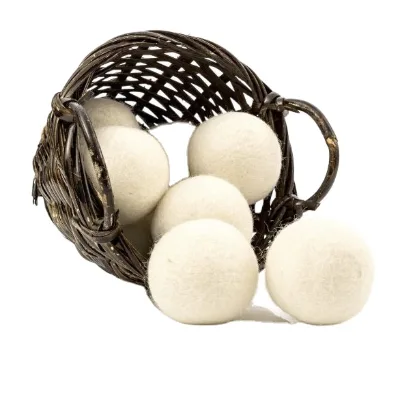
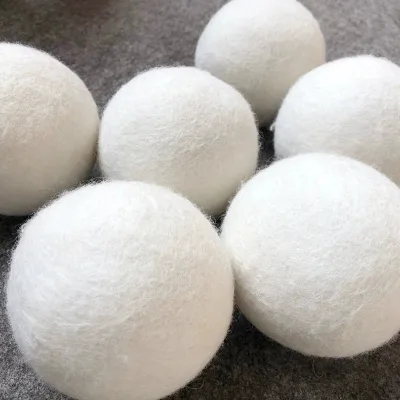
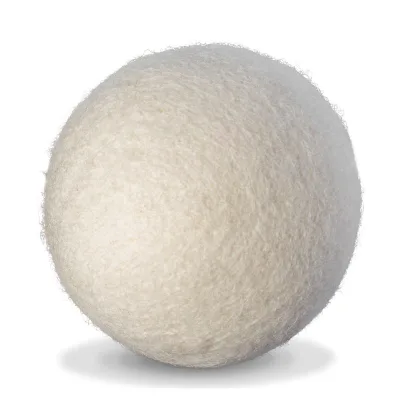
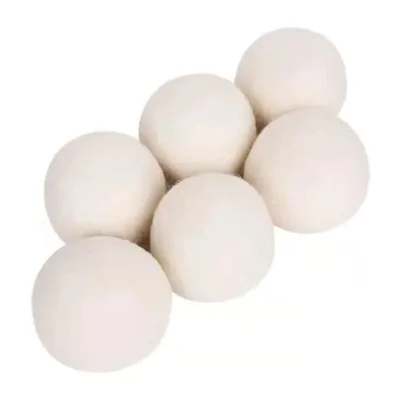
Product attributes observed in listings highlight a strong emphasis on functionality, with key features including water absorption, smell removal, dehumidification, and the ability to shorten drying time. The primary material cited is 100% New Zealand Wool, although some listings reference generic "Zealand Wool" or simply "Wool," with one outlier noting a purity of less than 95%. This discrepancy underscores the need for rigorous material verification. The products are typically spherical, with sizes ranging from 6-10cm, and commonly available in colors such as white, gray, dark grey, sky blue, pink, and black. Packaging varies significantly, with suppliers offering options such as carton boxes, felt bags, cotton bags, or PP bags, which directly impacts shipping costs and retail presentation.
Technical Specifications to Verify
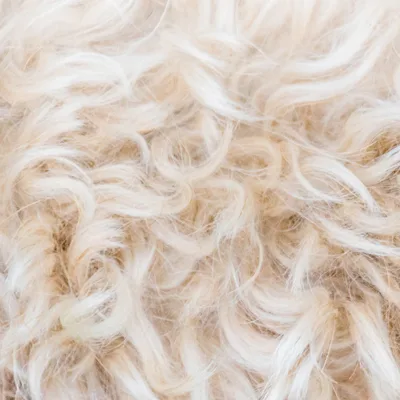
Verifying the physical dimensions and material composition is critical to ensuring the product meets functional expectations. Listings indicate a standard size of 7cm, with some suppliers offering custom sizes within the 6-10cm range. Buyers should confirm the exact diameter and weight of individual units, as observed gross weights vary from 0.040 kg to 0.800 kg per single package, suggesting inconsistencies in how "single item" weight is defined or the inclusion of packaging in weight measurements. The material is predominantly described as 100% New Zealand Wool, but buyers must request fiber analysis reports to confirm purity and origin, especially given the conflicting data regarding purity levels in some listings.
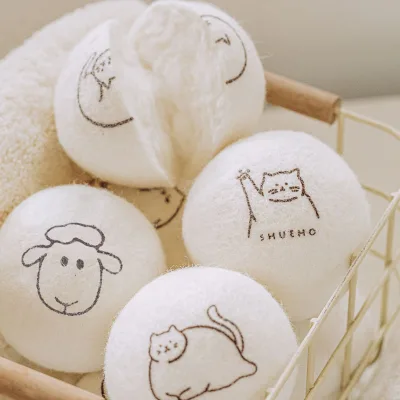
Construction details and model numbers provide additional layers of verification. Common model identifiers include "Cartoon wool ball-Z1," "Wool dryer ball," "yd-41," "007," and "NX-WDB," which may correspond to different manufacturing batches or supplier internal codes. The shape is consistently described as round spheres, with some listings emphasizing a "handmade" feature. Buyers should verify whether the "handmade" claim refers to the felting process or the final assembly, as this affects durability and consistency. Additionally, the product life cycle is estimated at one year, a metric that should be validated through durability testing to ensure the balls maintain their structural integrity and effectiveness over multiple laundry cycles.
Compliance and Safety Documentation
While specific certifications like GOTS and OEKO-TEX are mentioned in background data, they are not confirmed as standard for all suppliers. Buyers must proactively request valid certification documents if organic or chemical-free claims are central to their procurement strategy. Without these documents, the "organic" label may be marketing-driven rather than substantiated by third-party verification. It is essential to clarify whether the wool is treated with any chemical agents during the felting process, as this could impact the product's safety for use in households with sensitive individuals or pets.
Safety and performance standards should be aligned with the intended market regulations. Although no specific numerical standards are provided in the observed data, buyers should ensure that the wool balls meet relevant textile safety regulations in their destination country. This includes verifying that the product does not shed excessive fibers that could clog dryer vents or pose inhalation risks. Documentation should also cover the origin of the wool, with Hebei, China, and Pingxiang Jiangxi cited as common places of origin. Buyers should assess the supply chain transparency to ensure that the wool sourcing does not involve unethical practices, particularly if the product is marketed as ethically produced or organic.
Cost Drivers and Commercial Terms
The cost of wool dryer balls is influenced by several factors, including material quality, customization options, and packaging choices. The observed price range of $0.04 to $1.50 USD reflects these variables, with lower prices likely corresponding to standard, non-customized products in bulk quantities, and higher prices associated with custom logos, specific colors, or premium packaging. MOQs as low as 1 piece allow for sample testing and small-batch customization, while higher MOQs up to 6,000 pieces may offer better unit economics. Buyers should negotiate based on volume tiers and clearly define the cost implications of custom features, such as logo printing or specific color matching.
Packaging details significantly impact the total landed cost. Options range from simple PP bags to more premium felt or cotton bags, which can enhance perceived value but increase material and labor costs. The single package size is often listed as 8x8x8 cm, which aids in calculating shipping volume and freight costs. Buyers should also consider the lead times associated with different production volumes and customization requests. While specific lead times are not provided, it is prudent to inquire about production schedules, especially for orders requiring custom logos or specific packaging solutions, to ensure timely delivery and alignment with inventory planning.
Supplier Qualification and Quality Control
Supplier qualification should focus on verifying the authenticity of material claims and the consistency of production quality. Given the variation in material descriptions, buyers should request samples to physically inspect the wool quality, checking for uniformity in size, shape, and density. The "handmade" aspect should be evaluated for consistency, as manual processes can introduce variability. Suppliers should be able to provide detailed information about their manufacturing processes, including the felting technique used and any quality control measures in place to ensure each ball meets the specified dimensions and weight.
Quality control protocols should include random sampling and testing for durability and shedding. Buyers should establish clear acceptance criteria for product defects, such as irregular shapes, loose fibers, or incorrect colors. It is also important to verify the supplier's ability to maintain consistency across large orders, especially when custom logos or specific packaging are required. Communication regarding product specifications, such as model numbers and color codes, should be documented to prevent misunderstandings. Regular audits or third-party inspections may be necessary for high-volume orders to ensure that the delivered goods match the approved samples and agreed-upon specifications.
Long-Term Procurement Checks
Long-term procurement success depends on establishing a reliable supply chain that can adapt to changing market demands and quality expectations. Buyers should monitor supplier performance over time, tracking metrics such as on-time delivery, defect rates, and responsiveness to issues. Regular re-evaluation of material certifications is crucial, especially if the product is marketed as organic, to ensure that certifications remain valid and are not revoked. Building a strong relationship with suppliers can facilitate better pricing, priority production, and access to new product developments, such as improved felting techniques or eco-friendly packaging options.
Continuous improvement in product design and functionality should be encouraged through feedback loops with end-users. Observations indicate that features like shortened drying time and dehumidification are key selling points, so buyers should gather data on customer satisfaction regarding these benefits. Additionally, staying informed about industry trends and regulatory changes in the textile and laundry aid sectors will help buyers anticipate potential challenges and opportunities. By maintaining a disciplined approach to verification and relationship management, buyers can secure a steady supply of high-quality wool dryer balls that meet both commercial and ethical standards.
FAQs
What material is used for the wool dryer balls?
The product is made from 100% New Zealand Wool. This natural material ensures durability and effective drying performance for home laundry cleaning applications.
How does the product help with drying clothes?
These balls function as a dryer helper to shorten drying time. They absorb moisture and improve air circulation within the dryer drum for efficient results.
What is the minimum order quantity for these balls?
The minimum order quantity is 1 piece. Buyers can start with a single item to test the product before committing to larger bulk orders.
Can I request a custom logo on the product?
Yes, custom logo printing is available for this product. Buyers can personalize the wool dryer balls to match their brand identity or specific requirements.
What are the available color options for the balls?
The balls come in colors including white, gray, dark grey, sky blue, pink, and black. Multiple color choices allow for versatile selection based on preference.
Where is the product manufactured and what is the origin?
The product originates from Hebei, China, with some listings noting Jiangxi as the origin. This location determines the shipping logistics and production standards.
What is the typical size of the wool dryer balls?
The standard size is 7cm, with a general specification range of 6-10cm. Custom sizes are also available to meet specific dryer requirements.
How long is the expected life cycle of the product?
The product has an estimated life cycle of 1 year. This duration reflects the durability of the handmade wool construction under normal usage conditions.