Source Organic Hami Melon Powder for Food, Cosmetics, and Health
Find 30 verified suppliers of Organic Hami Melon Powder for food, cosmetics, and health care applications. Compare specifications including extraction type, solubility, and packaging options to identify the best match for your production needs.
Key considerations
Products List






Comprehensive Sourcing Guide
Strategic Sourcing Guide for Organic Hami Melon Powder
Understanding Product Variants and Technical Specifications
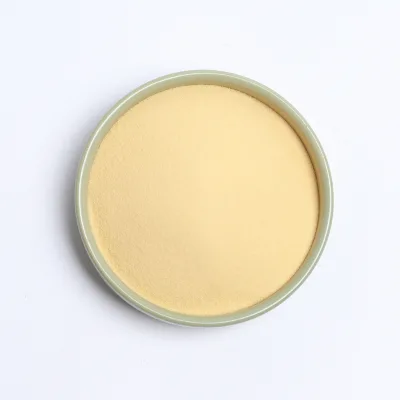
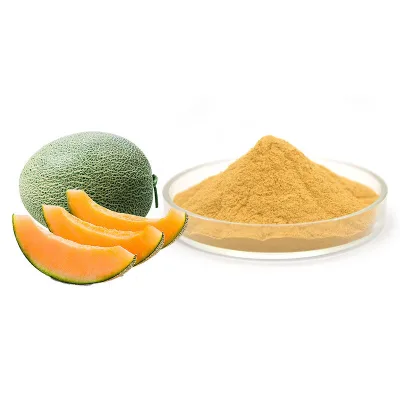
When sourcing Organic Hami Melon Powder, buyers must first navigate the diverse technical landscape presented in the market. The core keyword often masks significant variations in physical form, extraction methods, and chemical composition. Based on observed market data, the product is available in multiple states, including powder, puree, and whole forms, though the specific request for powder narrows the focus to dried extracts. The physical characteristics of the powder are critical for formulation. Observed specifications indicate a color profile described as "Light Yellow Fine Powder," which serves as a primary visual quality indicator for buyers during initial sampling.
The solubility of the powder is another paramount technical specification. Market observations suggest that high-quality variants achieve "100% Water Solubility," a trait essential for beverages, clear liquids, and applications where sedimentation is unacceptable. However, buyers must verify this claim against specific batch data, as solubility can vary based on the particle size and the specific drying method employed. The extraction process itself is a key differentiator. While some products utilize solvent extraction to maximize yield, others may employ different methods. The standard assay methods for verifying the potency and purity of these extracts include UV, HPLC, and HPLC-MS. These analytical techniques are non-negotiable for confirming that the final powder meets the stated concentration ratios, such as the observed "10:1" or "20:1" extract ratios found in the supply chain.
Furthermore, the botanical identity must be rigorously confirmed. The Latin name Cucumis Melo is the definitive scientific identifier for the source material. While some listings may refer to the product simply as "Hami Melon" or "Cucumis Melo Extract," the consistency of the Latin nomenclature ensures that the buyer is sourcing the correct cultivar. The raw material is derived from plants, specifically the fruit of the Cucumis Melo species. Buyers should be aware that the product may also be categorized under broader classifications like "Herbal Extract" or "Synthetic Flavor," though the former is more accurate for organic plant-derived powders. The distinction between a natural extract and a synthetic flavor is vital for organic certification compliance, as synthetic additives are generally incompatible with strict organic standards.
Compliance Framework and Certification Verification
In the B2B procurement of food and health ingredients, compliance is not merely a formality but a prerequisite for market access. The supply chain for hami melon powder often involves multiple jurisdictions, necessitating a robust verification of certifications. The most frequently observed certifications in the market include HACCP, FDA, and ISO. These standards indicate that the manufacturer adheres to rigorous food safety management systems and quality control protocols. For buyers targeting international markets, particularly the United States and Europe, FDA registration and ISO certification are often mandatory requirements for importation.
A more comprehensive compliance profile may include RoHS certification, which, while primarily associated with electronics, can appear in broader supply chain listings indicating a manufacturer's adherence to strict environmental and material safety standards. However, buyers must exercise caution when interpreting these certifications. The presence of a certification label does not automatically guarantee that every batch of product is compliant; rather, it indicates that the facility has the systems in place to produce compliant goods. The specific standard "99%" or "100%" purity mentioned in some listings refers to the assay results of the active compounds or the purity of the extract, rather than a blanket certification status.
For organic sourcing, the distinction between "Food Grade" and "Organic" is critical. While many suppliers list their products as "Food Grade," this is a general classification that does not inherently imply organic farming practices. Buyers must explicitly request documentation proving organic status, such as organic certificates from recognized bodies, as the provided data does not explicitly confirm organic certification for all listed variants. The application of the product also dictates the necessary compliance checks. If the powder is intended for "Health Care Products," "Cosmetics," or "Medicine," the regulatory hurdles are significantly higher than for standard food applications. In such cases, the manufacturer must demonstrate adherence to Good Manufacturing Practices (GMP) and provide detailed batch testing records.
Cost Drivers and Pricing Dynamics
The pricing of Organic Hami Melon Powder is influenced by a complex interplay of factors, including raw material availability, extraction complexity, and packaging requirements. The observed price range in the market spans from $0.10 to $789.00 USD, a disparity that reflects the vast differences in product grade, concentration, and order volume. At the lower end of the spectrum, prices likely correspond to bulk raw materials or lower-concentration extracts, whereas the higher end may represent highly purified, specialized formulations or small-batch organic certifications.
Order volume is a primary driver of cost. The Minimum Order Quantity (MOQ) ranges from 1 unit to 200 units, suggesting that buyers can access the market at various scales. However, smaller MOQs often carry a premium per unit due to the fixed costs of production setup and quality control. Conversely, larger orders benefit from economies of scale but require significant capital outlay and storage capacity. The packaging method also impacts the final cost. Options include outer cartons of 10kg with inner packages of 1kg or 2.5kg, as well as bulk drums or bags. Custom packaging, where the buyer decides the specifications, adds a layer of complexity and cost to the procurement process.
Storage requirements further influence the total cost of ownership. The product requires cold temperature storage, specifically at -18ºC, to maintain a shelf life of 24 months. This requirement necessitates specialized cold chain logistics, which can be a significant expense for buyers in regions without robust cold storage infrastructure. The shelf life itself is a critical economic factor; a 24-month shelf life in -18ºC storage allows for longer inventory cycles, reducing the frequency of reordering and the risk of product spoilage. However, if the product is stored at room temperature, the shelf life may be reduced to 12 months, potentially increasing the cost per unit over time due to more frequent replenishment.
Typical Applications and Formulation Considerations
The versatility of hami melon powder makes it a valuable ingredient across multiple industries. The primary applications identified include health care products, food, cosmetics, and medicine. In the food industry, the "Sweet" taste profile of the powder makes it an ideal natural flavoring agent for beverages, dairy products, and confectionery. The "Whole" style of the fruit, when processed into powder, retains the characteristic flavor profile that consumers associate with fresh hami melon. The "Normal" warmth attribute suggests that the powder is stable under standard processing conditions, making it suitable for a wide range of food manufacturing processes.
In the health care and cosmetic sectors, the application forms are more specific. The powder is commonly utilized in the production of capsules, tablets, and pastes. The "100% Water Soluble" nature of the extract is particularly advantageous for liquid formulations, ensuring uniform distribution of the active ingredients. For cosmetic applications, the extract may serve as a functional ingredient, potentially offering antioxidant or soothing properties, though specific performance claims must be verified against clinical data. The "Assay Method" of UV, HPLC, and HPLC-MS allows manufacturers to precisely quantify the active compounds, ensuring consistent efficacy in their final products.
The choice of application also dictates the required purity and standard. For instance, a product intended for "Medicine" must meet stricter purity standards than one intended for general food flavoring. The observed standard of "100%" or "99%" purity is a benchmark that buyers should verify for their specific use case. Additionally, the "Extract Source" being "Hami Melon" ensures that the flavor and functional properties are authentic. Buyers should consider the interaction of the powder with other ingredients in their formulation. The "Light Yellow Fine Powder" color may influence the visual appearance of the final product, which is a critical consideration for consumer-facing items.
Supplier Evaluation and Quality Control Protocols
Selecting the right supplier is a critical step in the procurement process. The market data indicates that suppliers are located in various regions of China, including Shanxi, Xi'an, and Shannxi. While these locations are known for agricultural production, buyers must verify the specific capabilities of each supplier. The "Place of Origin" is a key factor, as it can influence the quality of the raw material due to regional soil and climate conditions. Shanxi, in particular, is noted as a source of high-quality produce, but this should be confirmed through site audits or third-party verification.
Quality control is the backbone of a reliable supply chain. Buyers should demand detailed test reports for every batch, focusing on the "Assay Method" results. The presence of certifications like HACCP, FDA, and ISO is a positive indicator, but it is essential to review the actual scope of these certifications. Do they cover the specific extraction process? Are they current? The "Samples: Free" offering is a valuable tool for initial evaluation, allowing buyers to assess the physical properties, solubility, and taste of the powder before committing to a large order.
When evaluating suppliers, buyers should also consider their flexibility regarding packaging and customization. The ability to decide on the "prod_packing" allows buyers to tailor the product to their specific logistics and retail needs. However, this customization capability must be balanced against the supplier's ability to maintain quality standards. A supplier that offers extensive customization but lacks rigorous quality control is a significant risk. The "Standard" of "S/M/L" for product size or grading indicates that the supplier has a structured quality grading system, which is a positive sign of operational maturity.
Long-Term Procurement and Supply Chain Stability
Sourcing Organic Hami Melon Powder is not a one-time transaction but a long-term partnership that requires careful planning. The "Shelf Life" of 24 months in -18ºC storage provides a window for inventory management, but it also necessitates a robust cold chain strategy. Buyers must ensure that their logistics partners can maintain the required temperature throughout the transit and storage phases. Any deviation from the -18ºC standard can compromise the product quality and shorten the shelf life, leading to financial losses.
The "Maturity" of the product, listed as "100%," suggests that the supply chain is capable of delivering fully processed and ready-to-use material. However, buyers should monitor the consistency of this maturity over time. Seasonal variations in the raw material harvest can impact the supply of high-quality hami melon. Suppliers with a stable source of raw material, such as those in Shanxi, are better positioned to maintain consistent quality year-round.
Long-term procurement also involves managing the relationship with the supplier regarding "Customization." As market trends evolve, buyers may need to adjust the product specifications, such as particle size or concentration. A supplier that is responsive to these changes and can adapt their production lines accordingly is essential for maintaining a competitive edge. The "Model Number" and "Product Name" variations in the market data highlight the need for clear communication to ensure that the buyer receives the exact specification required.
Finally, buyers should plan for potential supply chain disruptions. The "Lead Time" and "MOQ" constraints can vary, and having a diversified supplier base can mitigate risks. While the data suggests a range of MOQs from 1 to 200, buyers should negotiate terms that allow for flexibility in order quantities without incurring excessive costs. By focusing on these long-term considerations, buyers can build a resilient supply chain that ensures a steady flow of high-quality Organic Hami Melon Powder for their operations.
Comparative Analysis of Product Attributes
To facilitate decision-making, the following table summarizes the key attributes observed in the market for Organic Hami Melon Powder. This comparison highlights the variations in specifications, certifications, and packaging that buyers must evaluate.
| Attribute Category | Observed Variations | Key Verification Points |
|---|---|---|
| Physical State | Powder, Puree, Whole, Dice, Slice, Cube, Ball | Confirm "Powder" specifically; check particle size. |
| Color & Solubility | Light Yellow Fine Powder; 100% Water Soluble | Verify solubility in target medium; check color consistency. |
| Extraction & Purity | Solvent Extraction; 10:1, 20:1, 99%, 100% | Request assay reports (UV, HPLC); confirm extraction method. |
| Certifications | HACCP, FDA, ISO, RoHS | Verify current status and scope; check organic certification. |
| Packaging | 10kg Carton/1kg Inner; 25kg Drum; Custom | Confirm inner/outer packaging compatibility with logistics. |
| Storage & Shelf Life | -18ºC (24 Months); Cool Dry Place (12 Months) | Ensure cold chain capability; plan for storage costs. |
| Origin | Shanxi, Xi'an, Shannxi (Mainland) | Verify specific farm or facility location for traceability. |
| Applications | Food, Health Care, Cosmetics, Medicine | Match product grade to regulatory requirements of end-use. |
This table serves as a checklist for buyers to ensure they are not overlooking critical details when evaluating potential suppliers. By systematically addressing each attribute, buyers can minimize risks and secure a supply of Organic Hami Melon Powder that meets their specific operational and quality standards.
FAQs
What is the shelf life of Organic Hami Melon Powder?
The product maintains a 24-month shelf life when stored at -18°C. If stored in a cool dry place without freezing, the shelf life reduces to 12 months.
Which certifications do manufacturers typically hold?
Common certifications include HACCP, FDA, ISO, and sometimes RoHS. These indicate adherence to food safety and quality management systems required for international trade.
How is the powder extracted from the fruit?
The extract is derived from plants using solvent extraction methods. The raw material is confirmed as Cucumis Melo, ensuring authentic botanical identity for the final powder.
Can buyers customize the packaging specifications?
Yes, packaging is decided by the customer with options like 10kg cartons or 25kg drums. This flexibility allows adaptation to specific logistics and retail requirements.
What is the solubility profile of the extract?
High-quality variants achieve 100% water solubility, making them ideal for clear liquids. This trait ensures uniform distribution in beverages and cosmetic formulations without sedimentation.
Which assay methods verify the product purity?
Purity is verified using UV, HPLC, and HPLC-MS analytical techniques. These methods confirm the concentration ratios, such as 10:1 or 20:1, and ensure batch consistency.
What is the typical minimum order quantity?
The minimum order quantity ranges from 1 unit to 200 units depending on the supplier. Smaller orders may carry a premium, while larger volumes benefit from economies of scale.