Source Organic Herbal Hair Coloring Shampoo for grey coverage, home use, and salon results
Explore 30 listings for Organic Herbal Hair Coloring Shampoo featuring ammonia-free formulas and long-lasting color. Buyers can compare specifications, certifications, and customization options to find suitable suppliers for various hair needs.
Key considerations
Products List


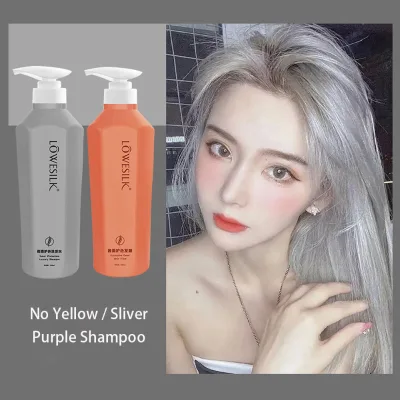
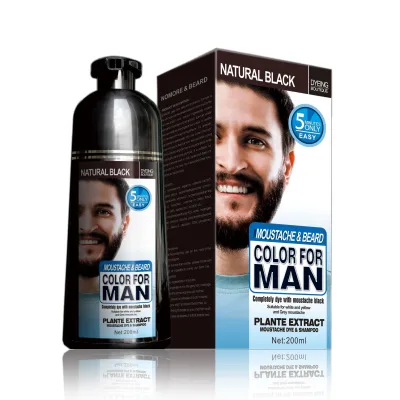
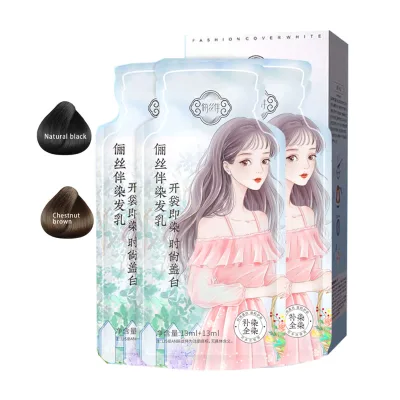


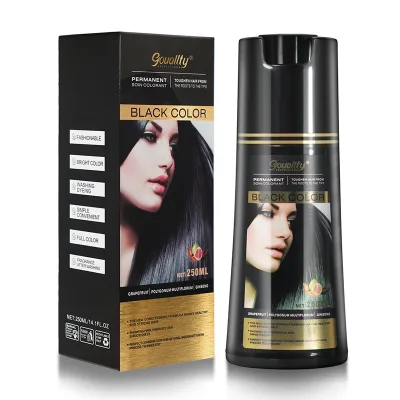


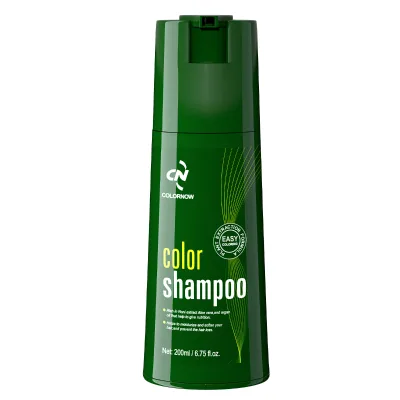


Organic Hair Shampoo & Conditioner for Smooth, Soft, Shiny, and Nourished Hair Care
$1.51 - $4.98
MOQ: 10000 Pieces


Comprehensive Sourcing Guide
Strategic Sourcing Guide for Organic Herbal Hair Coloring Shampoo
The global demand for hair coloring solutions has shifted significantly toward formulations that prioritize scalp health, natural ingredients, and ease of application. For procurement professionals seeking "Organic Herbal Hair Coloring Shampoo," the market presents a complex landscape of product types, ranging from permanent dyes to semi-permanent washes. This guide synthesizes available market data to provide a disciplined framework for evaluating suppliers, verifying technical specifications, and managing the procurement lifecycle without relying on unverified claims or speculative data.
Understanding Product Formulations and Technical Specifications
The first step in sourcing is distinguishing between the specific technical attributes of the product. In the current market, "hair color shampoo" is not a monolithic category but encompasses distinct formulations with different chemical properties and application methods. Buyers must verify whether the product is a permanent dye, which typically involves a chemical reaction to alter hair pigment, or a semi-permanent option that coats the hair shaft.
Data indicates that the market offers both Permanent and Semi-Permanent variants under the same broad keyword. A critical technical differentiator is the presence of ammonia. Many modern formulations advertise "No Ammonia" as a primary feature to reduce odor and scalp irritation. Furthermore, the physical form of the product varies; while some listings describe the product as a Cream, others specify a Lotion consistency. This distinction impacts packaging requirements and dispensing mechanisms.
The ingredient profile is equally vital for the "herbal" claim. Sourcing guides must confirm if the formulation relies on Herbal ingredients as a core component. The product functions primarily for Hair Coloring, with specific advantages such as the ability to Reduce Unwanted, Strong Yellow Tones or provide Full Grey Coverage. The packaging standards observed in the market include various volume configurations, such as 25ml, 200ml, 250ml, 280ml, and 400ml. Procurement teams must align their order specifications with these standard volumes to ensure compatibility with existing distribution channels.
Compliance, Certification, and Safety Standards
In the cosmetics and personal care sector, regulatory compliance is non-negotiable. When sourcing from regions like China or specifically Guangdong China, buyers must verify that the manufacturing facility adheres to recognized international standards. The presence of ISO/GMPC (Good Manufacturing Practice for Cosmetics) certification is a strong indicator of a supplier's commitment to quality control and hygiene.
However, the term "organic" is often used loosely in marketing. Buyers should not assume that a product labeled "herbal" automatically meets strict organic certification standards unless explicitly documented. The verification process should include requesting valid certificates from the supplier. Additionally, the product's origin must be clearly stated. While many suppliers list China as the origin, specific regions like Guangdong may offer different logistical advantages regarding supply chain proximity to manufacturing hubs.
Safety features are also a critical component of compliance. Products are often marketed with claims such as No Stain Skin, No Stain Hand and Scalp, and No Irritation. While these are desirable attributes, they must be substantiated by safety data sheets (SDS) and patch test results. The absence of specific damaging agents, such as those that cause Scalp Damage, should be confirmed through the supplier's quality assurance documentation. For B2B buyers, the OEM/ODM capability is essential; suppliers should be able to accommodate Your Label/Design/Cream Color/Formula requirements to meet local regulatory needs and brand identity.
Cost Drivers and Supply Chain Economics
The pricing structure for hair coloring shampoos is influenced by several variables, including volume, formulation complexity, and packaging. The observed market price range for these products spans from $0.01 to $4.98 USD per unit. This wide range suggests significant variation based on the specific product model, such as WNYHD030, WNYHD027, WNYHD016, or AR250-2. Lower price points may correspond to smaller sample sizes or basic formulations, while higher prices likely reflect premium herbal ingredients, larger volumes (e.g., 400ml), or advanced color-protection technologies.
Minimum Order Quantity (MOQ) is another critical cost driver. The market exhibits an MOQ range from 1 to 10,000 units. Buyers with smaller budgets may find suppliers willing to accept low MOQs, but this often comes with a higher unit cost. Conversely, larger orders can leverage economies of scale. The Supply Ability of a supplier is a key metric; for instance, a capacity of 10,000 Kilograms per Week indicates a robust production line capable of handling large-scale orders without significant delays.
Packaging logistics also impact the final cost. Standard packing configurations, such as 250ml*60PCS/CTN or 280ml/Bottle, 60 Bottles/CTN, are common. These standardized carton sizes optimize shipping efficiency and reduce freight costs. Buyers should calculate the cost per unit based on the total carton weight and volume rather than just the individual bottle price to ensure accurate budgeting.
Supplier Evaluation and Factory Capabilities
Evaluating a supplier requires looking beyond the product listing to the underlying manufacturing capabilities. A significant advantage in the market is the presence of suppliers with More Than 20 Years Experience and their own Lab and Engineering teams. This in-house capability suggests that the supplier can handle custom formulations, adjust color shades, and troubleshoot production issues without relying on third-party contractors.
The Factory Advantage often includes the ability to provide samples. Buyers should verify if Sample availability is confirmed before placing a bulk order. This allows for physical testing of the product's texture, color payoff, and scent. The Brand Name associated with the product, such as Argandarich, may indicate a specific manufacturer's portfolio, but buyers should be cautious of rebranding. The core evaluation should focus on the supplier's ability to deliver Your Label/Design requirements, ensuring that the final product aligns with the buyer's brand identity.
When comparing suppliers, the following table outlines key evaluation criteria based on observed market data:
| Evaluation Criteria | Key Observation | Verification Action |
|---|---|---|
| Certification | ISO/GMPC listed | Request current valid certificates |
| Experience | >20 Years in industry | Verify business license and history |
| R&D Capability | Own Lab and Engineering team | Request details on custom formula development |
| Production Capacity | 10,000 kg/week | Confirm ability to meet projected demand |
| Customization | OEM/ODM available | Discuss specific label and formula requirements |
| Sample Availability | Available | Order samples for quality testing |
Quality Control and Performance Verification
Quality control in hair coloring products is multifaceted, involving both chemical stability and user experience. The product must deliver on its functional promises, such as Long Lasting Color and Wash-Resistant Color. Buyers should test the product for Color-Protection and Refreshing qualities to ensure it meets the expectations of the end consumer.
The Feature set often includes Nourishes Hair Cuticles and Mild Fragrance. These attributes are not merely marketing fluff but are critical for user retention. A product that stains the skin or causes irritation will fail in the market regardless of its color payoff. Therefore, quality control protocols must include rigorous testing for No Stain Hand and Scalp and No Irritation.
The Advantage of Fast to Color Hair is another performance metric that requires verification. Buyers should test the processing time to ensure it aligns with the claimed speed. Additionally, the product's Function to Reduce Unwanted, Strong Yellow Tones must be validated through colorimetric analysis or visual inspection on various hair types. The Age Group is specified as Adult, and the Gender is Unisex, which implies the formulation must be safe and effective for a broad demographic.
Long-Term Procurement Considerations
Sourcing for the long term requires a strategic approach that goes beyond the initial transaction. Buyers should consider the Supply Ability of the supplier to ensure consistency. A supplier with a 10,000 Kilogram/Kilograms Per Week capacity is better positioned to handle fluctuations in demand than one with limited output.
The Customization aspect is crucial for brand differentiation. Suppliers that offer OEM/ODM services allow buyers to create unique products that stand out in a crowded market. The ability to adjust the Formula or Cream Color based on market feedback is a significant long-term advantage. Furthermore, the Packing options should be flexible enough to accommodate different market requirements, such as the 25ml travel sizes or 400ml bulk sizes.
Finally, buyers must maintain a clear understanding of the Product Name and Model specifications. Whether ordering Argandarich Hair Color Shampoo or a generic model like K280, consistency in ordering is essential to avoid supply chain disruptions. The Origin of the product, typically China, should be clearly documented for customs and regulatory compliance. By focusing on these long-term factors, buyers can build a resilient supply chain that supports their brand growth and ensures product quality over time.
Conclusion
Sourcing Organic Herbal Hair Coloring Shampoo requires a meticulous approach that balances technical specifications, regulatory compliance, and supply chain reliability. The market offers a diverse range of products, from Permanent to Semi-Permanent formulations, with varying volumes and ingredient profiles. Buyers must verify certifications like ISO/GMPC, evaluate supplier capabilities such as in-house labs, and conduct rigorous quality control tests to ensure the product meets safety and performance standards. By adhering to these disciplined sourcing practices, procurement professionals can secure high-quality products that deliver value to their end consumers while mitigating the risks associated with the cosmetics industry.
FAQs
What certifications do Organic Herbal Hair Coloring Shampoo manufacturers hold?
Suppliers typically hold ISO/GMPC certification to ensure quality and safety standards. This verification confirms adherence to Good Manufacturing Practices for cosmetics, which is critical for products originating from China or Guangdong.
How can I customize the formula and packaging for my brand?
OEM and ODM services are available to accommodate your specific label, design, cream color, and formula requirements. Suppliers with over 20 years of experience often provide in-house labs to support these customizations effectively.
What are the standard volume specifications available for this product?
Standard product volumes include 25ml, 200ml, 250ml, 280ml, and 400ml options depending on the model. Buyers should align their orders with these standard configurations to ensure compatibility with distribution channels.
Can I order samples before committing to a bulk purchase?
Yes, sample availability is confirmed for many suppliers to allow for physical testing of texture and color payoff. This step ensures the product meets safety and performance standards before finalizing the order.
What is the typical supply capacity for weekly production runs?
Some suppliers demonstrate a supply ability of 10,000 kilograms per week, indicating robust production lines. This capacity supports large-scale orders while maintaining consistency in delivery schedules for B2B clients.
Which features ensure the product is safe for scalp and skin?
Key safety features include claims of no ammonia, no skin staining, no irritation, and no scalp damage. These attributes are essential for products designed for unisex use and all hair types.