Source Organic Herbal Moisturizing Body Wash for Bath
Explore 30 listings for Organic Herbal Moisturizing Body Wash suitable for daily cleansing and skin care. Compare features like oil control, whitening, and deep cleaning across various formulations including strawberry and honey variants. Find suitable options for OEM and private label needs.
Key considerations
Products List
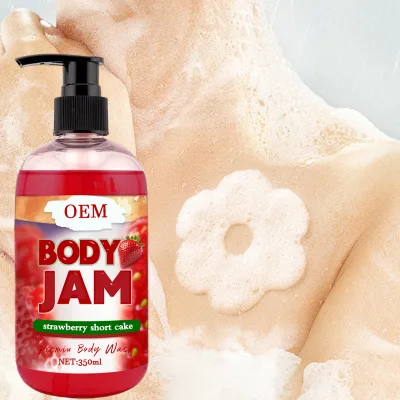
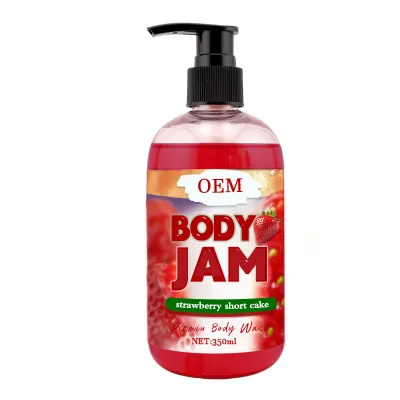
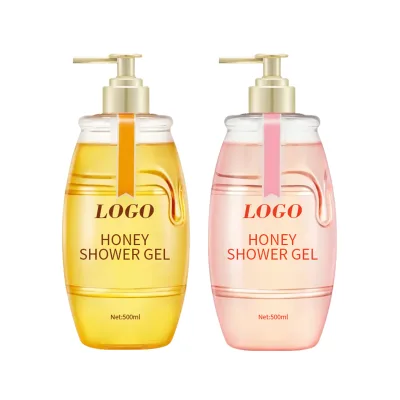


Herbal Bath Body Wash Moisturizing Smoothing Natural Body Wash Shower Gel
$1.00 - $1.20
MOQ: 5000 Pieces

High Foam Natural Organic Skin Brightening Body Care Shower Gel Body Wash
$0.50 - $0.55
MOQ: 5000 Pieces


Whitening Moisturizing Fragrant Hydrating Body Wash for Women All Skin Types
$1.50 - $2.50
MOQ: 500 Pieces


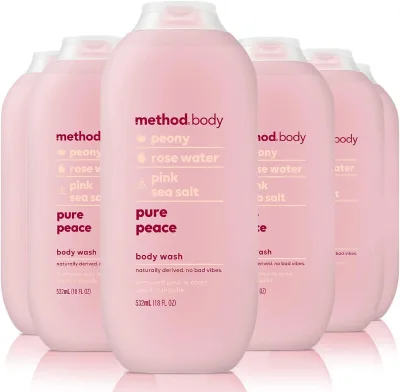
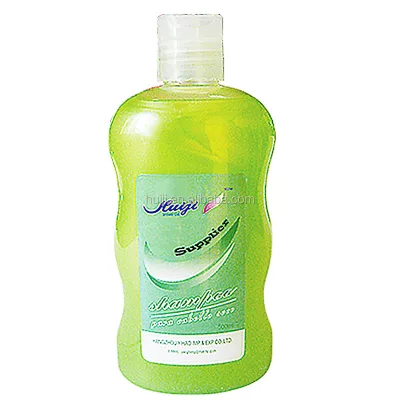


Hot OEM Private Label Organic Amino Acid Refreshing Perfumed Moisturizer Body Wash
$0.72 - $0.81
MOQ: 1240 Pieces


200ml Nourishment Organic Wholesale Hydrated Radiance Brightening Milk Moisturizing Body Wash
$0.72 - $0.94
MOQ: 1070 Pieces
Comprehensive Sourcing Guide
Organic Herbal Moisturizing Body Wash Sourcing Guide
Buyers must first distinguish between the specific product variations observed in the market, as the core keyword often masks distinct formulations. The supply data reveals a clear split between strawberry-scented gels containing fruit acids and salicylic acid, and honey-based liquid washes featuring natural plant extracts. Understanding these divergent ingredient profiles is critical before initiating contact, as the functional benefits of deep cleaning and oil control differ significantly from the nourishing and lightening effects of honey-based variants.
Procurement decisions should also account for the target demographic and application environment, which vary across the observed listings. While some products are explicitly marketed for male users with a focus on daily bath cleansing, others are tailored for female consumers with applications extending to hotel, salon, and spa settings. This segmentation dictates the necessary customization capabilities, such as OEM or ODM services, and influences the selection of packaging sizes ranging from sample units to standard 350ml or 500ml volumes.
Product Scope and Observed Listing Signals
The market signals indicate a strong emphasis on multifunctional attributes, where products combine deep cleaning with moisturizing and whitening effects. Buyers should verify if the specific listing supports the claimed "natural organic herbal" status alongside chemical actives like niacinamide or fruit acids, as the ingredient lists often mix these categories. The presence of strawberry jam or lemon scents suggests a sensory-driven marketing approach, requiring buyers to confirm if the fragrance profile aligns with the intended brand positioning for home or professional use.
Volume and form factor are key differentiators that impact logistics and shelf appeal, with observations showing both gel and liquid forms in 350ml and 500ml containers. The color variations, ranging from red to pink, often correlate with the primary scent or active ingredient, such as strawberry or honey. Sourcing strategies must evaluate whether the supplier can maintain consistency in these visual and textural attributes, as these are primary touchpoints for retail buyers and end consumers evaluating product quality.
Technical Specifications to Verify
Technical verification must begin with the skin type compatibility, as the listings claim suitability for all skin types, including sensitive, dry, and oily variants. Buyers should request specific formulation data to confirm that the inclusion of salicylic acid or fruit acids does not compromise the safety profile for sensitive skin users. The distinction between products designed for general daily cleansing and those targeting specific skin revitalization requires a clear understanding of the active ingredient concentrations to ensure the product meets the intended therapeutic or cosmetic claims.
The physical properties of the product, including viscosity and pH balance, are essential for determining stability and user experience. Observations note a gel form for some variants and a liquid or lotion form for others, which affects dispensing mechanisms and packaging compatibility. Procurement teams must validate that the chosen form factor remains stable under various storage conditions and that the specified volume accurately reflects the net content, ensuring that the product performs consistently during the bath or shower application.
Compliance and Safety Documentation
Safety documentation is paramount when sourcing products containing active ingredients like salicylic acid, vitamin B, or organic extracts. Buyers must ensure that the supplier provides comprehensive safety data sheets and ingredient declarations that align with the destination market's regulatory requirements. The presence of "chemical" and "organic" ingredients in the same formulation necessitates clear labeling to avoid consumer confusion and to meet strict advertising standards regarding natural claims.
Regulatory compliance extends to the manufacturing location and the specific certifications held by the facility in Guangdong, China. While the supply data does not list specific certification numbers, buyers should verify that the production process adheres to international quality management standards. This includes confirming that the product undergoes necessary testing for microbial contamination and heavy metals, particularly given the use of natural plant extracts and honey which can introduce biological variability if not properly processed.
Cost Drivers and Commercial Terms
Cost structures are heavily influenced by the complexity of the formulation and the level of customization required, such as private labeling or OEM services. The observed MOQ range of 5 to 10,000 units suggests flexibility for both sample testing and large-scale distribution, but buyers must clarify how pricing tiers adjust with volume. The inclusion of premium ingredients like hyaluronic acid or specific herbal extracts will likely drive unit costs higher compared to standard soap-based formulations, requiring a detailed cost breakdown to negotiate effectively.
Commercial terms must also address the lead times and shipping logistics associated with the diverse product attributes, such as the different volumes and fragrances. Buyers should establish clear agreements on how price fluctuations in raw materials, particularly organic herbs and fruit acids, will be managed over the contract period. Additionally, the cost of customization, including mold fees for unique packaging or specific scent blending, should be explicitly defined to prevent unexpected expenses during the production phase.
Supplier Qualification and Quality Control
Supplier qualification should focus on their capacity to deliver consistent quality across the varied product lines, from strawberry-scented gels to honey-based liquids. Buyers must assess the supplier's track record in handling OEM and ODM projects, ensuring they have the technical expertise to maintain the specific texture and fragrance profiles observed in the market. The ability to source high-quality raw materials, such as organic extracts and vitamins, is a critical indicator of a supplier's reliability and long-term viability.
Quality control protocols must be rigorous, covering every stage from raw material intake to final packaging. Given the diverse skin type claims, buyers should require evidence of stability testing and patch testing results to validate the safety of the formulations. The supplier should demonstrate a robust system for batch-to-batch consistency, ensuring that the color, volume, and active ingredient concentrations remain within the specified tolerances to maintain brand integrity and consumer trust.
Long-Term Procurement Checks
Long-term procurement success depends on establishing a continuous feedback loop regarding product performance and market reception. Buyers should monitor consumer feedback on the moisturizing and whitening effects to ensure the formulations continue to meet expectations over time. Regular audits of the ingredient supply chain are necessary to verify that the "natural organic herbal" claims remain valid as sourcing conditions and agricultural yields fluctuate.
Strategic planning must also account for potential regulatory changes and evolving consumer preferences regarding organic and chemical-free products. Buyers should maintain open communication with suppliers to anticipate shifts in formulation technology or packaging requirements. By proactively managing these relationships and verifying compliance updates, procurement teams can mitigate risks and ensure a steady supply of high-quality body wash products that align with the core keyword and market demands.
FAQs
What ingredients are in the Organic Herbal Moisturizing Body Wash?
The product contains fruit acid, vitamin B, hyaluronic acid, salicylic acid, and niacinamide alongside natural herbal extracts. Strawberry and lemon scents are available, with some variants featuring honey. These ingredients support deep cleaning, oil control, and skin revitalization for all skin types, including sensitive and dry skin.
Can I get private label services for this body wash?
Yes, OEM, ODM, and private label services are available for this Organic Herbal Moisturizing Body Wash. Buyers can customize formulations and packaging to meet specific brand requirements. This service supports businesses looking to create unique skincare products with herbal and moisturizing properties for the global market.
What is the typical volume for this body wash product?
The standard volume for this Organic Herbal Moisturizing Body Wash is 350ml or 500ml. These sizes are designed for daily bath and body cleansing applications. The product is available in gel or liquid forms, catering to various consumer preferences for moisturizing and whitening effects in personal care routines.
Which skin types is this body wash suitable for?
This Organic Herbal Moisturizing Body Wash is suitable for all skin types, including oily, dry, normal, and sensitive skin. Its formulation focuses on deep cleaning, oil control, and moisturizing. The natural herbal ingredients help nourish and repair the skin, making it a versatile choice for daily body care.
Where is this body wash manufactured?
This Organic Herbal Moisturizing Body Wash is manufactured in Guangdong, China. The production facility supports various customization options, including OEM and ODM services. Buyers can source products with specific herbal ingredients and moisturizing benefits from this region, ensuring quality control and efficient supply chain management for global distribution.
What are the main functions of this body wash?
The main functions include deep cleaning, moisturizing, whitening, and oil control. The organic herbal formula provides refreshing and nourishing effects for the body. It is designed for daily use, helping to smooth and repair skin while maintaining hydration. The product is ideal for those seeking effective body cleansing with skincare benefits.