Source Organic Instant Rose Petal Powder for Beverages, Food, and Cosmetics
Compare 30 listings for organic instant rose petal powder from verified suppliers. Buyers can evaluate specifications like assay methods, certifications, and packaging options to find the best fit for food, beverage, and cosmetic applications; compare the available evidence and request quotations based on your requirements.
Key considerations
Products List








Comprehensive Sourcing Guide
Organic Instant Rose Petal Powder Sourcing Guide
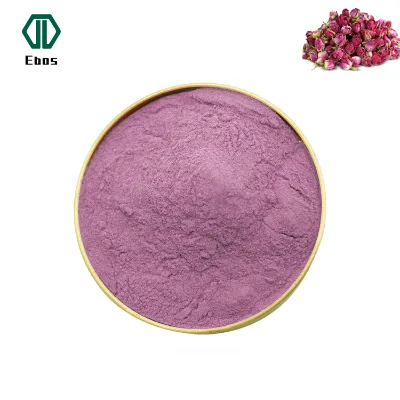
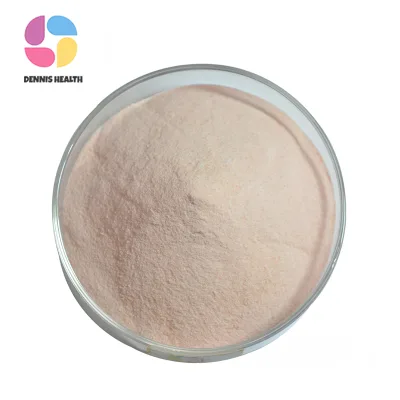
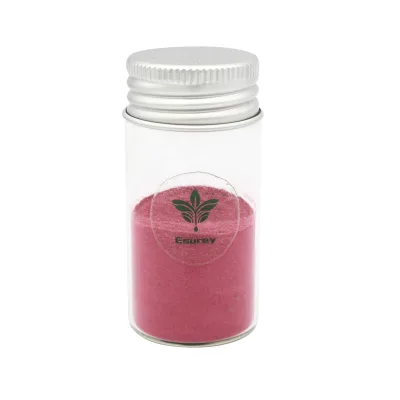
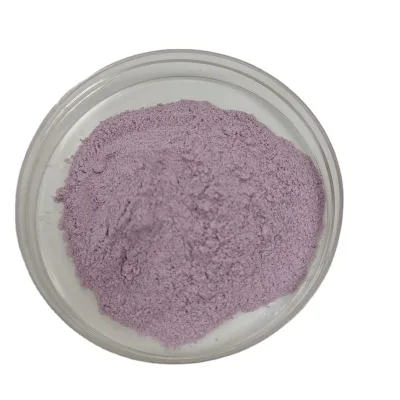
Procuring organic instant rose petal powder requires a disciplined approach to verifying botanical authenticity and processing integrity. Buyers must distinguish between standard dried rose powder and true instant variants, which often undergo specific agglomeration or micronization techniques to improve solubility. The supplied data indicates that products are available in pink to purple hues, with particle sizes typically passing an 80-mesh sieve. This physical characteristic is critical for ensuring uniform dispersion in beverages and food matrices without leaving gritty residues. Sourcing teams should prioritize suppliers who provide clear visual evidence of the powder’s color consistency, as natural variations in rose cultivars can affect the final shade.
Verification of the raw material source is equally important, as the origin significantly influences flavor profile and chemical composition. Many listings originate from regions like Shaanxi, China, a known hub for rose cultivation. Buyers should confirm whether the "organic" designation is backed by recognized certification bodies rather than relying on marketing terms alone. The presence of certifications such as HACCP, ISO, and Kosher suggests a baseline of quality management, but organic compliance requires separate validation. Understanding the supply chain from farm to final packaging helps mitigate risks associated with adulteration or improper storage conditions that could degrade the delicate aromatic compounds in rose petals.
Product Scope and Observed Listing Signals
The market for rose petal powder exhibits a wide range of product specifications, reflecting diverse end-use requirements. Listings show variations in appearance, ranging from pink to blue hues, although rose powder is typically pink to purple. Some products are labeled as "Food Grade" while others specify "Food/Cosmetic" grade, indicating potential dual-use applications. The observed price range of 7-58 USD suggests significant variability based on purity, packaging, and order volume. Buyers must carefully review the product model numbers, such as HZ-Rose Powder or Haoze0232, to ensure they are selecting the correct variant for their specific formulation needs.
Packaging options vary considerably, with suppliers offering foil bags, drums, cartons, and even valum bags. Standard packaging sizes include 1kg bags and 25kg drums, catering to both small-scale testing and bulk industrial production. The shelf life is generally stated as two years, provided the product is stored in cool, dry conditions away from direct sunlight. Some listings highlight customization services, allowing buyers to tailor packaging to their branding or logistical requirements. It is essential to verify the actual net weight and moisture content, as these factors directly impact the powder’s stability and shelf life during transit and storage.
Technical Specifications to Verify
Assay methods are a critical technical parameter for ensuring the potency and purity of rose petal powder. The supplied facts list multiple assay techniques, including HPLC, UV, GPC, and HPLC-MS. High-Performance Liquid Chromatography (HPLC) is particularly important for quantifying specific bioactive compounds such as flavonoids and phenolic acids. Buyers should request detailed assay reports that specify the concentration of these active ingredients, as they determine the functional efficacy of the powder in health care products and foods. The presence of multiple test methods indicates a comprehensive quality control process, but buyers must ensure the results align with their internal specifications.
Particle size distribution and physical appearance are also key technical indicators of product quality. A standard specification of 98% passing an 80-mesh sieve ensures a fine, consistent texture suitable for instant mixing. The color should be a natural pink to purple, reflecting the anthocyanin content of the rose petals. Buyers should verify that the powder is free from visible impurities, stems, or non-petal debris. Additionally, the moisture content should be low enough to prevent clumping and microbial growth, although exact limits are not specified in the provided data. Confirming these physical attributes through sample testing is a prudent step before committing to large orders.
Compliance and Safety Documentation
Certification status is a primary indicator of a supplier’s commitment to quality and safety standards. The observed listings include a range of certifications, such as HACCP, FDA, ISO, BRC, RoHS, Halal, and Kosher. These certifications cover various aspects of production, from hygiene and food safety to religious dietary laws. Buyers should verify the validity of each certificate and ensure they cover the specific product and manufacturing site. For instance, while ISO and HACCP are common, BRC and Halal certifications may be required for specific market segments or customer bases. The presence of a COA (Certificate of Analysis) and MSDS (Material Safety Data Sheet) is also essential for regulatory compliance and safe handling.
Organic certification is a distinct requirement that must be verified separately from general food safety certifications. If the product is marketed as "organic," it must comply with the relevant organic standards of the target market, such as USDA Organic or EU Organic. Buyers should request the organic certificate and traceability documents to confirm the source of the rose petals. Additionally, the absence of synthetic pesticides and heavy metals should be confirmed through third-party testing. The listed certifications like Kosher and Halal provide assurance for specific consumer groups, but they do not substitute for organic verification. Ensuring all necessary documentation is in place prevents regulatory issues and builds trust with end consumers.
Cost Drivers and Commercial Terms
The cost of rose petal powder is influenced by several factors, including the grade of the raw material, processing complexity, and packaging requirements. The observed MOQ range of 1-25 kg allows for flexibility, with some suppliers offering samples for evaluation. The price range of 7-58 USD reflects these variations, with higher prices likely corresponding to certified organic or highly purified products. Buyers should consider the total cost of ownership, including shipping, insurance, and potential tariffs, rather than just the unit price. Customization services, such as private labeling or specific packaging, may incur additional costs that should be factored into the budget.
Commercial terms, including payment methods and lead times, are critical for supply chain planning. While specific lead times are not provided, buyers should negotiate clear delivery schedules to avoid production delays. The availability of samples is a positive indicator, allowing buyers to test the product before placing bulk orders. Packaging options like 25kg drums or 1kg bags should be selected based on storage capacity and usage rates. Buyers should also inquire about the supplier’s return policy for defective goods and their ability to handle urgent orders. Understanding these commercial terms helps in building a resilient and cost-effective supply chain.
Supplier Qualification and Quality Control
Supplier qualification involves a thorough assessment of their manufacturing capabilities and quality management systems. Buyers should verify the supplier’s production capacity, equipment, and facility conditions through audits or third-party inspections. The listed certifications like ISO and HACCP suggest a structured quality system, but buyers should also check for consistency in batch-to-batch quality. Requesting recent test results and COAs for multiple batches can help assess the supplier’s reliability. Additionally, the supplier’s ability to provide customized solutions, such as specific particle sizes or packaging, indicates flexibility and customer focus.
Quality control measures should extend beyond the final product to include raw material sourcing and processing steps. Buyers should inquire about the supplier’s procedures for handling and storing rose petals to prevent contamination or degradation. The use of advanced assay methods like HPLC-MS indicates a sophisticated quality control lab, which is a positive sign. However, buyers should also verify the supplier’s traceability systems to ensure they can track the origin of each batch. Establishing clear quality agreements and regular communication channels with the supplier is essential for maintaining product integrity and addressing any issues promptly.
Long-Term Procurement Checks
Long-term procurement success depends on continuous monitoring of supplier performance and market trends. Buyers should establish key performance indicators (KPIs) such as on-time delivery, product quality consistency, and responsiveness to issues. Regular reviews of supplier certifications and compliance status are necessary to ensure ongoing adherence to regulatory requirements. The market for rose petal powder is dynamic, with new products and technologies emerging frequently. Buyers should stay informed about industry developments and adjust their sourcing strategies accordingly. Building a diversified supplier base can mitigate risks associated with single-source dependencies.
Sustainability and ethical sourcing are increasingly important considerations for long-term procurement. Buyers should evaluate suppliers’ environmental practices and social responsibility initiatives. The use of organic and sustainably sourced rose petals can enhance brand value and meet consumer expectations. Additionally, buyers should consider the environmental impact of packaging materials and logistics. Regularly updating quality specifications and engaging in collaborative improvement projects with suppliers can drive continuous enhancement. By focusing on these long-term factors, buyers can build a resilient and responsible supply chain that supports their business goals.
FAQs
What is the assay method for organic instant rose petal powder?
The assay method for this product is HPLC, UV, GPC, or HPLC-MS depending on the specific batch. These methods ensure accurate quality control and purity verification for food and beverage applications. Buyers can request detailed test reports to confirm compliance with international standards before placing large orders.
Which certifications does the rose powder supplier hold?
Suppliers typically hold HACCP, FDA, ISO, BRC, RoHS, Halal, and Kosher certifications. These credentials verify that the production process meets strict safety and quality requirements. Buyers should verify specific certificates for their target market to ensure full regulatory compliance for food and cosmetic applications.
How is the organic instant rose petal powder packaged?
Packaging options include foil bags, drums, cartons, and boxes based on customer requirements. Standard sizes range from 1kg bags to 25kg drums. Customized packaging is available to meet specific logistics needs while ensuring the pink powder remains fresh and protected during transit.
What is the minimum order quantity for this product?
The minimum order quantity varies between 1kg and 2kg depending on the supplier. Some vendors offer samples at 1kg, while bulk orders often start at 2kg. Buyers should confirm the specific MOQ with the manufacturer to align with their procurement budget and storage capacity.
Can I get samples of the rose petal powder before ordering?
Yes, samples are available for evaluation before placing a bulk order. This allows buyers to verify the pink powder appearance, particle size, and quality. Requesting samples helps ensure the product meets specific application needs in food, medicine, or health care sectors.
What is the shelf life of the organic rose powder?
The shelf life is typically two years when stored properly. This duration ensures the product retains its quality for food and beverage applications. Buyers should check storage conditions to maintain the integrity of the powder throughout its usable period.
Where is the organic instant rose petal powder manufactured?
The product originates from Shaanxi, China. This region is known for producing high-quality herbal ingredients. Buyers can expect consistent supply from this location while verifying specific factory details for their sourcing requirements.