Source Asiaticoside for Cosmetics, Medicine, and Health Care
Compare 30 verified listings for Asiaticoside powder with purity levels from 10% to 95%. Buyers can evaluate specifications, certifications, and pricing for cosmetic, medical, and health care applications directly from suppliers in China; compare the available evidence and request quotations based on your requirements.
Key considerations
Products List
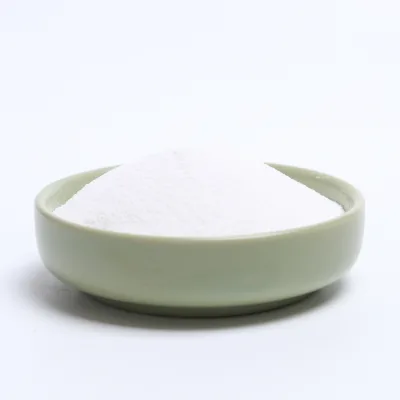
Centella Asiatica Extract Asiaticoside Asiaticoside 40% Asiaticoside Powder
$64.28 - $78.24
MOQ: 1 kilograms


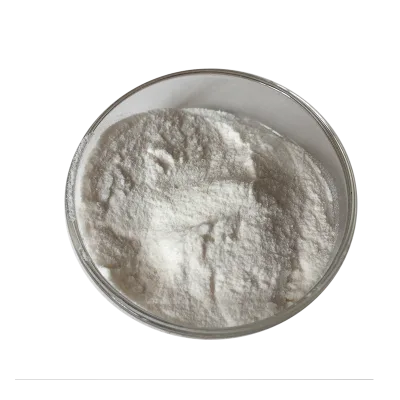
Factory Supply Newly Supply Green health Asiaticoside powder Asiatica Extract
$170.00 - $180.00
MOQ: 1 kilograms


Top Fine High Quality Madecassoside CAS 34540-22-2 Asiaticoside a with Best Price
$60.00 - $80.00
MOQ: 25 gram


Comprehensive Sourcing Guide
Asiaticoside Sourcing Guide
Asiaticoside is a triterpenoid saponin derived primarily from the leaves of Centella asiatica, commonly known as Gotu Kola. In B2B procurement, this ingredient serves as a critical active component for cosmetic formulations, health care products, and specific medicinal applications. Buyers must recognize that the raw material is not a single uniform commodity but a complex extract where purity and extraction methods significantly influence final product performance. Understanding the biological origin and chemical structure is the first step in establishing a robust supply chain.
The market offers various grades, ranging from lower purity extracts to highly refined powders. For procurement teams, the distinction between a general herbal extract and a standardized Asiaticoside powder is vital. The observed listings indicate a focus on white crystalline powder forms, which are preferred for their stability and ease of integration into diverse application matrices. Buyers should approach sourcing with the understanding that the source plant material, specifically the leaf part, dictates the baseline quality. Establishing clear expectations for the physical state and chemical identity early in the negotiation process prevents costly misunderstandings regarding the final deliverable.
Product Scope and Observed Listing Signals
The primary product scope for Asiaticoside in the current market is defined by its form as a white crystalline powder. This physical appearance is a consistent signal across high-confidence listings, indicating a refined extraction process that removes impurities and plant debris. The powder form is essential for applications requiring precise dosing, such as in tablet manufacturing or high-concentration cosmetic creams. Buyers should verify that the supplier can consistently produce this specific appearance, as variations in color or texture may indicate inconsistent processing or contamination.
Purity levels are a critical differentiator in the observed listings, with common specifications including 10%, 40%, 90%, and 95%. The model number "Asiaticoside 40%" suggests that mid-range concentrations are a standard commercial offering, while higher percentages cater to specialized pharmaceutical or premium cosmetic needs. The molecular formula C48H18O18 and molecular weight of 959.12 serve as the fundamental chemical identifiers for the compound. Procurement managers must align their required purity level with the intended application, as higher purity often correlates with higher costs but may be necessary for regulatory compliance or specific efficacy claims in the final product.
Technical Specifications to Verify
Technical verification begins with the analytical method used to determine purity. High-Performance Liquid Chromatography (HPLC) is the standard test method cited in reliable listings, providing a precise measurement of the active ingredient concentration. Buyers should request recent HPLC chromatograms from the supplier to confirm that the stated purity matches the actual content. Relying solely on the supplier's certificate of analysis without reviewing the raw data can lead to accepting substandard batches. The test method must be explicitly stated in the quality agreement to ensure consistency across all future orders.
The extraction type is another key technical specification, with solvent extraction being the predominant method observed. This process involves using solvents to isolate the saponins from the plant material, which can affect the residual solvent levels in the final product. Buyers must verify that the extraction process adheres to safety standards regarding solvent residues, particularly for food-grade or cosmetic-grade applications. Additionally, the molecular weight and CAS number 16830-15-2 should be cross-referenced with the supplier's technical data sheet to ensure the correct compound is being supplied. Any deviation in these fundamental chemical identifiers warrants immediate rejection of the sample.
Compliance and Safety Documentation
Compliance documentation is a non-negotiable aspect of sourcing Asiaticoside, especially given its use in food, health care, and cosmetic products. Listings indicate certifications such as BP, USP, ISO HSE, GMP, HACCP, and FDA. However, buyers must not assume that a supplier holds these certifications simply because they are listed on a product page. Instead, request valid, current certificates for each specific certification claimed. For instance, if the product is intended for the US market, FDA compliance documentation is critical, while EU-bound products may require adherence to specific cosmetic regulations. Verifying the scope of these certifications ensures they cover the specific production facility and product line in question.
Safety data sheets (SDS) must be provided for every batch, detailing handling, storage, and potential hazards. The storage requirement for a cool, dry place is standard, but buyers should confirm the specific temperature and humidity ranges recommended by the supplier. The shelf life is typically listed as two years, but this is contingent on proper storage conditions. Documentation should also include information on the cultivation method, such as artificial planting, which can impact the consistency of the raw material. Ensuring that all compliance documents are up-to-date and specific to the batch being purchased protects the buyer from regulatory risks and potential product recalls.
Cost Drivers and Commercial Terms
The cost of Asiaticoside is heavily influenced by the purity level and the volume of the order. Observed price ranges in the market span from $0.53 to $1750, reflecting the wide variance in product specifications and packaging. Higher purity grades, such as 90% or 95%, command a premium due to the increased complexity of the extraction and purification processes. Buyers should request detailed quotes that break down costs by purity level and quantity to identify the most cost-effective option for their specific needs. Understanding the relationship between purity and price allows for better budgeting and negotiation strategies.
Minimum Order Quantity (MOQ) is another significant commercial term, with observed ranges from 1 to 100 units, often specified as 1 kg. This low MOQ is advantageous for smaller businesses or those testing new formulations, but it may result in a higher per-unit cost compared to bulk orders. Packaging options, including drums, vacuum packs, and cartons, also affect the final price. Vacuum packing is often preferred for maintaining product stability and preventing moisture absorption, which can add to the cost. Buyers should negotiate terms that balance the need for small initial orders with the potential for volume discounts in subsequent purchases.
Supplier Qualification and Quality Control
Qualifying a supplier for Asiaticoside involves a thorough assessment of their production capabilities and quality control systems. The observed capacity of 1000 kilograms per month indicates a moderate-scale producer, which may offer a balance between cost efficiency and personalized service. Buyers should request a factory audit report or conduct their own audit to verify the supplier's production facilities, hygiene standards, and equipment maintenance practices. A supplier with a robust quality control system will have documented procedures for raw material inspection, in-process checks, and final product testing.
Quality control extends beyond the final product to include the sourcing of raw materials. The part used is the leaf, and the cultivation method is artificial planting, which can provide a more consistent supply compared to wild harvesting. Buyers should inquire about the supplier's raw material sourcing practices and whether they have established relationships with certified farms. Additionally, the availability of free samples, typically 5-10g, allows buyers to test the product before committing to a large order. This sample testing phase is crucial for verifying the product's performance in the buyer's specific application and ensuring it meets all technical and quality requirements.
Long-Term Procurement Checks
Establishing a long-term procurement relationship with an Asiaticoside supplier requires ongoing monitoring and communication. Buyers should implement a regular review process to assess the supplier's performance, including on-time delivery, product consistency, and responsiveness to issues. This can be done through quarterly business reviews or annual performance evaluations. Maintaining open lines of communication helps in addressing any potential problems early and fostering a collaborative partnership. The supplier's ability to provide consistent quality over time is a key indicator of their reliability and commitment to customer satisfaction.
Supply chain resilience is another critical factor in long-term procurement. Buyers should assess the supplier's ability to handle disruptions, such as raw material shortages or logistical challenges. This includes evaluating their inventory management practices and their contingency plans for unexpected events. Additionally, the supplier's financial stability and market reputation should be monitored to ensure they can sustain operations and meet future demand. By conducting regular checks and maintaining a proactive approach to supplier management, buyers can mitigate risks and ensure a stable supply of high-quality Asiaticoside for their products.
FAQs
What is the purity range available for Asiaticoside powder?
The available purity ranges for Asiaticoside powder are 10%, 40%, 90%, and 95%. These specifications are verified using HPLC test methods. Buyers can select the grade that fits their cosmetic or pharmaceutical needs from the listed options provided by the manufacturer.
Which certifications does the Asiaticoside product hold?
The product holds multiple certifications including BP, USP, ISO HSE, GMP, HACCP, and FDA. These credentials ensure the extract meets international safety and quality standards for food, health care, and cosmetic applications. Buyers can verify these documents before placing orders.
How is the Asiaticoside powder packaged for shipment?
The powder is packaged in drums, vacuum-packed bags, cartons, or aluminum foil bags. Each single package size measures 30x30x30 cm with a gross weight of 2 kg. This secure packaging ensures the product remains stable during transport to global destinations.
Can buyers request customized Asiaticoside specifications?
Customization is available for specific buyer requirements regarding the product. The manufacturer offers flexible options to tailor the extract to particular application needs. Buyers should contact the supplier directly to discuss specific customization details and potential lead times.
What is the minimum order quantity for Asiaticoside?
The minimum order quantity is 1 kilogram for most transactions. Some listings indicate a range from 1 to 100 units depending on the specific supplier configuration. Free samples of 5 to 10 grams are also offered to help buyers evaluate the product quality first.
Where is the Asiaticoside extract manufactured?
The product originates from Shaanxi or Shanxi in China. The cultivation method involves artificial planting of the Centella Asiatica leaves. This location ensures consistent supply capacity of up to 1000 kilograms per month for international buyers.
What are the storage requirements for Asiaticoside powder?
Store the powder in a cool, dry place to maintain its stability. The shelf life is two years when stored correctly. Proper storage prevents degradation and ensures the extract remains effective for use in lotions, tablets, or other pharmaceutical and cosmetic formulations.