Source Organic Poria Cocos Extract for Health Care, Food, Medicine
Find 30 verified listings for Organic Poria Cocos Extract with varying polysaccharide purity and mesh sizes. Buyers can compare specifications, certifications, and pricing for use in capsules, tablets, and food applications; compare the available evidence and request quotations based on your requirements.
Key considerations
Products List



Comprehensive Sourcing Guide
Organic Poria Cocos Extract Sourcing Guide
Sourcing high-quality Organic Poria Cocos Extract requires a disciplined approach to verifying botanical authenticity and extraction integrity. Buyers must distinguish between generic mushroom powders and standardized extracts, ensuring the active ingredients align with specific health product formulations. The market offers various forms, including capsules, tablets, pastes, and lotions, necessitating precise specification matching to avoid supply chain mismatches.
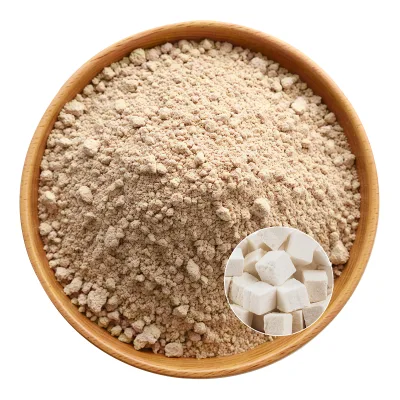
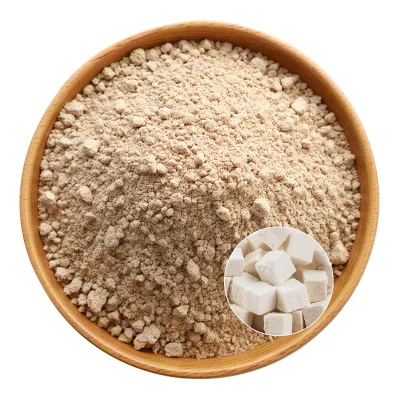
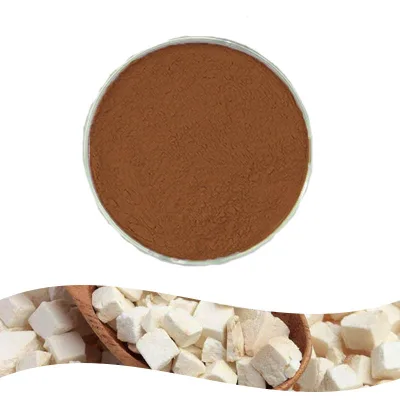
Procurement teams should prioritize suppliers who provide transparent assay methods, such as UV or HPLC, to confirm polysaccharide content. Observing the physical state as a yellow-brown or brown powder with an 80 mesh or 80-120 mesh size helps in assessing processing consistency. Understanding these baseline attributes allows buyers to filter out low-quality listings and focus on vendors capable of delivering consistent, standardized raw materials for global distribution.
Product Scope and Observed Listing Signals
The observed product landscape reveals a diverse range of Poria Cocos derivatives, primarily identified by their botanical name, Poria Cocos (Schw.) Wolf, and Latin name, Polyporus Umbellatus. Listings frequently highlight polysaccharides as the key active ingredient, with purity levels ranging from 20% to 50%. This variation in concentration directly impacts formulation efficacy, making it essential for buyers to verify the exact percentage required for their specific end products, whether for health care items or food applications.
Packaging and physical attributes vary significantly across suppliers, with options including 25kg drums, plastic containers, and various shipping methods like DHL, FedEx, or sea freight. The product origin is predominantly China, with specific mentions of Hunan as a source region. Buyers should note that while some listings claim onion as a place of source, this appears inconsistent with the botanical identity of Poria Cocos, a mushroom-derived ingredient, and requires immediate clarification to prevent procurement errors.
Technical Specifications to Verify
Technical verification begins with confirming the extraction method, which is typically solvent extraction for these types of botanical powders. Buyers must ensure the final product meets the desired mesh size, commonly observed as 80 mesh or 80-120 mesh, to guarantee proper solubility and integration into capsules, tablets, or lotions. The molecular formula provided in some listings, such as (C6h10o7s)N, should be cross-referenced with standard chemical databases to ensure accuracy, as polysaccharides generally follow different structural conventions.
Assay methods are critical for quality assurance, with UV and HPLC being the standard techniques for verifying polysaccharide content. Suppliers should provide certificates of analysis that detail the specific assay results for each batch. Additionally, the shelf life is typically stated as two years, provided the product is stored in a cool and dry place. Buyers should verify that the supplier’s storage and handling protocols align with these requirements to maintain potency and prevent degradation during transit and warehousing.
Compliance and Safety Documentation
Compliance documentation is a cornerstone of safe procurement, with certifications such as FDA, ISO, HACCP, and ISO22000 frequently cited by suppliers. These certifications indicate adherence to international food safety and quality management standards, which is crucial for products intended for human consumption or medicinal use. Buyers must request valid, up-to-date certificates and verify their authenticity with the issuing bodies to ensure regulatory compliance in their target markets.
Additional certifications like Kosher, Halal, and Organic status may be available, depending on the supplier’s capabilities and the specific product line. These are particularly important for niche markets or religious dietary restrictions. RoHS certification is also mentioned in some listings, though its relevance depends on the application context. Procurement teams should clearly define which certifications are mandatory for their supply chain and require proof of compliance before finalizing any purchase orders.
Cost Drivers and Commercial Terms
Cost structures for Poria Cocos extract are influenced by several factors, including the concentration of active ingredients, the purity level, and the volume of the order. Observed price ranges vary widely, reflecting differences in extraction efficiency and quality control measures. Minimum order quantities (MOQs) typically range from 1kg to 25kg, with some suppliers requiring a full 25kg drum for standard orders. Buyers should negotiate terms that align with their inventory management strategies and cash flow capabilities.
Commercial terms also include the availability of free samples, often ranging from 5 to 20 grams, which allows for preliminary quality testing. Shipping methods, such as air freight or sea freight, impact lead times and overall costs. Buyers should clarify whether prices are inclusive of packaging and shipping or if these are additional charges. Understanding these commercial dynamics helps in creating accurate total cost of ownership models and avoiding unexpected expenses during the procurement process.
Supplier Qualification and Quality Control
Supplier qualification involves a thorough assessment of their production capabilities, quality control systems, and track record. Buyers should request detailed information about the supplier’s manufacturing facilities, including their adherence to Good Manufacturing Practices (GMP). Verification of their ability to provide consistent batch-to-batch quality is essential, as variations in polysaccharide content can affect the efficacy of the final product.
Quality control measures should include regular testing for contaminants, heavy metals, and microbial loads, in addition to active ingredient verification. Buyers should inquire about the supplier’s procedures for handling deviations and their commitment to continuous improvement. Establishing a clear communication channel for quality issues and requesting regular quality reports can help maintain high standards and ensure that the supplied Poria Cocos extract meets all specified requirements.
Long-Term Procurement Checks
Long-term procurement success depends on establishing robust relationships with reliable suppliers and implementing regular performance reviews. Buyers should monitor supplier performance metrics, such as on-time delivery, product consistency, and responsiveness to quality issues. Regular audits, whether virtual or on-site, can provide valuable insights into the supplier’s operational practices and help identify potential risks before they impact the supply chain.
Continuous market monitoring is also essential to stay informed about changes in raw material availability, regulatory requirements, and pricing trends. Buyers should maintain a diversified supplier base to mitigate risks associated with single-source dependencies. By fostering strong partnerships and maintaining rigorous quality standards, procurement teams can ensure a stable and efficient supply of Organic Poria Cocos Extract for their ongoing business needs.
FAQs
What is the purity level of Organic Poria Cocos Extract?
The extract typically contains 20%, 30%, or 50% polysaccharides as the active ingredient. This variation allows buyers to select the concentration that best fits their specific formulation requirements for health care products or food applications.
Which certifications are available for this extract?
Products are available with FDA, ISO, HACCP, Kosher, Halal, and Organic certifications. These credentials ensure compliance with international safety and quality standards, making the extract suitable for global distribution in medicine and health supplement markets.
How is the extract packaged for shipping?
The powder is packaged in 25kg drums or plastic containers to maintain freshness. Shipping options include DHL, FedEx, air freight, and sea freight, ensuring flexible logistics for bulk orders while protecting the product during transit from China.
Can I get a free sample before ordering?
Yes, free samples of 5 to 20 grams are available for evaluation. This allows potential buyers to verify the brown powder appearance, solubility, and quality before committing to a larger purchase, with a minimum order quantity of 25kg.
What is the shelf life and storage requirement?
The product has a shelf life of two years when stored correctly. Buyers must keep the powder in a cool and dry place to preserve its potency and prevent degradation, ensuring the extract remains effective for capsule or tablet production.
What forms can the extract be applied to?
The powder is suitable for capsules, tablets, pastes, lotions, and injections. Its good water solubility and 80-120 mesh particle size make it versatile for various health care products, food items, and medicinal formulations requiring precise ingredient integration.