Source Oscillating Knife Textile CNC Cutter for Fabric
Source the Oscillating Knife Textile CNC Cutter for fabric, leather, and composite materials. Compare 30 models with cutting speeds up to 1500mm/s, 0.1mm accuracy, and automatic feeding options from Jinan, China suppliers; compare the available evidence and request quotations based on your requirements.
Updated
Key considerations
Products List

Textile Cutting Oscillating Knife CNC Automatic Fabric Cutter Machine
$10000.00 - $15000.00
MOQ: 1 set


Manufacturer CNC Machine Oscillating Knife Fabric Textile Garments Cutting Equipment
$9000.00 - $12000.00
MOQ: 1 Pieces

Automatic CNC Oscillating Knife Textile Digital Cutter Machine Durable in Use
$10000.00 - $15000.00
MOQ: 1 set

Automatic CNC Oscillating Knife Cutter Garment Pattern Textile Fabric Cutting Machine
$8600.00 - $16000.00
MOQ: 1 Pieces


Textile Cloth Knife Cutter Fabric Automatic CNC Oscillating Knife Cutting Machine
$5500.00 - $6000.00
MOQ: 1 Pieces

Round Knife Cutter Fabric Textile Cloth Oscillating Knife Cutting Machine
$5500.00 - $6000.00
MOQ: 1 Pieces


CNC Textile Cloth Cutting Machine Oscillating Knife Fabric Cutting Machine
$8000.00 - $15000.00
MOQ: 1 Pieces
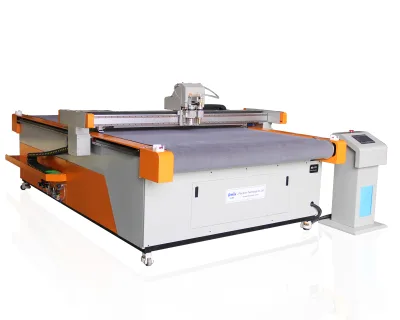
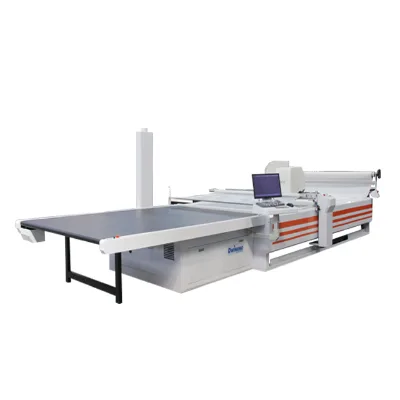
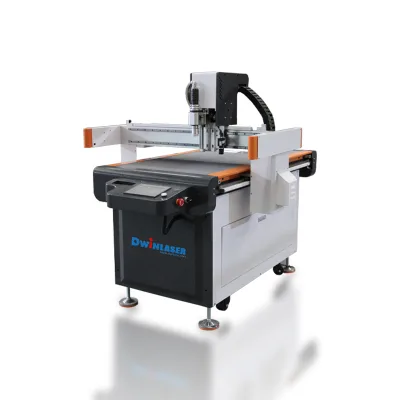
Oscillating Knife Tool Rubber Foam Vinyl Cutter 6090 Mini Cnc Oscillating Knife Cutting Machine
$6045.4662 - $6660.2593
MOQ: 1 sets
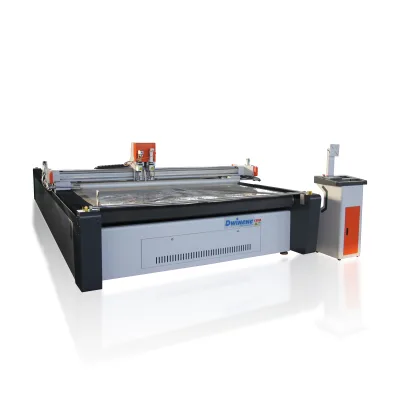

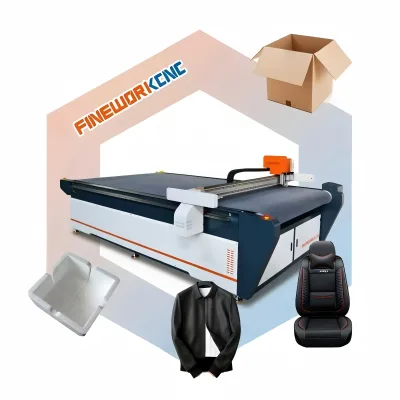
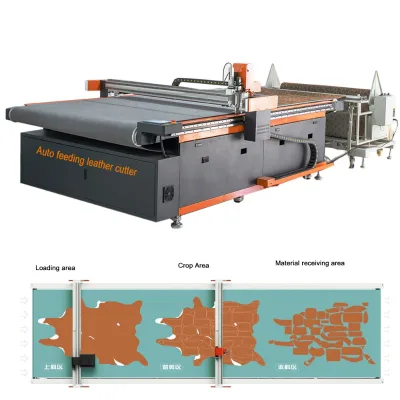
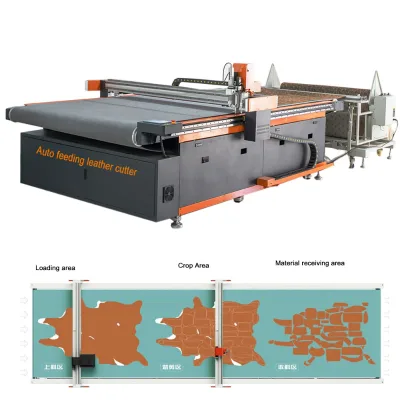
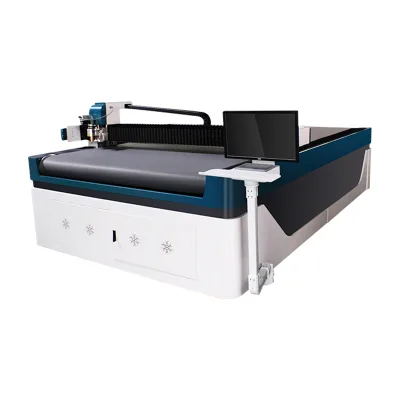
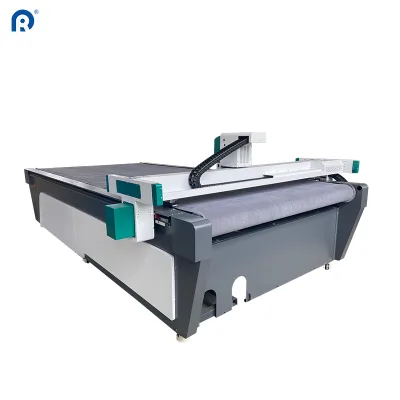
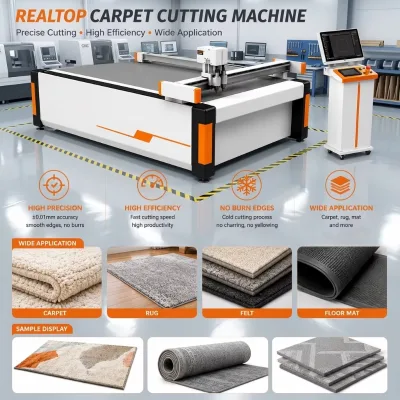
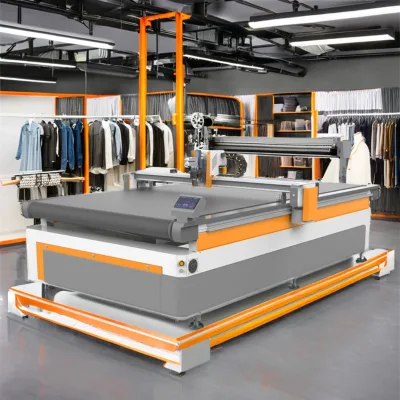
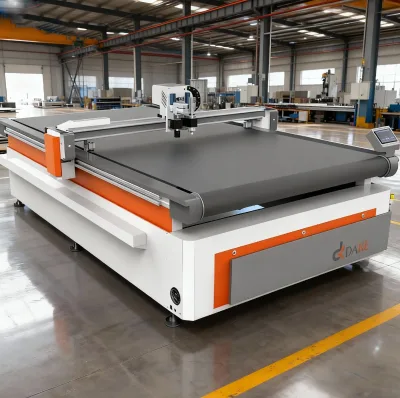
Precision CNC Knife Cutter for Textile, Leather and Technical Fabrics
$8960.00 - $10080.00
MOQ: 1 sets
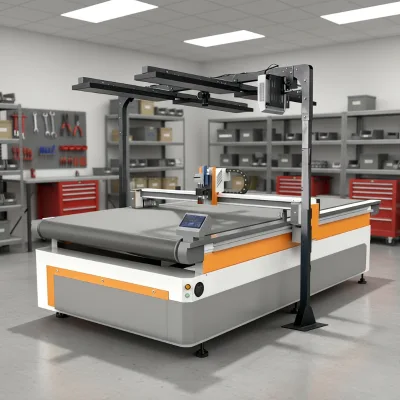
CNC Oscillating Knife Cutter for Multi-layer Fabric and Soft Board Processing
$9212.546 - $10364.1145
MOQ: 1 sets
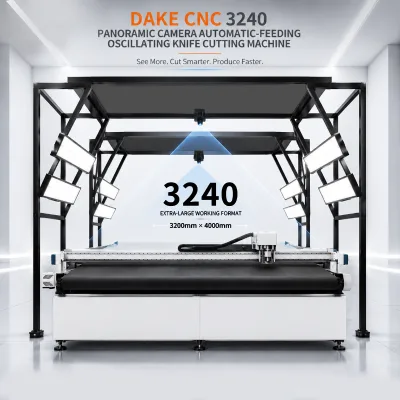
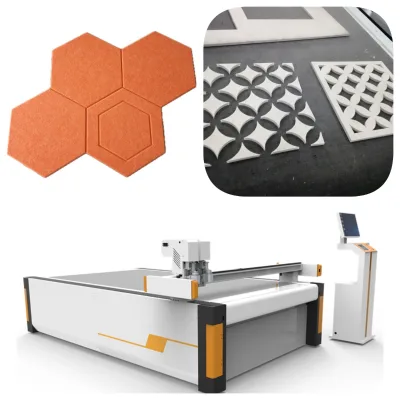
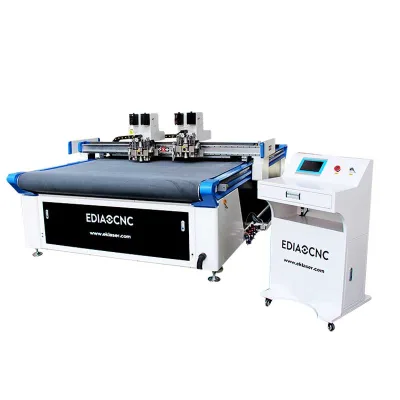

High Speed CNC Oscillating Knife Cutting Machine for Fabric Textile Cutting 1625
$7000.00 - $12000.00
MOQ: 1 Pieces
Comprehensive Sourcing Guide
Oscillating Knife Textile CNC Cutter Sourcing Guide
Buyers evaluating oscillating knife textile CNC cutters must first distinguish between models designed for rigid materials and those optimized for flexible substrates like fabric, leather, and composite textiles. The observed product data indicates a specific focus on flexible material processing, with cutting thickness capabilities ranging from 0.1mm up to 50mm or even 100mm depending on the specific material composition. This distinction is critical because machines configured for rigid cutting often lack the necessary vacuum hold-down systems or blade oscillation frequencies required to prevent fabric distortion during high-speed operations.
Procurement decisions should also account for the variability in working area dimensions and feeding modes observed across listings. While some units offer a fixed effective cutting area of 2500mm by 1600mm, others advertise an infinite length capability with a 1600mm width, paired with automatic feeding functions. Buyers must verify whether the specific model supports the continuous roll-to-roll processing required for their production line or if it is strictly limited to sheet-based cutting, as this fundamentally alters the workflow efficiency and floor space requirements for the facility.
Product Scope and Observed Listing Signals
The market signals for these machines reveal a strong emphasis on high-speed contour control with maximum cutting speeds reaching 1500mm per second. This performance metric suggests that the equipment is intended for high-volume production environments where cycle time reduction is a primary cost driver. However, buyers must scrutinize the specific drive motor options, as listings indicate choices between Delta, Panasonic, Yaskawa, and FUJI motors. The selection of the drive brand directly impacts long-term reliability and the availability of replacement parts, making it a key variable in the initial specification review.
Another significant signal in the product scope is the diversity of supported file formats and software integrations. The observed data lists support for DXF, PLT, and Pxf formats alongside compatibility with CorelDRAW and AutoCAD, which facilitates seamless integration into existing design workflows. Despite this apparent flexibility, the variation in numerical control systems, ranging from CNC to MNC, requires careful verification to ensure the controller can handle the specific complexity of the patterns being cut. Buyers should confirm that the control interface matches the technical proficiency of their operators to avoid unnecessary training costs.
Technical Specifications to Verify
Verification of the cutting accuracy is paramount, as observed listings present conflicting precision claims ranging from 0.1mm to a tighter tolerance of ±0.04mm. Buyers must request specific test reports or on-site demonstrations to validate these figures under actual load conditions, as theoretical accuracy often differs from practical performance when cutting multiple layers of thick composite materials. The mechanical precision is also cited as less than 0.01mm in some contexts, but this figure must be correlated with the stability of the vacuum hold-down system to ensure the material does not shift during the cutting process.
Power supply requirements and voltage compatibility represent another critical technical specification that varies significantly across the observed product range. While some units are rated for a standard 380V electric power source, others list support for 110V, 220V, or 380V at both 50Hz and 60Hz frequencies. This variance necessitates a thorough audit of the facility's electrical infrastructure before ordering to prevent the need for expensive transformer upgrades. Additionally, the fan power of 9kw and the specific transmission interface, such as belt transmission, must be confirmed to ensure the machine can maintain consistent performance without overheating during extended operation cycles.
Compliance and Safety Documentation
Safety compliance is a primary concern, with observed certifications including CE and ISO standards. Buyers must verify that the specific unit being purchased carries the valid CE marking, which indicates conformity with health, safety, and environmental protection standards for products sold within the European Economic Area. The presence of ISO certification is also noted, but the exact standard, such as ISO 13849 or IEC 61508, should be explicitly confirmed in the documentation to ensure the machine meets the specific safety integrity levels required for industrial automation in the buyer's jurisdiction.
Beyond general certifications, the documentation must address the specific safety mechanisms inherent to oscillating knife technology. The machine utilizes an infrared laser for location mode, which requires clear safety protocols regarding laser exposure and eye protection. Buyers should ensure the supplier provides a comprehensive safety manual that details the interlock systems, emergency stop procedures, and the specific guarding required for the oscillating blade mechanism. Without these detailed safety documents, the machine may not pass local regulatory inspections, leading to potential operational shutdowns and liability issues.
Cost Drivers and Commercial Terms
The pricing for these machines shows a wide observed range from approximately $3,104 to $28,000, driven largely by the configuration of the drive motors and the complexity of the control system. Higher-priced units typically feature premium servo motors like Panasonic or Yaskawa and offer advanced closed-loop control systems that enhance precision and repeatability. Buyers should analyze the total cost of ownership rather than just the initial purchase price, considering that lower-cost models with generic motors may incur higher maintenance costs and downtime over the machine's lifespan.
Commercial terms regarding warranty and packaging also vary significantly and impact the overall procurement cost. While some listings specify a one-year warranty, others offer a more comprehensive 24-month warranty for the whole machine, which is a critical factor for budgeting long-term operational expenses. Furthermore, the packaging method, whether a standard wooden box or a reinforced plywood wooden case, affects shipping costs and the risk of damage during transit. Buyers must clarify who bears the cost of specialized packaging and insurance to ensure the machine arrives in pristine condition without unexpected logistical expenses.
Supplier Qualification and Quality Control
Supplier qualification should focus on the origin and manufacturing consistency of the equipment, with observed data pointing to Jinan, Shandong, China as a primary production hub. Buyers must verify the specific factory's quality control processes, as the location alone does not guarantee uniform product quality across different manufacturers in the region. It is essential to request evidence of the factory's production capacity and their track record with similar oscillating knife machines to ensure they can meet the required delivery schedules and maintain consistent build quality.
Quality control verification must also extend to the condition and customization options of the machine. The observed listings indicate that units are generally new and offer customization options, but buyers should explicitly define the scope of these customizations to avoid ambiguity. Whether it involves specific voltage configurations, custom cutting areas, or specialized software integrations, the supplier must provide a detailed specification sheet that matches the agreed-upon requirements. This step prevents the receipt of a machine that, while technically similar, lacks the specific features necessary for the buyer's unique production environment.
Long-Term Procurement Checks
Long-term procurement success depends on the availability of spare parts and the robustness of the after-sales support structure. Buyers should verify the lead times for critical components such as oscillating blades, vacuum pumps, and servo motors before finalizing the contract. The observation of optional drive motors suggests that compatibility with third-party parts might be limited, so securing a supply chain for the specific motor brand selected is vital to prevent prolonged downtime in the event of a failure.
Finally, the buyer must establish a clear protocol for software updates and technical training to ensure the machine remains productive over its lifespan. The supported formats and software compatibility are noted, but the long-term viability of these integrations depends on the supplier's ability to provide ongoing firmware updates and technical assistance. Buyers should negotiate service level agreements that include remote diagnostics and on-site support availability, ensuring that the machine can adapt to evolving production needs without requiring a complete system replacement.
FAQs
What is the cutting accuracy of this CNC machine?
The cutting accuracy is 0.1mm, with a processing precision of 0.03 to 0.04mm. This ensures high-quality results for fabric, leather, and other flexible materials. The machine utilizes closed-loop control and infrared laser positioning to maintain consistent precision during operation.
Can the machine handle different material thicknesses?
Yes, the machine supports cutting thicknesses from 0.1 to 50mm, or up to 100mm depending on the material. It is designed for fabric, leather, PU, XPE, EVA, and composite textiles. The automatic feeding mode ensures smooth processing across various material types.
What certifications does the equipment hold?
The equipment holds ISO and CE certifications, ensuring compliance with international safety and quality standards. Some models also include FDA certification. These credentials verify the machine's reliability and suitability for industrial textile and leather cutting applications in global markets.
Is customization available for this CNC cutter?
Yes, customization is available for this CNC cutter. Buyers can select drive servo motors from Panasonic, Fuji, or Yaskawa. The machine supports digital formats like DXF and PLT, allowing for tailored configurations to meet specific production requirements and workflow integrations.
What is the warranty period for the machine?
The warranty period is one year for the whole machine, with some specifications noting 24 months for the entire unit. This coverage ensures support for the electric power source and mechanical components. Buyers receive assurance for long-term operational stability and maintenance needs.
Where is this machine manufactured?
This machine is manufactured in Jinan, Shandong, China. The origin is clearly documented for all models, including the KJZD-1625 and KJCT-SL-1625. Buyers can trace the production source to ensure alignment with supply chain preferences and logistical planning for international shipments.