Automatic Leather Skiving Machine Suppliers and Manufacturers
Explore 31 verified options for Automatic Leather Skiving Machine suppliers in China. Compare response times, lead times, certifications, and pricing to find the right factory. Contact suppliers directly to request quotes and verify specifications; review the available evidence before requesting comparable quotations from suitable candidates.
Suppliers List

Zhejiang Worlden Machinery Co., Ltd.
- Trading Company
- China Zhejiang
- Lead time23 days
- Avg. response≤ 15h
Main productsLockstitch Sewing Machine, Overlock Sewing Machine, Interlock Sewing Machine, Special Sewing Machine, Auxiliary Equipment, Industry Sewing Machine, Sewing Machine, Motor, Cutting Machine, Industry
Main marketsSoutheast Asia/ Mideast,Europe,North America

QUANZHOU KINGKUNG IMP. AND EXP. TRADE CO., LTD.
- Trading Company
- China Fujian
- Lead time30 days
- Avg. response≤ 10h
Main productsShoe Machine, Shoe Machinery, Shoe Mould, Shoe Mold, Shoe Upper, Shoe Sole, Shoe Materials, Shoe Accessories, Shoe Components, Injection Shoe Machine


High Quality Leather Skiving Machine
MOQ: 1 Set

Wenzhou Dashun Machinery Manufacture Co., Ltd.
- Combined
- China Zhejiang
- Lead time30 days
- Avg. response≤ 3h
Main productsShoe Machine, Leather Machine, Toe Lasting Machine, Sole Machine, Embossing Machine, Nailing Machine, Folding Machine, Molding Machine, Insole Machine, Upper Machine
Main marketsSoutheast Asia/ Mideast


Leather Skiving Edge Cutting Machine Counter Skiving Machine with Water Cooling for Shoe
$730.00 - $800.00
MOQ: 1 Pieces

Hotmelt Glue Stiffners Skiving Edge Cutting Machine Counter Skiving Machine with Water Cooler
$730.00 - $800.00
MOQ: 1 Pieces
Dongguan Houjie Bao Lin Machinery Factory
- Manufacturer, Trading Company
- Guangdong, China
- Lead time0 days
- Avg. response≤ 1h
Main productssewing machine,Spot welding machine,Hammer flattening machine,Single head roughing machine,Shoe mixing glue machine
Main marketsSouth America(20.00%), North America(10.00%), Eastern Europe(10.00%), Southeast Asia(10.00%), Mid East(10.00%), Central America(10.00%), South Asia(10.00%), Northern Europe(5.00%), Domestic Market(5.00%), Africa(2.00%), Oceania(2.00%), Eastern Asia(2.00%), Western Europe(2.00%), Southern Europe(2.00%)

TAIZHOU FOXSEW SEWING MACHINE CO., LTD.
- Trading Company,Manufacturer/Factory
- China Zhejiang
- Lead time23 days
- Avg. response≤ 14h
Main productsSpecial Sewing Machine, Heavy Duty Sewing Machine, Programmable Pattern Sewing Machine, Mattress Sewing Machine, Shoes Sewing Machine, Zigzag Sewing Machine, Carpet Sewing Machine, Industrial Sewing Machine, Cutting Machine, Tape Cutting Machine
Main marketsSouth America,Eastern Europe,Mid East,North America,Southeast Asia,Eastern Asia,Oceania,Western Europe,Africa
Dongguan Lianaoxin Machinery Equipment Co., Ltd.
- Verified by TUVRHEINLAND
- Combined
- China Guangdong
- Lead time30 days
- Avg. response≤ 1h
Main productsSplitting Machine, Leather Skiving Machine, Leather Cutting Machine, Leather Machine, Leather Strap Cutting Machine, Band Knife Splitting Machine
Main marketsDomestic

Manual/Automatic Leather Skiving Machine Suitable for Shoes, Belt, and Leather Edge Skiving
$400.00 - $560.00
MOQ: 1 Pieces

110V Electric Leather Skiving Machine for Shoes Leather Goods Edge Skiver
$400.00 - $560.00
MOQ: 1 Pieces

High Precision Leather Skiving Machine for Shoe Leather Goods Factory Direct
$400.00 - $560.00
MOQ: 1 Pieces

$400.00 - $560.00
MOQ: 1 Pieces

Manual Leather Skiving Machine, Hand Edge Skiver for Shoes, Leather Goods
$400.00 - $560.00
MOQ: 1 Pieces

Leather Skiving Machine Electric Leather Skiver for Shoes Leather Craft Edge Beveling
$400.00 - $560.00
MOQ: 1 Pieces

Wenzhou Yilian Industrial Co., Ltd.
- Trading Company
- China Zhejiang
- Lead time30 days
- Avg. response≤ 12h
Main productsShoes Machine, PU Shoe Machine, PU Injection Molding Machine, Polyurethane Machine, PU Pouring, PU Pouring Machine, PU Injection Machine, Pcu Injection Machine, PU Foaming Machine, Moulds for Footwear
Main marketsSoutheast Asia/ Mideast,North America
Henan Fengchi Machinery Co., Ltd.
- Trading Company
- Henan Province, China
- Lead time10 days
- Avg. response≤ 3h
Main productsMicro tiller,seeder,Grain screening machine,Industrial machinery,Agricultural machinery
Main marketsAfrica(20.00%), Southeast Asia(20.00%), South Asia(20.00%), Mid East(18.00%), Northern Europe(15.00%), North America(5.00%)
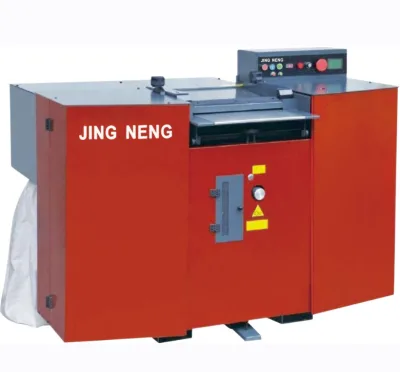
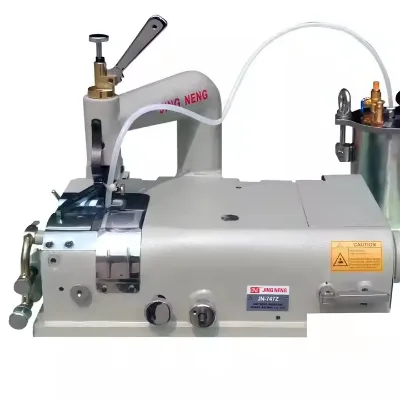
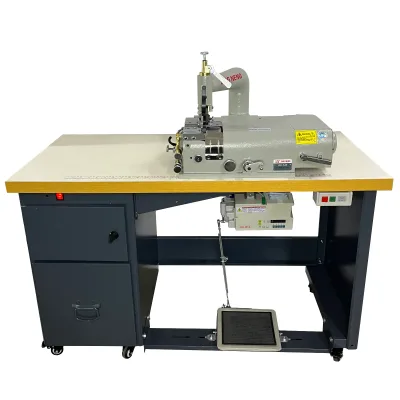
Dongguan Jingneng Machinery Technology Co., Ltd.
- Manufacturer, Trading Company
- Guangdong, China
- Lead time5 days
- Avg. response≤ 3h
Main productsSewing Machine/ Shoes Making Machine/ Handbag Making Machine/ Special Machines/ Customized Machine,post bed machine,360 degree computer sewing machine,shoe sole sewing machine
Main marketsSoutheast Asia(30.00%), Eastern Asia(20.00%), Mid East(12.00%), Domestic Market(10.00%), North America(10.00%), Southern Europe(5.00%), Oceania(5.00%), Western Europe(2.00%), Africa(1.00%), South Asia(1.00%), Eastern Europe(1.00%), South America(1.00%), Northern Europe(1.00%), Central America(1.00%)
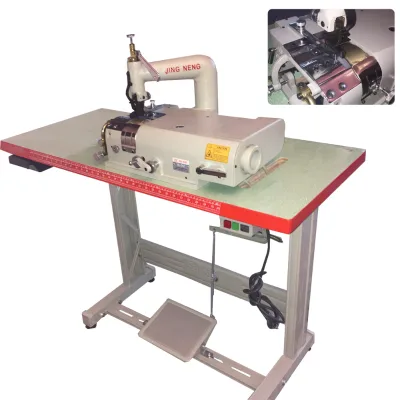
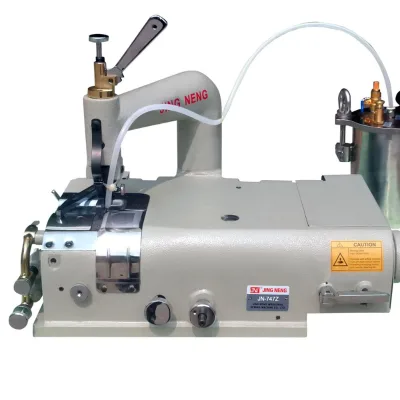
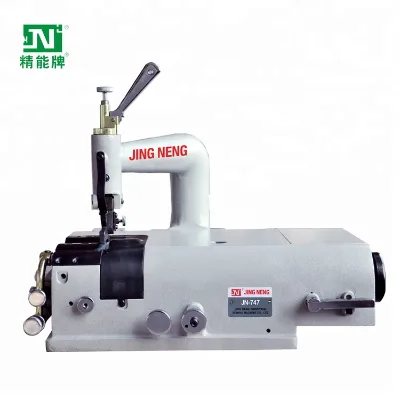
Round Knife Leather Skiving Machine Heavy Duty Industrial Skiving Machine
$396.93 - $814.22
MOQ: 1 Minimum

Zhengzhou Jawo Machinery Co., Ltd.
- Verified by TUVRHEINLAND
- Manufacturer/Factory
- China Henan
- Lead time15 days
- Avg. response≤ 5h
Main productsSausage Making Machine, Dumpling Machine, Frozen Meat Cutter, French Fries Production Line, Garlic Separator, Egg Grading Machine, Sand Blasting Machine, Metal Detector, Embroidery Machine, Spray Dryer
Main marketsSouth America,Eastern Europe,Mid East,North America,Southeast Asia,Eastern Asia,Oceania,Western Europe,Africa
Foshan Dafeng Machinery Equipment Co., Ltd.
- Manufacturer
- Guangdong, China
- Lead time10 days
- Avg. response≤ 3h
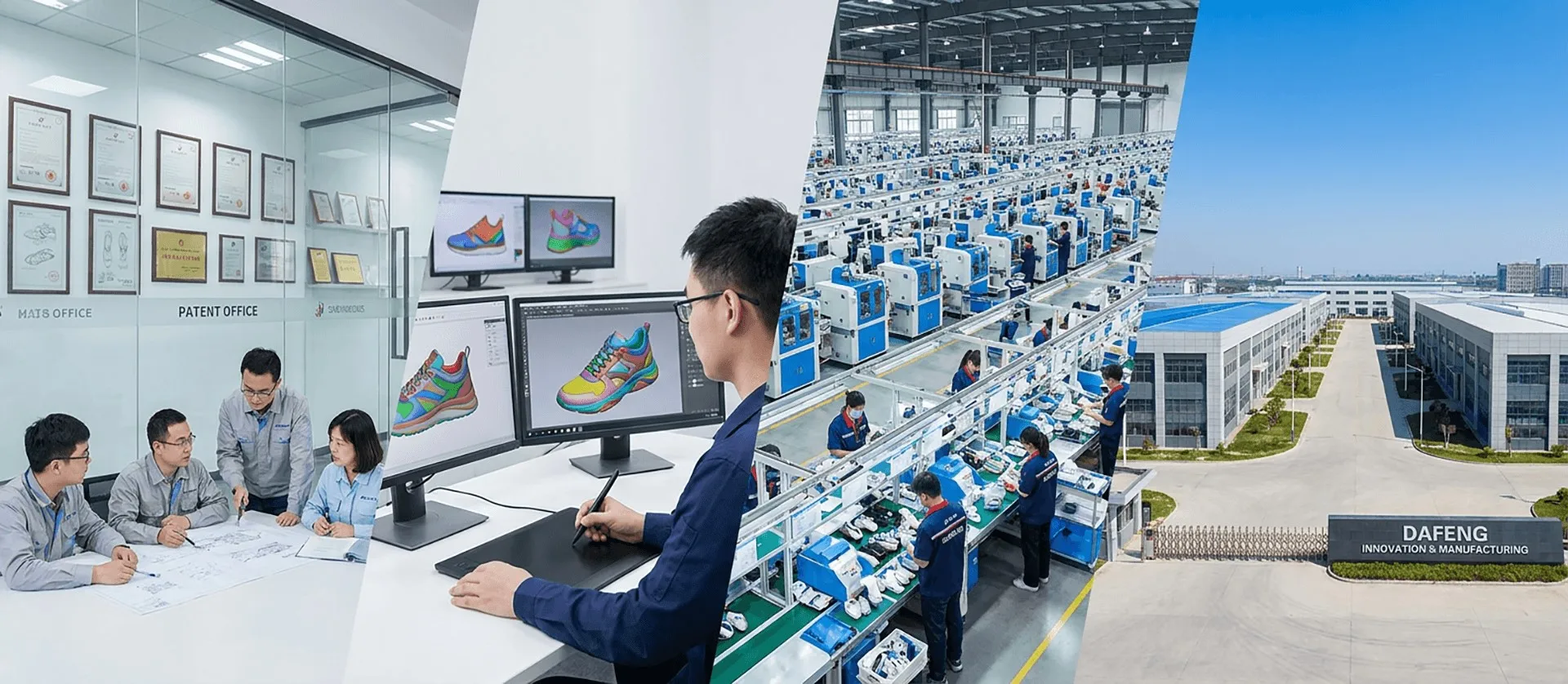
Main productsShoe Making Machines,Leather Production Machinery,Leather Splitting Machine,Sole Press Machine,eva slippers making machine
Main marketsAfrica(19.00%), Southeast Asia(18.00%), Domestic Market(15.00%), South Asia(10.00%), Mid East(10.00%), South America(6.00%), Eastern Asia(5.00%), Northern Europe(3.00%), Eastern Europe(3.00%), North America(3.00%), Oceania(3.00%), Western Europe(2.00%), Southern Europe(2.00%), Central America(1.00%)
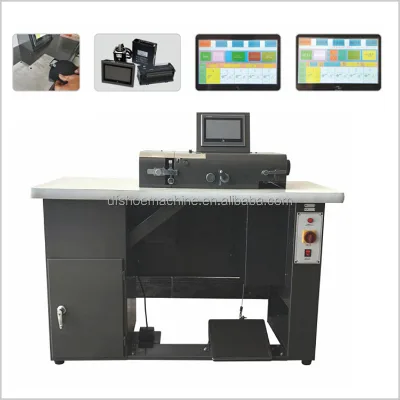
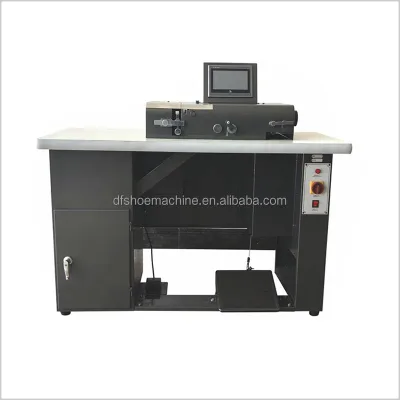
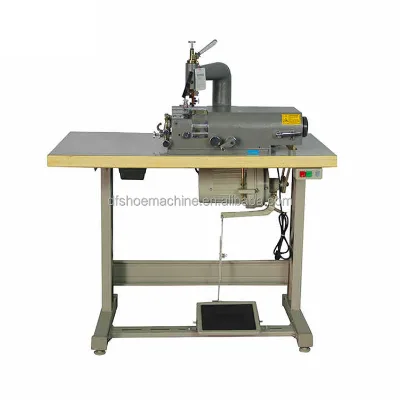
Computerized Leather Skiving Machine High Speed Leather Round Knife Skiving Machine Leather Skiver
$3168.12 - $3270.31
MOQ: 1 sets

Zhengzhou Honest Machinery Co., Ltd.
- Trading Company,Manufacturer/Factory
- China Henan
- Lead time15 days
- Avg. response≤ 7h
Main productsFood Machinery, Packing Machines, Microwave Equipment, Drying Machines, Grain Product Making Machines, Commodity Making Machines, Texitle Machines, Construction Machinery
Main marketsSouth America,Eastern Europe,Mid East,North America,Southeast Asia,Eastern Asia,Oceania,Western Europe,Africa

Zhejiang Juda Machinery Co., Ltd.
- Combined
- China Zhejiang
- Lead time15 days
- Avg. response≤ 25h
Main productsBand-Knife Splitting Machine, Edge Folding Machine, Automatic Pearl Riveting Machine, Automatic Button Riveting Machine, Automatic Eyeletting Machine / Riveting Machine, Insole Machine, Leather Cutting Machine, Automatic Lock Cylinder Assembly Machine, Pounding Machine
Main marketsSouth America,Southeast Asia/ Mideast,Europe


Computerized Bell Knife Leather Edge Skiving Machine Shoe Making Machine
$2000.00 - $3500.00
MOQ: 1 Set

TAIZHOU FIT GARMENT EQUIPMENT CO., LTD.
- Verified by TUVRHEINLAND
- Trading Company
- China Zhejiang
- Lead time15 days
- Avg. response≤ 6h
Main productsSewing Machine, Industrial Sewing Machine, Overlock Sewing Machine, Embroidery Machine, Interlock Sewing Machine, Cutting Machine, Lockstitch Sewing Machine, Triple Transport Sewing Machine, Bag Sewing Machine, Button Sewing Machine
Main marketsAfrica
DONGGUAN XIANGDI MACHINERY CO., LTD.
- Manufacturer
- Guangdong, China
- Lead time7 days
- Avg. response≤ 6h
Main productsBand Knife Splitting Machine / Skiving Machine / Cutting Machine / Leather Proccess Machines
Main marketsWestern Europe(25.00%), Southern Europe(22.00%), South Asia(10.00%), Northern Europe(10.00%), Domestic Market(10.00%), North America(8.00%), Eastern Asia(5.00%), South America(2.00%), Oceania(2.00%), Africa(2.00%), Eastern Europe(2.00%), Mid East(1.00%), Southeast Asia(1.00%)
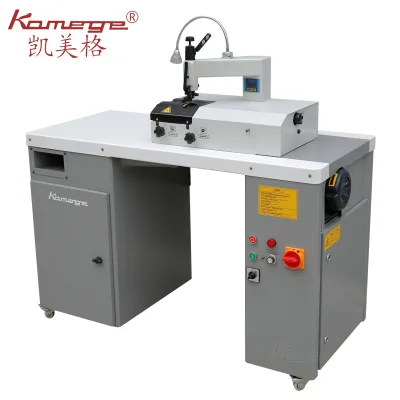
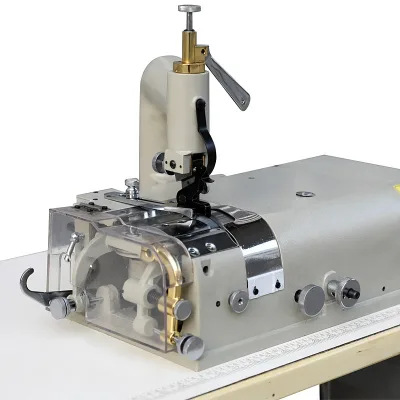
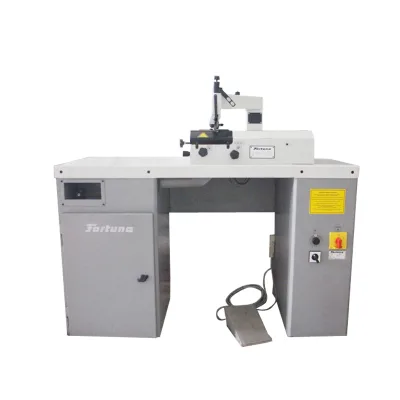
Upper Shoe Leather Belt Industrial Skivier Used Fortuna Skiving Machine
$3788.00 - $4462.00
Dongguan Kaidi Machinery Technology Co., Ltd.
- Manufacturer, Trading Company
- Guangdong, China
- Lead time3 days
- Avg. response≤ 1h
Main productsLeather belt machinery,Hot glue machine,Leather machinery,leather Skiving Machine,Sponge edge trimmer
Main marketsSoutheast Asia(50.00%), South Asia(20.00%), South America(10.00%), Mid East(10.00%), North America(10.00%)
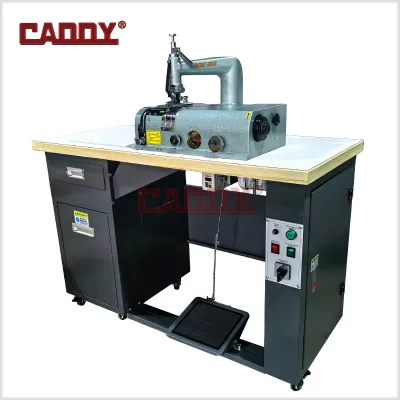
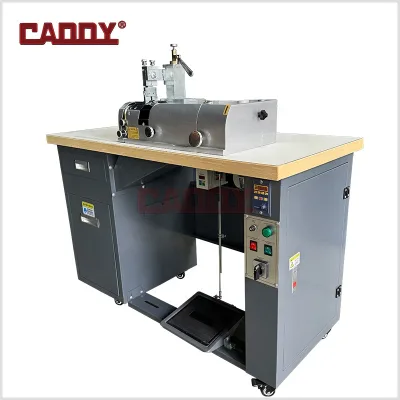
$371.48 - $412.76
MOQ: 1 pieces
Quanzhou Kingkung Imp. And Exp. Trade Co., Ltd.
- Trading Company
- Fujian, China
- Lead time30 days
- Avg. response≤ 16h
Main productsShoes,Shoe Machine,Shoe Mold,Shoe Material,Outsole
Main marketsSouth America(40.00%), Mid East(10.00%), Western Europe(10.00%), Africa(10.00%), Southeast Asia(10.00%), Eastern Europe(10.00%), Central America(5.00%), North America(5.00%)

Nanjing New Donor Machinery Equipment Co., Ltd.
- Verified by BV
- Trading Company
- China Jiangsu
- Lead time30 days
- Avg. response≤ 4h
Main productsPipe Making Related Machine, Sheet Metal Related Machine, Gear Related Machine, Stator Making Machine, Coil Winding Machine, Acid Battery Making Machine, Wire Drawing Machine, Gas Equipment
Main marketsSouth America
Qifeng Hydraulic Technology Co., Ltd.
- Manufacturer, Trading Company
- Guangdong, China
- Lead time15 days
- Avg. response≤ 3h
Main productsShoe making Machine,shoe machine,shoe production line,Lasting Machine,side and heel lasting machine
Main marketsDomestic Market(20.00%), North America(15.00%), Southeast Asia(15.00%), South America(15.00%), Eastern Asia(10.00%), Mid East(10.00%), Oceania(5.00%), Africa(5.00%), Eastern Europe(5.00%)

Zhengzhou Share Machinery Co., Ltd.
- Verified by BV
- Trading Company,Manufacturer/Factory
- China Henan
- Lead time15 days
- Avg. response≤ 4h
Main productsRoll Forming Machine, Purlin Making Machine, Storage Rack Making Machine, Hydraulic Baler, Brick Making Machine, Quilting Machine, Bag Printing Machine, Soap Stamping Machine, Water Well Drilling Rig, Wax Granules Making Machine
Main marketsSouth America,Eastern Europe,Mid East,North America,Southeast Asia,Eastern Asia,Oceania,Western Europe,Africa
Zhengzhou Jawo Machinery Co., Ltd.
- Trading Company
- Henan, China
- Lead time10 days
- Avg. response≤ 5h
Main productsFruit and vegetable processing machine,Grain processing machine,Meat processing machines,Drying Machines,Building Machines
Main marketsNorthern Europe(15.00%), Mid East(10.00%), Western Europe(10.00%), Oceania(9.00%), Eastern Europe(8.00%), South America(8.00%), North America(8.00%), South Asia(6.00%), Southeast Asia(6.00%), Africa(6.00%), Southern Europe(5.00%), Eastern Asia(5.00%), Domestic Market(2.00%), Central America(2.00%)
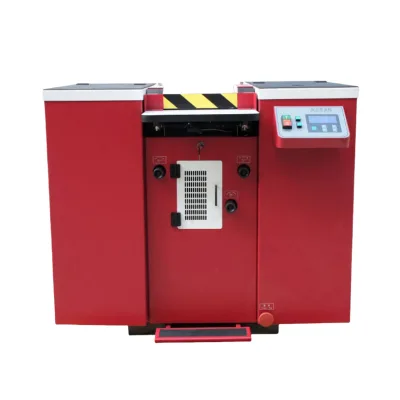
Leather Skiving Machine Roller Parts Skiving Leather Machine of Leather
$7760.66 - $9181.25
MOQ: 1 sets
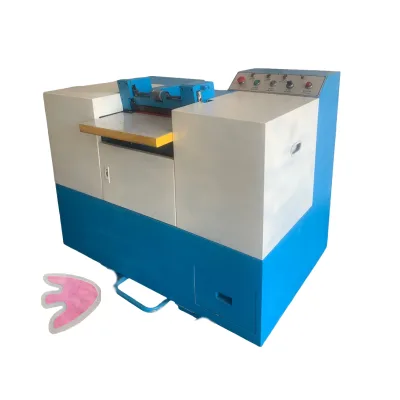
High Efficiency Upper Leather Skiving Machine Dry Leather Splitting Machine
$7734.09 - $9149.82
MOQ: 1 sets

Zhengzhou Hento Machinery Co., Ltd.
- Verified by SGS
- Trading Company,Manufacturer/Factory,Group Corporation
- China Henan
- Lead time15 days
- Avg. response≤ 7h
Main productsMeat Processing Machinery, Egg Processing Machinery, Dairy Processing Machinery, Fruit & Vegetable Processing Machinery, Grain Product Making Machines, Snack Machines, Nuts Processing Machinery, Packing Machines, Drying Machines, Commodity Making Machines
Main marketsSouth America,Eastern Europe,Mid East,North America,Southeast Asia,Eastern Asia,Oceania,Western Europe,Africa

Wenzhou HOLO Industrial EQP Manufacturing Co., Ltd.
- Verified by TUVRHEINLAND
- Trading Company,Manufacturer/Factory
- China Zhejiang
- Lead time15 days
- Avg. response≤ 8h
Main productsV Belt, PU Synchronous Belt, PVC Conveyor Belt, Rubber Tube, PVC Conveyor Belt Joint Machine, Shaft Rubber Tube, Finger Punch Machine, Air Cooling Splice Press, Water Cooling Splice Press, Belt Piy Separator
Main marketsSouth America,Eastern Europe,Mid East,North America,Southeast Asia,Eastern Asia,Oceania,Western Europe,Africa
Shenzhen Keda Technology Co., Ltd.
- Manufacturer, Trading Company
- Lead time旺季: "1 - 1":15,"> 1":"To be negotiated", 淡季: "1 - 1":15,"> 1":"To be negotiated"
- Avg. response≤ 5h
Main productspacking machine,sealing machine,label machine,other machines,tools

Qingdao Judong Industry Co., Ltd.
- Verified by TUVRHEINLAND
- Trading Company,Manufacturer/Factory,Group Corporation
- China Shandong
- Lead time38 days
- Avg. response≤ 25h
Main productsRubber Vulcanizing Press, Rubber Mixing Mill, Rubber Extruder Machine, Rubber Kneader, Plate Vulcanizing Press, Reclaimed Rubber, Rubber Calendar Machine, Conveyor Belt Machine, Banbury Mixer, Rotocure Machine
Main marketsSouth America,Eastern Europe,Mid East,North America,Southeast Asia,Eastern Asia,Oceania,Western Europe,Africa

MOQ: 1

MOQ: 1 Sets
Henan Share M&E Equipment Co.,Ltd
- Verified by SGS Group
- Trading Company
- Lead time7 days
- Avg. response≤ 3h
Main productsTextile Machinery, Printing Machinery, Construction Machinery, Wood Machinery
Main marketsNorth America(20%), South America(20%), Eastern Europe(10%)
Dongguan Asfrom Rubber And Plastic Technology Co., Ltd.
- Verified by Intertek
- Trading Company
- Lead time15 days
- Avg. response≤ 3h
Main productsFootwear Making Machine and Part, Flip Flop Making Machine, EVA Foaming Machine, Mould, Chemical
Main marketsSoutheast Asia(69%), South America(20%), Mid East(10%)
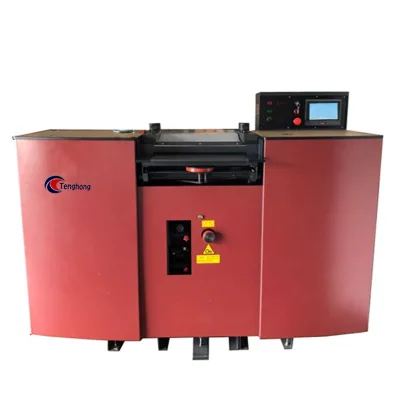
Guangdong Tenghong Machinery Technology Co., Ltd.
- Verified by TüVRheinland
- Manufacturer, Trading Company
- Lead time10 days
- Avg. response≤ 7h
Main productsToe Lasting Machine, Heel Lasting Machine, Side And Heel Lasting Machine, Sole Attaching Machine, Counter Moulding Machine
Main marketsDomestic Market(25%), Eastern Europe(15%), South Asia(15%)
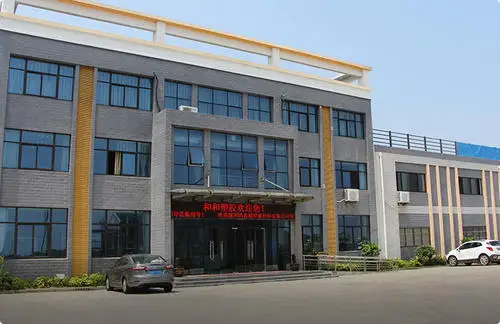
Dongguan Qianjin Industry And Trade Co., Ltd.
- Manufacturer, Trading Company
- Guangdong, China
- Lead time7 days
- Avg. response≤ 5h
Main productsleather machine,footwear machine,shoe making machine,leather belt making machine,car seat making machine
Main marketsDomestic Market(10.00%), Southern Europe(10.00%), Northern Europe(10.00%), Western Europe(10.00%), Eastern Europe(10.00%), South America(10.00%), North America(10.00%), Eastern Asia(5.00%), South Asia(5.00%), Mid East(5.00%), Africa(5.00%), Central America(5.00%), Southeast Asia(5.00%)

Jinan Kang Jia CNC Equipment Co., Ltd.
- Verified by CTI
- Combined
- China Shandong
- Lead time30 days
- Avg. response≤ 4h
Main productsLeather Cutting Machine, Flexible Cutting Equipment for Soft Materials
Main marketsSouth America,Africa,Domestic
Hangzhou Anysew Garment Equipment Co., Ltd.
- Verified by SGS Group
- Trading Company
- Lead time15 days
- Avg. response≤ 5h
Main productsIndustrial Sewing Machine, Cloth Cutting Machine, Iron Pressing Machine, Embroidery Machine, Sewing Machine Spare Parts
Main marketsSoutheast Asia(30%), Africa(25%), South Asia(17%)
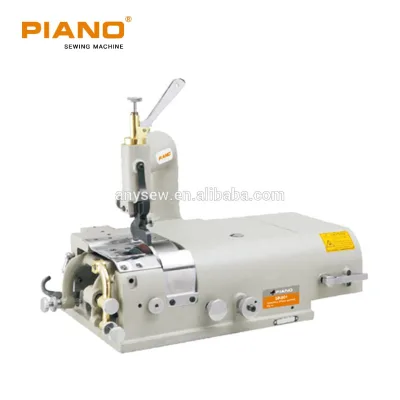
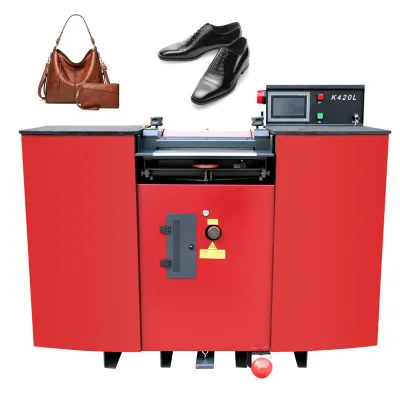
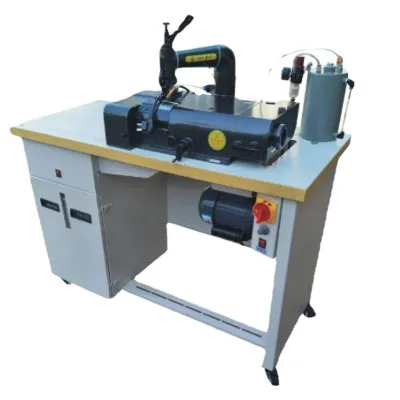
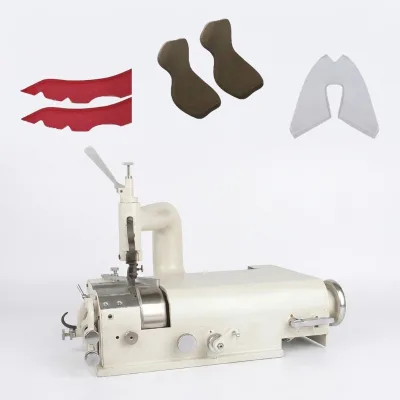
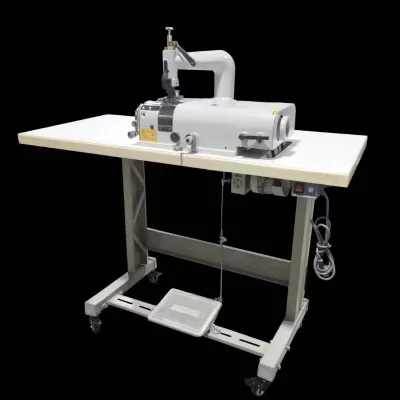
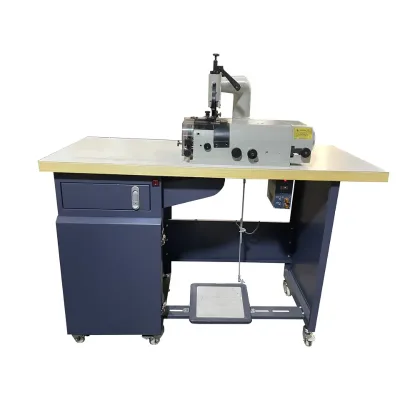
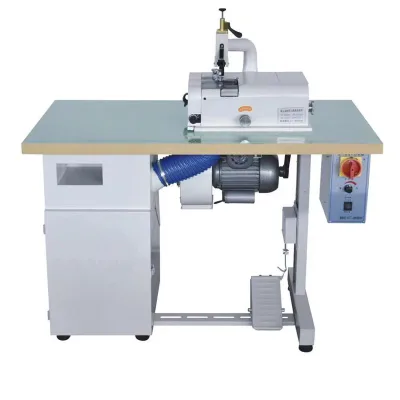
SK801 and SK802 Leather Skiving Cutting Machine
$170.00 - $220.00






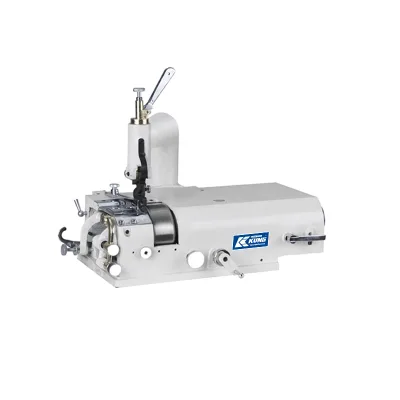
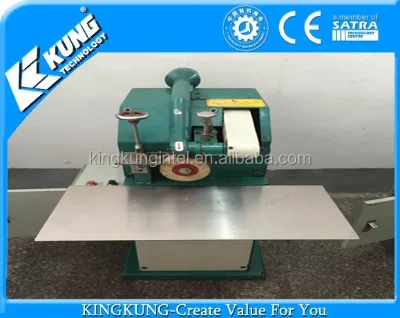


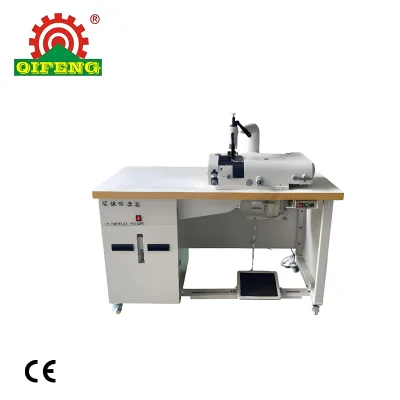


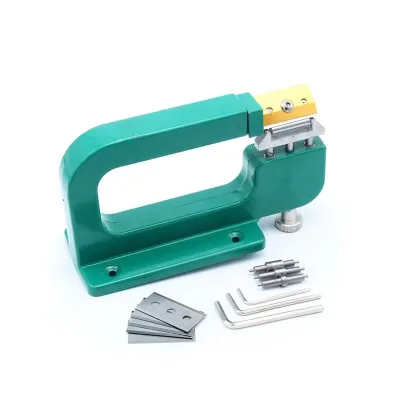
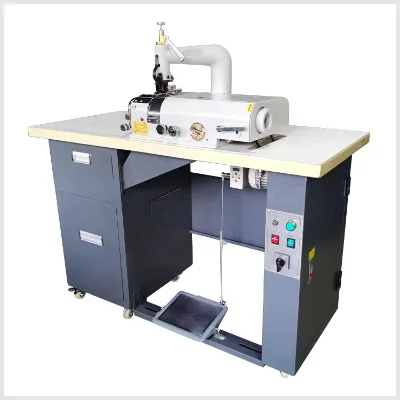
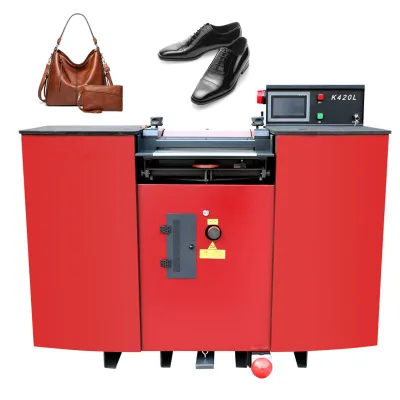
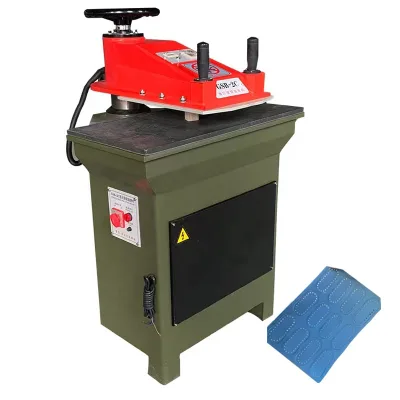


Comprehensive Sourcing Guide
Automatic Leather Skiving Machine Supplier Concentration and Factory Types
When sourcing an Automatic Leather Skiving Machine, the supplier landscape you encounter will typically split into manufacturers, trading companies, and combined operations that both produce and resell. The supplier results behind this category include at least one Zhejiang-based trading company whose main products span lockstitch, overlock, and interlock sewing machines alongside cutting machines and auxiliary equipment, and a Fujian-based supplier whose catalog centers on shoe machines, molds, soles, uppers, and injection shoe machinery. A third profile combines manufacturing with trading, listing toe lasting, sole, embossing, nailing, folding, molding, and insole machines. This matters because a trading company may broker machines built by others, while a combined or manufacturer-type supplier can more directly influence design changes and after-sales parts.
Cluster identification should follow the evidence rather than assumption. In these results, machine origins are stated as China, with one product explicitly listing Zhejiang as its place of origin and another listing Wenzhou. Treat such origin fields as starting points: ask each candidate which city its production or final assembly sits in, whether skiving machines are built in-house or sourced from partner workshops, and which models they can show running. Verify whether the supplier's main-product list actually includes leather processing equipment or only adjacent sewing machinery, since a sewing-focused catalog may mean the skiving machine is a side offering with thinner technical support.
How to Verify Automatic Leather Skiving Machine Suppliers
Verification starts with the attributes displayed and ends with what you confirm independently. Among the observed supplier profiles, system certifications vary: one Fujian supplier shows ISO 9001, while a Zhejiang trading company lists its system certification only as "Others," which tells you little until you ask for the underlying certificate scope. Product-level claims also differ — several skiving machine listings carry CE marks, and one states CE and ISO as its product standard — but a listing claim is not a certificate. Request the certificate number, issuing body, and validity dates, and check that the scope covers the specific model quoted, not just the factory generally.
Next, verify operational substance. Response times in the current results range widely, from under three hours to over fourteen, which is a useful first filter but should be tested directly with a technical question about motor type, blade adjustment, or skiving width tolerance. Ask each supplier to confirm whether customization is genuinely available — several listings state it is — and request an example of a previous customized build. For any machine promoted under a brand name, ask what the brand covers: the housing, the assembled unit, or only the distribution rights. Finally, confirm the exact company legal name, business license, and whether the quoted entity is the same one that will appear on the invoice and export documents.
What to Compare Across Automatic Leather Skiving Machine Suppliers
Build your comparison on the dimensions actually shown in supplier results, without assuming every supplier displays every attribute. Lead times observed here run from 23 days to 30 days, so ask whether those figures apply to stock models or require production slots. Minimum order quantities vary dramatically in this category — observed MOQs include 1, 10, 20, and 40 units — which matters if you are testing one machine before scaling. Response speed is a fair proxy for export-team staffing: compare suppliers against the range you see, from a few hours to half a day, then measure their real behavior during quotation.
Technical comparison should use the listing attributes as your checklist. Observed machines differ in drive type (electric), applicable materials (genuine and artificial leather, plus plastic, rubber, and fabric on some models), applicable thickness (one specifies middle-thickness material), voltage options (one lists 380V/220V), sewing speed (one lists 1200), needle and thread configuration, dimensions ranging from roughly 650270570mm to 11705401180mm, and weights from 50 kg to 68 kg. Packing differs too: export cartons, standard export packing, and wooden cases all appear. Note which suppliers list cooling features — one model mentions water cooling — and whether the function is described for vamp making or general shoemaking lines, then score each supplier against your own production requirements.
Common Automatic Leather Skiving Machine Sourcing Risks
The most frequent risk in this category is certification ambiguity. Listings here show CE, CE plus ISO, and one combined "ISOCE" designation, with system-level certification sometimes marked only as "Others." A buyer who accepts listing text without documents risks importing a machine that fails destination-market compliance checks. Closely related is the trading-company risk: a Zhejiang trading company in these results sells machines across many sewing categories, so confirm who actually manufactures the skiving machine and who holds responsibility for warranty repairs, spare blades, and feed-dog replacements after installation.
Price-spread risk is equally real. Observed skiving machine prices range from under 200 dollars at the low end to 260–280 dollars for a branded model, and up to 500–1,000 dollars for an insole skiving machine, with a shoe leather cutting machine listed at 13,917 dollars. Wide spreads can reflect genuine capability differences or simply listing inconsistency, so normalize quotes to the same configuration, voltage, and packing before comparing. Other risks to manage: MOQ figures as low as 1 unit may be samples rather than production terms; "customization available" may mean only color changes; and stated dimensions or weights should be reconfirmed against the actual crated machine, since freight quotes depend on them. Finally, verify that any water-cooling or edge-cutting features described in a listing are present in the unit you inspect before shipment.
Automatic Leather Skiving Machine Regional Sourcing and Logistics
Regional context in the current results points to China, with Fujian and Zhejiang both appearing as supplier locations and one product explicitly stating a Zhejiang, China mainland origin. Fujian's supplier base here skews toward complete shoemaking lines — shoe machines, molds, soles, uppers, and injection machinery — while Zhejiang results lean toward sewing and leather processing machines. Rather than assuming one province is superior, map each shortlisted supplier's location against your priority: proximity to a shoemaking cluster can ease factory visits and spare-part pickup, but machine quality depends on the builder, not the address.
Logistics planning should anchor on the packing and dimension data supplied. Observed machines range from a 50 kg unit at 630260930mm to a 68 kg insole skiving machine at 11705401180mm, packed variously in export cartons, cartons, standard export packing, or wooden cases, and one supplier lists "Shipping" generically — clarify that one. Wooden cases generally suit sea freight for heavier units, while confirm whether the supplier straps and moisture-wraps the machine inside. Lead times of 23 to 30 days are stated for some suppliers; ask whether port distance adds transit days and whether the lead time excludes machine testing. Request the crated gross weight and dimensions per unit before booking freight, and confirm which port the supplier actually ships from, since quoted locations and departure ports do not always match.
Automatic Leather Skiving Machine Commercial Terms and Order Planning
Commercial planning begins with matching order size to the supplier's structure. Observed MOQs in this category span 1, 10, 20, and 40 units, and prices shift accordingly — one machine lists at 188–190 dollars with a 10-unit MOQ, another at 195 dollars with 40 units, and a branded model at 260–280 dollars. Insole skiving machines sit higher, at 500–1,000 dollars with an MOQ of 1. Ask whether single-unit pricing applies to samples and what the price becomes at 10, 20, and 50 units, and whether customization adds tooling or setup charges despite "available" being listed.
Order sequencing should protect you during the first purchase. Given lead times of roughly 23 to 30 days shown in the results, build a timeline that includes pre-shipment inspection, and ask each supplier to run the machine at its stated maximum speed — one listing cites 1200 — under your material before packing. Confirm payment structure separately from any marketplace protections: whether escrow or platform-backed payment is offered varies by seller, so ask directly and never assume it. Put the model number (listings here use identifiers such as BR-801, WD-801, KK-LS01, KK-SKM, DSYB801, and DSYB801B), certification documents, packing type, spare blade quantity, and warranty scope into the proforma invoice. Finally, plan reorders by confirming lead-time stability and whether consumable parts ship alongside future machine orders at the same MOQ terms.
FAQs
What does an Automatic Leather Skiving Machine do?
An Automatic Leather Skiving Machine thins and bevels leather edges so seams fold cleanly without bulk. It feeds material past a rotating blade to remove controlled layers, typically for vamps, insoles, and bag edges. Buyers should confirm applicable thickness, material types, and maximum sewing or feeding speed before comparing models.
How much does a leather skiving machine cost?
Listed prices vary widely by model and features. Compact single-needle machines have been listed near 188 to 195 US dollars, mid-range units around 248 to 300 dollars, and heavy-duty insole models between 500 and 1,000 dollars. Treat these as reference points and request current quotations based on your specification and order quantity.
What is the typical MOQ for skiving machines?
Minimum order quantities in current listings range from a single unit up to 40 units. Small workshops can often start with 1 to 10 pieces, while bulk orders around 20 to 40 units may unlock better unit pricing. Always confirm the exact MOQ per model, since it can differ even within one supplier's catalog.
Which certifications should I check before ordering?
Many listed models carry CE markings, and some also reference ISO standards, so ask for copies of the actual certificates for the exact model number. System-level certifications vary by supplier, and ISO 9001 registration appears among footwear machinery suppliers. Verify certificate numbers directly with the issuing body rather than relying on listing badges.
What lead time should I expect for delivery?
Lead times in current supplier data range from about 23 to 30 days, depending on the supplier and order volume. Customization is commonly available and can extend production time, so confirm the schedule in writing before payment. Packaging is typically export cartons or wooden cases, which affects freight preparation time slightly.
Where are most skiving machine suppliers located in China?
Current listings cluster in Zhejiang and Fujian provinces, which are established hubs for footwear and leather machinery production. Zhejiang suppliers list lockstitch, overlock, and skiving machines, while Fujian suppliers focus on complete shoe machinery lines. Proximity to these industrial clusters generally means better access to spare parts and technical support.
Can skiving machines handle materials other than leather?
Yes, several listed models are specified for artificial leather, genuine leather, plastic, rubber, and fabric. Capacity depends on blade type and thickness settings, so mid-thickness materials are the most common range. Provide your actual material samples and target edge thickness to suppliers and ask for a test skiving video before committing.
How quickly do these suppliers respond to inquiries?
Recorded average response times in the current results range from roughly 3 to 14 hours. Faster responders tend to be combined manufacturer-trading companies handling footwear machinery, while some trading companies average around 14 hours. Send a detailed inquiry with model numbers and quantities to get meaningful quotes rather than generic replies.