Source Outdoor HDPE Optical Fiber for Telecom, Data Centers, and Security
Compare 30 listings of Outdoor HDPE Optical Fiber from verified suppliers. Buyers can evaluate specifications like core count, fiber type, and armor options for telecom, data centers, and security applications; compare the available evidence and request quotations based on your requirements.
Key considerations
Products List


$35.00
MOQ: 1000 Square Meters




Comprehensive Sourcing Guide
Outdoor HDPE Optical Fiber Sourcing Guide
Procuring Outdoor HDPE Optical Fiber requires distinguishing between loose tube armored designs and figure-8 aerial variants, as the supplied data indicates a market offering both GYTS and GYTC8Y-6 configurations. Buyers must verify that the selected cable structure matches the specific installation environment, whether it involves direct burial, underground ducts, or overhead spans, since the mechanical protection provided by steel or aluminum tape armor varies significantly between these models.
The observed product range includes single-mode fibers like G652D and G657A alongside multimode options, necessitating a clear definition of bandwidth and transmission distance requirements before engaging suppliers. While some listings highlight customization for core counts up to 288, others focus on specific standard counts like 12 or 48 cores, so procurement teams should align their technical specifications with the exact fiber type and core count to avoid compatibility issues with existing network infrastructure.
Product Scope and Observed Listing Signals
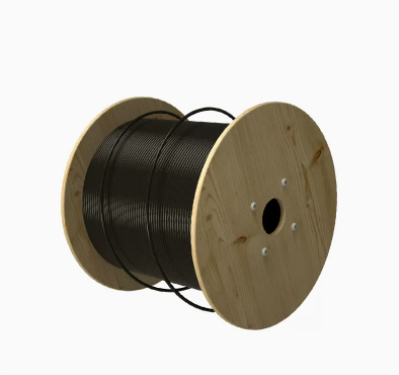
Market listings for Outdoor HDPE Optical Fiber frequently display a wide variance in core counts, ranging from single-core units to high-density 288-fiber cables, which directly impacts the physical dimensions and handling requirements of the shipment. Buyers should note that packaging often defaults to wooden drums or plywood reels for bulk orders, though some suppliers offer box or customized packing for smaller quantities, influencing both logistics costs and on-site storage strategies.
Price signals in the current market span from $0.02 to $300 per unit, reflecting differences in fiber type, armor material, and core density rather than a uniform pricing structure. The minimum order quantity (MOQ) ranges from 1 to 10,000 units, suggesting that small-scale projects can access these components without significant volume commitments, while large infrastructure deployments may leverage bulk pricing tiers available at higher order volumes.
Technical Specifications to Verify
Technical due diligence must prioritize the tensile strength and lateral pressure ratings, as observed data shows values ranging from 100N to over 10,000N depending on the specific cable construction and armor type. Procurement teams should explicitly request test reports confirming that the cable can withstand the expected mechanical loads during installation, particularly for direct burial applications where soil pressure and tension during pulling are critical failure points.
The sheath material and fiber type combination must be validated against the intended environmental conditions, with LSZH and PE being common choices for the outer jacket. Buyers need to confirm whether the cable utilizes G652D, G655, or G657A fibers, as these standards dictate bend radius performance and attenuation characteristics, ensuring the selected product meets the specific transmission requirements of the network design.
Compliance and Safety Documentation
Compliance verification is essential given the diverse certification landscape observed in listings, which includes RoHS, CE, ISO, UL, VDE, and CCC marks. Buyers must ensure that the specific batch of cables being purchased carries the relevant certifications for the target market, as a product certified for one region may not meet the regulatory requirements of another, potentially causing customs delays or legal liabilities.
Safety documentation should explicitly address the fire performance of the sheath material, particularly when LSZH compounds are specified for indoor or confined outdoor spaces. Procurement teams should request material safety data sheets (MSDS) and fire test reports to confirm that the cable meets local building codes regarding smoke emission and toxicity, ensuring the safety of personnel during both installation and potential fire scenarios.
Cost Drivers and Commercial Terms
The primary cost drivers for Outdoor HDPE Optical Fiber include the type of armor used, such as steel tape versus aluminum tape, and the complexity of the stranded loose tube structure. Buyers should analyze how the choice of strength member, typically FRP, and the specific fiber count influence the final unit price, as higher core counts and specialized armor materials generally command a premium over standard configurations.
Commercial terms regarding lead times and packing must be clarified early, as observed data indicates lead times can vary based on whether the product is stocked or requires customization. Suppliers may offer standard rolling lengths like 2km or 3km per roll, but custom lengths or specific drum sizes can alter the production schedule and shipping costs, requiring precise agreement on delivery timelines to prevent project delays.
Supplier Qualification and Quality Control
Supplier qualification should focus on verifying the origin of the product, with Shenzhen, China, being a noted hub for these optical fiber cables, and assessing their capacity to maintain consistent quality across large production runs. Buyers must confirm that the supplier has a robust quality control system in place to ensure that the fiber type, core count, and mechanical properties match the ordered specifications without deviation.
Quality control protocols should include third-party testing for critical parameters like tensile strength and attenuation, ensuring that the cable performs as advertised under real-world conditions. Procurement teams should request sample testing results and audit reports to validate the supplier's ability to deliver products that meet the stringent requirements of outdoor deployment, minimizing the risk of field failures.
Long-Term Procurement Checks
Long-term procurement strategies should include regular audits of supplier performance to ensure consistent adherence to the agreed-upon technical specifications and certification standards. Buyers must establish a feedback loop for monitoring field performance, tracking any issues related to cable durability, environmental resistance, or mechanical failure to inform future purchasing decisions and supplier selection.
It is also critical to maintain a clear record of the specific product models and standards used in the network, such as GYTS or GYFTY53-4, to facilitate future maintenance and expansion. This documentation ensures that replacement cables or additional fiber strands are compatible with the existing infrastructure, preventing costly retrofits or network incompatibilities down the line.
FAQs
What certifications do outdoor optical fiber cables have?
These cables typically hold RoHS, CE, ISO, UL, VDE, and CCC certifications. Specific models may also include CCS, CSA, and PAHs compliance. Buyers should verify the exact certification list for each product variant before ordering to ensure regulatory compliance in their target regions.
Which fiber types are available for outdoor armored cables?
Available fiber types include single-mode options like G652D, G655c, G657A, and G657B3. Multi-mode options such as OM1, OM2, OM3, OM4, and OM5 are also supported. The specific fiber type depends on the required transmission distance and bandwidth for the communication application.
Can I customize the core count and packaging for these cables?
Yes, customization is available for core counts ranging from single core up to 288 fibers. Packaging options include wooden drums, plywood drums, boxes, or customized solutions. Buyers can also request specific roll lengths like 2km or 3km per roll to match their installation needs.
What is the allowed tensile strength for these optical cables?
The allowed tensile strength varies by model, with options ranging from 100N to over 10000N. Some cables support up to 1000N while others handle significantly higher loads. This ensures the cable can withstand installation tension and environmental stress without damaging the internal fibers.
Where are these outdoor optical fiber cables manufactured?
These cables are manufactured in Shenzhen, China, with some products originating from other locations within China. The production facilities adhere to international standards like ISO9001. Buyers can expect consistent quality and reliable supply chains from these established manufacturing hubs in the region.
What armor materials are used for outdoor fiber protection?
Armor materials include steel tape and aluminum tape to protect against mechanical damage. The construction often features loose tube stranded designs with figure 8 structures for added durability. These materials ensure the cable remains intact when buried underground or exposed to harsh outdoor conditions.
What is the maximum core capacity for these optical cables?
The maximum core capacity reaches up to 288 fibers for high-density applications. Standard configurations often include 12 cores or 48 cores depending on the specific model like GYTS or GYFTY53. This flexibility allows network designers to scale infrastructure efficiently based on current and future traffic demands.