Source Outdoor Gym Sit-up Board for Parks, Squares, and Schools
Find 30 Outdoor Gym Sit-up Board options from China. Compare steel construction, dimensions, and NSCC certifications for parks, squares, and community fitness areas. These units support aerobic and anaerobic leg exercises for adults. Features include durable steel pipes, anti-slip designs, and customizable sizes. Ideal for school stadiums and public spaces.
Key considerations
Products List


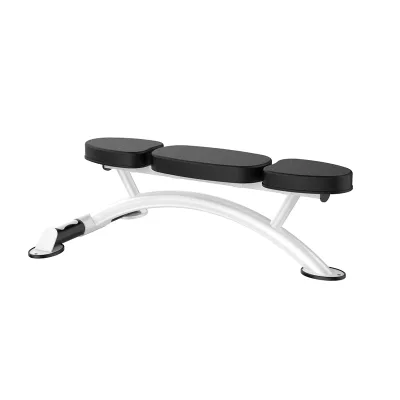

$12.00 - $15.00
MOQ: 500 Pieces
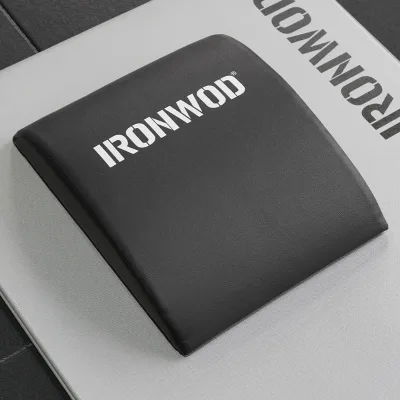
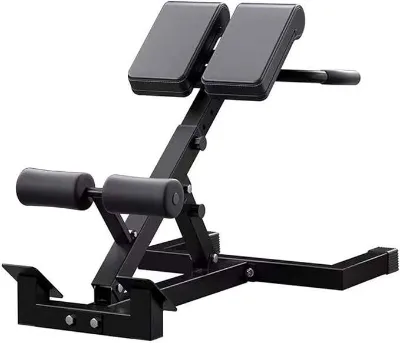
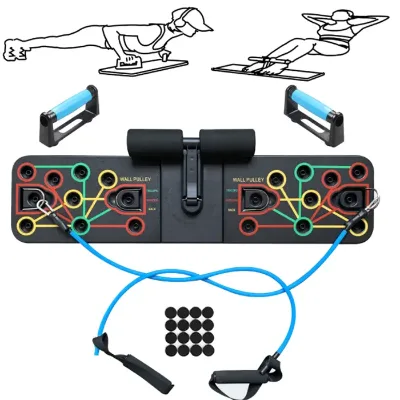


Multifunctional Sit-up Board for Cardio & Strengh Training for Men & Women
$10.00 - $18.00
MOQ: 1000 Pieces


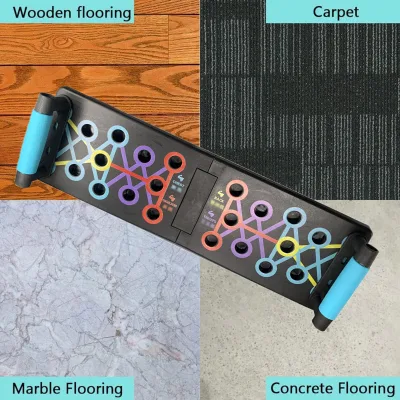

New Adjustable Folding Fitness Sit up Bench Multi-Functional Abdominal Crunch Board
$16.32 - $17.90
MOQ: 50 Pieces


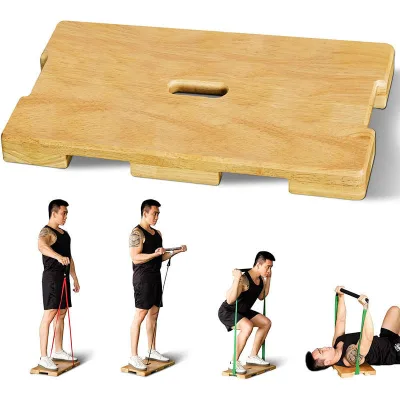
Gympro New Design Wooden Fitnessslant Board, Gym Room Sport Stretching Slant Board
$9.32 - $10.30
MOQ: 100 Pieces

Comprehensive Sourcing Guide
Outdoor Gym Sit-up Board Sourcing Guide
Procuring outdoor gym sit-up boards requires a strategic approach that balances structural integrity with user safety in public environments. These units are primarily designed for abdominal muscle training and serve as essential components in community fitness areas and school stadiums. Buyers must recognize that these installations are intended for normal adults seeking endurance and anaerobic exercise, ensuring the equipment meets the physical demands of regular users. The core function involves strengthening abdominal muscles while providing a stable platform for sit-up routines, making durability a non-negotiable attribute for long-term public use.
The market offers various configurations, including models with specific dimensions like 1330480620 mm and others reaching up to 25008002000 mm for larger installations. Sourcing decisions should account for the material composition, typically involving steel pipes and Q235 steel structures, which provide the necessary load-bearing capacity. Additionally, features such as PE woven mesh surfaces and 304 stainless steel hardware are critical for preventing corrosion and ensuring user comfort. Understanding these technical distinctions allows procurement teams to select units that align with specific site requirements and user demographics, ensuring optimal functionality and safety.
Product Scope and Observed Listing Signals
The current market landscape for outdoor gym sit-up boards reveals a diverse range of product specifications and customization options. Listings indicate that customization is available, allowing buyers to tailor units to specific site dimensions or branding needs, while non-customized options are also prevalent for standard deployments. The observed price range spans from 2.25 to 400 USD, reflecting variations in material quality, size, and included features such as instructional displays. Minimum order quantities typically range from 1 to 1000 units, providing flexibility for both small community projects and large-scale municipal installations.
Product models such as GYX-A17, GYX-X09, and GYX-L33A demonstrate the variety of designs available, each with distinct dimensions and functional attributes. Some units are explicitly labeled as abdominal muscle training boards, while others are marketed as general body building equipment. The use places vary between parks and squares, indicating the need for versatile designs that fit different public spaces. Buyers should carefully review the product specifications, such as the 17001350685 mm standard, to ensure compatibility with their installation sites and user capacity requirements.
Technical Specifications to Verify
Verifying technical specifications is crucial to ensure the sit-up boards meet safety and performance standards. Key attributes to confirm include the main material, which is often steel pipe, and the steel structure type, typically Q235 steel, which provides robust support. The hardware used, such as 304 stainless steel bolts and nuts, is essential for preventing rust and ensuring long-term stability in outdoor conditions. Additionally, the middle mesh, often made of 3mm thick PE woven material, contributes to user comfort and durability, making it a critical component to inspect during the sourcing process.
Dimensional accuracy is another vital aspect, with standard sizes like 1330480620 mm and 1420420415 mm being common. Buyers should verify that the product dimensions match the site constraints and user accessibility needs. Features such as adjustable resistance and anti-slip designs enhance the functionality and safety of the equipment, particularly for users with varying fitness levels. The service life, typically ranging from 5 to 8 years, indicates the expected durability, but this should be validated through material quality assessments and construction reviews to ensure it aligns with the manufacturer's claims.
Compliance and Safety Documentation
Compliance with safety standards is paramount for outdoor fitness equipment, ensuring that users are protected from potential hazards. Certifications such as NSCC and GS are critical indicators of quality and safety, providing assurance that the products have undergone rigorous testing. Buyers should request documentation for these certifications to verify that the sit-up boards meet international or regional safety requirements. Additionally, standards like 10853801400mm and 13281662630mm may refer to specific safety or dimensional guidelines that must be adhered to for public installations.
Safety features, such as display functions that show usage methods, are essential for preventing user injury and ensuring proper exercise techniques. These instructional elements help users understand how to safely perform sit-ups, reducing the risk of strain or accidents. Buyers should also consider the origin of the products, with many units originating from Hebei, China, a region known for its manufacturing capabilities. Verifying the compliance documentation and safety features ensures that the procured equipment is suitable for public use and meets all necessary regulatory requirements.
Cost Drivers and Commercial Terms
Cost drivers for outdoor gym sit-up boards include material quality, customization options, and packaging requirements. The use of high-grade steel and stainless steel hardware increases production costs but enhances durability and safety. Customization, such as tailored dimensions or branding, adds to the overall price but may be necessary for specific project requirements. Packaging methods, including double bubble film, woven bags, and standard export packaging, also influence costs, as they ensure the products arrive in good condition and reduce the risk of damage during transit.
Commercial terms, such as minimum order quantities and lead times, play a significant role in procurement planning. Buyers should negotiate terms that align with their budget and project timelines, considering the observed MOQ range of 1 to 1000 units. Payment terms and warranty policies are also important factors, as they provide financial protection and assurance of product quality. Understanding these cost drivers and commercial terms allows buyers to make informed decisions that balance cost-effectiveness with the need for high-quality, durable equipment.
Supplier Qualification and Quality Control
Supplier qualification is a critical step in ensuring the reliability and quality of outdoor gym sit-up boards. Buyers should assess suppliers based on their production capabilities, quality control processes, and compliance with safety standards. Suppliers with certifications like NSCC and GS demonstrate a commitment to quality and safety, making them preferred partners for procurement. Additionally, suppliers that offer customization services provide flexibility to meet specific project requirements, enhancing the overall value of the partnership.
Quality control measures, such as material inspections and structural integrity tests, are essential for verifying the durability and safety of the equipment. Buyers should request samples or conduct factory audits to assess the supplier's quality control processes. The use of high-quality materials, such as Q235 steel and 304 stainless steel hardware, should be verified to ensure they meet the specified standards. By prioritizing supplier qualification and quality control, buyers can mitigate risks and ensure the procurement of reliable, high-performance outdoor gym equipment.
Long-Term Procurement Checks
Long-term procurement checks involve monitoring the performance and durability of outdoor gym sit-up boards over time. Buyers should establish a maintenance schedule to inspect the equipment for signs of wear, corrosion, or structural damage. Regular checks of the hardware, such as bolts and nuts, ensure that they remain secure and functional, preventing potential safety hazards. Additionally, monitoring the condition of the PE woven mesh and other user-contact surfaces helps maintain user comfort and safety.
Feedback from users and site managers is valuable for identifying any issues or areas for improvement. Buyers should encourage regular communication with end-users to gather insights on the equipment's performance and usability. This feedback can inform future procurement decisions, allowing buyers to select products that better meet user needs and expectations. By implementing long-term procurement checks, buyers can ensure the continued safety, functionality, and value of their outdoor gym sit-up board investments.
FAQs
What materials are used for outdoor gym sit up boards?
These boards typically use steel pipes and Q235 steel structures for durability. The mesh is often PE woven with 3mm thickness, while hardware includes 304 stainless steel bolts to ensure safety and longevity in outdoor environments.
Can I find customized outdoor gym sit up boards?
Yes, customization is available for many models, though some options are non-customized. Buyers can select specific dimensions like 1330*480*620 mm or 1700*1350*685 mm depending on the specific product model and supplier capabilities.
Which certifications do outdoor gym sit up boards have?
Products often carry NSCC certification, and some models include GS certification as well. These certifications indicate compliance with safety and quality standards required for public fitness equipment used in parks and community areas.
How long is the service life of these boards?
The expected service life ranges from 5 to 8 years under normal usage conditions. This durability is supported by the use of robust steel structures and anti-slip designs suitable for adult users in various outdoor settings.
What is the typical packaging for outdoor gym sit up boards?
Packaging usually involves double bubble film combined with woven bags or covered with bubble plastic and PP bags. Standard export packaging is also used to protect the equipment during shipping from the origin in Hebei, China.
Where are these outdoor gym sit up boards manufactured?
Manufacturing primarily takes place in Hebei, China, with some products listed simply as originating from China. This location is a known hub for producing fitness equipment that meets international standards for outdoor community use.