Source Outdoor Glossy Advertising Fabric for billboards, banners, and signage
Compare 30 listings for Outdoor Glossy Advertising Fabric featuring windproof, water-resistant, and anti-UV properties. Buyers can evaluate tensile strength, GSM weight, and customization options from verified Chinese manufacturers.
Key considerations
Products List

Reinforced Advertising Mesh Fabric for Billboard and Outdoor Advertising
$1.10 - $1.20
MOQ: 3000 Meters


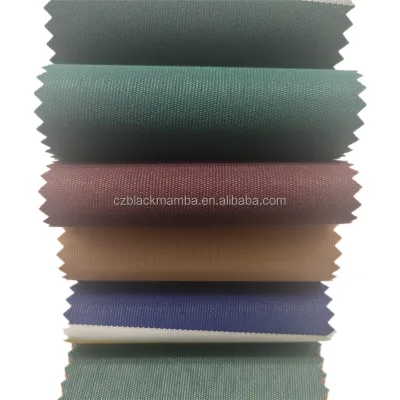


Premium Glossy Polyester Canvas for Stunning Display Advertising
$0.60 - $1.00
MOQ: 3000 Square Meters


Waterproof PVC Flex Banner Fabric Roll for Outdoor Advertising Billboard
$0.30 - $2.00
MOQ: 3000 Square Meters


Sunscreen Outdoor Waterproof Sunscreen Fabric Different
$1.99 - $2.99
MOQ: 1 Square Meters
Shouguang Runchen Environmental Protection Technology Co., Ltd.
Comprehensive Sourcing Guide
Strategic Sourcing Guide for Outdoor Glossy Advertising Fabric
Understanding Material Composition and Technical Specifications
When sourcing Outdoor Glossy Advertising Fabric, the primary objective is to identify materials that balance visual fidelity with environmental resilience. The supply chain for this category is dominated by synthetic polymers, with polyester serving as the foundational material composition for the majority of high-performance options. Buyers must distinguish between single-polymer constructions and blended fabrics, as the latter often introduce specific trade-offs regarding moisture absorption and tensile uniformity. In the current market, specifications frequently cite compositions ranging from 100% polyester to blends involving cotton or spandex, though the latter are less common for heavy-duty outdoor applications due to potential degradation under UV exposure.
The structural integrity of the fabric is defined by its yarn denier and density. High-quality glossy advertising fabrics typically utilize yarns in the range of 500d x 1000d or 1000d x 1000d. These denier measurements indicate the thickness of the individual filaments, directly influencing the fabric's opacity and tear resistance. Density, measured in threads per square inch, is another critical metric. Observed market data suggests standard densities ranging from 9x9 to 18x12 threads per square inch. A higher thread count generally correlates with a smoother surface finish, which is essential for the "glossy" aesthetic required in large-format printing.
Weight is a variable parameter that buyers must evaluate against the intended application. While some heavy-duty covers utilize weights around 250 GSM, standard advertising mesh and coated fabrics often fall within a broader range of 18 to 150 GSM. For glossy finishes intended for billboards or vehicle wraps, a weight that ensures dimensional stability without excessive bulk is preferred. The knitting or weaving technique also plays a pivotal role; options include weft knitting for stretchability or woven techniques for rigidity. The choice between a plain weave and a twill pattern affects the light reflection properties, with twill often providing a more uniform gloss under varying angles of sunlight.
Performance Characteristics and Environmental Resilience
The functional requirements for outdoor advertising fabric extend far beyond visual appeal. The material must withstand extreme weather conditions, including high winds, intense solar radiation, and precipitation. Key performance attributes observed in the market include windproof capabilities, water resistance, and full waterproofing, depending on the specific coating applied. It is crucial for buyers to verify the specific waterproof rating, as some fabrics in the category are marked as water-resistant rather than fully waterproof, which can lead to performance failures in heavy rain scenarios.
UV protection is non-negotiable for outdoor applications. The fabric must possess anti-UV properties to prevent the degradation of the polymer matrix and the fading of printed graphics. Standard specifications often cite a temperature resistance range of -30°C to 70°C, ensuring the material remains flexible in freezing conditions and does not soften or deform during peak summer heat. Additionally, anti-mildew and anti-wrinkle features are essential for maintaining the aesthetic quality of the advertisement over extended periods. The presence of a coating, such as a PVC or acrylic layer, is often the mechanism that delivers these protective features, transforming a basic woven mesh into a durable, glossy surface.
Tensile and tearing strength are the mechanical metrics that determine the fabric's ability to resist physical stress. Warp tensile strength typically ranges from 900 to 1200 N/5cm, while weft tensile strength can reach up to 1300 N/5cm. These values indicate the load the fabric can bear before stretching or breaking. Similarly, tearing strength, measured in N/5cm, varies between 170 and 230 N/5cm for weft directions and 200 to 250 N/5cm for warp directions. High durability is a standard expectation for these products, with many suppliers offering grades classified as "imported" to denote superior raw material quality. However, buyers should not assume all listed products meet these high benchmarks without verifying the specific batch data.
Cost Drivers and Procurement Economics
The pricing structure for Outdoor Glossy Advertising Fabric is influenced by a complex interplay of material costs, manufacturing complexity, and order volume. The observed price range in the market is extensive, spanning from $0.24 to $219 per unit, reflecting the vast difference between lightweight mesh options and heavy-duty, multi-coated billboards. This variance is driven primarily by the weight of the fabric, the type of coating applied, and the density of the weave. Heavier fabrics with higher GSM counts and specialized coatings command a premium price due to the increased raw material consumption and energy required for production.
Minimum Order Quantity (MOQ) is another significant cost driver. While some suppliers offer flexible terms with an MOQ as low as 1 meter, others enforce strict thresholds, such as 1000 meters or even up to 30,000 units. For small-scale projects or prototyping, buyers may face higher per-unit costs due to the setup fees associated with smaller runs. Conversely, large-volume orders benefit from economies of scale, significantly reducing the cost per square meter. The supply type, often categorized as "Make-to-Order" (MTO), also impacts pricing. Customized orders require dedicated production lines and specific dyeing or coating processes, which can extend lead times and increase costs compared to standard stock items.
Lead time is a critical factor in the total cost of ownership. Typical delivery windows range from 15 to 25 days, depending on the complexity of the customization and the supplier's current workload. Factors such as the need for custom colors, specific dimensions up to 5.0 meters in width, or unique packing requirements can extend these timelines. Buyers must account for these lead times in their project schedules to avoid delays. Additionally, the origin of the product, often traced to regions like Jiangsu or Suzhou in China, influences logistics costs and import duties, which should be factored into the final budget.
Typical Applications and Design Considerations
Outdoor Glossy Advertising Fabric is utilized across a diverse range of applications, each demanding specific performance characteristics. The most common use case is for large-format billboards and building wraps, where the fabric must provide a smooth, high-gloss surface for vibrant graphic reproduction. The "glossy" finish is achieved through specific coating techniques that enhance light reflection, making the advertisement more visible from a distance. In these applications, the fabric's windproof and tear-resistant properties are paramount to withstand the structural loads and aerodynamic forces acting on large surfaces.
Vehicle wraps and signage represent another significant application area. Here, the fabric must be flexible enough to conform to the contours of a vehicle while maintaining its structural integrity. The anti-wrinkle and high-durability features ensure that the graphics remain crisp and free from creases during installation and subsequent use. For temporary events or promotional displays, the lightweight nature of some fabrics, such as those in the 18-150 GSM range, allows for easy transportation and rapid deployment. The availability of custom sizes, up to 5.0 meters in width, enables manufacturers to minimize seams, which is critical for maintaining the visual continuity of large advertisements.
The choice of pattern, whether plain or twill, also influences the application. Twill patterns may offer better drape and a more subtle texture, while plain weaves provide a flatter surface ideal for high-resolution printing. The color options are extensive, ranging from standard grey to fully customized hues, allowing brands to align the fabric with their corporate identity. The "Reinforced Advertising Mesh Fabric" designation often points to applications requiring high breathability, such as scaffolding wraps, where the material must allow air to pass through to reduce wind load while still providing a surface for graphics.
Supplier Evaluation and Quality Assurance Protocols
Selecting a reliable supplier requires a rigorous evaluation process that goes beyond price comparison. Buyers should prioritize suppliers who offer OEM/ODM capabilities, indicating a willingness to customize products to specific project requirements. The ability to provide samples and detailed technical data sheets is a strong indicator of supplier transparency. When evaluating potential partners, verify the consistency of their production standards. While some suppliers claim compliance with international standards, buyers must request evidence of these claims rather than accepting them at face value.
Quality control should be integrated into the procurement process from the outset. Buyers must verify the physical properties of the fabric, including tensile strength, tearing strength, and weight consistency. The observed data indicates that tensile strengths can vary significantly between batches; therefore, regular testing is essential. Suppliers should be able to demonstrate their ability to maintain the specified density and yarn denier across large production runs. Packaging is another area of concern; options range from standard cartons to roll packing with polybag and weaving bag protection. The chosen packaging must ensure the fabric arrives without damage, particularly for glossy surfaces that are prone to scratching.
Certification and compliance checks are vital, even if specific certifications like OEKO-TEX or FSC are not universally present in the supply chain. Buyers should inquire about the chemical composition of the coatings and inks used, ensuring they meet local environmental regulations. The origin of the raw materials, such as imported grades versus domestic alternatives, can also impact the final quality. A supplier with a track record of exporting to multiple regions is likely to have more robust quality assurance systems in place.
Long-Term Procurement and Lifecycle Management
Sourcing Outdoor Glossy Advertising Fabric is not a one-time transaction but a strategic partnership that requires long-term planning. Buyers should consider the lifecycle of the product, including its expected lifespan under various environmental conditions. High-durability fabrics with anti-UV and anti-mildew properties will offer a longer service life, reducing the frequency of replacement and the associated costs. However, the initial investment in higher-quality materials must be balanced against the project budget and the duration of the advertising campaign.
Customization is a key trend in the industry, with many suppliers offering tailored solutions for specific dimensions, weights, and performance requirements. This flexibility allows buyers to optimize the fabric for their specific use case, whether it is a short-term event or a permanent installation. The availability of different packing options and the ability to handle custom orders make the supply chain more adaptable to changing market demands.
Finally, buyers should maintain a close relationship with their suppliers to stay informed about new technologies and material innovations. The field of outdoor advertising fabric is evolving, with new coatings and weaving techniques constantly emerging. By staying engaged with the supply chain, buyers can ensure they are always utilizing the most advanced and cost-effective solutions available. This proactive approach to procurement will ultimately lead to better project outcomes and a more sustainable supply chain.
FAQs
What is the typical weight range for Outdoor Glossy Advertising Fabric?
The weight range typically spans from 18 to 150 GSM, though some heavy-duty options reach 250 GSM. Buyers should select based on the specific application, as lighter weights suit temporary displays while heavier weights provide durability for billboards.
Can this fabric be customized for specific dimensions and colors?
Yes, customization is available for both dimensions and colors. The maximum width can reach up to 5.0 meters, and colors can be customized to match brand requirements, allowing for tailored solutions for various advertising projects.
What are the key performance features of this advertising fabric?
Key features include windproof, water-resistant, and anti-UV properties. The fabric also offers tear resistance and durability, making it suitable for outdoor environments where exposure to sun, wind, and moisture is a primary concern.
How long does it take to receive a customized order?
The lead time for customized orders is typically between 15 and 25 days. This duration accounts for the make-to-order production process, which includes specific dyeing, coating, and quality checks required for custom specifications.
What is the minimum order quantity for purchasing this fabric?
The minimum order quantity varies, with some options starting at 1 meter while others require 1000 meters. Buyers should verify the specific MOQ with the supplier, as it depends on the product model and customization level.
Which material composition is most common for this fabric type?
The most common composition is 100% polyester, though some blends include cotton or spandex. Polyester is preferred for its high durability and resistance to UV degradation, ensuring the fabric maintains its integrity in outdoor conditions.
What tensile strength can be expected from this woven fabric?
Warp tensile strength ranges from 900 to 1200 N/5cm, while weft strength reaches up to 1300 N/5cm. These values indicate the fabric's ability to withstand physical stress and wind loads without tearing or stretching excessively.