Find Wedding Invitation for Exhibition Shows, Supermarkets, and Speciality Stores
Source 30 Wedding Invitation options including acrylic, paper, and pearl paper materials with customization available. Buyers can compare sizes, colors, and MOQs for indoor display or event use.
Key considerations
Products List
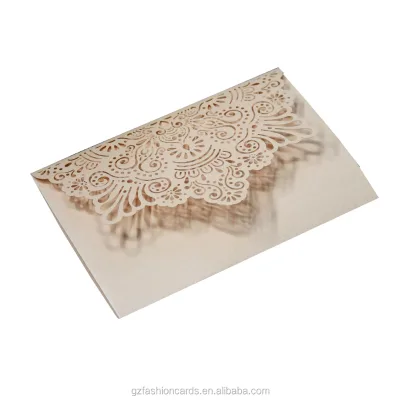
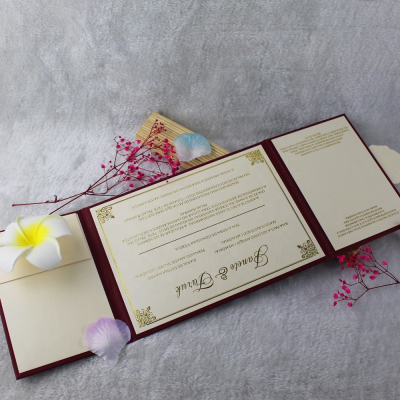
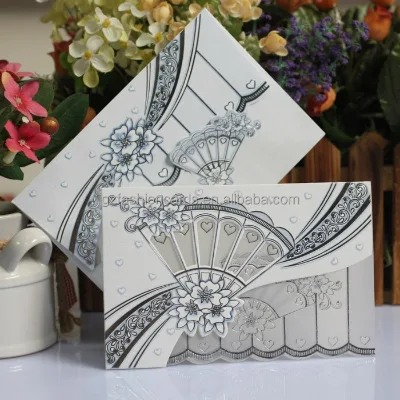
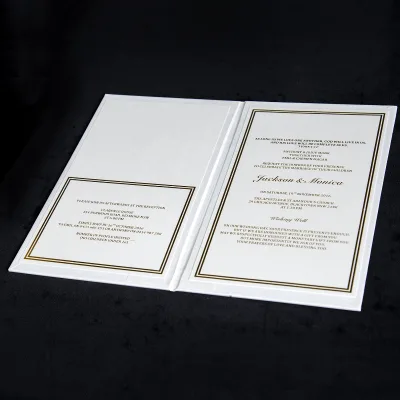
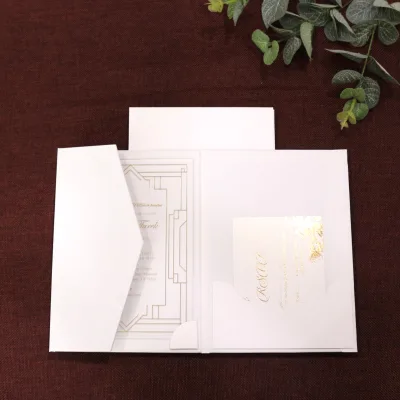
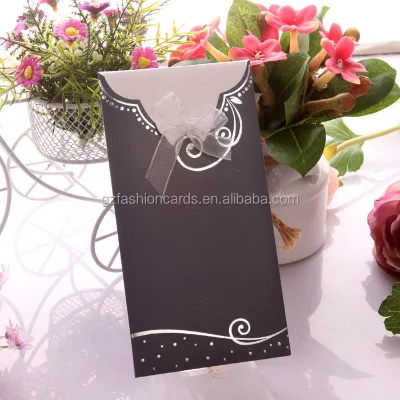

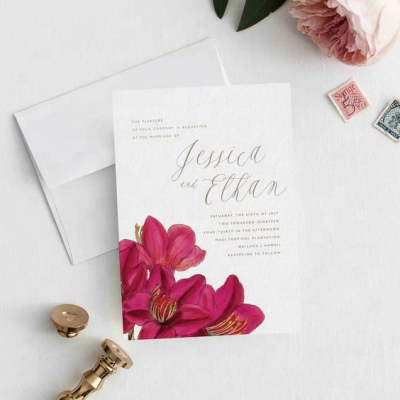
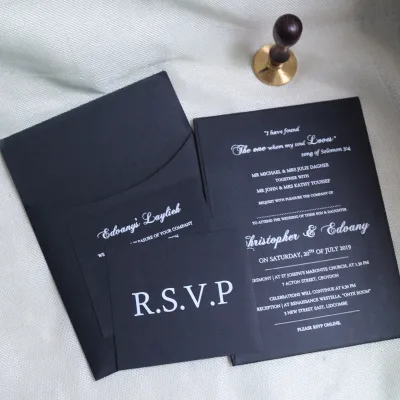
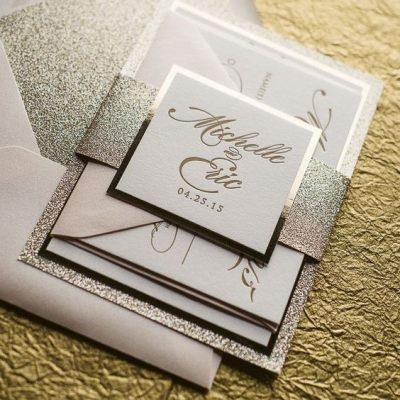
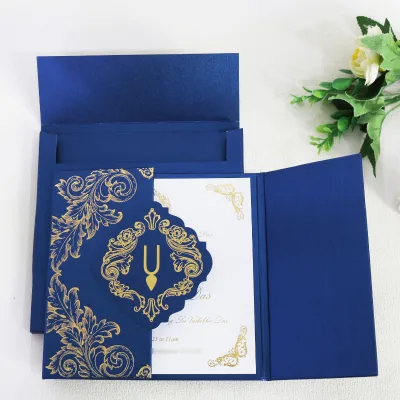
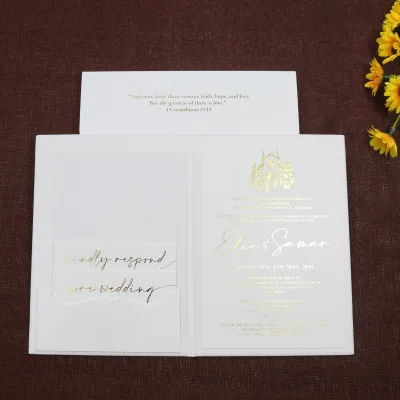
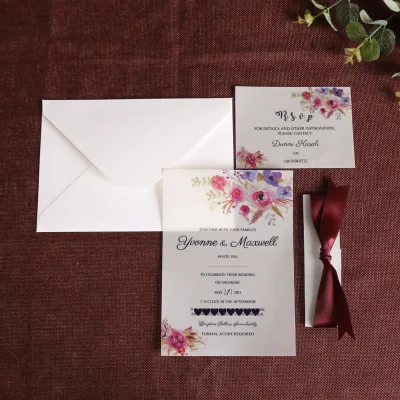


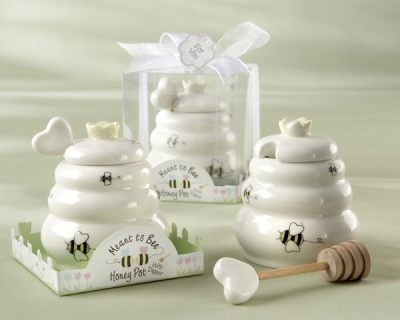


Customized Double-Sided Acrylic Invitations for Wedding and Hotel Celebration Card
$0.89 - $1.52
MOQ: 100 Pieces
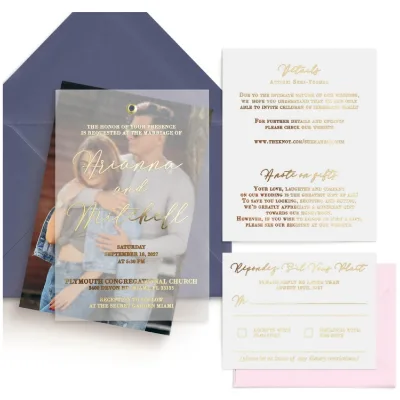
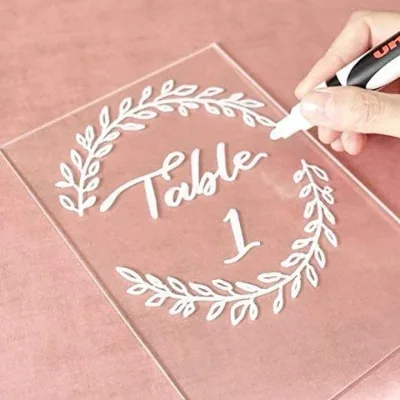

Comprehensive Sourcing Guide
Strategic Sourcing Guide for Wedding Invitation Procurement
The global market for wedding stationery has evolved significantly, with buyers increasingly seeking materials that blend traditional elegance with modern durability. When sourcing wedding invitations, procurement professionals must navigate a complex landscape of material science, customization capabilities, and logistical constraints. The core keyword "Wedding Invitation" encompasses a wide array of product types, ranging from standard paper cards to high-end acrylic mirrors and custom-printed displays. This guide provides a disciplined approach to evaluating suppliers, understanding technical specifications, and managing the procurement lifecycle for these critical event materials.
Material Selection and Technical Specifications
The foundation of any successful Wedding Invitation procurement lies in the selection of appropriate materials. The supplied product data indicates a diverse range of materials available in the market, including Acrylic, Plastic, Paper, and Pearl Paper. Each material offers distinct advantages and challenges regarding durability, aesthetics, and cost.
Acrylic and Plastic options are frequently highlighted for their modern appeal. Products described as "Custom Mirror Acrylic Wedding Invitation" or "Custom Rose Gold Mirror Acrylic Wedding Invitation" suggest a trend toward reflective, premium finishes that resist tearing and moisture. These materials are often associated with a "Modern" style and are suitable for "Indoor" display or high-end presentation. The "Waterproof" attribute observed in some listings is a critical technical specification for buyers concerned about environmental factors during storage or transport. However, the "Anti-wind Capability" being listed as "Medium" for certain display-related items suggests that while these materials are sturdy, they may require specific mounting solutions for outdoor or high-traffic exhibition environments.
Conversely, traditional paper-based invitations remain a dominant category. The data lists "Paper" and "Pearl Paper" as primary materials, often paired with "Print" processing. These items typically feature a "Single" printing page and may include specific structural elements like an "Inside Lid" made of Paper or PP (Polypropylene). The "Folded Acrylic Wedding Invitation Set" and "Custom Irregular Acrylic Wedding Invitation" keywords indicate that shape and form factor are significant differentiators. Buyers must verify if the "One Size" or "Customized" size specifications align with their design requirements. The availability of "Text Customization" and "Pattern Selection" as customization options allows for personalization, which is a non-negotiable feature for most wedding events.
| Material Type | Key Attributes | Typical Applications | Verification Points |
|---|---|---|---|
| Acrylic / Plastic | Waterproof, Mirror Finish, Modern Style | High-end displays, Indoor events, Speciality stores | Clarity, thickness, edge finishing, anti-wind stability |
| Paper / Pearl Paper | Print-friendly, Traditional feel, Folded options | Standard invitations, Ceremony programs, Gift sets | Paper weight, ink adhesion, folding precision |
| Mixed Materials | Inside Lid (Paper/PP), Custom Packaging | Premium gift sets, Multi-part invitation suites | Adhesion quality, material compatibility |
Compliance, Certification, and Standard Verification
In the realm of B2B procurement, compliance is often the most overlooked aspect until a shipment is rejected. While the supplied data mentions "FSC" in a low-confidence background context, it is crucial not to assume certification status without direct verification. Buyers should treat any mention of environmental standards as a claim that requires documentation. The "Customzation" and "customized" standards listed in the product attributes refer to the manufacturing process rather than a formal regulatory standard.
Procurement teams must explicitly request proof of compliance for any claims regarding sustainable sourcing or safety. If a supplier claims FSC certification, the buyer must ask for the specific license number and verify it against the FSC database. Similarly, for products originating from China, specifically Guangdong, buyers should inquire about local manufacturing standards and any export compliance requirements relevant to the destination country. The "prod_standard" field often lists "Customzation," which implies that the product is made to order rather than adhering to a rigid, pre-existing industry standard. This necessitates a rigorous review of the "Customization Options" to ensure the final product meets the buyer's specific design and functional requirements before mass production begins.
Cost Drivers and Pricing Dynamics
Understanding the cost structure of wedding invitations is essential for budget management. The observed price range in the market spans from $0.05 to $25.90 USD, a variance that reflects differences in material quality, customization complexity, and order volume. The "MOQ" (Minimum Order Quantity) is a primary driver of unit cost, with observed ranges between 50 and 1000 units, and specific listings noting MOQs of 100 PCS or 10000 PCS.
The significant difference between a 100-piece MOQ and a 10,000-piece MOQ suggests a tiered pricing model where economies of scale drastically reduce the per-unit cost. Buyers should be aware that "Custom Mirror" or "Rose Gold" finishes likely command a premium over standard "White" or "Navy" paper options. The "Packaged in Individual Cartons" or "Each Packed in a Polybag" specifications add to the cost but are often necessary for protecting delicate items like acrylic mirrors or folded paper sets during transit.
When evaluating quotes, procurement professionals should look beyond the base unit price. Factors such as "Safe Packing," "Sea or Air" shipping options, and the "Lead Time" of 10-20 days influence the total landed cost. Rush orders or expedited air shipping will inevitably increase the overall budget. Additionally, the "OEM: Yes" attribute indicates that suppliers are willing to produce under the buyer's brand, which may involve setup fees or tooling costs that should be factored into the initial negotiation.
Typical Applications and Usage Scenarios
The versatility of wedding invitations extends beyond the traditional paper card. The data highlights applications in "Exhibition Show," "Speciality Stores," and "Supermarkets," suggesting that these products are often used as promotional displays or marketing materials in addition to their primary function. The "Desktop Billboard" application indicates a dual-use potential where the invitation can serve as a point-of-sale display or a table centerpiece.
For the wedding industry specifically, the "Indoor" display preference is paramount. Acrylic products with "Mirror" finishes are ideal for indoor lighting conditions where their reflective properties can be fully appreciated. The "Folded" nature of paper invitations makes them suitable for inclusion in wedding favors or gift boxes. The "Custom Irregular" shapes and "Custom Floral" patterns allow for thematic alignment with specific wedding motifs, such as rustic, modern, or classic styles. Buyers should consider the end-user experience; for instance, a "Waterproof" acrylic invitation might be preferred for destination weddings where humidity is a concern, whereas a "Pearl Paper" invitation might be chosen for a traditional indoor ceremony for its tactile elegance.
Supplier Evaluation and Origin Analysis
Supplier evaluation requires a deep dive into the origin and capabilities of the manufacturer. The supplied data consistently points to "China" as the origin, with specific mention of "Guangdong, China." Guangdong is a major manufacturing hub known for its supply chain efficiency in plastics, paper, and printing. However, the concentration of suppliers in this region necessitates a thorough vetting process to ensure quality consistency.
Buyers should verify the "OEM" capabilities of the supplier. The "OEM: Yes" attribute confirms that the supplier can handle private labeling, but the extent of this service varies. A robust supplier will offer "Text Customization" and "Pattern Selection" as standard options, allowing for a high degree of personalization. The "Lead Time" of 10-20 days is a standard benchmark, but buyers must confirm if this includes the time for sample approval and mass production. The "Shipping" options of "Sea or Air" provide flexibility, but the choice depends on the urgency of the event and the budget constraints.
When evaluating suppliers, procurement teams should request samples that match the exact specifications of the intended order. This is particularly important for materials like "Acrylic" and "Plastic," where the clarity and finish can vary significantly between batches. The "Product Name" and "prod_model" fields (e.g., "AC010019", "Invitation Card-098L") serve as unique identifiers that should be used to track specific product lines and ensure consistency across multiple orders.
Quality Control and Inspection Protocols
Quality control (QC) is the final line of defense against defects. Given the "Customization" nature of the products, standard inspection protocols must be adapted to verify specific design elements. The "Print" processing method requires close attention to color accuracy, especially for "Rose Madder," "Champagne," and "Gold" hues which can vary in appearance depending on the lighting and printing technology used.
Buyers should establish a clear acceptance criteria for "Waterproof" claims. While the attribute is listed, the actual performance under stress (e.g., water exposure, handling) should be tested on samples. For paper-based products, the "Inside Lid" construction must be inspected for structural integrity to ensure it does not separate during handling. The "Packing" method, whether "Individual Cartons" or "Polybag," must be verified to ensure it provides adequate protection against crushing or scratching, particularly for "Mirror Acrylic" items which are prone to surface scratches.
Implementing a pre-shipment inspection is highly recommended. This inspection should cover the "Color" consistency across the batch, ensuring that "Navy," "Pink," "Purple," and "Red" shades match the approved samples. The "Size" specifications, whether "M," "S," "5*7 inches," or "Customized," must be measured precisely. Any deviation from the agreed-upon dimensions can render the product unusable for its intended display or mailing purpose.
Long-Term Procurement Considerations
Sourcing wedding invitations is not a one-time transaction but often part of a recurring procurement strategy for event planners and stationery retailers. The "Customization" aspect allows for long-term partnerships where suppliers can refine their offerings based on feedback. The "Keyword" variations, such as "Custom Floral Clear Acrylic" or "Custom Rose Gold Mirror," suggest a market that is constantly evolving with trends.
Buyers should consider the scalability of their supplier relationships. A supplier capable of handling an MOQ of 100 PCS may not be the best partner for a large-scale event requiring 10,000 units. Conversely, a supplier with a high MOQ might be too restrictive for smaller, boutique orders. The "Lead Time" of 10-20 days should be factored into the overall project timeline, with buffer time added for potential delays or rework.
Furthermore, the "Standard" of "Customzation" implies a flexible production environment. Buyers should maintain open communication channels with suppliers to stay updated on new materials or finishing techniques. The ability to switch between "Paper" and "Acrylic" based on budget or design needs is a valuable capability. Finally, the "Safe Packing" and "Shipping" reliability are critical for maintaining the brand reputation of the buyer. A damaged shipment can ruin the client's experience, making the supplier's logistics performance a key metric for long-term evaluation. By focusing on these strategic elements, buyers can secure a reliable supply chain that delivers high-quality wedding invitations consistently.
FAQs
What materials are used for wedding invitations?
Suppliers offer invitations made from Acrylic, Plastic, Paper, and Pearl Paper. Acrylic options provide a modern, waterproof finish suitable for indoor displays, while paper variants feature print processing for traditional folded designs.
Can I customize text and patterns on the invitations?
Yes, text customization and pattern selection are available options for many products. Buyers can request specific designs, including irregular shapes or floral patterns, to align with their event theme and personal preferences.
What is the minimum order quantity for these items?
The minimum order quantity ranges from 50 to 1000 units, with some specific listings requiring 100 or 10,000 pieces. Buyers should verify the MOQ per supplier to ensure it fits their budget and volume needs.
How long does production take for custom orders?
The standard lead time for production is typically 10 to 20 days. This duration covers the manufacturing process and packaging, though expedited options may vary depending on the specific supplier and order complexity.
Where are these wedding invitations manufactured?
Products originate from China, with specific manufacturing hubs located in Guangdong. Buyers should consider this origin when planning logistics, as shipping options include both sea and air freight for delivery.
Are the acrylic invitations waterproof for storage?
Yes, certain acrylic and plastic options are explicitly listed as waterproof. This attribute ensures durability during storage and transport, making them suitable for environments where moisture resistance is a priority.