Source Parachute Hand Throwing Flying Toy for Promotion, Sports, Education
Compare 30 Parachute Hand Throwing Flying Toy options from verified Chinese manufacturers. Buyers can evaluate specifications, pricing, and customization features for promotional, sports, and educational applications.
Key considerations
Products List


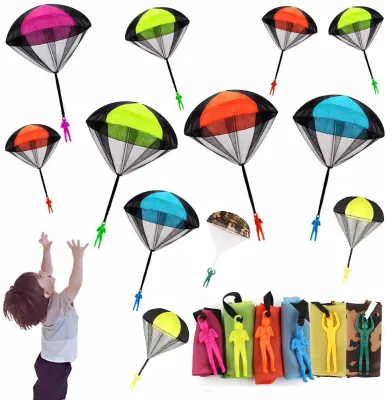


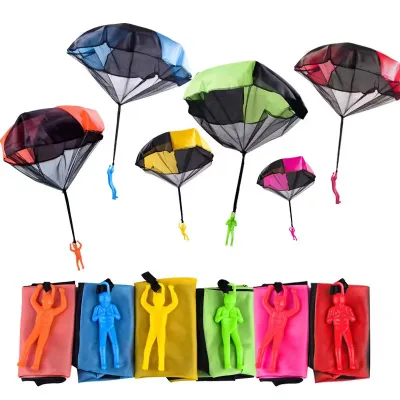
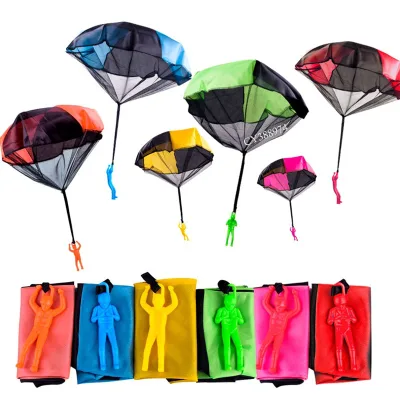
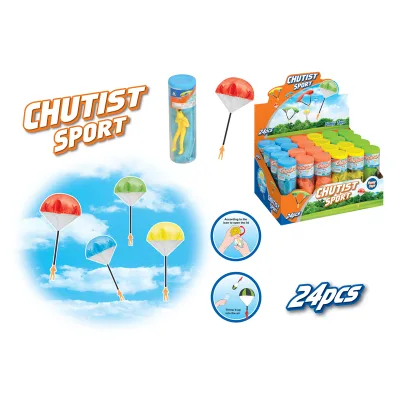
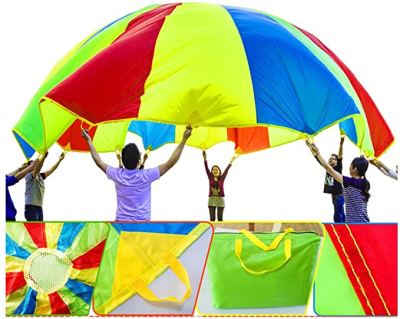


Summer Outdoor Game Rocket Slingshot Flying Toys with LED Lights and Helicopters
$0.11 - $0.13
MOQ: 6000 Pieces
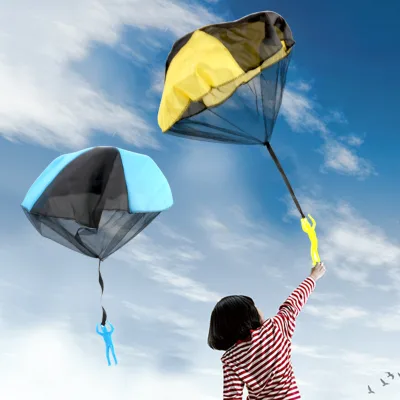
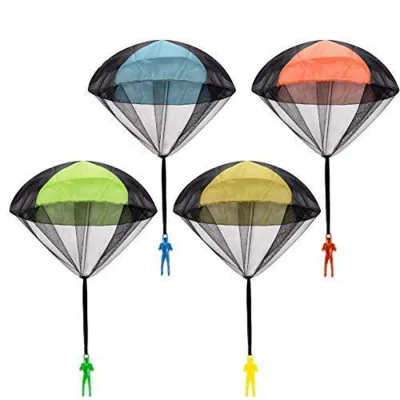
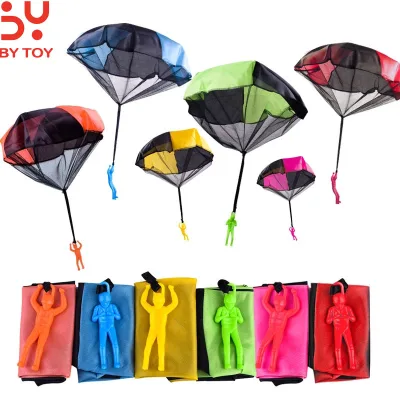

Wholesale Kids Children Promotional Toy Hand Throwing Glider Airplane Toy
$0.42 - $0.50
MOQ: 500 Pieces


Hand Thrown Aircraft EPP Foam Aircraft Hot Selling Roundhouse Throw Glow Toys
$0.36 - $0.39
MOQ: 150 Pieces
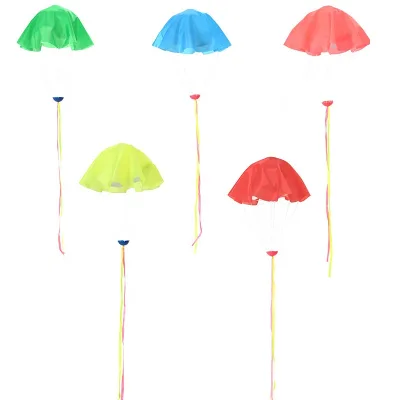


Hot Sell Kid Toys Hand Throwing Foam Plane Glider Toy Foam Plane Glider Toy Airplane
$0.70 - $0.90
MOQ: 100 Pieces

Temu Hot Sell Children Toys Foam Material Airplane Hand Throw Flying Plane
$0.70 - $0.90
MOQ: 100 Pieces
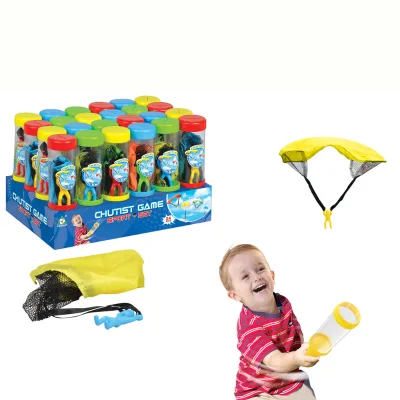
Comprehensive Sourcing Guide
Strategic Sourcing Guide for Parachute Hand Throwing Flying Toys
Understanding Product Variants and Material Composition
The category of parachute hand throwing flying toys encompasses a diverse range of products designed for recreational, promotional, and educational purposes. When initiating a sourcing strategy, it is critical to distinguish between the primary material compositions observed in the market, as these directly influence durability, safety, and application suitability. The supply base frequently features products constructed from Plastic, Foam, and PVC.
Plastic variants are often associated with a "Cartoon Toy" style and are marketed for intellectual play, sports, and promotional events. These items typically utilize a "Full Color" imprint capability and may feature a "Logo Sticker" as the primary method of branding. In contrast, foam-based models, such as those styled as "Bomber Planes," are often designed for educational settings and are characterized by a "Mechanics-driven" power source, meaning they rely on manual throwing mechanics rather than batteries or electronics. These foam units are noted for being "Without Sound," which is a significant advantage for indoor educational environments or noise-sensitive venues.
The material choice also dictates the packaging and shipping logistics. Plastic parachute toys are frequently packed in OPP Bags, whereas foam airplane variants often come in Color Boxes. This distinction is vital for procurement teams managing inventory, as the packaging type affects the unit count per carton and the overall volume of the shipment. Buyers must verify the specific material of the unit they are ordering, as a "Plastic" designation does not guarantee the same tactile experience or safety profile as a "Foam" or "PVC" alternative. The "PVC" material option, often associated with specific brand names like "BYT," offers a different structural integrity and is suitable for a wide age range, from toddlers to adults.
Technical Specifications and Packaging Logistics
A detailed review of technical specifications reveals significant variance in packaging dimensions and weight, which directly impacts freight costs and warehouse planning. The supply chain data indicates that product models vary widely in their physical footprint. For instance, one specific model, identified by the code KSL813497, features a single package size of 1312.50.4 Cm. This compact unit is designed for high-volume distribution, with a carton capacity of 800 PCS. The resulting carton dimensions are 52.546.549 Cm, with a volume of 0.12 Cbm and a gross weight of 13.8 Kgs.
Conversely, foam-based models like the KSL835750-52 present a different logistical profile. These units are larger, with a single package size of 83168 Cm. The carton configuration for this variant holds only 24 PCS per carton, resulting in significantly larger carton dimensions of 675085.5 Cm and a volume of 0.286 Cbm. The gross weight for this carton is 11.5 Kgs.
Another distinct product line, the BYT050601 model, offers a single package size of 6X6X16 cm with a single gross weight of 0.200 kg. This suggests a highly compact, lightweight unit that may be ideal for specific promotional giveaways or small-scale retail displays.
Buyers must carefully calculate the "PCS/CTN" (pieces per carton) and "Cbm/CTN" (cubic meters per carton) to optimize shipping. A high PCS/CTN ratio, such as 800, drastically reduces the number of cartons required for a large order, thereby lowering freight costs per unit. However, this requires a robust supply chain capable of handling high-volume, dense cartons. In contrast, low PCS/CTN ratios, such as 24, result in more cartons for the same quantity of goods, increasing handling time and shipping volume. The "Carton Size" and "Package Size" must be cross-referenced with the buyer's warehouse shelving dimensions and container loading plans to avoid inefficiencies.
Compliance, Certification, and Safety Standards
Safety is the paramount concern when sourcing toys intended for children and educational use. The market data highlights specific certification requirements that serve as a baseline for compliance. Products in this category are frequently associated with ENASTM certifications and specific test standards including En71, ASTM, 10p, and Hr4040. These standards are critical for ensuring that the toys meet international safety regulations regarding mechanical hazards, flammability, and chemical composition.
The "En71" standard is particularly relevant for the European market, covering safety requirements for toys. "ASTM" refers to American Society for Testing and Materials standards, which are mandatory for sales in the United States. The presence of "10p" and "Hr4040" in the observed data suggests specific chemical or phthalate testing protocols, which are essential for products made from PVC and other plastics. Buyers must verify that the supplier can provide valid test reports corresponding to these specific codes. Relying on a generic "Safety" claim without specific certification numbers is insufficient for B2B procurement.
Furthermore, the "Age Range" is a critical compliance factor. Products are observed to cater to a broad demographic, including 2 to 4 Years, 5 to 7 years, 8 to 13 Years, and 14 Years & up. This wide range implies that the product design must accommodate varying levels of motor skills and safety awareness. For the youngest age group (2-4 years), the risk of small parts or choking hazards must be rigorously assessed. The "Assembly Required" attribute, noted as "Yes" for some foam models, introduces an additional layer of complexity. If a product requires assembly, the instructions must be clear, and the components must be designed to prevent injury during the assembly process. Buyers should request assembly instructions and safety warnings as part of the pre-production review to ensure they meet the regulatory requirements of the target market.
Cost Drivers and Minimum Order Quantities
The pricing structure for parachute hand throwing flying toys is heavily influenced by the Minimum Order Quantity (MOQ) and the complexity of customization. The observed MOQ range in the market spans from 1 to 6000 units, indicating a highly flexible supply chain that can accommodate both small promotional runs and large-scale retail orders. However, specific models show distinct MOQ thresholds. For example, the foam bomber plane variant has an MOQ of 120 PCS, making it accessible for smaller buyers or test markets. In contrast, the high-volume plastic parachute model lists an MOQ of 4000 PCS, which is typical for mass-market distribution where economies of scale are necessary to drive down unit costs.
The price range observed in the market is 0.11 to 17.57 USD. This wide disparity is not merely a function of volume but is also driven by material costs, branding requirements, and packaging complexity. The lower end of the price spectrum likely corresponds to basic, unbranded units with simple packaging (e.g., OPP bags) and minimal customization. The higher end of the range is associated with products featuring "Full Color" logo printing, custom packaging (e.g., Color Boxes), and potentially more durable materials like high-grade PVC or specialized foam blends.
Customization is a significant cost driver. The availability of "Customized" options and "Logo Print" capabilities allows buyers to brand the toys for corporate events or specific campaigns. However, the implementation of custom molds, specialized printing techniques, and unique packaging designs will increase the unit price and potentially extend lead times. Buyers should anticipate that orders falling below the standard MOQ (e.g., ordering 100 units of a product with a 4000 MOQ) may incur a premium or require a negotiation of the MOQ threshold. Additionally, the "Selling Units" attribute, which notes "Single item" for some products, suggests that some suppliers offer drop-shipping or single-unit sampling, which typically carries a higher per-unit cost compared to bulk container loads.
Typical Applications and Market Segmentation
The versatility of parachute hand throwing flying toys allows them to serve multiple market segments, each with distinct requirements. The primary applications identified include Intellectual Toy, Promotion, Sports, and Educate.
In the Educational sector, the "Mechanics-driven" nature of foam toys makes them ideal for physics demonstrations. Teachers can use these items to illustrate concepts such as aerodynamics, gravity, and air resistance without the need for batteries or complex electronics. The "Without Sound" attribute is particularly valuable in classroom settings, ensuring that the activity remains focused and does not disrupt other learning activities. The "Assembly Required" feature can also be turned into an educational activity, teaching children about construction and following instructions.
For Promotional use, the "Full Color" imprint capability is a key asset. Companies often utilize these toys as branded giveaways at trade shows, sporting events, or community festivals. The ability to print a logo on the parachute or the body of the toy ensures high visibility and brand recall. The "Cartoon Toy" style appeals to a broad audience, making it suitable for family-oriented events. The "OPP Bag" packaging is cost-effective for mass distribution, while "Color Box" packaging is preferred for premium promotional gifts.
In the Sports and Recreational sector, these toys are used for outdoor activities, park play, and family gatherings. The "Flying Parachute Toy" design encourages physical activity and hand-eye coordination. The durability of the material is crucial here, as the toys are subjected to repeated throwing and catching. The "Unisex" gender designation confirms that these products are designed for all children, removing gender barriers and maximizing the potential customer base.
Supplier Evaluation and Quality Control Protocols
When evaluating potential suppliers for parachute hand throwing flying toys, buyers must look beyond the basic product description. The "Place of Origin" is consistently listed as China, with specific regions like Guangdong mentioned. While this indicates a manufacturing hub, it does not guarantee quality. Buyers should verify the supplier's capacity to meet the specific certification standards observed, such as En71 and ASTM. A reputable supplier should be able to provide third-party test reports that confirm the product meets these standards, rather than simply claiming compliance.
Quality control should focus on the consistency of the "Logo Print" and the structural integrity of the "Parachute" mechanism. Since the product relies on the parachute deploying correctly after a throw, the attachment points and the fabric quality are critical. For foam models, the density and resilience of the foam must be consistent to ensure the "Bomber Plane" flies as intended. Buyers should request samples to test the "Assembly Required" process, ensuring that parts fit together securely and that the instructions are clear.
The "Packing" method is another area for quality scrutiny. The transition from "OPP Bag" to "Carton Box" must be seamless to prevent damage during transit. The "PCS/CTN" and "Cbm/CTN" figures provided by the supplier should be verified against actual measurements to ensure that the shipping estimates are accurate. Discrepancies in these figures can lead to unexpected freight costs or storage issues. Additionally, the "G.W" (Gross Weight) and "N.W" (Net Weight) should be checked to ensure they align with the declared values for customs and duty calculations.
Long-Term Procurement Considerations
Sourcing parachute hand throwing flying toys is not a one-time transaction but a strategic relationship that requires long-term planning. The "Customization" availability suggests that buyers may need to update branding or designs seasonally. A supplier that can accommodate frequent design changes and small-batch reorders will be more valuable than one that requires rigid, large-volume commitments.
Buyers should also consider the lifecycle of the product. As safety regulations evolve, the "Certification" requirements may change. A supplier with a track record of staying updated with international standards (e.g., ISO 27001 for data security, though less relevant for the toy itself, or updated EN/ASTM versions) will be better positioned to support the buyer's long-term needs. The "Age Range" of the product also suggests that as the target demographic shifts, the product design may need to adapt. For instance, if the market moves toward older children, the complexity of the "Mechanics-driven" system might need to increase.
Finally, the "MOQ Order" flexibility is a key factor in inventory management. A supplier that can offer a range of MOQs allows the buyer to test new markets with low risk and scale up quickly when demand is confirmed. The ability to ship in "Single item" units or small cartons can be advantageous for e-commerce fulfillment, while the capacity to handle 4000+ unit orders is essential for traditional retail distribution. By maintaining a diversified supplier base and understanding the technical and logistical nuances of the product, buyers can ensure a stable and profitable supply chain for parachute hand throwing flying toys.
FAQs
What certifications do parachute hand throwing flying toys meet?
Products typically meet ENASTM, En71, ASTM, 10p, and Hr4040 standards. These certifications ensure compliance with international safety regulations for mechanical hazards and chemical composition, which is essential for toys sold in Europe and the United States.
Which materials are used for these flying toys?
The toys are constructed from Plastic, Foam, and PVC materials. Plastic variants often feature cartoon styles, while foam models are designed for educational use and PVC options offer structural integrity suitable for various age groups.
Can I customize the logo on these toys?
Yes, customization is available with full color logo printing options. Buyers can request logo stickers or full color imprints to brand the toys for promotional events, sports activities, or educational campaigns.
What is the minimum order quantity for these products?
The minimum order quantity ranges from 120 to 4000 pieces depending on the model. Specific foam variants may start at 120 PCS, while high-volume plastic parachute models often require a minimum of 4000 PCS.
How are these toys packaged for shipping?
Packaging varies by material, with plastic toys often in OPP bags and foam models in color boxes. Carton dimensions and piece counts differ significantly, such as 800 pieces per carton for some plastic models versus 24 pieces for foam airplanes.
Are these toys suitable for educational settings?
Yes, they are designed for education, sports, and intellectual play. The mechanics-driven foam models are without sound, making them ideal for classrooms where noise control is necessary for physics demonstrations and learning activities.