Source Passport Wallets for Business, Travel, and Daily Use
Explore 30 Passport wallet options featuring PU and leather materials with waterproof or standard protection. Buyers can compare customization, RFID functions, and packaging details for business card, credit card, and check book storage needs.
Key considerations
Products List


RFID PU Passport Holders Cover Good Quality Passport Holder Cover Wallet
$2.65 - $6.50
MOQ: 100 Pieces






Comprehensive Sourcing Guide
Passport Sourcing Guide
Sourcing Passport holders and travel document organizers requires a careful balance between aesthetic appeal, functional durability, and security features. Buyers must navigate a market that offers a wide variety of materials, from synthetic polyurethane (PU) to genuine leather, each presenting distinct advantages in terms of cost, texture, and longevity. The decision to source these items often hinges on the target demographic’s preference for style versus utility, with options ranging from minimalist designs to those featuring complex stitching or crocodile grain textures. Understanding these material distinctions is the first step in defining a product specification that aligns with brand identity and customer expectations.
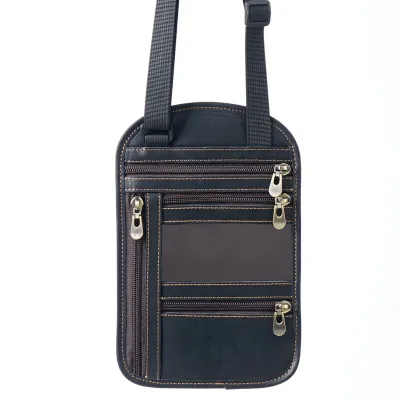
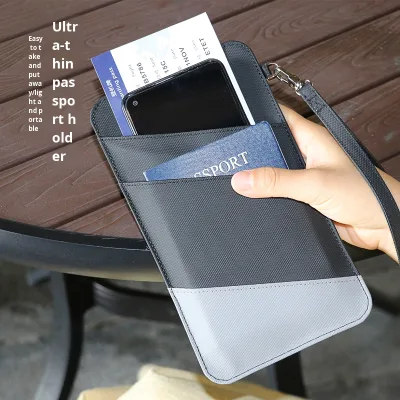
Beyond material selection, the functional architecture of the holder plays a critical role in its procurement value. Modern travelers increasingly demand multifunctional accessories that integrate security features such as RFID blocking and MagSafe compatibility, alongside traditional storage for business cards, credit cards, and checks. The sourcing strategy must therefore account for these technical integrations, ensuring that the chosen supplier can deliver products that meet both the physical storage needs and the digital security concerns of contemporary users. This dual focus on physical and digital protection defines the quality threshold for competitive Passport accessories in the current B2B landscape.
Product Scope and Observed Listing Signals
The current market landscape for Passport holders reveals a diverse array of product attributes that buyers should consider when evaluating supplier listings. Observed data indicates a price range between $0.49 and $15.52 USD, reflecting significant variation in material quality, branding capabilities, and production complexity. Minimum Order Quantities (MOQs) vary widely, starting from as low as one piece for sampling or small boutique orders up to 500 pieces for larger commercial runs, with some standard listings citing an MOQ of 100 pieces. This flexibility allows buyers to scale their initial orders based on risk tolerance and inventory turnover expectations, though higher volumes often unlock better unit economics.
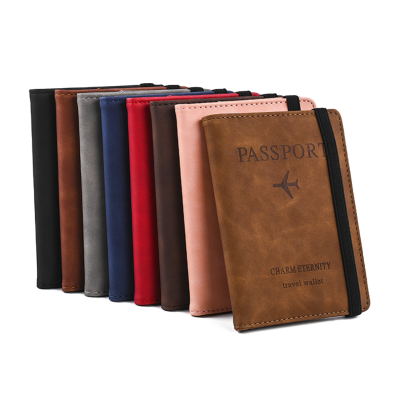
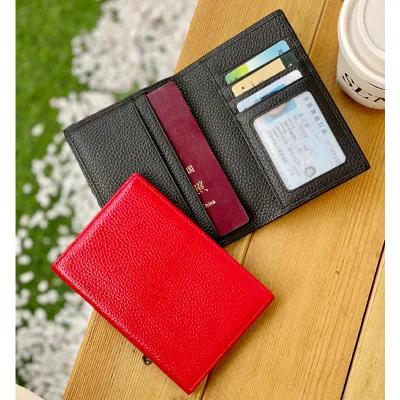
Product specifications observed in the market highlight specific design elements that influence buyer choice. Common fashion elements include stitching, contrast colors, and crocodile grain textures, catering to both trend-driven and simplicity-focused aesthetics. Materials are predominantly listed as PU or leather, with hardness levels ranging from soft to medium soft, ensuring comfort and ease of handling. Color options are diverse, with red and black being prominent choices, while customization services are widely available, allowing for logo printing or custom branding. These signals help buyers filter suppliers based on their ability to meet specific design and volume requirements.
Technical Specifications to Verify
When verifying technical specifications, buyers must prioritize the physical dimensions and structural integrity of the Passport holder. Standard open dimensions observed include 20x14 cm and 188x133 mm, which must align with the specific Passport sizes of the target markets, such as US, UK, or EU standards. The hardness of the material, whether soft PU or medium soft leather, directly impacts the holder’s ability to protect documents from bending or creasing during travel. Buyers should request physical samples to assess the tactile feel and structural rigidity, ensuring that the product meets the expected durability standards for frequent use.
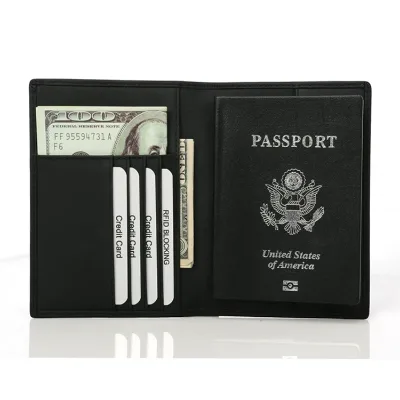
Security and functional features are critical technical aspects that require rigorous verification. Products claiming RFID and MagSafe functionality must be tested to ensure effective signal blocking and secure attachment capabilities. Additionally, the presence of multiple compartments for business cards, credit cards, and checks should be evaluated for ease of access and secure retention. Buyers should confirm whether the product includes specific packaging, such as black gift boxes or polybags, as this affects the final retail presentation and unboxing experience. Verifying these technical details through sample testing is essential to avoid post-production disputes.
Compliance and Safety Documentation
Compliance and safety documentation for Passport holders primarily focus on material safety and environmental standards. While specific certifications like OEKO-TEX are mentioned in background contexts, buyers should verify the actual certification status of the materials used, particularly for leather and PU products, to ensure they are free from harmful substances. This is especially important for products intended for markets with strict chemical regulations, such as the European Union or North America. Buyers should request material safety data sheets (MSDS) or test reports from accredited laboratories to confirm that the products meet relevant safety standards.
Labeling and origin documentation are also crucial for compliance. Products sourced from China must adhere to proper country-of-origin labeling requirements, which vary by destination market. Buyers should ensure that suppliers provide accurate documentation regarding the product’s origin, model numbers (such as LS444, LS345, or JYW-29201), and any relevant quality grades, such as Grade A. This documentation not only facilitates customs clearance but also supports brand transparency and consumer trust. Verifying these details before placing large orders helps mitigate the risk of regulatory penalties or product recalls.
Cost Drivers and Commercial Terms
Cost drivers for Passport holders include material selection, customization complexity, and packaging requirements. PU materials generally offer a lower cost point compared to genuine leather, while features like hot stamping, handmade construction, or custom logo printing add to the production cost. The choice of packaging, whether standard polybags, cartons, or premium gift boxes, also significantly impacts the final unit price. Buyers should analyze these cost components to determine the optimal balance between quality and price, ensuring that the final product remains competitive in the target market.
Commercial terms, including MOQs and payment conditions, vary among suppliers. While some suppliers offer low MOQs of one piece, others may require 100 or 500 pieces for production runs. Buyers should negotiate terms that align with their inventory strategy, considering factors such as lead times and shipping costs. The observed carton size of 49x31x47 cm with a volume weight of 18 kg provides a basis for calculating shipping expenses, which can be a significant portion of the total landed cost. Understanding these commercial dynamics helps buyers forecast their total investment and manage cash flow effectively.
Supplier Qualification and Quality Control
Supplier qualification involves assessing the manufacturer’s capability to deliver consistent quality and meet customization requests. Buyers should verify the supplier’s experience in producing Passport holders, particularly those with specific features like RFID blocking or MagSafe compatibility. Requesting references or case studies from previous clients can provide insights into the supplier’s reliability and responsiveness. Additionally, buyers should evaluate the supplier’s quality control processes, including in-line inspections and final random inspections, to ensure that the products meet the agreed-upon specifications.
Quality control measures should be implemented at various stages of production to minimize defects. Buyers should establish clear acceptance criteria for material quality, stitching precision, and functional performance. For products with custom logos or packaging, pre-production samples should be approved before mass production begins. Regular communication with the supplier during the production process can help identify and address potential issues early. Implementing a robust quality control plan ensures that the final products meet the brand’s standards and customer expectations.
Long-Term Procurement Checks
Long-term procurement checks focus on maintaining supplier performance and adapting to market changes. Buyers should conduct periodic reviews of supplier performance, including metrics such as on-time delivery, product quality, and responsiveness to issues. Establishing a long-term partnership with a reliable supplier can lead to better pricing, priority production slots, and improved collaboration on new product development. Regular feedback loops with the supplier can help identify areas for improvement and foster a collaborative relationship.
Market trends and consumer preferences evolve, requiring buyers to stay informed about new materials, designs, and security features. Buyers should regularly update their product specifications to reflect these changes, ensuring that their offerings remain competitive. Monitoring competitor products and customer feedback can provide valuable insights into emerging trends, such as increased demand for sustainable materials or enhanced security features. By staying proactive and adaptable, buyers can maintain a strong position in the Passport holder market and meet the changing needs of their customers.
FAQs
Can I customize the Passport holder with my logo?
Yes, customization is available for many models including those with printing or custom logo options. Some items are non-customized, so verify the specific model like JYW-29201 or LS444 before ordering to ensure the feature matches your needs.
What materials are used for these Passport holders?
The products are primarily made from PU leather or genuine leather with a soft to medium soft hardness. Some designs feature crocodile grain textures while others offer contrast colors, ensuring a variety of tactile and visual styles for different preferences.
What are the standard dimensions for the Passport holders?
Standard sizes vary by model, with some measuring 20 by 14 centimeters when open and others at 188 by 133 millimeters. Regular sizes are also available, so check the specific product model number to confirm the exact dimensions required for your use case.
How much is the minimum order quantity for these items?
The minimum order quantity typically starts at 100 pieces for certain models, though some listings show a range from 1 to 500 units. You should confirm the specific MOQ for the model you select, as it can vary between different product specifications.
Are these Passport holders waterproof?
Waterproof capabilities depend on the specific model, as some are explicitly waterproof while others are not. You must check the attributes of the selected item, such as model LS444 or CY2022050708, to determine if it meets your moisture protection requirements.
What is the packaging method for these products?
Packaging options include individual polybags, OPP bags, or black gift boxes depending on the model. Bulk shipments are packed in cartons with specific dimensions like 49 by 31 by 47 centimeters, and custom packing requests may be accommodated for larger orders.
Which models support RFID and MagSafe functionality?
Specific models like CY2024011007 feature multifunctional capabilities including RFID protection and MagSafe compatibility. These advanced features are not present in all items, so verify the product model and function attributes to ensure the holder meets your security and connectivity needs.