Source PDRN Eye Mask for Dark Circles, Anti-Wrinkle, and Moisturizing
Find 30 PDRN Eye Mask options tailored for removing dark circles, reducing fine lines, and providing deep moisturizing care. Compare formulations featuring jelly glue, sheet patches, and retinol blends to identify the best fit for your brand's eye care needs.
Key considerations
Products List

Moisturizing Replenish and Lock in Moisture Skin Around Eye Pdrn Eye Mask
$1.00 - $1.85
MOQ: 50 Pieces


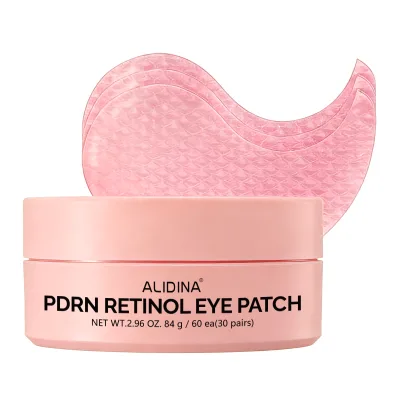


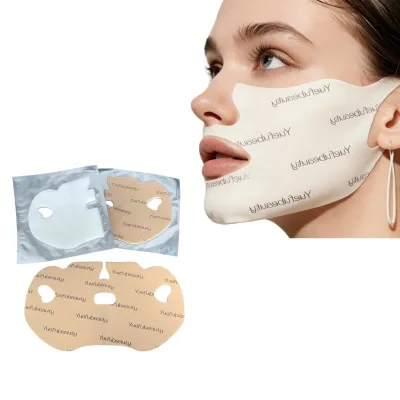
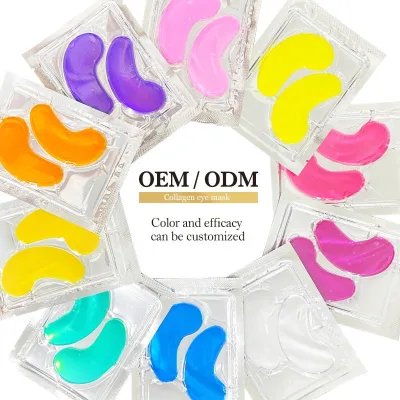


Korea Clinical Puri Eyes Pdrn Recovery Eye Patch Post Pn Injection Calming
$23.00 - $25.00
MOQ: 1 Pieces


$0.19 - $0.95
MOQ: 1000 Pieces
Comprehensive Sourcing Guide
PDRN Eye Mask Sourcing Guide
The PDRN Eye Mask market presents a specialized segment within the broader cosmetic patch industry, characterized by formulations designed to address specific periorbital concerns such as dark circles, fine lines, and puffiness. Based on observed product listings, these items are frequently marketed with core efficacy claims centered on PDRN (Polydeoxyribonucleotide) repair, collagen plumping, and soothing sensitive eye skin. Buyers should recognize that while the primary function is often described as removing dark eye circles and providing anti-wrinkle benefits, the specific formulation can vary significantly between suppliers, ranging from jelly glue bases to sheet masks and translucent pink close-fitting gel patches.
Procurement decisions for this category require a clear distinction between the product form and the active ingredients, as the supply chain offers diverse variations including PDRN Retinol Eye Patches and standard collagen-infused options. The observed product attributes indicate a strong focus on nourishing and moisturizing properties, with some listings explicitly targeting dry, dehydrated eye areas with obvious fine lines. Sourcing strategies must account for these functional differences, ensuring that the selected product aligns with the specific skin type requirements of the target market, whether it be all skin types or specific needs like pore shrinking and skin revitalization.
Product Scope and Observed Listing Signals
When evaluating the product scope, buyers must navigate a range of physical forms and packaging configurations that directly impact logistics and user experience. The available data indicates that products are supplied in various forms, including powdered ingredients, sheet masks, and gel patches, with packaging ranging from normal packages to cartons and individual boxes. A critical observation is the variation in unit counts, where some listings specify 30 pairs per standard, while others offer 60 pieces (30 pairs) per box, necessitating precise verification of the "Single package size" and "Single gross weight" to calculate accurate shipping costs and storage requirements.
The functional scope of these masks extends beyond simple hydration, with many listings highlighting advanced features such as anti-puffiness, whitening, and firming capabilities. Buyers should scrutinize the "Application Scenarios" provided by suppliers, which often include specific use cases like fading fine lines, early anti-aging care, and treating dry dehydrated eye areas. Additionally, the presence of customization options for logos and product names suggests that many suppliers are prepared to support private label arrangements, allowing buyers to tailor the product features and branding to their specific market positioning without altering the core manufacturing process.
Technical Specifications to Verify
Technical verification begins with the model numbers and material composition, which serve as the primary identifiers for product consistency and quality. Listings reference specific model numbers such as PDRN Eye Mask, 0472, and 0295, alongside material descriptions like Jelly Glue and Sodium DNA. It is essential to confirm the exact "prod_model" and "main ingredient" list, as formulations may include Retinol, Caffeine, Collagen, and Sodium DNA, each offering distinct benefits for reducing dark circles and eye wrinkles. Buyers must ensure that the technical specifications provided match the intended efficacy, particularly when the product claims to be a "Translucent Pink Close-Fitting Gel Patch" versus a standard sheet mask.
Shelf life and physical dimensions are equally critical technical parameters that influence inventory management and product stability. The observed data indicates a shelf life of 3 years for certain products, a factor that should be verified against the specific batch being sourced to ensure long-term viability. Furthermore, the "Single package size" of 8x8x4 cm and the "prod_standard" of 30 pairs per unit must be confirmed to prevent discrepancies in order fulfillment. Buyers should also verify the "usage" classification, ensuring the product is designated for "Eye Care Treatments" and "Face" application as intended, rather than being mislabeled for broader or unrelated cosmetic uses.
Compliance and Safety Documentation
Compliance verification is paramount in the cosmetic sector, and the observed product listings frequently cite certifications such as CE, FDA, GMP, and MSDS. While these certifications appear in multiple product descriptions, buyers must treat them as supplier claims that require independent validation rather than guaranteed attributes of every listed item. The presence of MSDS (Material Safety Data Sheet) is particularly important for understanding the chemical composition and handling requirements of ingredients like Retinol and Sodium DNA, ensuring that the product meets safety standards for international distribution.
Safety documentation should also extend to the manufacturing standards and origin verification, as the products are sourced from locations like Guangzhou and Foshan City in Guangdong Province. Buyers should request proof of GMP (Good Manufacturing Practice) compliance to ensure that the production environment maintains the necessary hygiene and quality controls for eye-area products. Additionally, verifying the "Certificates" provided by the supplier is crucial, as the market contains variations in regulatory adherence, and relying solely on the listed certifications without cross-referencing with official databases can expose the buyer to compliance risks.
Cost Drivers and Commercial Terms
Cost structures for PDRN eye masks are influenced by a combination of material complexity, customization requirements, and order volume. The observed MOQ (Minimum Order Quantity) ranges from 1 piece to 10,000 pieces, with specific listings noting MOQs of 100 pieces or 2 boxes, indicating a flexible but variable entry point for buyers. The price range observed in the market spans from $0.10 to $35.00, a wide disparity that reflects differences in ingredient quality, packaging sophistication, and brand positioning. Buyers must analyze the cost per unit relative to the "Volume" and "Selling Units" to determine the true economic value of the product.
Commercial terms also encompass the availability of customization and the specific packing configurations, which can significantly alter the final landed cost. The "Customization" attribute being available suggests that suppliers may charge additional fees for logo printing or custom packaging, which should be factored into the total cost of ownership. Furthermore, the "prod_packing" details, such as whether the product comes in a carton or a box, affect the efficiency of storage and shipping. Buyers should negotiate clear terms regarding the "Single gross weight" and "Single package size" to optimize freight costs, especially when importing from Guangdong Province.
Supplier Qualification and Quality Control
Supplier qualification requires a rigorous assessment of the manufacturing location and the consistency of product attributes across different batches. The observed data points to suppliers based in Guangzhou and Foshan City, Guangdong Province, regions known for their cosmetic manufacturing capabilities. However, buyers must verify the specific "place of origin" for each order to ensure consistency, as different facilities may have varying quality control standards. The "gender" specification of "Female" and the "skin type" of "All Skin Types" should be validated through sample testing to confirm that the product performs as advertised for the intended demographic.
Quality control processes should focus on the integrity of the "Core Efficacy" claims, such as PDRN repair and collagen plumping, which are central to the product's value proposition. Buyers should request batch-specific test results to verify that the "main ingredient" concentrations, including Sodium DNA and Collagen, meet the stated specifications. Additionally, the "Feature" list, which includes attributes like "Moisturizer," "Anti-Wrinkle," and "Whitening," must be substantiated through performance data. Establishing a clear quality agreement that defines acceptable tolerances for the "Product Features" and "Application Scenarios" is essential to maintain brand reputation and customer satisfaction.
Long-Term Procurement Checks
Long-term procurement success depends on the ability to maintain consistent supply and adapt to evolving market demands. Buyers should establish a schedule for regular re-verification of certifications, particularly FDA and GMP status, to ensure ongoing compliance as regulations may change. The "Shelf Life" of 3 years provides a window for inventory planning, but buyers must monitor expiration dates closely to prevent the sale of degraded products, especially for items with active ingredients like Retinol and Caffeine. Regular audits of the supplier's production capacity and lead times are necessary to mitigate the risk of stockouts during peak demand periods.
Strategic procurement also involves monitoring the evolution of product features and formulations to stay competitive. As the market introduces new variations, such as the "Translucent Pink Close-Fitting Gel Patch" or "PDRN RETINOL EYE PATCH," buyers should assess whether these innovations align with their brand strategy. The availability of "Logo" customization and "Customization" options offers opportunities for brand differentiation, but these services must be reliable and scalable. Continuous communication with suppliers regarding "Application Scenarios" and "Core Efficacy" updates will ensure that the product line remains relevant and effective for consumers seeking solutions for dry, dehydrated eye areas and early anti-aging care.
FAQs
What certifications do the PDRN eye masks hold?
The PDRN eye masks hold CE, FDA, GMP, and MSDS certifications. These documents verify compliance with international safety and quality standards for cosmetic products. Buyers can request these certificates to ensure regulatory adherence for their specific markets.
Can I customize the logo on the PDRN Eye Mask packaging?
Yes, logo customization is available for the PDRN Eye Mask products. Suppliers support branding options to help businesses create unique packaging. This service allows buyers to align the product appearance with their specific brand identity requirements.
What is the minimum order quantity for the PDRN Eye Mask?
The minimum order quantity is 100 pieces for standard orders. Some listings indicate a minimum of 2 boxes, which contain 60 pairs each. Buyers should confirm the specific MOQ with the supplier before placing an order to ensure it meets their needs.
Where are the PDRN eye masks manufactured?
The PDRN eye masks are manufactured in Guangzhou and Foshan City, Guangdong Province, China. These locations are known for their cosmetic manufacturing capabilities. Buyers can expect products to originate from these specific regions in Guangdong.
What are the main ingredients in the PDRN Eye Mask?
The main ingredients include Sodium DNA, Collagen, Retinol, and Caffeine. These components work together to nourish, moisturize, and reduce dark circles. The formula is designed to repair sensitive eye skin and smooth fine lines effectively.
How long is the shelf life of the PDRN Eye Mask?
The shelf life of the PDRN Eye Mask is three years from the date of manufacture. This duration ensures the product remains effective for extended storage periods. Buyers should check the production date on the packaging for optimal usage timing.
What is the product form of the PDRN Eye Mask?
The product is available in both powdered and sheet forms. Some variations feature a translucent pink close-fitting gel patch design. The specific form depends on the model number and the supplier's current inventory configuration.