Source PDQ Display Box for Supermarkets, Home, and Exhibitions
Find 30 PDQ Display Box options for supermarkets, specialty stores, and home use. Buyers can compare materials like paper, metal, and acrylic, along with customization and packing details to select the right unit for their needs.
Key considerations
Products List


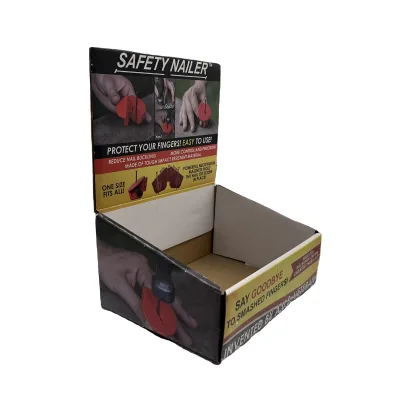
Corrugated Cardboard PDQ Counter Display Box for Chocolate and Candy Bars
$10.00 - $50.00
MOQ: 1000 Pieces



Comprehensive Sourcing Guide
Strategic Sourcing Guide for PDQ Display Boxes
Procuring Point of Purchase (PDQ) display boxes requires a disciplined approach that balances aesthetic appeal with structural integrity and logistical efficiency. The PDQ Display Box market is characterized by a high degree of customization, where the "one-size-fits-all" approach rarely applies. Buyers must navigate a complex landscape of materials, printing technologies, and supply chain variables to ensure the final product effectively drives sales while adhering to budget and timeline constraints. This guide outlines the critical factors for sourcing these displays, grounded in verified industry attributes and practical procurement logic.
Understanding Material Composition and Structural Design
The foundation of any successful PDQ display lies in the selection of the appropriate material. The market offers distinct options, each serving different product categories and durability requirements. Paper-based solutions, specifically corrugated cardboard, are prevalent for their sustainability and cost-effectiveness. These are ideal for food, electronics, apparel, cosmetics, and household goods. The structural integrity of paper displays often relies on the specific grade of corrugation, which must be selected to support the weight of the merchandise without collapsing.
In contrast, metal and acrylic materials provide a premium feel and enhanced durability. Metal displays are often chosen for heavy-duty applications or where a sleek, industrial aesthetic is required. Acrylic displays, frequently used for cosmetic products, offer transparency and a modern look that highlights the product itself. The choice between these materials dictates the manufacturing process, the cost structure, and the final environmental impact of the display. Buyers should verify the specific material composition for each order, as a single supplier may offer multiple material lines depending on the model number and intended application.
Technical Specifications and Customization Capabilities
Customization is a defining characteristic of the PDQ display market. Unlike off-the-shelf shelving units, these displays are engineered to fit specific product dimensions and brand identities. The standard practice involves producing displays with customized sizes, allowing the buyer to tailor the footprint to the retail floor space available. Whether the requirement is a specific height, width, or depth, the manufacturing process is designed to accommodate "as you required" dimensions.
Printing capabilities are equally critical for brand consistency. The market supports both single-sided and two-sided printing pages, enabling comprehensive branding on all visible surfaces. Color reproduction is typically achieved through CMYK printing for full-color graphics or Pantone color printing for precise brand matching. Some suppliers offer options for no-color printing, relying on the natural texture of the material for a minimalist look. The ability to customize the shape, such as rectangular forms, further enhances the display's ability to integrate with existing store fixtures.
| Feature | Paper/Corrugated Options | Metal & Acrylic Options |
|---|---|---|
| Primary Material | Corrugated Paper | Metal, Acrylic |
| Typical Usage | Food, Electronics, Apparel | Cosmetics, High-End Retail |
| Printing | CMYK, Pantone, Single/Two-Sided | Varies by material finish |
| Customization | Full size and shape customization | Custom dimensions available |
| Packing Style | Flat Packing (No Assembly) | 3D/Falt Package, Master Carton |
Compliance, Certification, and Safety Standards
When sourcing PDQ displays, verifying the compliance and safety standards of the manufacturer is essential for risk management. While specific test results vary by batch, reputable suppliers often adhere to recognized international standards. Documentation such as SGS, BV, and TUV certifications are frequently cited as evidence of material quality and production safety. These certifications serve as a proxy for the supplier's commitment to quality control and regulatory adherence.
Safety is also a design trend in modern display manufacturing. Features are often incorporated to ensure the stability of the display and the safety of the consumer, particularly in high-traffic areas like supermarkets and specialty stores. Buyers should explicitly request certification documents for the specific models they intend to purchase. It is important to note that while some suppliers may claim ISO9000 compliance, this should be treated as a background indicator rather than a guaranteed attribute for every specific product line without direct verification. The presence of these certifications should be confirmed in the supplier's quality assurance documentation before finalizing an order.
Cost Drivers and Economic Considerations
The pricing of PDQ displays is influenced by a complex interplay of factors, including material costs, customization complexity, and order volume. The observed market price range is broad, spanning from low-cost paper solutions to premium metal or acrylic units. This variance reflects the difference in raw material costs and the labor intensity required for fabrication.
Order Volume is a primary cost driver. Many suppliers operate with a Minimum Order Quantity (MOQ) structure that can range significantly, from as low as 1 unit for prototyping to 10,000 units for large-scale retail rollouts. A common MOQ observed in the sector is 1,000 pieces, which often unlocks better unit pricing. Buyers must balance the need for inventory against the upfront capital required. Additionally, the packing method affects shipping costs. Flat packing options, which require no assembly by the retailer, reduce shipping volume and labor costs at the destination, whereas 3D packed units may incur higher freight charges but reduce on-site labor.
Typical Applications and Usage Scenarios
PDQ displays are versatile tools designed for a wide array of retail environments. Their primary usage includes exhibition shows, specialty stores, supermarkets, and general retail locations. The specific application dictates the design requirements. For instance, a display for food products may require different structural reinforcement than one for cosmetics. The "Display" use case is broad, covering everything from countertop units to floor-standing structures.
The versatility of these displays allows them to be used in home settings as well, particularly for promotional items or seasonal decorations. The ability to customize the design ensures that the display aligns with the specific marketing campaign or product launch. Whether the goal is to draw attention in a crowded supermarket aisle or to showcase a premium cosmetic item in a specialty store, the PDQ display serves as a critical touchpoint between the product and the consumer.
Supplier Evaluation and Quality Control Protocols
Evaluating a supplier requires a focus on their production capabilities and quality assurance processes. Key indicators of a reliable supplier include their origin, lead times, and packing standards. Many suppliers are based in major manufacturing hubs like Shanghai, China, which offers access to a robust supply chain and specialized labor.
Lead times are a critical metric for procurement planning. A standard lead time for customized PDQ displays is often around 7 working days after payment and artwork confirmation. However, this can vary based on the complexity of the design and the current production load. Buyers should verify the specific lead time for their order to avoid delays.
Quality control should be integrated into the procurement process. This involves checking the "Flat Packing" integrity to ensure the display arrives undamaged and is easy to assemble. For 3D packed items, the robustness of the master carton and palletization is vital. Suppliers should provide clear instructions and packaging standards, such as using brown kraft paper with pallets or master cartons, to ensure the product arrives in perfect condition.
Long-Term Procurement and Logistics Strategy
Sourcing PDQ displays is not a one-time transaction but part of a long-term logistics strategy. Buyers must consider the shipping methods available, which typically include sea freight, air freight, courier services, and trucking. The choice of shipping method depends on the urgency of the order and the volume of goods. For large orders, sea freight is often the most cost-effective, while air freight is suitable for urgent, smaller batches.
Sustainability and waste reduction are also long-term considerations. Flat packing options significantly reduce the carbon footprint associated with shipping by maximizing container space. Furthermore, the use of recyclable materials like corrugated paper aligns with modern corporate sustainability goals. Buyers should prioritize suppliers who offer eco-friendly packaging solutions and materials that can be easily recycled or repurposed after the display's lifecycle.
In conclusion, successful procurement of PDQ display boxes requires a meticulous approach to material selection, customization, and supplier verification. By focusing on technical specifications, compliance standards, and logistical efficiency, buyers can secure high-quality displays that enhance product visibility and drive sales. The market offers a wide range of options, from simple paper boxes to complex metal structures, allowing buyers to tailor their strategy to specific business needs. Continuous evaluation of supplier performance and adherence to quality standards will ensure a reliable supply chain for future marketing campaigns.
FAQs
What materials are available for pdq display boxes?
Available materials include paper, metal, and acrylic. Paper options often feature corrugated structures suitable for food and electronics, while metal and acrylic provide durability for cosmetics and premium retail applications.
Can I customize the size of a PDQ Display Box?
Yes, customized sizes are available to meet specific requirements. Manufacturers can produce displays with dimensions tailored to your product footprint, ensuring a perfect fit for retail shelving or floor displays.
What is the typical lead time for production?
The standard lead time is 7 working days after payment and artwork confirmation. This duration applies to customized orders and ensures timely delivery for exhibition shows or store openings.
Which certifications do PDQ Display Box suppliers hold?
Suppliers often hold SGS, BV, and TUV certifications for material quality and safety. These documents verify compliance with international standards and ensure the structural integrity of the display units.
How are pdq display boxes packed for shipping?
Packing options include flat packing to save space and 3D packing for ready-to-use units. Flat packing requires no assembly, while 3D options use master cartons or pallets for protection during transit.
What printing options are supported for branding?
Printing supports single-sided or two-sided pages with CMYK or Pantone colors. Some options allow for no-color printing, relying on the natural texture of the material for a minimalist aesthetic.
Where are these pdq display boxes manufactured?
Most products originate from Shanghai, China. This location provides access to a robust supply chain capable of handling various materials and customization requests for global retail markets.