Source Vitamin C Hydrogel Eye Patch for Fine Lines, Dark Circles, and Puffiness
Compare 30 Vitamin C Hydrogel Eye Patch options from verified Chinese manufacturers. Buyers can evaluate specifications like needle length, ingredients, and MOQ to find suitable solutions for fine lines, dark circles, and puffiness removal.
Key considerations
Products List
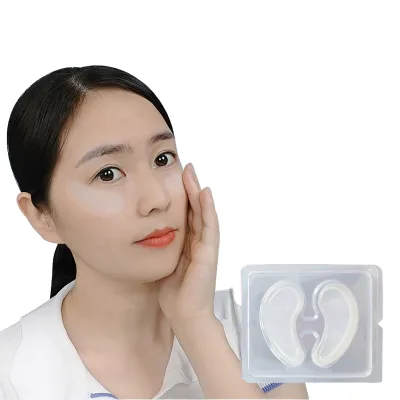
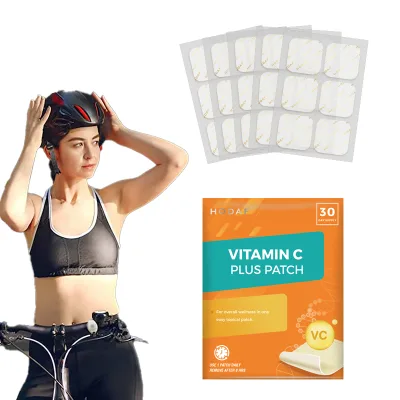
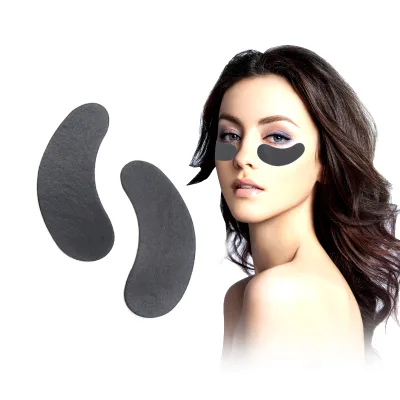
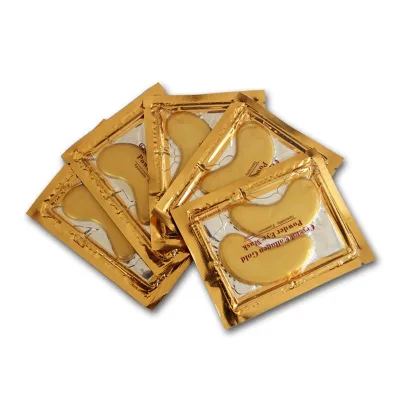
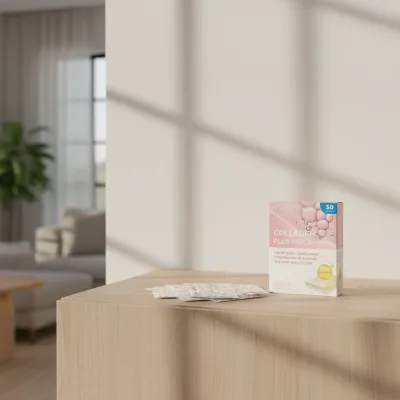
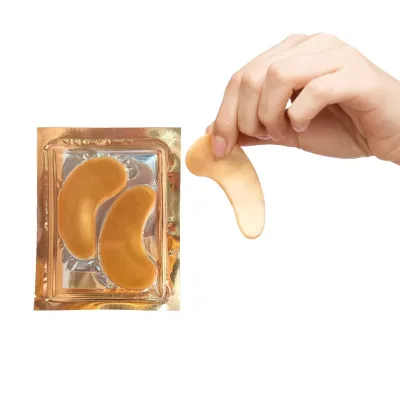
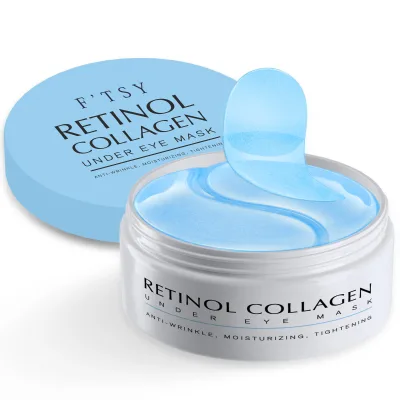
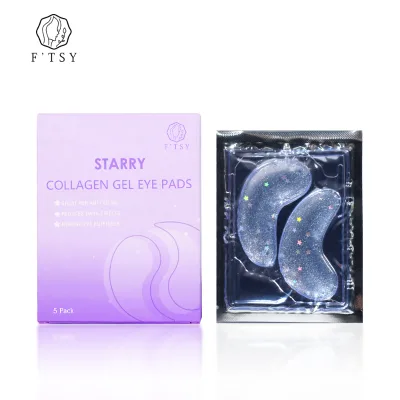
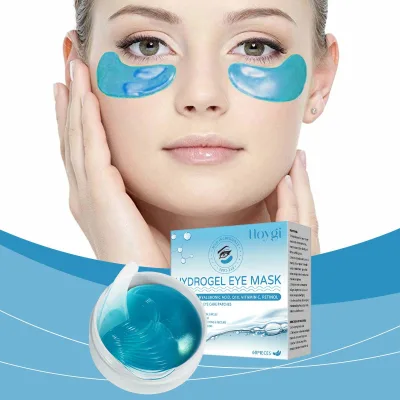
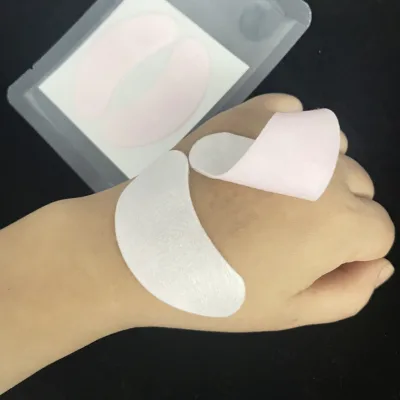
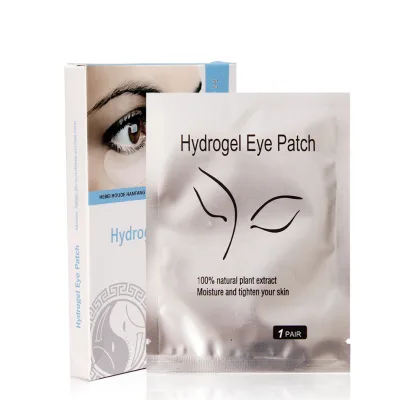
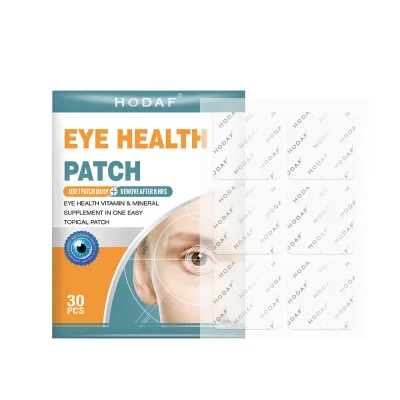
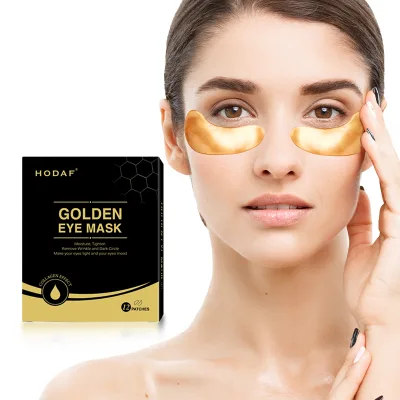
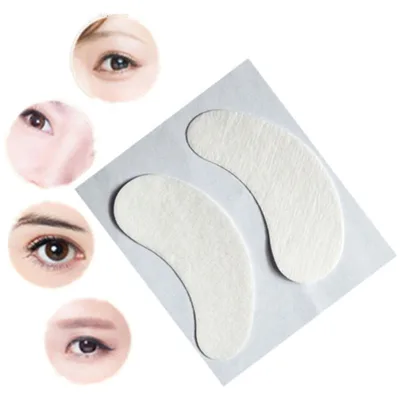


All Natural Anti Aging Wrinkles Caffeine Under Eye Patches & Hydrogel Mask
$2.58 - $2.85
MOQ: 3000 Pieces

Private Custom Gold Black Pearl Hydrogel Anti-Wrinkle Gel Pads Collagen Eye Mask
$2.59 - $2.86
MOQ: 3000 Pieces


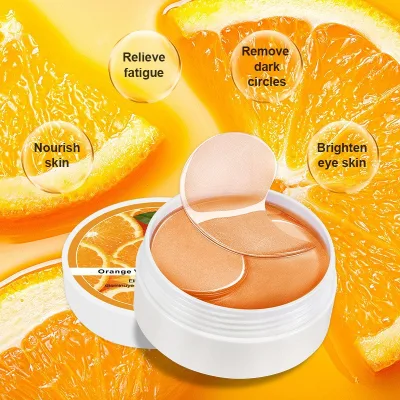
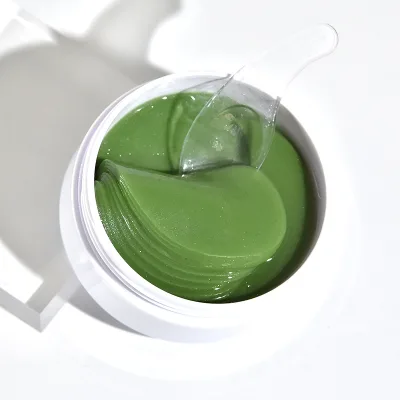


Care Hydrogel Cooling Eye Patch Eye Health Effective Protection Vision
$0.11 - $0.15
MOQ: 10000 pieces


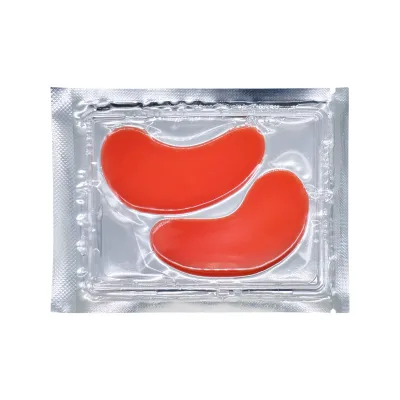
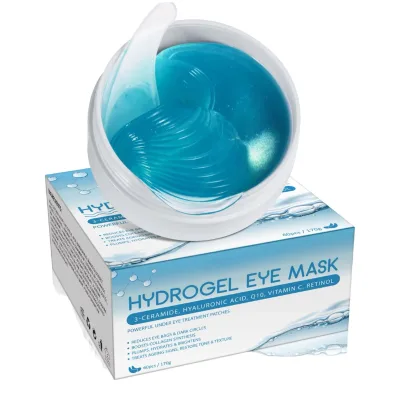
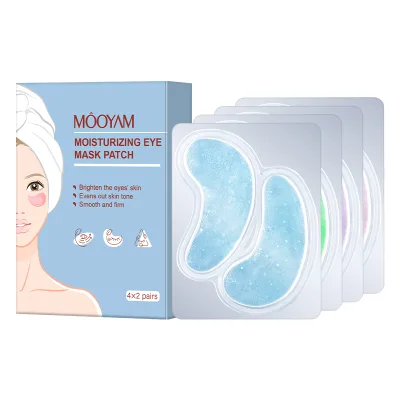
Comprehensive Sourcing Guide
Strategic Sourcing Guide for Vitamin C Hydrogel Eye Patches
Understanding Product Variants and Technical Specifications
When sourcing Vitamin C hydrogel eye patches, buyers must first distinguish between the specific product forms available in the market, as the core keyword often encompasses distinct manufacturing categories. The supply landscape includes both traditional hydrogel patches designed for direct skin application and transdermal patches that function as energy delivery systems. A critical technical observation from current market listings indicates that some products labeled as "Hyaluronic Acid Microneedling Eye Gel Patch" feature a needle length specification ranging from 400 to 600 micrometers. This specific dimension is vital for buyers to verify, as it suggests a microneedling mechanism rather than a simple surface hydration patch.
In contrast, other variants identified in the market utilize a compressed mask form or a standard sheet mask form. The physical dimensions of these patches vary significantly depending on the intended application area. For instance, specific models are listed with a size of 11 by 7.5 centimeters, while others are more compact at 7.6 by 2.9 centimeters. The packaging dimensions also differ, with single package sizes recorded as 16.5 by 12 by 1 centimeter or 10 by 10 by 5 centimeters. Buyers should note that the material composition often involves non-woven fabric and polyethylene (PE) layers, which provide the structural integrity necessary for the hydrogel to adhere to the delicate skin around the eyes.
The active ingredient profile is another primary differentiator. While the core keyword emphasizes Vitamin C, the actual ingredient lists observed in the market frequently include a combination of Hyaluronic Acid, Vitamin E, and Aloe Vera. Some formulations are explicitly noted as Paraben-Free or Organic, which are significant attributes for buyers targeting premium or sensitive skin markets. The density of the patches is also a technical specification worth noting, with some products claiming a density of 1000 needles per patch or 2000 needles per pair, indicating a high concentration of active delivery points.
Compliance, Certification, and Regulatory Verification
Navigating the regulatory landscape for cosmetic and transdermal patches requires rigorous verification of quality certifications. In the current supply chain, products have been observed carrying CE and MSDS (Material Safety Data Sheet) certifications. These documents are essential for demonstrating that the product meets specific safety and chemical handling standards, particularly when importing into markets with strict cosmetic regulations. However, the presence of these certifications in a listing does not automatically guarantee compliance for every batch; buyers must request valid, up-to-date certificates from the supplier for the specific model number being procured.
For products marketed as transdermal vitamin patches, the regulatory classification may differ from standard cosmetic eye masks. These items often fall under medical device or health supplement categories depending on the jurisdiction. Therefore, verifying the "Quality Certification" status is not merely a formality but a critical compliance step. Buyers should ensure that the supplier can provide documentation proving the product's safety for use on the body, specifically the eye area. The shelf life of these products is another compliance-related factor, with observed ranges extending from 2 to 3 years. This longevity impacts inventory planning and requires that the storage conditions be strictly maintained to prevent degradation of the Vitamin C and Hyaluronic Acid components.
Storage requirements are also tied to compliance. The product data indicates that items must be stored in airy and dry indoor spaces. Failure to maintain these conditions during transit or warehousing can compromise the integrity of the hydrogel and the active ingredients, potentially leading to product rejection or regulatory non-compliance. Buyers must verify that their logistics partners understand these storage constraints to ensure the product arrives in a condition that meets the original certification standards.
Cost Drivers and Pricing Dynamics
The pricing structure for Vitamin C hydrogel eye patches is influenced by several variable factors, primarily the complexity of the formulation and the customization level required. The observed price range in the market spans from 0.04 to 2.87 USD per unit. This wide disparity suggests that the cost is heavily dependent on the specific features included, such as the inclusion of microneedling technology, the purity of the organic ingredients, or the branding strategy. Products with a "Customized Logo" capability often command a different price point compared to generic OEM (Original Equipment Manufacturer) items, as the latter involves additional setup costs for branding.
Minimum Order Quantity (MOQ) is a significant driver of the unit cost. The market data shows an MOQ range from 1 to 10,000 units. For buyers seeking to minimize upfront capital expenditure, suppliers with lower MOQs are available, though the per-unit cost may be higher. Conversely, larger orders typically benefit from economies of scale, reducing the cost per pair. The available quantity in the supply chain is substantial, with some listings showing availability up to 200,000 units, indicating that supply constraints are generally not a barrier for large-scale procurement.
Weight and packaging also contribute to the final landed cost. The single gross weight of these products varies, with observations of 0.030 kg, 0.080 kg, and 0.100 kg per unit. These weight differences affect shipping costs, particularly for air freight. Buyers should calculate the total cost of ownership by factoring in the shipping weight of the single package size, which can range from 2.5 by 6.5 by 1 cm to larger dimensions. Additionally, the selling unit configuration, such as "1 pair per pack" or "1 pair/bag," influences how the product is priced and packaged for retail, which in turn affects the wholesale price structure.
Typical Applications and Functional Attributes
The primary application of Vitamin C hydrogel eye patches is the treatment of specific aesthetic concerns around the eye area. The functional attributes observed in the market include fine lines removal, dark circles removal, and anti-puffiness. These products are designed for all skin types, making them versatile for a broad consumer base. The inclusion of Vitamin C, Hyaluronic Acid, and Collagen targets hydration and brightening, while Aloe Vera provides soothing properties for sensitive skin.
Some variants are specifically engineered for transdermal delivery, functioning as energy patches that penetrate the skin to deliver active ingredients more deeply than surface-level masks. This is particularly relevant for products with the "microneedling" specification, where the needle length of 400-600 micrometers facilitates the delivery of Vitamin C and other actives directly into the dermis. This application goes beyond simple moisturizing, offering a more intensive treatment for aging signs and fatigue.
The product form, whether sheet, compressed, or patch, dictates the application method. Compressed patches may require activation with water before use, while sheet patches are ready-to-apply. The "mask form" and "item form" attributes indicate that these products are designed for single-use applications, typically applied for a specific duration to maximize absorption. The net weight of the product, often around 10g, ensures that the hydrogel layer is sufficient to cover the eye area effectively without dripping or excessive runoff.
Supplier Evaluation and Origin Analysis
When evaluating potential suppliers, the place of origin is a key indicator of manufacturing capabilities and supply chain stability. The majority of the observed products originate from Guangdong, China, a region known for its robust cosmetic and medical device manufacturing infrastructure. However, some listings also indicate origins in Hebei, China. Buyers should verify the specific factory location to ensure it aligns with their quality expectations and logistical preferences.
The brand name "OEM" is frequently observed, indicating that many suppliers operate as contract manufacturers capable of producing private label goods. This is advantageous for buyers looking to build their own brand, as it allows for customization of the logo and packaging. The "Customized Logo Acceptable" attribute confirms that branding is a standard service offered by these manufacturers. However, buyers must distinguish between OEM suppliers who offer generic products and those who provide full design and development services.
Supplier capacity is another critical evaluation metric. With available quantities reaching up to 200,000 units, the supply chain appears robust. However, buyers should confirm the actual production capacity of the specific supplier they are engaging with, as listed quantities may represent aggregate market availability rather than a single factory's output. The model numbers, such as HODAF-SS066 or EM7, serve as unique identifiers for specific product lines, allowing buyers to track consistency and quality across different batches.
Quality Control and Long-Term Procurement Considerations
Implementing a robust quality control (QC) protocol is essential for maintaining product integrity, especially for items containing sensitive ingredients like Vitamin C and Hyaluronic Acid. The shelf life of these products, ranging from 2 to 3 years, requires strict adherence to storage conditions. Buyers should implement incoming inspection protocols that verify the "airy and dry" storage requirements were met during transit. Any signs of moisture damage or discoloration should result in immediate rejection.
Long-term procurement considerations include the consistency of the ingredient profile. While the core keyword specifies Vitamin C, the actual formulations may vary between batches, sometimes including Vitamin E, Collagen, or Aloe Vera. Buyers should establish a clear specification sheet that defines the acceptable range of ingredients and their concentrations to ensure product consistency. The density of the needles, if applicable, must also be verified to ensure that the microneedling mechanism functions as intended without causing skin irritation.
Sustainability and packaging waste are increasingly important factors in long-term strategy. The use of non-woven fabric and PE materials suggests a reliance on synthetic components. Buyers should inquire about the recyclability of these materials and explore options for eco-friendly packaging alternatives if their brand strategy prioritizes sustainability. Additionally, the single package size and gross weight should be optimized to reduce shipping costs and environmental impact over the lifecycle of the procurement contract.
Comparative Analysis of Product Attributes
To facilitate informed decision-making, buyers should compare the key attributes of different product variants available in the market. The following table summarizes the observed differences in specifications, certifications, and functional claims.
| Attribute | Variant A (Microneedling) | Variant B (Standard Hydrogel) | Variant C (Transdermal Patch) |
|---|---|---|---|
| Needle Length | 400-600 micrometers | Not Applicable | Not Applicable |
| Main Ingredients | Vitamin E, Hyaluronic Acid | Vitamin C, Hyaluronic Acid | Aloe Vera, Collagen, Vitamin E |
| Form | Sheet / Patch | Compressed / Sheet | Patch |
| Certifications | CE, MSDS | CE, MSDS | CE, MSDS |
| Shelf Life | 2 Years | 3 Years | 2-3 Years |
| Density | 1000 needles/patch | N/A | N/A |
| Size | 11*7.5 cm | 7.6*2.9 cm | 16.5*12 cm (Package) |
| Application | Fine Lines, Dark Circles | Moisturizer, Anti-Puffiness | Body / Eye |
| Origin | Guangdong, China | Hebei, China | Guangdong, China |
This comparison highlights that while the core function of treating eye concerns is consistent, the delivery mechanism and ingredient focus vary significantly. Buyers must align their product selection with their specific market positioning, whether that is a high-tech microneedling solution or a gentle, organic moisturizing patch. By carefully evaluating these attributes against the requirements of their target demographic, buyers can ensure a successful procurement strategy that delivers value and maintains high quality standards.
FAQs
What are the main ingredients in these eye patches?
The main ingredients typically include Vitamin C, Hyaluronic Acid, and Vitamin E. Some formulations also contain Aloe Vera and Collagen, while others are explicitly Paraben-Free or Organic to suit sensitive skin types.
Can these patches remove fine lines and dark circles?
Yes, the patches are designed for fine lines removal and dark circles removal. They also function as a moisturizer and anti-puffiness treatment, making them suitable for all skin types around the eye area.
What is the needle length for microneedling variants?
Specific microneedling variants feature a needle length ranging from 400 to 600 micrometers. This dimension facilitates deeper delivery of active ingredients compared to standard surface hydration patches.
Which certifications do the manufacturers usually hold?
Products often carry CE and MSDS certifications to demonstrate safety and chemical handling standards. Buyers should verify these documents for the specific model number to ensure regulatory compliance for their target market.
How long is the shelf life of the eye patches?
The shelf life ranges from 2 to 3 years depending on the specific product formulation. Strict storage in airy and dry indoor spaces is required to maintain the integrity of the Vitamin C and Hyaluronic Acid.
What is the minimum order quantity for these patches?
The minimum order quantity varies significantly, ranging from 1 to 10,000 units depending on the supplier. Lower MOQs are available for smaller buyers, while larger orders often benefit from reduced per-unit costs.
Where are these products typically manufactured?
Most products originate from Guangdong, China, though some listings indicate Hebei, China as the place of origin. Buyers should verify the specific factory location to ensure alignment with quality expectations and logistics.