Source PDA Screen Protector for phones, tablets, and smartwatches
Compare 30 listings of PDA Screen Protector options featuring 9H hardness, case-friendly designs, and full coverage for Samsung, iPhone, and Huawei devices. Buyers can review specifications like 2.5D tempered glass and Japan Asahi materials to find the right fit.
Key considerations
Products List


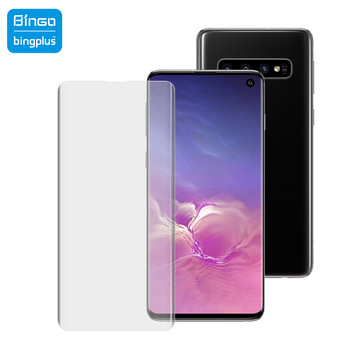
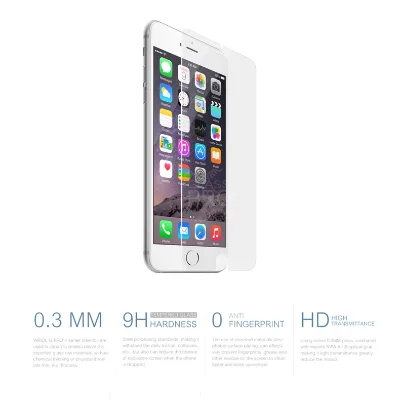
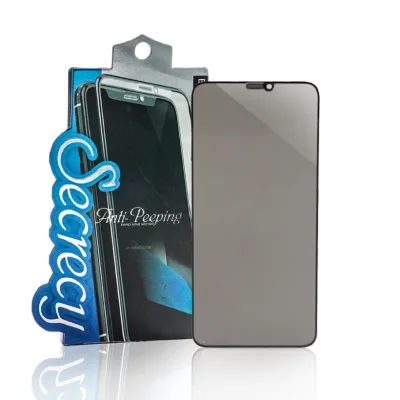


Black Mobile Protect Flexible Anti Static Premium Og Glass Screen Protector
$0.40 - $0.50
MOQ: 100 Pieces


Comprehensive Sourcing Guide
Strategic Sourcing Guide for PDA Screen Protectors
When sourcing protective solutions for Personal Digital Assistants (PDAs) and similar handheld enterprise devices, buyers must navigate a specialized market segment that often overlaps with mobile phone accessory supply chains. While the core keyword "PDA Screen Protector" may yield results primarily designed for smartphones, the underlying technical requirements for durability, clarity, and touch sensitivity remain consistent across device categories. This guide provides a disciplined approach to evaluating suppliers, understanding material specifications, and ensuring procurement quality without relying on unverified marketing claims.
Understanding Material Composition and Technical Specifications
The foundation of any effective screen protector lies in its material composition. Based on available industry data, the most robust options for PDA applications utilize tempered glass as the primary structural component. High-quality suppliers often source raw materials from established manufacturers, such as Japan Asahi glass or Japan AGC glass, which are renowned for their purity and optical clarity. The standard construction typically involves a layered approach: a tempered glass substrate, a silicone adhesive layer, and an AB glue interface to ensure bonding without air bubbles.
Buyers should scrutinize the thickness specifications, as these directly impact the tactile experience and device profile. Common industry standards for these products range from ultra-thin variants at 0.33mm to standard thicknesses around 0.4mm. Thinner profiles are often preferred for PDAs used in tight industrial spaces or by workers wearing gloves, as they minimize the added bulk. However, thickness alone does not dictate durability. The hardness rating is a critical metric, with 9h and 10h hardness levels frequently cited as benchmarks for scratch resistance. It is essential to verify that the product claims a specific hardness rating rather than a vague "high hardness" assertion.
The edge treatment is another vital technical specification. Products featuring 2.5D, 3D, 5D, or even 9D curved edges offer different levels of coverage and comfort. For PDAs with flat screens, a 2.5D edge provides a smooth transition that prevents snagging on pockets or bags. For devices with curved displays, 3D or 5D full coverage protectors are necessary to ensure the glass adheres seamlessly to the screen contours. Some advanced options utilize full glue technology, which eliminates the air gap between the glass and the screen, enhancing optical clarity and touch sensitivity while reducing the risk of dust accumulation.
Compliance, Certification, and Safety Standards
In the B2B procurement of electronic accessories, compliance with international safety and environmental standards is non-negotiable, particularly for devices deployed in regulated industries. While specific certification statuses for every individual SKU may vary, buyers should prioritize suppliers who can demonstrate adherence to recognized frameworks. Common certifications to request include CE, RoHS, and REACH, which verify that the product meets European safety, health, and environmental protection requirements.
ISO 9001 certification is another indicator of a supplier's commitment to quality management systems. Although not a product-specific standard, it suggests that the manufacturing process is controlled and consistent. When evaluating a potential supplier, do not assume these certifications are present based on marketing materials alone. Instead, request valid certificates of conformity or test reports from accredited third-party laboratories. This due diligence ensures that the materials used, such as the adhesives and glass, do not contain hazardous substances that could degrade over time or pose risks to the end-user.
It is also important to distinguish between product standards and material standards. A product may be labeled as "Standard" quality, but this is a generic descriptor. Buyers must look for specific material grades, such as Grade AAA or A++, which indicate higher optical clarity and fewer surface imperfections. These grades are particularly relevant for PDAs used in logistics or healthcare, where screen readability is critical for data entry and patient monitoring.
Cost Drivers and Pricing Structures
The pricing of PDA screen protectors is influenced by several variable factors, including material sourcing, manufacturing complexity, and order volume. The observed market price range for these items can be extensive, spanning from as low as $0.07 to $3,000 per unit or batch, depending on the scale and customization. This wide variance highlights the importance of defining the exact procurement needs before engaging with suppliers.
The primary cost driver is the glass quality. Protectors made from genuine Japan Asahi or AGC glass command a higher price point than those using generic tempered glass. Additionally, the complexity of the edge finishing plays a significant role. A simple 2.5D cut is less expensive to produce than a 5D or 9D full-coverage protector that requires precise CNC machining and edge polishing. Customization costs also apply if the buyer requires OEM branding, specific packaging, or unique dimensions tailored to legacy PDA models that are no longer in mass production.
Minimum Order Quantity (MOQ) is another critical financial consideration. While some suppliers offer low MOQs starting at 1 unit for sampling, standard production runs often require a minimum of 50 pieces per model. Bulk orders typically yield better unit economics, but buyers must balance this against inventory holding costs. Payment terms such as T/T, Trade Assurance, or Western Union also impact the financial risk profile of the transaction. Understanding these cost drivers allows procurement teams to negotiate effectively and avoid hidden expenses that can erode margins.
Typical Applications and Compatibility Requirements
PDAs are utilized in diverse sectors, including logistics, healthcare, manufacturing, and retail. Consequently, the screen protectors must be compatible with a wide array of device models and operating conditions. The market data indicates compatibility with major smartphone brands like Samsung, Huawei, Xiaomi, and Apple, which often share similar form factors with modern PDAs. However, legacy PDA models may require specific customizations that are not immediately apparent in generic listings.
Buyers must verify the "Compatible Model" specifications carefully. A protector listed for an iPhone 12 may not fit a ruggedized PDA with a different aspect ratio or button layout. Features such as "Case Friendly" design are particularly relevant for PDAs that are frequently housed in protective carrying cases or holsters. If the protector is too thick or has raised edges, it may interfere with the case closure, rendering the device unusable. Similarly, "Fingerprint Resistant" and "High Transparent" attributes are essential for devices used in high-traffic environments where screen cleanliness and readability are paramount.
The application environment also dictates the need for specific features. For outdoor use, a matte finish may be preferred to reduce glare, although this can slightly reduce touch sensitivity. For indoor data entry, a high-transparency, sensitive touch glass is ideal. Some PDAs used in medical settings may require UV-protective coatings to shield the screen from harsh sterilization processes or specific lighting conditions. Understanding the specific operational context of the PDA is crucial for selecting the right product configuration.
Supplier Evaluation and Quality Control Protocols
Selecting a reliable supplier is perhaps the most critical step in the procurement process. Buyers should evaluate suppliers based on their ability to provide consistent quality, adhere to lead times, and offer responsive customer support. The observed lead time for standard production can be as short as 3 working days, but this should be confirmed for every order, as delays are common in global supply chains.
Quality control protocols should be a prerequisite for any contract. Suppliers should be able to demonstrate their internal testing procedures, including drop tests, scratch resistance tests, and adhesion checks. While specific test results should not be assumed without verification, buyers should request a Quality Assurance (QA) report that outlines the inspection criteria used for each batch. The "Single gross weight" of the product, often around 0.030 kg, can also serve as a proxy for material density and consistency; significant deviations from this weight may indicate quality issues.
When evaluating packaging, look for "Standard" packaging that ensures the product arrives undamaged. For PDA protectors, which are thin and fragile, proper cushioning and rigid packaging are essential to prevent breakage during transit. Additionally, verify the supplier's capacity for OEM/ODM services if branding or custom packaging is required. A supplier that accepts OEM/ODM orders demonstrates flexibility and a commitment to meeting specific buyer requirements.
Long-Term Procurement Considerations and Strategic Sourcing
Sourcing PDA screen protectors is not merely a transactional activity but a strategic decision that impacts operational efficiency and device longevity. Long-term procurement considerations include the stability of the supply chain, the availability of replacement parts, and the scalability of the solution. As PDA models evolve or become obsolete, buyers must ensure that their suppliers can provide ongoing support or alternative solutions for legacy devices.
Building a relationship with a supplier who offers flexible payment terms and reliable delivery times can mitigate supply chain disruptions. It is also advisable to maintain a buffer stock of critical consumables to prevent downtime in operations. The "Sensitive Touch" and "Case Friendly" features mentioned in product attributes should be validated over time to ensure they do not degrade with repeated cleaning or exposure to environmental factors.
Finally, buyers should remain vigilant regarding the "High Confidence" facts provided in product listings. Attributes like "Japan Asahi Glass" or "9h Hardness" should be treated as observations that require verification rather than absolute guarantees. By maintaining a disciplined approach to sourcing, focusing on verified specifications, and prioritizing quality control, organizations can secure reliable protection for their PDA assets while optimizing costs and minimizing operational risks. This strategic approach ensures that the procurement process aligns with broader business objectives and maintains the integrity of the technology infrastructure.
FAQs
What materials are used for high-quality pda screen protectors?
High-quality protectors typically use Japan Asahi glass or Japan AGC glass as the primary substrate. These are layered with silicone adhesive and AB glue to ensure strong bonding without air bubbles while maintaining optical clarity.
How thick are standard tempered glass screen protectors?
Standard thickness for these products ranges from 0.33mm to 0.4mm. Thinner profiles are often preferred for PDAs used in tight industrial spaces to minimize added bulk while maintaining durability.
Which hardness rating indicates good scratch resistance?
A 9h or 10h hardness rating is the benchmark for scratch resistance. Buyers should verify that the product explicitly claims a specific hardness rating rather than using vague high hardness assertions.
Can these protectors be used with device cases?
Yes, many options feature a case-friendly design to prevent interference with protective holsters. This ensures the protector does not snag or prevent the case from closing properly on the device.
What is the typical lead time for standard production?
The typical delivery time for standard production is 3 working days. Buyers should confirm this timeline for every order as delays can occur in global supply chains depending on volume.
What is the minimum order quantity for most models?
Standard production runs often require a minimum of 50 pieces per model. Some suppliers may offer lower quantities for sampling, but bulk orders usually yield better unit economics.
Are OEM and ODM services available for custom branding?
Yes, suppliers generally accept OEM and ODM orders for custom branding and packaging. This flexibility allows buyers to tailor the product to specific requirements for their PDA fleet.