Source Peanut Harvester for agriculture, forestry, and aquaculture
Compare 30 Peanut Harvester options from verified suppliers. These machines support diverse applications including agriculture, forestry, livestock, and aquaculture with features like diesel power, gear drives, and soft or hard shaft transmissions.
Key considerations
Products List

Farm Tractor Peanut Harvester Groundnut Digger Peanut Harvester Machine
$500.00 - $700.00
MOQ: 1 Pieces


Peanut Harvester Mounted with Hand Tractor Walking Tractor with Peanut Harvester
$1250.00 - $1300.00
MOQ: 1 Pieces


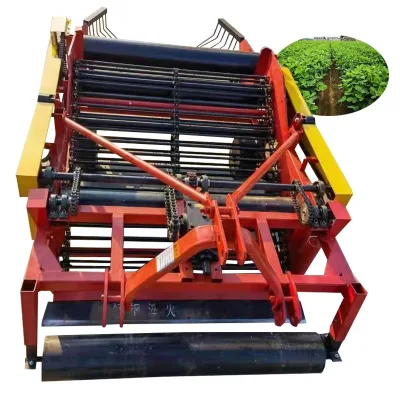
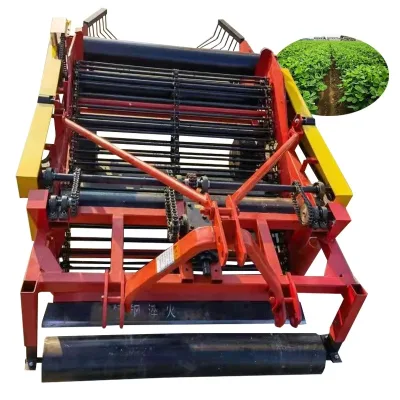


$2000.00 - $2500.00
MOQ: 1 Pieces

$2000.00 - $2500.00
MOQ: 1 Pieces


Peanuts Tractor Walking Peanut Harvester Durable Harvester Sweet Potato Digger
$2200.00 - $6600.00
MOQ: 1 Pieces


Comprehensive Sourcing Guide
Strategic Sourcing Guide for Peanut Harvesters
The global demand for agricultural mechanization has elevated the Peanut Harvester from a niche tool to a critical asset for modern farming operations. For procurement professionals and agricultural enterprise managers, sourcing the correct equipment requires a disciplined approach that balances technical specifications with compliance and operational reliability. The market presents a diverse array of options, ranging from portable backpack units to heavy-duty tractor-mounted systems. This guide provides a structured framework for evaluating peanut harvesters, ensuring that procurement decisions are grounded in verified data and industry best practices rather than marketing assertions.
Technical Specifications and Operational Modes
Understanding the technical architecture of a Peanut Harvester is the first step in the sourcing process. The machinery is not monolithic; it varies significantly based on the harvesting method, power source, and drive type. Buyers must distinguish between machines designed for specific crop stages, such as those utilizing a "Picking" method versus those engineered for "Uprooted" extraction. The latter is often preferred for peanuts, as the crop requires careful lifting to avoid kernel damage.
Power sources are a primary differentiator. The supply chain currently features units powered by Diesel engines, which offer high torque and autonomy for field operations, as well as models designed to be driven by a Tractor via a Power Take-Off (PTO). The transmission system is equally critical. Observations of available inventory indicate a split between "Soft Shaft" and "Hard Shaft" transmissions. A soft shaft may offer better vibration dampening for sensitive crops, while a hard shaft might provide more direct power transfer for heavy-duty uprooting. Furthermore, the drive type, whether "Gear Drive" or "Vee belt," dictates maintenance intervals and efficiency under load.
Capacity is another non-negotiable metric. Specifications for portable harvesters often cite a capacity of 1000kg/H, which serves as a baseline for small to medium-scale operations. However, larger horizontal cut harvesters or side-hanging types may operate at different throughput rates. Buyers should verify the specific model numbers, such as the Fpd-100 or 4UF-1, as these identifiers often correlate with specific dimensional and performance constraints. The physical dimensions, such as a package size of 12578120cm or a standard of 1350800550mm, are vital for logistics planning, ensuring the machine fits within transport vehicles and storage facilities.
Compliance and Certification Verification
In the international B2B agricultural sector, compliance is not merely a formality but a prerequisite for market entry and operational safety. The most frequently observed certification for these units is CE, indicating conformity with health, safety, and environmental protection standards for products sold within the European Economic Area. However, the certification landscape is more complex. Some suppliers list a broader suite of credentials, including ISO9001, GMP, QS, and UL.
Buyers must exercise caution when interpreting these lists. The presence of multiple certifications suggests a robust quality management system, but it requires verification that the specific unit being purchased carries the valid documentation. For instance, a model might be certified under CE and ISO9001:QS, while another carries CE, ISO9001:GMP, and UL. The distinction matters because GMP (Good Manufacturing Practice) and QS (Quality Safety) often imply different levels of scrutiny regarding food safety and material handling, which is particularly relevant for agricultural machinery that comes into direct contact with edible crops.
Additionally, the machinery test report is a crucial document. The availability of a provided test report allows buyers to validate performance claims independently. When sourcing, procurement teams should request these reports to confirm that the machine meets the stated specifications for weight, capacity, and operational efficiency. Without these documents, the risk of acquiring non-compliant or underperforming equipment increases significantly.
Cost Drivers and Pricing Structures
The pricing of peanut harvesters is influenced by a complex interplay of factors, including the complexity of the mechanism, the power source, and the packaging requirements. The observed price range in the current market spans from 130 to 6600 USD. This wide variance reflects the difference between simple, lightweight portable units and more complex, tractor-mounted systems with advanced drive trains.
Several specific cost drivers emerge from the product data. The "Portable Harvester Type" is a significant factor; side-hanging types and backpack types generally occupy the lower end of the price spectrum due to their simpler construction and lower material costs. Conversely, horizontal cut harvesters or those with gear drives and diesel engines command higher prices. The weight of the unit, ranging from 200kg to 800kg in observed listings, also correlates with material usage and durability, directly impacting the cost.
Packaging is another often-overlooked cost component. The supply chain utilizes various packaging standards, including "Wooden Box," "Iron Net Box Package," and "Iron Net Box Pacakge." Wooden boxes typically offer superior protection for long-distance shipping but add to the overall weight and cost. The standard of 1cbm or specific dimensions like 218105100cm affects freight charges, which can be a substantial portion of the total landed cost. Buyers should factor in these logistical expenses when comparing the base price of different models.
Typical Applications and Field Suitability
While the core keyword is "Peanut Harvester," the application field for these machines is broader than the name suggests. The data indicates that these units are designed for "Agriculture," "Forestry," "Livestock," and "Aquaculture." This versatility suggests that the mechanical principles of uprooting and picking are adaptable to various crops. Specifically, the usage data highlights applications for "Peanut Harvester" and "Garlic Harvester," indicating that the machine's core mechanism is suitable for root and tuber crops that require lifting rather than cutting.
The "application" attribute specifically lists "Peanut," confirming the primary use case. However, the "Harvest method" of "Uprooted" is essential for peanuts, as it ensures the entire plant is lifted from the soil, allowing for subsequent threshing. In contrast, a "Picking" method might be more suitable for fruits or vegetables that do not require soil extraction. Buyers must align the machine's harvest method with their specific crop requirements. A machine designed for uprooting may be inefficient or damaging if used for crops that require selective picking.
Furthermore, the "Drive Type" and "Transmission" must match the field conditions. Gear drives are often preferred for heavy soil resistance, while Vee belt drives might be sufficient for lighter soils. The color of the machine, observed as Red or Yellow, does not affect performance but may be relevant for visibility and safety in the field.
Supplier Evaluation and Origin Analysis
Evaluating suppliers requires a focus on origin and brand reputation. The product origin is consistently listed as "China," with specific locations such as "Dezhou" and "Shand Dong" appearing in the data. These regions are known manufacturing hubs for agricultural machinery, offering a concentration of specialized suppliers. However, the presence of a specific location does not guarantee quality; it merely indicates the manufacturing base.
The brand name "SHARE" appears in the listings, serving as a potential identifier for a specific manufacturer or product line. While buyers should not rely on a single brand, the consistency of branding across listings can indicate a stable supply chain. When evaluating suppliers, procurement teams should verify the "Core components," such as the "Gear," to ensure that critical parts are sourced from reputable manufacturers. The "Warranty" period, observed as 1 Year, is a standard metric for supplier confidence. A warranty of this duration suggests a baseline expectation of reliability, but buyers should scrutinize the terms to understand what is covered.
It is imperative to avoid naming specific suppliers or assuming that all listed products from a region meet the same standards. The "prod_packing" and "prod_standard" vary even within the same origin, indicating a fragmented supply chain with varying levels of quality control. Buyers should request detailed documentation on the manufacturing process and quality assurance protocols before committing to a purchase.
Quality Control and Long-Term Procurement
Quality control in the agricultural machinery sector extends beyond the initial purchase. The "Condition" of the products is listed as "New," which is a standard expectation, but the durability of the machine depends on the quality of materials and assembly. The "Machinery test report" serves as a primary quality control document, providing empirical data on the machine's performance. Buyers should ensure that this report is recent and covers the specific model being purchased.
Long-term procurement considerations include maintenance and spare parts availability. The "Core components" like gears are subject to wear and tear. A supplier that provides a comprehensive warranty and has a local service network is preferable. The "Package Size" and "Weight" also influence long-term logistics; a machine that is too heavy or bulky may be difficult to transport to remote fields, affecting its utility.
Finally, the "Standard" of the product, whether listed as 1300, 2rows, or specific dimensions, must be verified against the buyer's operational needs. A mismatch in standards can lead to inefficiencies or the need for costly modifications. By adhering to a rigorous evaluation process that prioritizes verified specifications, compliance documentation, and supplier reliability, buyers can secure peanut harvesters that enhance productivity and ensure a return on investment. The market offers a wide range of options, but success lies in the disciplined selection of equipment that aligns with specific agricultural requirements.
FAQs
What power sources are available for peanut harvesters?
Peanut harvesters are available with Diesel engines or Tractor power sources. Diesel units offer high torque for field autonomy, while tractor models rely on Power Take-Off systems for operation.
Which certifications do peanut harvesters typically hold?
Most units carry CE certification for safety compliance. Some models also include ISO9001, GMP, QS, or UL credentials, indicating robust quality management and food safety standards.
How is the capacity of portable harvesters defined?
Portable harvester capacity is often specified as 1000kg per hour. This baseline supports small to medium-scale operations, though larger models may operate at different throughput rates.
Can peanut harvesters be customized for specific needs?
Yes, customization is available for many Peanut Harvester models. Buyers can request specific modifications to fit unique field conditions or crop requirements without altering the core mechanism.
What is the typical weight range for these machines?
Observed weights range from 200kg to 800kg depending on the model. Heavier units often feature gear drives and diesel engines, while lighter portable types suit smaller farms.
Which harvest methods are supported by these machines?
Machines support both Picking and Uprooted harvest methods. Uprooted extraction is preferred for peanuts to lift the entire plant, while picking suits crops requiring selective harvesting.
What packaging types are used for shipping these harvesters?
Products are shipped in Wooden Boxes or Iron Net Box Packages. Wooden boxes offer superior protection for long-distance shipping, while iron nets are used for standard transport.