Source Peach Puree for Food, Cosmetics, and Health Care Products
Compare 30 Peach Puree listings from Chinese suppliers offering various Brix levels, packaging options, and certifications like FDA and HACCP. Buyers can evaluate fresh and processed forms for food, health care, and cosmetic applications.
Key considerations
Products List


$150000.00 - $300000.00
MOQ: 1 Sets


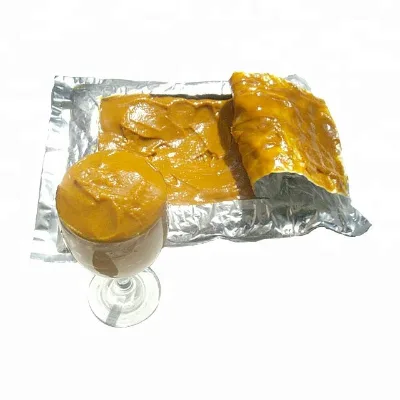
High Quality Peach Puree Concentrate, 220kg/drum Packing, Peach Juice
$922.98 - $1128.09
MOQ: 10 Minimum
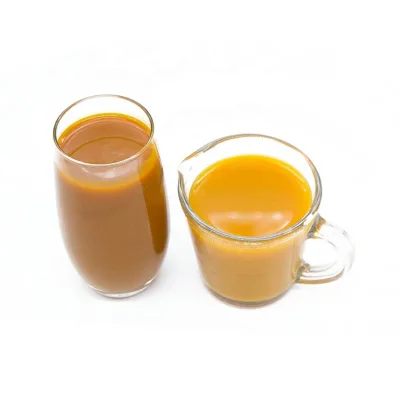


Comprehensive Sourcing Guide
Strategic Sourcing Guide for Peach Puree Procurement
The global market for fruit-based ingredients, particularly Peach Puree and its derivatives, presents a complex landscape for B2B procurement professionals. Sourcing decisions in this sector require a rigorous understanding of product specifications, regulatory compliance, and supply chain logistics. Unlike finished consumer goods, industrial-grade fruit ingredients are defined by their chemical composition, physical state, and adherence to strict food safety standards. This guide provides a comprehensive framework for evaluating potential suppliers of peach-based products, ensuring that procurement strategies align with quality requirements and operational needs.
Technical Specifications and Product Attributes
When initiating a search for Peach Puree, buyers must first distinguish between the various physical forms available in the market. The supplied data indicates a diverse range of product states, from liquid purees to concentrated powders. A critical observation in the current market is the existence of products labeled as "Peach Powder" with a Latin name of Amygdalus Persica L., derived specifically from the fruit part. These powders often present as light yellow to white in appearance, with a specific Brix range of 30.0% to 32.0%. This concentration level is significant for buyers formulating products that require precise sugar content control.
The physical state of the ingredient dictates its application and storage requirements. While some listings describe the product as a "Paste" or "Powder" suitable for capsule and tablet applications, others refer to liquid forms stored in aseptic bags. The Brix value, observed in the range of 30-32%, serves as a primary indicator of solids content. Buyers should verify that the specific lot they intend to purchase matches the required Brix percentage, as deviations can impact the texture and stability of the final food or cosmetic product. Furthermore, the color profile is a vital quality marker; observed variations include off-white and yellow hues, which must align with the visual expectations of the end consumer.
The extraction source is another non-negotiable specification. The data confirms that the primary ingredient is fruit or fruit juice, specifically peach. However, procurement teams must ensure that the supplier explicitly states the part of the plant used, which is typically the fruit. Confusion can arise if the product is marketed as an extract without clear delineation of the source material. Additionally, the application form, whether it be for health care products, food, or cosmetics, must be clearly defined in the technical data sheet to ensure compatibility with the buyer's manufacturing process.
Compliance and Certification Verification
In the international trade of food ingredients, certification is not merely a formality but a prerequisite for market access. The supplied information highlights a robust array of certifications commonly held by suppliers in this sector. Buyers should expect to see evidence of compliance with BRC (British Retail Consortium), FDA (Food and Drug Administration), HACCP (Hazard Analysis and Critical Control Points), and ISO standards. Specific listings mention combinations such as FDA, ISO, BRC, and RoHS, while others include Kosher certification.
The presence of these certifications indicates that the supplier has undergone rigorous auditing of their production facilities. For instance, HACCP and ISO 9001:2000 standards suggest a focus on process control and quality management systems. It is essential for buyers to request current, valid certificates rather than relying on general claims. The data also notes a standard of "Food & medicine," which implies that the product may be suitable for dual-use applications, requiring a higher degree of regulatory scrutiny.
Buyers must verify that the certifications cover the specific manufacturing site and the specific product line being purchased. A supplier may hold a general ISO certification for their corporate entity, but the specific facility producing the peach powder might have different compliance status. Furthermore, the mention of "Food & medicine" standards suggests that the product might be subject to pharmaceutical-grade quality controls if intended for capsule or tablet applications. This distinction is crucial for buyers in the nutraceutical sector, where regulatory bodies often have stricter requirements than those for general food ingredients.
Cost Drivers and Pricing Dynamics
The pricing structure for Peach Puree and related derivatives is influenced by several variable factors, including the form of the product, the concentration level, and the packaging requirements. The observed price range in the market is extensive, spanning from $0.23 to $737,000. This vast disparity indicates that the market includes both raw bulk commodities and highly specialized, processed ingredients. The lower end of the spectrum likely corresponds to raw or minimally processed fruit juice, while the higher end may reflect concentrated powders, organic variants, or products with specialized packaging for pharmaceutical use.
Packaging plays a significant role in cost determination. The data lists multiple packaging configurations, including 250kg and 220kg aseptic bags in iron drums, as well as 220-liter aseptic bags in steel drums. Some listings specify 25kg drums with two plastic bags inside. The choice of packaging affects the unit price due to the cost of materials and the logistics of handling. Aseptic packaging, for example, is more expensive than standard bulk containers but offers superior protection against contamination and spoilage, extending shelf life.
Minimum Order Quantity (MOQ) is another critical cost driver. The observed MOQ range is between 1 and 1850 units, with specific listings showing an MOQ of 1kg. Lower MOQs allow for smaller, more flexible orders, which can be beneficial for testing new product lines or for buyers with limited storage capacity. However, higher MOQs often result in a lower unit price. Buyers must balance the cost per unit against their inventory holding costs and cash flow constraints. Additionally, the origin of the product, with sources listed in Shandong, Xinjiang, and Xian Shaanxi in China, can influence logistics costs and import duties, further affecting the final landed cost.
Typical Applications and Usage Scenarios
The versatility of peach-based ingredients is evident in the wide range of applications identified in the market data. The primary usage categories include Health Care Products, Food, Medicine, and Cosmetics. This broad applicability makes peach ingredients a valuable asset for manufacturers across multiple industries. In the food sector, the product is used as an edible processing type, likely serving as a flavoring agent, colorant, or functional ingredient in beverages, desserts, and confectionery.
For the health care and pharmaceutical sectors, the product's application form is particularly relevant. The data specifies that the product is suitable for Capsule, Tablet, and Paste forms. This suggests that the peach powder or extract is processed to meet the stringent requirements of nutraceuticals and dietary supplements. The Assay Method, which includes UV, HPLC, and HPLC-MS, indicates that the product undergoes sophisticated analytical testing to ensure potency and purity, a requirement for medical and health-related applications.
In the cosmetics industry, the application of peach ingredients often relates to their natural properties, such as antioxidants or skin-conditioning benefits. The "Food & medicine" standard mentioned in the data supports the notion that the product can be used in high-value cosmetic formulations where ingredient safety and efficacy are paramount. Buyers in this sector must ensure that the supplier can provide documentation confirming the product's suitability for cosmetic use, including any specific safety assessments required by regional regulations.
Supplier Evaluation and Origin Analysis
Evaluating suppliers requires a deep dive into their operational capabilities and geographical origins. The data identifies several key production regions in China, including Shandong, Xinjiang, and Xian Shaanxi. Each of these regions may have different climatic conditions that affect the quality and characteristics of the peach harvest. Shandong, for instance, is a major agricultural province known for its fruit production, while Xinjiang is renowned for its high-sugar content fruits due to its unique climate.
When assessing a supplier, buyers should verify the "prod_origin" field against their specific quality requirements. A supplier based in Xinjiang might offer a product with a different flavor profile or sugar content compared to one from Shandong. Additionally, the "prod_model" and "prod_packing" details provide insight into the supplier's standard operating procedures. Models such as "kunyu" or "fresh-42" may indicate specific product lines or processing methods.
The availability of customization is a significant factor in supplier selection. The data confirms that customization is available, allowing buyers to tailor the product to their specific needs, whether in terms of packaging, concentration, or formulation. This flexibility is particularly valuable for large-scale buyers who require consistent quality and specific attributes for their proprietary products. Buyers should also inquire about the supplier's capacity to handle large orders, given the observed MOQ range, and their ability to maintain consistent quality across different batches.
Quality Control and Long-Term Procurement
Maintaining consistent quality is paramount in the procurement of fruit ingredients. The data highlights several quality control measures, including specific storage methods such as "Frozen" or "Normal" storage. The shelf life is noted as 2 years, which is a critical parameter for inventory planning. Buyers must ensure that the supplier's storage facilities meet the required conditions to prevent degradation of the product during transit and storage.
Quality control also involves rigorous testing protocols. The mention of Assay Methods like UV, HPLC, and HPLC-MS suggests that suppliers employ advanced analytical techniques to verify the purity and concentration of the active ingredients. Buyers should request test reports for each batch to confirm that the product meets the specified Brix range and other quality parameters. The "Standard" field, which includes values like "A" or "30-32%", serves as a benchmark for quality acceptance.
Long-term procurement considerations include the stability of the supply chain and the supplier's ability to scale. With an observed MOQ range up to 1850, suppliers must have the infrastructure to handle significant volume fluctuations. Buyers should establish clear communication channels and contractual agreements that define quality standards, delivery timelines, and dispute resolution mechanisms. Additionally, the availability of OEM services indicates that suppliers are willing to partner with buyers to develop custom solutions, which can be a strategic advantage for building a competitive product line.
Comparative Overview of Product Attributes
To facilitate decision-making, the following table summarizes the key attributes observed in the market for peach-based ingredients. This comparison highlights the variability in specifications and helps buyers identify the most suitable product for their needs.
| Attribute | Observed Values | Relevance to Procurement |
|---|---|---|
| Product Form | Powder, Paste, Juice | Determines application in food, pharma, or cosmetics. |
| Brix Range | 30-32%, 30.0~32.0 | Critical for sugar content and formulation consistency. |
| Color | Off-White, Yellow, Light Yellow | Affects the visual appeal of the final product. |
| Packaging | 220kg/250kg Aseptic Bag, 25kg Drum | Influences logistics, storage, and unit cost. |
| Certifications | BRC, FDA, HACCP, ISO, Kosher | Essential for regulatory compliance and market access. |
| Origin | Shandong, Xinjiang, Xian Shaanxi | Impacts flavor profile and supply chain logistics. |
| Shelf Life | 2 Years | Determines inventory management and waste reduction. |
| MOQ | 1kg - 1850 | Affects order flexibility and cash flow planning. |
This table underscores the importance of aligning product specifications with the buyer's specific requirements. By carefully evaluating these attributes, procurement professionals can mitigate risks and ensure a successful sourcing strategy for Peach Puree and related ingredients.
FAQs
What is the Brix range for Peach Puree products?
The Brix range for Peach Puree products is 30-32%. This concentration level indicates the solids content and is critical for formulating products with precise sugar control requirements.
Which certifications do suppliers typically hold?
Suppliers typically hold certifications such as BRC, FDA, HACCP, and ISO. Some listings also include Kosher certification, ensuring compliance with international food safety and quality management standards.
How is the product packaged for shipment?
The product is packaged in 250kg or 220kg aseptic bags inside iron drums. Some variations include 220-liter aseptic bags in steel drums or 25kg drums with two plastic bags inside.
Can buyers customize the product specifications?
Yes, customization is available for buyers who need specific product attributes. This flexibility allows for tailored solutions regarding packaging, concentration, or formulation to meet unique manufacturing needs.
What are the storage requirements for Peach Puree?
Storage methods vary between frozen and normal conditions depending on the specific product listing. Buyers should verify the required storage method to ensure product stability and prevent spoilage during transit.
Where are the suppliers located in China?
Suppliers are located in regions such as Shandong, Xinjiang, and Xian Shaanxi. These origins influence the product characteristics and logistics costs associated with importing the ingredients.
What is the minimum order quantity for purchase?
The minimum order quantity ranges from 1kg to 1850 units depending on the supplier. Lower MOQs allow for smaller orders, while higher volumes often result in better unit pricing.