Source Peach Velvet Sublimation Baby Bib for Feeding, Travel, and Gifts
Compare 30 listings for Peach Velvet Sublimation Baby Bib options from Jiangsu suppliers. Buyers can review material details, customization features, and pricing to find suitable products for infant care needs.
Key considerations
Products List





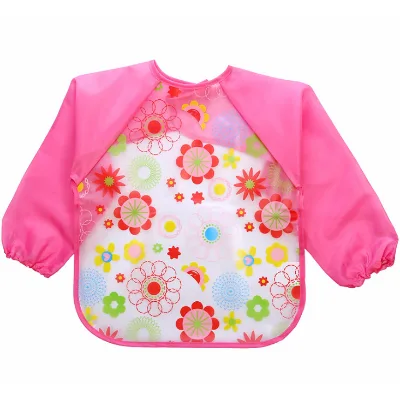
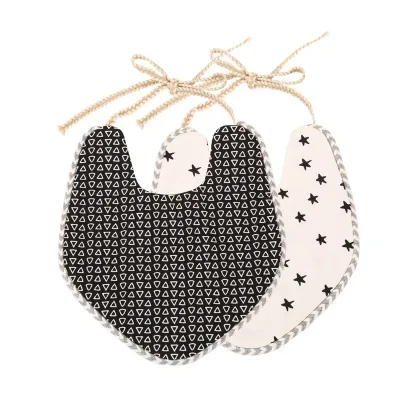


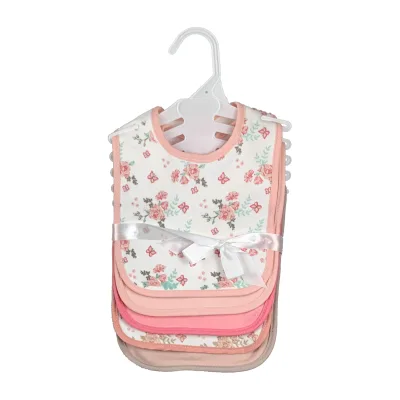

Comprehensive Sourcing Guide
Strategic Sourcing Framework for Peach Velvet Sublimation Baby Bibs
The procurement of specialized infant apparel, specifically items described as "peach velvet sublimation baby bibs," requires a rigorous approach that bridges the gap between aesthetic desires and verified supply chain realities. While the core keyword suggests a specific texture (peach velvet) and printing technique (sublimation), the actual market data for baby bibs often presents a broader spectrum of materials and manufacturing methods. Buyers must navigate the distinction between marketing terminology and physical product specifications to ensure the final goods meet safety and functional requirements. This guide outlines the essential steps for sourcing these items, focusing on material verification, compliance standards, cost structures, and quality assurance protocols based on observable industry facts.
Material Composition and Texture Verification
The term "peach velvet" implies a specific soft, plush texture often associated with high-end baby products. However, in the context of verified product attributes for baby bibs, the primary material observed is 100% Cotton, specifically in forms such as Terry cloth or plain cotton. When sourcing a bib described as having a velvet-like feel, the buyer must verify if the "peach velvet" designation refers to a specific weave of 100% cotton or a polyester blend. The supplied data indicates that materials range from 100% Cotton to Polyester/Cotton blends.
Sublimation printing, the technique implied by the keyword, is most effective on synthetic fibers or polyester blends. It involves transferring dye into the fabric using heat, which creates a permanent bond. If the product is strictly 100% cotton, sublimation may not be the primary printing method unless the cotton has been treated or blended with synthetic fibers to accept the dye. Therefore, a critical verification step is to confirm the exact material composition. Buyers should request a mill test report or a fiber content analysis to ensure the fabric matches the "peach velvet" description without compromising the breathability required for infant skin. The observed material "100% Cotton Terry" is a common alternative that offers high absorbency, which is essential for a bib's function, but it may not support sublimation printing in the same way a polyester blend would.
Technical Specifications and Customization Parameters
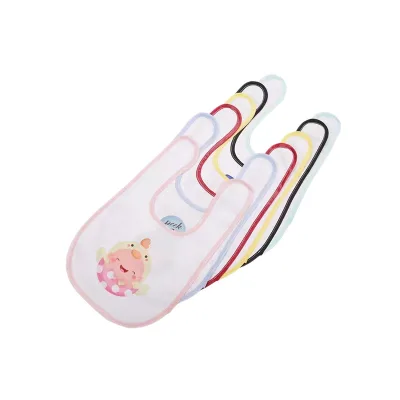
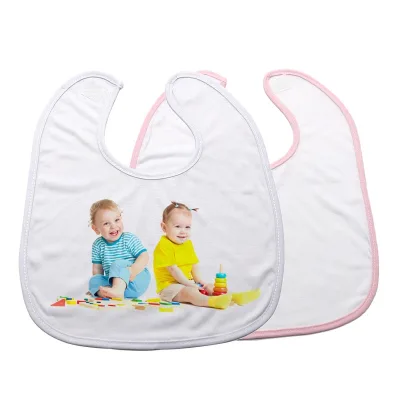
Understanding the technical specifications is vital for aligning the product with the intended use case. The data reveals that product models vary significantly, ranging from "standard plain" to "solid bib," "printed bib," and specific model numbers like "Cotton Waterproof Baby Bib-035I." The "peach velvet sublimation" concept likely falls under the "printed bib" category, where customization is a key driver.
Buyers must define the following technical parameters before engaging suppliers:
- Dimensions: Sizes are often customizable, with ranges noted as "0 to 3 Years or Customized." The specific dimensions for a "solid bib" or "printed bib" should be requested to ensure a proper fit for the target age group, which is frequently listed as 7-12 months.
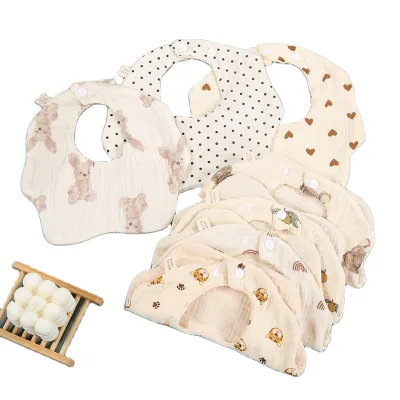
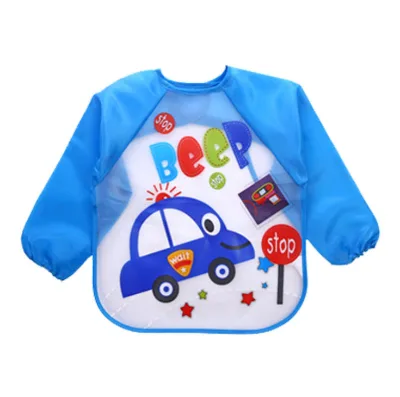
- Neck and Sleeve Design: While bibs are typically sleeveless, some product listings include attributes like "Long Sleeve" or "Short Sleeve," suggesting a broader category of baby clothing. For a standard bib, the neck shape is usually "Round Neck," and the closure mechanism varies between "with Buttons" and "Without Buttons."
- Packing Standards: The observed packing standard is "10PC/Polybag" or "Each Bag with 1 Polybag, 40 Pieces Per Carton." Customization of packaging is available, which is crucial for branding.
- Printing Techniques: The attribute "Plain Dyed" and "Logo Printing" are noted. Sublimation is a form of dye sublimation, which differs from standard screen printing. Buyers must confirm if the supplier's "Plain Dyed" or "Logo Printing" capabilities include the sublimation process required for the peach velvet aesthetic.
Compliance, Certification, and Safety Standards
Safety is the paramount concern when sourcing products for infants. The supplied data explicitly mentions the "CE" standard for certain products. CE marking indicates conformity with health, safety, and environmental protection standards for products sold within the European Economic Area. However, the data also notes that some standards are "customized," which requires careful scrutiny.
Buyers should not assume that all listed products automatically meet the specific safety regulations of their target market. The presence of a CE mark on one model does not guarantee that a "peach velvet sublimation" variant meets the same criteria. Key areas of verification include:
- Chemical Safety: Sublimation inks and dyes must be free from harmful substances such as azo dyes, heavy metals, and formaldehyde.
- Flammability: Textile products for children often have strict flammability requirements.
- Physical Safety: Small parts, such as buttons, must be securely attached to prevent choking hazards. The data shows options for "with Buttons" and "Without Buttons," and the absence of buttons may be a safer default for younger infants.
- Origin Verification: The products are listed as originating from "Jiangsu" or "China." While this is a major manufacturing hub, buyers must verify the specific factory's compliance history and audit status rather than relying solely on the region.
Cost Drivers and Minimum Order Quantities
The cost structure for baby bibs is influenced by material choice, printing complexity, and order volume. The observed price range in the market data is 0.01 to 4.81 USD. This wide range suggests that the final price is highly dependent on the specific customization and material quality. A "peach velvet" texture, if achieved through a specific cotton weave or a high-quality blend, will likely sit at the higher end of this spectrum compared to standard plain cotton bibs.
Minimum Order Quantities (MOQ) are another significant cost driver. The data indicates an MOQ range of 1 to 5000 units. Specific product types have distinct thresholds:
- Solid Bib: MOQ of 3000 PCS.
- Printed Bib: MOQ of 1000 PCS.
- General Listings: Some entries show an MOQ of 10000, likely for highly customized or OEM orders.
For a buyer seeking a niche product like a peach velvet sublimation bib, the MOQ will likely align with the "Printed Bib" or "Customized" categories. Buyers should be prepared for an MOQ of at least 1000 units to access sublimation printing services, as the setup costs for dye transfer are higher than standard printing methods. Negotiating the MOQ is possible, but it often results in a higher unit price.
Supplier Evaluation and Production Capabilities
Evaluating a supplier requires looking beyond the basic product listing. The data shows that "Customization" is available, and "OEM" (Original Equipment Manufacturer) services are accepted. This indicates that suppliers are capable of tailoring products to specific brand requirements. However, the ability to produce a "peach velvet" texture via sublimation is a specific technical capability that must be validated.
When evaluating potential suppliers, buyers should request:
- Sample Verification: Physical samples are essential to verify the "peach velvet" feel and the quality of the sublimation print. The print should be vibrant and not crack or fade after washing.
- Production Capacity: The data mentions lead times and locations, but specific lead times are not provided in the summary. Buyers must ask for current production schedules to ensure timely delivery.
- Quality Control Processes: The attribute "Eco-Friendly" and "Washable" are listed as features. Suppliers should provide evidence of washability tests and eco-friendly certifications for their dyes and materials.
- Factory Audits: Given the origin is Jiangsu, China, buyers should consider third-party factory audits to ensure ethical labor practices and consistent quality control.
Quality Control and Long-Term Procurement Strategy
Implementing a robust quality control (QC) strategy is essential for maintaining brand reputation. The observed attributes include "Washable" and "Eco-Friendly," which are functional claims that must be substantiated. QC should focus on:
- Color Fastness: Ensuring the sublimated peach color does not bleed onto the baby's skin or other clothing during washing.
- Texture Consistency: Verifying that the "velvet" texture is uniform across the batch and does not pill or degrade after multiple washes.
- Seam Strength: Checking that the stitching, especially around the neck and edges, is secure.
For long-term procurement, buyers should consider the scalability of the supply chain. The data shows that product models vary, and customization is a standard offering. Establishing a long-term relationship with a supplier who can consistently deliver "100% Cotton" or "Polyester/Cotton" blends with the desired sublimation finish will reduce the risk of supply disruptions. Buyers should also monitor the "Standard" attribute, ensuring that any changes in production standards are communicated and approved before mass production begins.
Comparative Analysis of Product Attributes
To facilitate decision-making, the following table summarizes the key attributes observed in the market data, highlighting the distinctions between standard and customized options.
| Attribute | Standard / Plain Bib | Printed / Customized Bib | Peach Velvet Sublimation (Target) |
|---|---|---|---|
| Material | 100% Cotton, Cotton Terry | 100% Cotton Terry, Polyester/Cotton | Likely Polyester/Cotton or Treated Cotton |
| Printing | Plain Dyed, Logo Printing | Customized Color, Sublimation | Sublimation (Dye Transfer) |
| MOQ | 3000 PCS (Solid) | 1000 PCS (Printed) | Likely 1000+ PCS (Custom) |
| Packing | 10PC/Polybag | 10PCS/Polybag or Custom | Customizable |
| Standard | CE | Customized | Must Verify (CE or Local) |
| Origin | Jiangsu, China | Jiangsu, Cn. | Jiangsu, China (Likely) |
This comparison underscores that while standard bibs are readily available with low customization, the specific "peach velvet sublimation" requirement necessitates a supplier capable of handling complex printing techniques and specific material blends. The buyer must ensure that the "Customized" nature of the product does not compromise the safety standards or the durability expected of infant wear.
In conclusion, sourcing "peach velvet sublimation baby bibs" involves a careful balance of aesthetic requirements and technical constraints. By rigorously verifying material composition, confirming compliance with safety standards like CE, understanding the cost implications of MOQs, and establishing a clear quality control framework, buyers can successfully navigate the market. The provided data serves as a foundational reference, but the final procurement decision must be based on direct verification of the specific product samples and supplier capabilities to ensure the final goods meet the highest standards of safety and quality for infants.
FAQs
What material is used for peach velvet sublimation baby bibs?
The primary material is 100% Cotton, often in Terry cloth form. Some listings also indicate Polyester/Cotton blends are available for specific printing techniques.
Can I customize the size and color of these bibs?
Yes, customization is available for size, color, and logo printing. Sizes can range from 0 to 3 years or be made to your specific request.
What is the minimum order quantity for printed bibs?
The minimum order quantity for printed bibs is 1000 pieces. Solid bibs typically require a higher minimum of 3000 pieces.
Are these baby bibs certified for safety standards?
Some products carry the CE standard for safety compliance. However, other items may have customized standards, so verification is required.
How are the bibs packaged for shipment?
Standard packaging is 10 pieces per polybag. Customized packing options are available, such as 40 pieces per carton.
Where are these baby bibs manufactured?
The products originate from Jiangsu, China. This region is a known manufacturing hub for textile baby products.
Do these bibs feature buttons or other closures?
Options include bibs with buttons and those without buttons. The closure type depends on the specific model selected.