Find Pediatric Dental Chair with Cartoon Touch Pad for clinics
Explore 30 listings of a Pediatric Dental Chair with Cartoon Touch Pad designed for child-specific dental treatments. Buyers can compare specifications, certifications, and pricing from verified manufacturers in China to select the right equipment for their clinic.
Key considerations
Products List
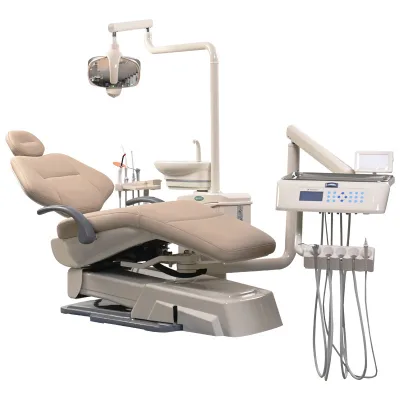
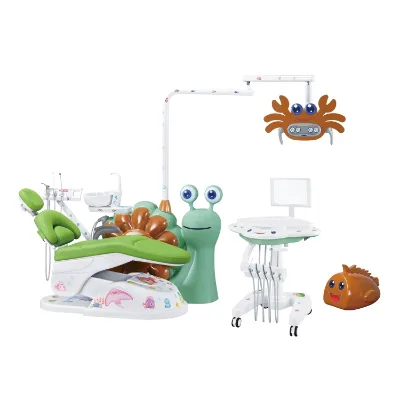
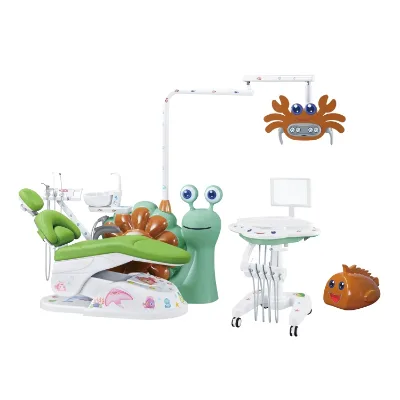
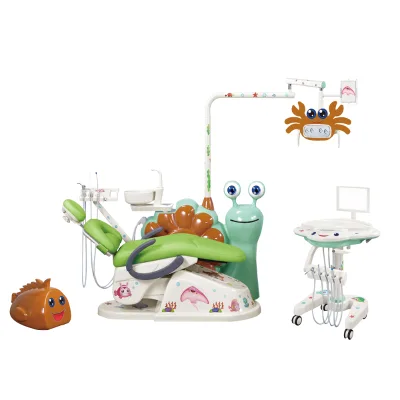
Hot Selling Cartoon World Pediatric Dental Chair with Built-in Sterilization
$3000.00 - $4000.00
MOQ: 1 Minimum
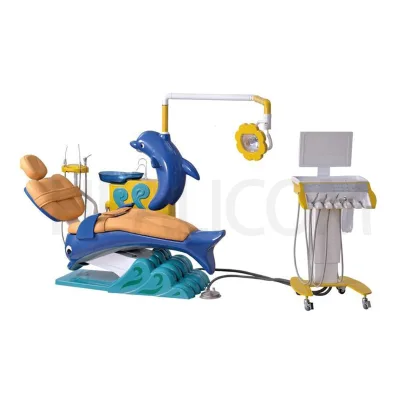
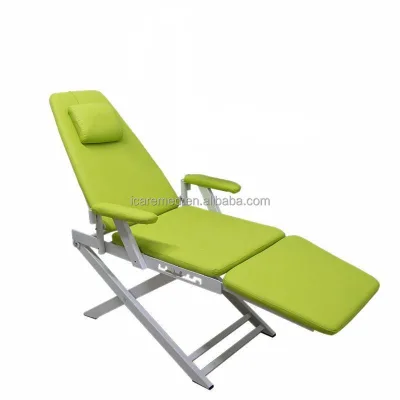

$600.00 - $2000.00
MOQ: 1 Pieces


Dental Unit Bright and Playful Child Dental Chair with CE and ISO Cert
$1500.00 - $5000.00
MOQ: 1 Pieces

Dental Equipment Dentist Chair Specially for Children with Cute Cartoon Character
$1500.00 - $5000.00
MOQ: 1 Pieces


Kids Dental Chair Electric Dental Chair for Clinic Use Cartoon Design
$1860.00 - $3500.00
MOQ: 1 Pieces


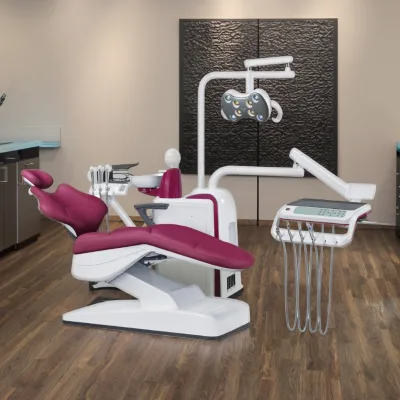


Factory Price Multifunctional Practical Pediatrics Treatment Dental Chair
$1200.00 - $1800.00
MOQ: 1 Pieces

High End Smart Touch Controlled Dental Chair One-Piece Children Dental Chair
$1200.00 - $1800.00
MOQ: 1 Pieces

CE Approved Medical Equipment Pediatrics Electric Treatment Children Dental Chair
$600.00 - $2100.00
MOQ: 1 Pieces


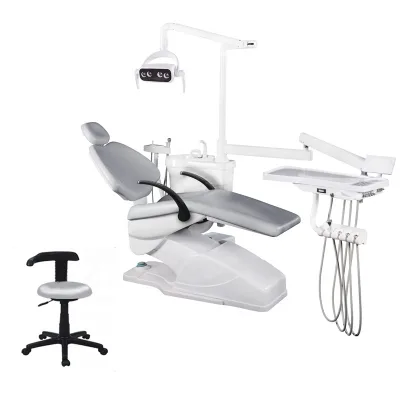
Anteeth Modern Dental Chair Unit Led Lamp Design Comfortable and Economic Dental Units
$924.51 - $1017.06
MOQ: 1 Minimum
Comprehensive Sourcing Guide
Strategic Sourcing Guide for Pediatric Dental Chairs with Cartoon Touch Pad Interfaces
Understanding the Product Category and Core Specifications
Sourcing a pediatric dental chair with a cartoon touch pad interface requires a nuanced understanding of the specific equipment category, which falls under Class I and Class II medical instruments depending on the manufacturer's design intent. The primary function of these units is to provide a comfortable, safe, and engaging environment for young patients during dental procedures. The "cartoon touch pad" feature is a critical differentiator, designed to reduce pediatric anxiety by offering an interactive, child-friendly control interface that can often be used by the child or the operator to adjust chair positions, lighting, and other functions.
When evaluating the technical specifications of available units, buyers must look beyond the visual appeal of the interface. The core mechanical structure typically relies on a combination of metal, plastic, and steel materials to ensure durability and hygiene. For instance, specific models in the market utilize microfiber leather cushions for patient comfort, which is essential for long treatment sessions. The power source is a critical variable; while some units operate on electricity with power ratings around 550 W, others may be manual or hybrid. The voltage requirements are equally important, with common configurations supporting 220V/50Hz or 110V/60Hz to accommodate different regional electrical standards.
The physical dimensions and weight of the chair are significant logistical factors. Observed data indicates that single package sizes can be substantial, with dimensions reaching up to 260x150x220 cm in some configurations, and single gross weights approaching 100 kg. This necessitates careful planning for shipping and installation. The integration of a spittoon is another standard feature, with options ranging from integrated ceramic units to other designs. The application scope is strictly defined as dental areas, specifically for dental teeth treatment, ensuring the equipment is fit for purpose in a clinical setting.
Compliance, Certification, and Safety Standards
Navigating the regulatory landscape is paramount when importing medical devices. The safety and compliance of pediatric dental chairs are governed by specific standards that vary by region and manufacturer. In the context of the available supply chain, buyers have observed references to safety standards such as GB15979-2002 and GB/T18830-2009, which are Chinese national standards for hygiene and safety. Additionally, the instrument classification is a vital compliance metric, with products appearing in the market as either Class I or Class II medical devices. This classification dictates the level of regulatory scrutiny and the type of clinical use permitted.
Certification marks are often the first point of verification for international buyers. The CE mark is a frequently observed certification, indicating conformity with health, safety, and environmental protection standards for products sold within the European Economic Area. Some listings also reference ISO certifications, suggesting a broader adherence to international quality management systems. However, buyers must exercise caution and verify the validity of these certifications directly with the issuing bodies, as the presence of a logo on a product page does not guarantee current compliance. The shelf life of these units is typically cited as ranging from one to two years, which may refer to the warranty period or the expected lifespan of specific consumable components like the leather cushion or electronic touch pads.
When evaluating suppliers, it is essential to confirm that the specific model number, such as K-808HH, GD-S800, or HDC-C1, corresponds to the certifications claimed. The "Safety standard: others" designation found in some listings indicates a need for further verification, as it does not point to a specific, universally recognized norm. Buyers should request the full technical file and test reports for the specific model they intend to purchase. The place of origin, often listed as Guangdong or Jiangsu in China, provides context for the manufacturing ecosystem but does not inherently guarantee quality; the specific factory's audit history and quality control processes are the true indicators of compliance.
Cost Drivers and Pricing Dynamics
The pricing structure for pediatric dental chairs is influenced by a complex interplay of factors, including material quality, technological integration, and certification status. The observed price range in the market spans from approximately 56 USD to 10,000 USD, a vast disparity that reflects the difference between basic manual units and advanced, fully automated chairs with sophisticated touch interfaces. The "cartoon touch pad" feature, being a specialized interface, likely positions the unit in the mid-to-high end of this spectrum, depending on the complexity of the software and the durability of the hardware.
Material costs are a primary driver. Chairs constructed with high-grade stainless steel, reinforced metal frames, and premium microfiber leather will command higher prices compared to those using standard plastics or lower-grade metals. The power system also impacts cost; units with dual voltage capabilities (110V/60Hz and 220V/50Hz) and higher wattage motors (e.g., 550 W) generally cost more due to the complexity of the electrical engineering involved. Furthermore, the packaging requirements, such as wooden cases designed to protect the heavy unit (up to 100 kg gross weight) during international transit, add to the overall landed cost.
Minimum Order Quantity (MOQ) is another critical financial consideration. The market data shows an MOQ range from 1 set to 30 sets. For clinics looking to purchase a single unit for a new pediatric department, an MOQ of 1 set is highly favorable and reduces financial risk. However, buyers should be aware that lower MOQs may come with a higher unit price, while bulk orders might offer volume discounts. The "Selling Units" are typically listed as single items, but the "Brand Name" options, ranging from OEM to specific brands like Gladent or HEALICOM, can influence pricing. Customization options, such as adding a customized logo, may also incur additional fees. Buyers must calculate the total cost of ownership, including shipping, insurance, and potential import duties, rather than focusing solely on the listed unit price.
Typical Applications and Clinical Utility
The primary application of these specialized chairs is within the dental area, specifically tailored for pediatric teeth treatment. The design philosophy centers on creating a non-threatening environment for children. The cartoon touch pad serves a dual purpose: it acts as a functional control for the dental team and as a distraction tool for the young patient. By allowing the child to interact with a colorful, animated interface, the chair helps mitigate dental anxiety, which is a significant barrier to effective pediatric care. This psychological benefit can lead to shorter appointment times and better cooperation from the patient.
The versatility of the chair's application is supported by its robust construction. The use of materials like metal, plastic, and steel ensures the chair can withstand the dynamic movements of a child and the rigorous cleaning protocols required in a dental clinic. The integrated spittoon, whether ceramic or integrated into the design, facilitates efficient waste management during procedures. The power source, whether electric or manual, must be reliable to ensure that the chair can be positioned precisely for various dental treatments, from routine check-ups to more complex restorative work.
In terms of functionality, these chairs are classified as dental medical instruments. The specific model numbers, such as ICD-012 or HDC-C1, often indicate specific feature sets tailored to different clinical needs. For example, a model with a "competitive price easy to operate" advantage suggests a focus on user-friendly design for dental staff, which is crucial in high-volume pediatric practices. The "Advantage" of easy operation is particularly relevant for clinics with rotating staff or those training new dental assistants. The application scope is strictly limited to dental areas, and buyers should ensure that the equipment is not marketed for non-dental medical uses, as this could void warranties or certifications.
Supplier Evaluation and Brand Considerations
Evaluating suppliers for pediatric dental chairs requires a thorough vetting process that goes beyond the information provided on product pages. The brand names observed in the market include BLK/OEM, Gladent, and HEALICOM. The presence of an OEM (Original Equipment Manufacturer) option suggests that buyers can customize the branding, which is beneficial for clinics looking to establish a unique identity. However, OEM products often require more due diligence regarding the underlying manufacturing quality, as the brand name on the final product may not reflect the original manufacturer's reputation.
The place of origin is a key factor in supplier evaluation. Most of the observed products originate from Guangdong or Jiangsu, China, regions known for their manufacturing capabilities in medical equipment. While these regions offer a competitive supply chain, buyers should verify the specific factory's credentials. The "After-sale Service" is a critical differentiator; some suppliers offer online technical support, while others provide free spare parts. For a complex piece of equipment like a dental chair with electronic touch pads, the availability of spare parts and technical support is essential for maintaining operational continuity.
Buyers should also consider the "Shelf Life" and "Warranty" terms. A warranty of 1 year is common, but some listings mention a 2-year shelf life, which may imply a longer expected service life or a specific warranty period for certain components. The "Certificate" and "Quality Certification" details, such as CE and ISO, should be cross-referenced with the supplier's official documentation. It is advisable to request a copy of the certification and verify its authenticity with the relevant authorities. The "Standard" of safety, whether it is GB15979-2002 or others, should be clearly defined in the supplier's technical documentation to ensure compliance with local regulations.
Quality Control and Long-Term Procurement Strategies
Implementing a robust quality control (QC) strategy is essential when sourcing pediatric dental chairs. Given the high gross weight and complex packaging, logistics damage is a significant risk. Buyers should insist on pre-shipment inspections that verify the structural integrity of the metal and steel frame, the condition of the microfiber leather cushion, and the functionality of the electronic touch pad. The "Single package size" and "Single gross weight" data provided in listings should be used to plan the inspection and shipping process, ensuring that the packaging is sufficient to protect the unit during transit.
Long-term procurement considerations extend beyond the initial purchase. The "After-sale Service" and "Warranty" terms are critical for managing the lifecycle of the equipment. Buyers should negotiate clear terms for response times, availability of spare parts, and the scope of coverage for the warranty period. The "Power Source" and "Voltage" specifications must be compatible with the clinic's infrastructure to avoid costly retrofits. Additionally, the "Material" composition should be evaluated for its resistance to chemicals and ease of cleaning, which are vital for infection control in a pediatric setting.
The "Keyword" of "Dental Chair Economic" suggests that cost-effectiveness is a primary concern, but buyers must balance this with quality. A lower price point may indicate compromises in material quality or certification status. Therefore, a comprehensive evaluation matrix should be used to compare suppliers based on price, certification, warranty, and after-sales support. The "Logo" customization option should be considered carefully, as it may impact the lead time and cost. Finally, buyers should maintain a relationship with the supplier for future upgrades or additional equipment, ensuring a consistent supply chain for their pediatric dental operations.
Comparative Analysis of Key Product Attributes
To facilitate decision-making, the following table summarizes the key attributes observed across different models and suppliers. This comparison highlights the variations in specifications, certifications, and service offerings that buyers should consider.
| Attribute | Model K-808HH | Model GD-S800 | Model HDC-C1 | Model ICD-012 |
|---|---|---|---|---|
| Product Name | Child specific dental chair | Dental Equipment | Dental Medical Instruments | Dental Chair |
| Instrument Class | Class II | Class I | Class I | Not Specified |
| Material | Metal, Plastic | Metal, Plastic, Steel | Stainless steel, plastic, mental | Metal, Plastic |
| Power Source | Electricity | 220V/50Hz ;110V/60Hz | Manual | Electricity |
| Certification | CE | CE ISO | Others | Not Specified |
| Safety Standard | GB15979-2002 | GB/T18830-2009 | Others | Not Specified |
| Warranty | 1 Year | 1 Year | Not Specified | Not Specified |
| Shelf Life | 1 Year | 2 Years | Not Specified | Not Specified |
| Place of Origin | Guangdong, China | Jiangsu, China | China | China |
| After-Sale Service | Online Technical Support | Free spare parts | Not Specified | Not Specified |
| Spittoon | Integrated | Ceramic | Not Specified | Not Specified |
| MOQ | 1 Set | 1 Set | 1 Set | 1 Set |
This table illustrates the diversity in the market. While some models offer comprehensive certifications like CE and ISO, others list "others" or do not specify standards. The power source varies from electricity to manual, and the material composition ranges from basic metal and plastic to stainless steel. Buyers must align these attributes with their specific clinical needs and regulatory requirements. The consistent MOQ of 1 set across these models indicates a flexible market for single-unit purchases, which is advantageous for clinics starting their pediatric services. However, the variation in after-sales service and warranty terms necessitates careful negotiation to ensure long-term support.
Final Procurement Recommendations
In conclusion, sourcing a pediatric dental chair with a cartoon touch pad interface requires a balanced approach that prioritizes safety, compliance, and clinical utility. Buyers should focus on verifying the instrument classification and safety standards, ensuring that the equipment meets the specific regulatory requirements of their region. The price range is wide, so a detailed cost-benefit analysis is necessary to determine the best value proposition. Supplier evaluation should include a thorough review of after-sales service, warranty terms, and certification validity. By adhering to these guidelines and maintaining a rigorous quality control process, buyers can secure high-quality pediatric dental chairs that enhance patient care and operational efficiency.
FAQs
What certifications do pediatric dental chairs typically have?
Many units carry CE and ISO certifications, though some listings only state CE. Buyers must verify specific model numbers like K-808HH against valid certificates before purchase.
How much does a pediatric dental chair cost?
Prices range from 56 to 10,000 USD depending on features and brand. Basic models are cheaper, while those with advanced interfaces and dual voltage support cost more.
Which materials are used for the chair structure?
Chairs are constructed from metal, plastic, and steel to ensure durability. Some models also feature microfiber leather cushions for patient comfort during treatment sessions.
Can the chair operate on different voltage standards?
Yes, some models support both 220V/50Hz and 110V/60Hz power sources. This flexibility allows the equipment to function in various international electrical environments.
What is the minimum order quantity for these chairs?
The minimum order quantity ranges from 1 set to 30 sets depending on the supplier. Single item purchases are available, but bulk orders may offer different pricing.
How long is the warranty period for the equipment?
Standard warranty coverage is typically one year for the entire unit. Some components may have different shelf life expectations, so check specific model terms.
Where are these dental chairs manufactured?
Most units originate from Guangdong or Jiangsu in China. The specific factory location affects shipping logistics and should be confirmed for each supplier.
What after-sale services are provided by suppliers?
Services include online technical support and free spare parts for repairs. Buyers should confirm the specific support type before finalizing the purchase agreement.