Source Pediatric EO Sterilized Foley Catheter for Hospital, Clinic, and Home Care
Explore 30 listings for Pediatric EO Sterilized Foley Catheter options featuring customizable packaging and CE certification. Buyers can compare delivery times, sterilization methods, and product models to find suitable medical supplies for hospital and clinical applications.
Key considerations
Products List


Silicone Temperature Foley Catheter for ICU Disposable Medical Supplies
$5.00 - $6.00
MOQ: 1000 Pieces


Medical Disposable Sterile Urethral Catheters Foley Catheter 2 Way/3 Way
$0.49 - $0.88
MOQ: 1000 Pieces

Medical Disposable 2 Way Latex Foley Catheter Urethral Catheter with CE Certificate
$0.31 - $0.99
MOQ: 5000 Pieces
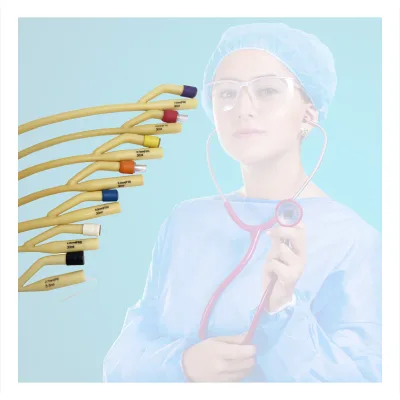


Comprehensive Sourcing Guide
Strategic Sourcing Guide for Pediatric EO Sterilized Foley Catheters
Understanding Product Specifications and Technical Requirements
When sourcing pediatric Foley catheters, the primary focus must be on precise technical specifications that align with the unique anatomical needs of children. The core keyword "pediatric" dictates that the product must be available in specific size ranges, typically denoted by French (Fr) measurements. Based on available market data, these catheters are often categorized under models such as Fr6 through Fr26, ensuring a broad spectrum of sizes to accommodate neonates, infants, and older children. The physical construction of these devices is critical; they are frequently described as being made from medical-grade materials that are latex-free, a non-negotiable safety feature for pediatric patients who may have sensitivities.
The product type is fundamentally a drainage container or tube, specifically designed for urinary management. In the context of surgical supplies and materials, the design often includes features like a balloon for retention and a drainage lumen. Packaging is another critical specification; products are commonly supplied in sterile pouches, with carton configurations varying from 10 pouches per box to 1000 pieces per carton. The shelf life of these devices is a vital metric for inventory planning, with observed data indicating a standard shelf life of two years. This duration allows for strategic stockpiling without immediate risk of expiration, provided storage conditions remain within recommended parameters. The color of the catheter is typically transparent, which aids in visual inspection of urine flow and clarity, a key indicator of patient health during clinical use.
Compliance, Certification, and Regulatory Standards
Navigating the regulatory landscape is essential for any procurement of medical devices, particularly those intended for pediatric use. The global market for these catheters often requires adherence to stringent quality management systems. A primary certification to verify is the CE mark, which indicates conformity with health, safety, and environmental protection standards for products sold within the European Economic Area. Furthermore, ISO 13485 certification is a critical benchmark for medical device manufacturers, signifying that the supplier maintains a robust quality management system specifically for the design and production of medical devices.
Sterilization methods are equally paramount. The term "EO sterilized" refers to Ethylene Oxide Sterilization, a process widely used for heat-sensitive medical devices like Foley catheters. This method ensures the product is free from viable microorganisms, making it safe for invasive procedures. Buyers must confirm that the supplier explicitly states "Ethylene Oxide Sterilization" in their product attributes, as this is a specific requirement for the core keyword. Additionally, some products may carry FDA registration, indicating compliance with United States Food and Drug Administration regulations, though this should be verified on a per-supplier basis. The classification of these devices as Class II medical products implies a moderate to high risk, necessitating special controls to ensure safety and effectiveness. Procurement teams should demand proof of these certifications before finalizing any order, as the absence of valid documentation can lead to regulatory hurdles and potential liability issues.
Cost Drivers and Pricing Dynamics
The pricing structure for pediatric Foley catheters is influenced by several variable factors, including order volume, customization requirements, and the level of sterilization and packaging involved. Market observations indicate a wide price range, with unit costs potentially varying from $0.10 to $6.25 USD depending on the specific model and supplier. This significant variance underscores the importance of understanding the cost drivers. Lower-priced items often correspond to standard, non-customized configurations with higher Minimum Order Quantities (MOQs). Conversely, products featuring custom logo printing or specialized packaging may command higher unit prices.
MOQs are a critical component of the cost structure. Data suggests that MOQs for these devices typically range from 100 to 10,000 pieces, with specific models like the ZG-KY20 requiring a minimum of 2000 pieces. For smaller hospitals or clinics, meeting a 10,000-piece MOQ may be challenging, necessitating a search for suppliers with more flexible thresholds. Lead times also impact the total cost of ownership. While some suppliers offer a delivery time of 20 days, others may have a broader window of 3 to 30 days. Longer lead times can increase inventory holding costs and require more sophisticated supply chain planning. Additionally, the availability of samples is a factor; suppliers offering samples allow buyers to validate quality before committing to large orders, though this may involve separate sampling costs. The origin of the product, often listed as China or Zhejiang, China, can influence shipping costs and tariffs, which should be factored into the total landed cost calculation.
Typical Applications and Clinical Use Cases
Pediatric Foley catheters serve a diverse range of clinical applications, primarily within hospital settings where precise urinary management is required. The primary application is for medical care in surgical and general hospital environments. These devices are essential for patients who are unable to void urine independently due to anesthesia, critical illness, or post-operative recovery. The "Adult, Pediatric, Neonatal" classification highlights the versatility of the product line, allowing medical facilities to stock a unified solution for different patient demographics.
The specific use cases extend beyond simple drainage. In neonatal intensive care units (NICUs), the availability of small French sizes (e.g., Fr6) is crucial for delicate procedures. The latex-free composition is particularly important for pediatric applications to prevent allergic reactions, which can be severe in young patients. The transparency of the catheter allows nurses and doctors to monitor urine output continuously, which is a vital sign in pediatric care. Furthermore, the "Surgical Supplies Materials" classification indicates their role in operating rooms, where sterile, single-use devices are mandatory to prevent surgical site infections. The product's classification as a Class II device confirms its intended use for temporary urinary drainage rather than long-term implantation, aligning with standard pediatric urological practices.
Supplier Evaluation and Quality Assurance
Selecting the right supplier requires a rigorous evaluation process that goes beyond price comparisons. Buyers should prioritize suppliers who demonstrate a commitment to quality through documented certifications and a clear track record. The presence of a "Factory" attribute suggests that the supplier may be the manufacturer, which can offer advantages in terms of quality control and pricing. However, verification is necessary to ensure the facility actually holds the claimed certifications like CE and ISO 13485.
Quality control should be a central part of the supplier assessment. Buyers must verify that the supplier offers a quality guarantee period, typically observed as two years for these products. This guarantee reflects the manufacturer's confidence in the product's shelf life and structural integrity. Additionally, the customization capabilities of the supplier should be evaluated. While some products come "Without Logo Printing," others offer "With Logo Printing" options, which can be beneficial for hospital branding or specific procurement contracts. The ability to provide samples is another positive indicator of a supplier's transparency and willingness to engage in a pre-purchase validation process. Buyers should also check the consistency of the packaging standards, ensuring that the transition from "1000PCS/CTN" to "1000PCS/Pack" is clearly defined to avoid confusion during logistics and inventory management.
Long-Term Procurement and Inventory Management
Sourcing pediatric Foley catheters is not a one-time transaction but a strategic, long-term procurement activity. The variability in lead times, ranging from 20 days to 30 days, necessitates a robust inventory management strategy. Hospitals and clinics must maintain a buffer stock to account for potential supply chain disruptions, especially given the critical nature of these medical supplies. The two-year shelf life provides a window for strategic stocking, but buyers must implement a First-In-First-Out (FIFO) system to ensure older stock is used before it expires.
Customization is a key consideration for long-term contracts. Suppliers offering customization allow facilities to brand the products or adapt packaging to their specific internal workflows. However, customization often comes with higher MOQs, which can impact cash flow. Buyers should negotiate terms that balance customization needs with volume flexibility. Furthermore, the global nature of the supply chain, with origins in China, requires buyers to be aware of potential logistical delays. Establishing a relationship with a supplier who can provide consistent delivery times and maintain quality standards over multiple orders is essential. The "Disposable" nature of the product means that reprocessing is not an option, making the reliability of the supply chain even more critical. Regular audits of supplier performance, including adherence to delivery schedules and quality consistency, should be part of the ongoing procurement strategy to ensure uninterrupted patient care.
Comparative Analysis of Product Attributes
To facilitate decision-making, it is helpful to compare the key attributes of different product configurations available in the market. The following table summarizes the observed variations in specifications, certifications, and packaging that buyers should consider.
| Attribute | Configuration A | Configuration B | Configuration C |
|---|---|---|---|
| Product Model | ZG-HZFSS16 | ZG-KY20 | VIT-UR31 |
| Target Group | Children | Adult | Adult/Pediatric |
| Sterilization | Ethylene Oxide | Ethylene Oxide | Ethylene Oxide |
| Certification | CE | CE/ISO13485 | FDA, ISO |
| MOQ | 100 - 10000 | 2000 PCS | Variable |
| Logo Printing | Without | With | With |
| Packaging | 1000PCS/CTN | Carton | 1PCS/Pouch |
| Shelf Life | 2 Years | 2 Years | 2 Years |
| Origin | China | Zhejiang, China | China (Mainland) |
This comparison highlights that while the core sterilization and shelf life remain consistent, the target group, certification levels, and packaging formats vary significantly. Buyers must align these attributes with their specific institutional needs, ensuring that the selected product meets both clinical requirements and regulatory obligations. The presence of "Without Logo Printing" options suggests a focus on generic, cost-effective procurement, while "With Logo Printing" options cater to branded hospital supplies. Understanding these distinctions allows for a more tailored and effective sourcing strategy.
FAQs
How long is the shelf life for pediatric EO sterilized Foley catheters?
The shelf life is typically two years for these devices. This duration allows for strategic stockpiling provided storage conditions remain within recommended parameters to ensure safety and efficacy during clinical use.
What certification standards apply to these pediatric catheters?
Products often carry CE and ISO 13485 certifications. Some listings also indicate FDA compliance, which verifies adherence to specific quality management systems and regulatory standards for medical device manufacturers.
Can I order these catheters with custom logo printing?
Yes, customization with logo printing is available for many models. However, some standard configurations may come without logo printing, so buyers must verify specific product attributes before placing an order.
What is the typical minimum order quantity for these devices?
Minimum order quantities generally range from 100 to 10,000 pieces depending on the supplier. Specific models like ZG-KY20 may require a minimum of 2000 pieces, while others have different thresholds.
Which sterilization method is used for these pediatric catheters?
Ethylene Oxide Sterilization is the standard method used for these devices. This process ensures the products are free from viable microorganisms, making them safe for invasive procedures in hospital settings.
How long does delivery typically take for these catheters?
Delivery times vary between 20 days and 30 days depending on the supplier. Buyers should account for this lead time in their inventory planning to ensure uninterrupted patient care.
Are these catheters latex-free for pediatric safety?
Yes, the products are described as latex-free to prevent allergic reactions in young patients. This is a critical safety feature for pediatric applications where sensitivities are a primary concern.