Source Pencil Case for Hotel, School, and Office Needs
Compare 30 Pencil Case options from verified Chinese suppliers. Buyers can evaluate materials like leather and fabric, customization availability, and dimensions for hotel, school, and office applications.
Key considerations
Products List
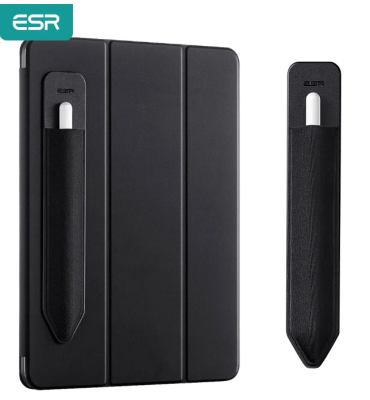

Large Capacity Pencil Case Cute Pencil Bag Customized Canvas Pencil Case
$0.25 - $0.33
MOQ: 500 Pieces


Wholesale Cute Pattern Creative Student Stationery Pencil Case for Student Office
$1.00 - $2.00
MOQ: 500 Pieces


Comprehensive Sourcing Guide
Strategic Sourcing Guide for Pencil Case Procurement
Understanding Product Specifications and Variations
When initiating a procurement strategy for pencil cases, buyers must first establish a clear definition of the product's physical and functional attributes. The market offers a diverse array of configurations, ranging from single-layer designs to complex multilayer systems. Based on current market observations, the functional classification of these items often centers on storage, yet the specific application can vary significantly between hotel amenities, school supplies, and office organization tools.
A critical aspect of specification management is the dimensional consistency. Observed product standards indicate that dimensions are not uniform across the category. For instance, specific models adhere to a standard of 2311CM, while others are designed with a compact footprint of 1764.5cm. Larger storage solutions may reach dimensions of 23116.5cm or even 18.921.1*8.5cm. Buyers should verify that the selected supplier provides precise dimensional data for the specific model number, such as PC0920, PC0932, or PC38, as these identifiers often correlate with distinct size profiles. The shape of the case is another variable; while square and rectangular forms are common, triangular configurations also exist in the supply chain.
The material composition is equally vital for determining durability and aesthetic appeal. Leather and fabric are the primary materials observed in current listings. Leather variants often feature a "lovely" or "office" style, whereas fabric options may utilize sewing techniques for construction. The choice of material directly influences the product's intended usage, with some models explicitly marketed for promotional gifts and others for heavy-duty school and office environments. Additionally, the presence of features such as password locks must be confirmed; many standard pencil cases are supplied without password locks, relying instead on simple zippers or closures.
Compliance, Certification, and Safety Standards
In the B2B procurement of stationery and storage accessories, compliance with safety and quality standards is a non-negotiable requirement, particularly when products are destined for educational institutions or corporate gifting. While specific certification names are not universally listed for every item, buyers must verify that suppliers adhere to relevant regional safety regulations. For products originating from China, such as those from Guangdong, Zhejiang, or Ningbo, compliance with international standards for children's products is often a prerequisite if the target market includes schools.
Buyers should request documentation regarding the materials used, specifically ensuring that leather or fabric treatments do not contain harmful substances like lead, phthalates, or azo dyes. The "Heating" and "Sewing" techniques mentioned in product attributes suggest specific manufacturing processes that must be controlled to ensure structural integrity and safety. For instance, heating processes used in molding or bonding must not release toxic fumes, and sewing operations must ensure that no sharp metal fragments or loose threads remain that could pose a hazard to users.
Furthermore, the "Customized Logo" and "Customer Logo" capabilities imply that the printing or embossing processes used for branding must also meet safety standards. Inks and adhesives used for customization should be non-toxic and durable. Buyers should explicitly ask suppliers to provide test reports from accredited third-party laboratories that validate the chemical safety of the materials and the finished product. Without such verification, there is a risk of non-compliance with import regulations in major markets like the European Union or North America, which could lead to product seizures or legal liabilities.
Cost Drivers and Pricing Dynamics
The pricing structure for pencil cases is influenced by a complex interplay of factors, including material costs, customization requirements, and order volume. The observed price range in the market spans from $0.15 to $14.90 USD, a wide disparity that reflects the difference between basic fabric models and premium leather or multi-functional designs. The lower end of the spectrum typically corresponds to simple, single-layer fabric cases with minimal customization, while the higher end often includes leather materials, complex multilayer structures, and extensive branding efforts.
Minimum Order Quantity (MOQ) is a significant cost driver. The observed MOQ range is between 100 and 5,000 units. Suppliers with lower MOQs, such as 300 units, may charge a higher unit price to cover setup and production costs. Conversely, larger orders often benefit from economies of scale, reducing the per-unit cost. Buyers must balance their inventory needs with their budget constraints. For example, a procurement strategy targeting a promotional campaign might prioritize a lower MOQ to minimize upfront capital, accepting a slightly higher unit cost. In contrast, a long-term supply contract for a large retailer might justify a higher MOQ to secure the lowest possible price point.
Customization is another primary variable affecting cost. The availability of "Private Mold" services and "Customizable Logo" options adds to the production expense. Developing a private mold involves upfront tooling costs, which are amortized over the production run. Suppliers offering "Single Commodity" packing or specific poly bag packaging may also adjust pricing based on the complexity of the packaging requirements. Buyers should request a detailed breakdown of costs, separating the base product price from tooling fees, customization charges, and packaging costs to ensure transparency in the final quote.
Typical Applications and Market Segmentation
Pencil cases serve a variety of applications beyond simple storage, and understanding these use cases is essential for matching the right product to the right market segment. The primary applications observed include school and office use, hotel amenities, and promotional gifting. Each segment has distinct requirements regarding durability, aesthetics, and functionality.
For the school and office sector, durability and organization are paramount. Multilayer pencil cases with dimensions around 23116.5cm are ideal for students and professionals who need to carry a variety of writing instruments, erasers, and small tools. The "Office" style and "Square" or "Rectangular" shapes are particularly popular in this segment, offering a professional appearance. In contrast, the hotel sector often requires smaller, more compact cases, such as those with dimensions of 1764.5cm, which can be easily stored in a room or luggage. These items are frequently used as welcome gifts or amenities.
Promotional gifting represents a unique market segment where the Pencil Case serves as a branding vehicle. In this context, the "Lovely" style and vibrant colors like pink or yellow are highly effective. The ability to customize the logo is a critical feature for this application, allowing companies to reinforce their brand identity. The "Triangle" shape and other unique forms can also serve as distinctive promotional items that stand out in a crowded market. Buyers targeting this segment should prioritize suppliers who offer flexible customization options and can deliver high-quality printing or embossing services.
Supplier Evaluation and Origin Verification
Evaluating suppliers requires a thorough analysis of their geographic location, production capabilities, and reputation. The supply chain for pencil cases is heavily concentrated in China, with specific regions like Guangdong, Zhejiang, and Ningbo emerging as key manufacturing hubs. Each region may have different strengths; for example, Guangdong is often associated with advanced manufacturing and leather goods, while Zhejiang may specialize in fabric and sewing techniques.
Buyers should verify the "Place of Origin" listed on product specifications to ensure alignment with their sourcing strategy. A supplier claiming a "Private Mold" capability indicates a higher level of manufacturing control and the ability to produce unique designs. This is a significant advantage for buyers seeking differentiated products. Additionally, the "Selling Units" being listed as "Single item" suggests that the supplier is capable of handling both bulk orders and sample requests, which is beneficial for prototyping and quality testing.
When evaluating potential partners, buyers should assess the supplier's responsiveness to customization requests. The ability to provide "Customer Logo" services and handle "Customized" orders efficiently is a key indicator of a supplier's flexibility. Buyers should also inquire about the supplier's experience with specific materials, such as leather or fabric, to ensure they have the expertise required to meet quality expectations. Requesting samples from different production batches can help verify consistency in material quality and workmanship.
Quality Control and Long-Term Procurement Strategy
Implementing a robust quality control (QC) protocol is essential for maintaining product standards and minimizing returns. Given the diverse range of materials and manufacturing techniques, from sewing to heating processes, buyers must establish clear acceptance criteria. Key QC checkpoints should include dimensional accuracy, seam strength, zipper functionality, and the durability of the logo or branding. For leather products, buyers should inspect for consistent coloring and texture, while fabric items require checks for loose threads and colorfastness.
Long-term procurement considerations involve building a sustainable relationship with suppliers who can scale with demand. Buyers should look for suppliers who offer consistent lead times and have the capacity to handle volume fluctuations. The "prod_packing" specifications, such as "1PC/Poly Bag" or "Single Commodity" packing, should be standardized to ensure efficient logistics and inventory management. Additionally, buyers should consider the environmental impact of their sourcing decisions, exploring options for eco-friendly materials or sustainable manufacturing practices where available.
To mitigate risks, buyers should develop a contingency plan that includes identifying backup suppliers and maintaining a buffer stock of critical components. Regular audits and performance reviews of suppliers can help ensure that quality standards are consistently met over time. By focusing on these strategic elements, buyers can build a resilient supply chain that supports their business objectives and delivers high-quality pencil cases to their end customers.
Comparative Analysis of Product Attributes
To facilitate informed decision-making, the following table summarizes key product attributes observed in the market, highlighting the variations in specifications, materials, and applications.
| Attribute Category | Option A | Option B | Option C |
|---|---|---|---|
| Model Number | PC0920 | PC0932 | PC38 |
| Dimensions | 23*11CM | 1764.5cm | 18.921.18.5cm |
| Material | Leather | Fabric | Fabric |
| Shape | Square | Rectangular | Triangle |
| Layers | Single Layer | Multilayer | Single Layer |
| Style | Lovely | Office | Office |
| Color | Black | Pink | Yellow |
| Origin | Guangdong | Ningbo | Zhejiang |
| Customization | Available | Customizable Logo | Customized Logo |
| Usage | School & Office | Promotion Gift | School & Office |
This comparison illustrates the diversity available in the market. Buyers should use this framework to align their specific needs with the appropriate product configuration. For instance, a buyer seeking a premium, single-layer case for office use might prioritize the leather, square, black option, while a buyer looking for a colorful promotional item might opt for the triangular, yellow fabric case. Understanding these distinctions is crucial for effective sourcing and product selection.
FAQs
What materials are commonly used for pencil cases?
Leather and fabric are the primary materials observed in current listings. Leather variants often feature a lovely or office style, whereas fabric options may utilize sewing techniques for construction.
Which dimensions are available for Pencil Case models?
Observed product standards indicate dimensions vary significantly, such as 23*11CM or 17*6*4.5cm. Larger storage solutions may reach dimensions of 23*11*6.5cm or even 18.9*21.1*8.5cm depending on the specific model.
Can buyers customize the logo on these pencil cases?
Yes, customization is available with options for customer logos and private molds. This capability allows companies to reinforce their brand identity through printing or embossing on the product surface.
How do MOQ requirements vary for Pencil Case orders?
The observed MOQ range is between 100 and 5,000 units. Suppliers with lower MOQs, such as 300 units, may charge a higher unit price to cover setup and production costs.
What shapes are available for Pencil Case designs?
Square and rectangular forms are common, but triangular configurations also exist in the supply chain. The shape of the case is a key variable that influences the product's intended application.
Where are these pencil cases typically manufactured?
The supply chain is heavily concentrated in China, with specific regions like Guangdong, Zhejiang, and Ningbo emerging as key manufacturing hubs. Each region may have different strengths regarding materials and techniques.
What is the price range for pencil cases?
The observed price range in the market spans from 0.15 to 14.9 USD. The lower end typically corresponds to simple fabric models, while the higher end includes leather materials and complex designs.