Source Pennant Banner for Sports Events and Promotions
Explore 30 listings for Pennant Banner options including square, triangle, and custom shapes. Buyers can compare materials like polyester, printing methods such as digital and dye-sublimation, and customization features for indoor or outdoor displays; compare the available evidence and request quotations based on your requirements.
Key considerations
Products List


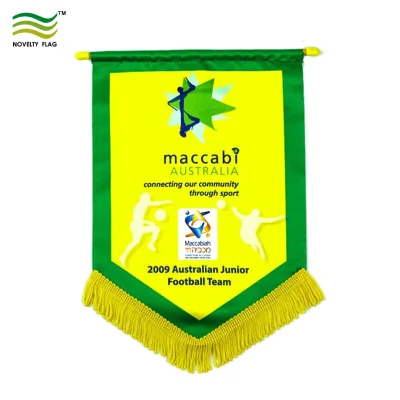


Custom Bannerette Hanging Pennant Flag Banner with Stiff Satin Polyester
$0.85 - $1.45
MOQ: 150 Pieces

Comprehensive Sourcing Guide
Pennant Banner Sourcing Guide
Sourcing pennant banners requires a nuanced understanding of their dual role as decorative elements and functional marketing tools. These items, often categorized under flags and banners, serve distinct purposes ranging from indoor hanging displays to vibrant sporting event decorations. Buyers must recognize that the term "pennant" frequently overlaps with triangular or custom-shaped banners, necessitating clear communication with suppliers regarding specific geometric requirements. The visual impact of these products relies heavily on the quality of digital printing and the durability of the underlying material, which directly influences their suitability for both temporary promotions and long-term branding campaigns.
Procurement decisions for pennant banners are heavily influenced by customization capabilities and material selection. Suppliers typically offer a range of options, including polyester, knitted polyester, and even cotton blends, each offering different textures and durability profiles. The availability of custom colors and sizes allows for precise brand alignment, but it also introduces complexity in quality control. Buyers need to evaluate how these customizations affect production timelines and minimum order quantities. Understanding the interplay between aesthetic desires and logistical constraints is essential for securing a supply chain that delivers consistent quality without unnecessary delays or cost overruns.
Product Scope and Observed Listing Signals
The market for pennant banners presents a diverse array of product types, including desk flags, hand flags, and larger outdoor banners. Observed listings indicate a wide price range, reflecting variations in material weight, printing complexity, and accessory inclusion such as flagpoles. Buyers should note that some products are specified as waterproof or sunscreen-resistant, which is critical for outdoor applications, while others may be designed for indoor use only. The presence of digital printing and heat transfer processes suggests a high degree of color fidelity and detail, allowing for intricate designs that enhance brand visibility.
Material composition varies significantly across suppliers, with polyester being a dominant choice due to its balance of cost, durability, and printability. Some listings specify materials like 130g polyester or felt, indicating different weight classes suitable for various display needs. Additionally, the inclusion of accessories such as fiberglass or plastic flagpoles can impact the overall value proposition. Buyers must carefully review product descriptions to distinguish between standalone banners and complete flag sets. The observed minimum order quantities range from single units to larger batches, offering flexibility for both sample testing and bulk procurement needs.
Technical Specifications to Verify
Verifying technical specifications is paramount to ensuring the pennant banners meet functional requirements. Key attributes to confirm include the exact dimensions, as sizes can range from small desk flags to large outdoor displays. Buyers should request detailed size charts and verify whether the supplier accepts custom dimensions, as many listings indicate flexibility in this area. The shape of the pennant, whether triangular, square, or custom, must align with the intended display method. Additionally, the type of flagpole or mounting hardware included should be specified, as materials like fiberglass offer different durability and flexibility compared to plastic alternatives.
Printing quality and color accuracy are critical technical factors that require close scrutiny. Digital printing and dye-sublimation processes are commonly used, but buyers should inquire about color gamut capabilities and proofing procedures. The use of full-color or CMYK printing allows for vibrant designs, but the final output must match the brand’s color standards. It is also important to verify the fabric weight and weave density, as these affect the drape and opacity of the banner. Ensuring that the material is suitable for the intended environment, whether indoor or outdoor, prevents premature degradation and maintains the professional appearance of the branding.
Compliance and Safety Documentation
While specific certification requirements may vary by region and application, buyers should prioritize suppliers who adhere to recognized safety standards. For outdoor pennant banners, fire-proof characteristics are often a critical compliance factor, especially for events and public displays. Buyers must request documentation confirming that the materials meet local fire safety regulations, such as flame retardancy tests. This is particularly important for large banners used in venues with strict safety codes. Ensuring that the product is labeled correctly regarding its flammability status helps mitigate liability and ensures compliance with venue requirements.
Environmental and material safety standards are also relevant, particularly if the banners are intended for indoor use or educational settings. Buyers should verify that the inks and dyes used in the printing process are non-toxic and free from harmful chemicals. Although specific certifications are not always listed, requesting material safety data sheets can provide insight into the chemical composition of the product. Additionally, for products involving flagpoles, buyers should ensure that the materials used are durable and do not pose a physical hazard. Clear communication with suppliers regarding compliance documentation helps streamline the procurement process and ensures that the final product meets all necessary regulatory requirements.
Cost Drivers and Commercial Terms
Several factors influence the cost of pennant banners, with material quality and printing complexity being primary drivers. Higher-grade polyester or specialized fabrics like cotton will naturally cost more than standard synthetic options. The complexity of the design, particularly if it involves full-color digital printing or heat transfer, can also impact pricing. Buyers should be aware that customization, including unique shapes or sizes, may incur additional setup fees or higher per-unit costs. Understanding these cost drivers allows for more accurate budgeting and helps in negotiating favorable terms with suppliers.
Commercial terms, including minimum order quantities and delivery times, play a significant role in the overall procurement strategy. Observed listings show a wide range of MOQs, from single units to thousands, catering to different business needs. Delivery times can vary, with some suppliers offering rapid turnaround times of three to five days for standard orders. Buyers should clarify these terms upfront to avoid unexpected delays or costs. Additionally, packaging methods, such as OPP bags or cartons, can affect shipping costs and product protection. Negotiating clear terms regarding sample availability and freight costs ensures a transparent and efficient purchasing process.
Supplier Qualification and Quality Control
Evaluating supplier qualifications is essential for securing a reliable source of pennant banners. Buyers should assess the supplier’s experience in manufacturing flags and banners, looking for evidence of consistent production quality and adherence to specifications. Requesting samples is a critical step in this process, as it allows for a physical evaluation of material quality, print accuracy, and overall craftsmanship. Although samples may be provided free of charge, buyers should be prepared to cover freight costs. This hands-on verification helps identify potential issues before committing to a large order.
Quality control measures should be clearly defined and agreed upon with the supplier. Buyers should inquire about the supplier’s internal QC processes, including inspection points during production and final checks before shipment. Establishing clear acceptance criteria for color matching, stitching quality, and material integrity helps ensure that the delivered products meet expectations. Additionally, buyers should verify the supplier’s ability to handle custom orders consistently, as this requires robust production management. Building a relationship with a supplier who prioritizes quality and transparency reduces the risk of defects and ensures a smooth procurement experience.
Long-Term Procurement Checks
Establishing long-term procurement checks ensures sustained quality and reliability in the supply of pennant banners. Regular audits of supplier performance, including on-time delivery rates and defect rates, help maintain high standards. Buyers should implement a feedback loop to address any issues promptly and continuously improve the procurement process. Periodic re-evaluation of supplier capabilities is also important, as market conditions and supplier practices can change over time. This proactive approach helps mitigate risks and ensures that the supply chain remains resilient and efficient.
Continuous monitoring of market trends and technological advancements in banner production can provide competitive advantages. Buyers should stay informed about new materials, printing techniques, and sustainability practices that may offer better value or performance. Engaging with suppliers to explore innovative solutions can lead to improved product offerings and cost savings. Additionally, maintaining open communication with suppliers fosters a collaborative relationship that can result in better service and priority handling during peak demand periods. By focusing on long-term partnership and continuous improvement, buyers can secure a stable and high-quality supply of pennant banners.
FAQs
What materials are used for pennant banners?
Pennant banners are primarily made from polyester, knitted polyester, or cotton. Some products use 100% polyester or specific weights like 130g. The flagpole material varies between fiberglass and plastic depending on the specific model selected for your order.
Can I customize the size and shape of banners?
Yes, customization is available for both size and shape. You can choose from square, triangle, or customized shapes. Sizes range from small options like 8x10cm to any customized dimensions, allowing you to tailor the product to your specific display needs.
How long does delivery take for these products?
The standard delivery time is typically 3 to 5 days for many items. However, lead times may vary based on the specific product model and customization requirements. Always confirm the exact timeline with the supplier before placing a bulk order.
What printing methods are used for these banners?
Digital printing and heat transfer printing are the main processes used. Some products also utilize dye-sublimation printing to achieve full color or CMYK results. These methods ensure high-quality, colorful designs suitable for indoor or outdoor hanging displays.
What is the minimum order quantity for pennant banners?
The minimum order quantity can be as low as one piece for certain items like desk flags. Other products may require up to 1000 units. The specific MOQ depends on the product model and whether you are ordering standard or customized designs.
Are these banners suitable for outdoor use?
Yes, many outdoor banners are designed with waterproof and sunscreen characteristics. They are suitable for sporting events and holiday decorations. Ensure you select the correct material and flagpole type to withstand outdoor conditions effectively.
How are the products packed for shipping?
Packaging varies by product type, including cartons, bags, or clear plastic tubes. Some items come as one piece in an OPP bag, while others are packed as a set. Custom packaging requirements are also acceptable for many suppliers.