Source Penstock Gate Dam for River Regulation, Flood Control, and Landscape Water
Explore 30 verified listings for Penstock Gate Dam solutions designed for river regulation, flood control, and landscape water management. Buyers can compare hydraulic drive systems, sealing technologies, and customization options to find suitable industrial water control equipment.
Key considerations
Products List


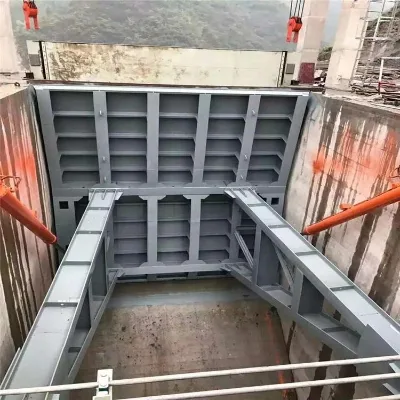
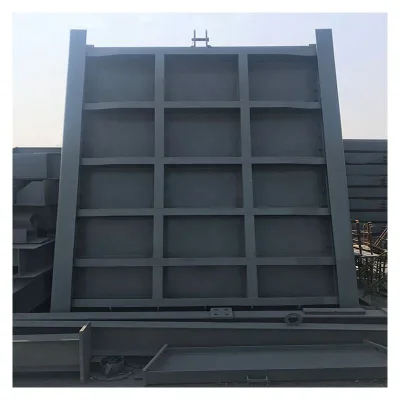
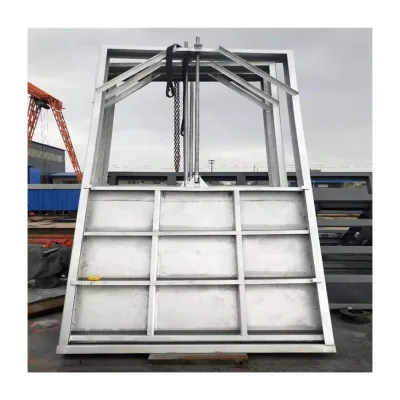
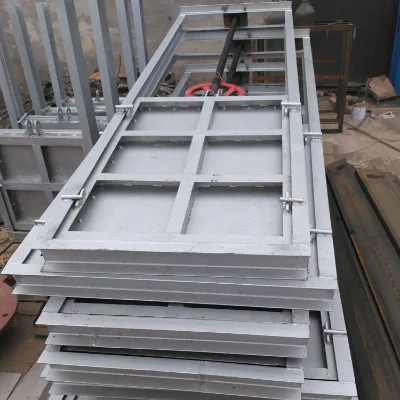
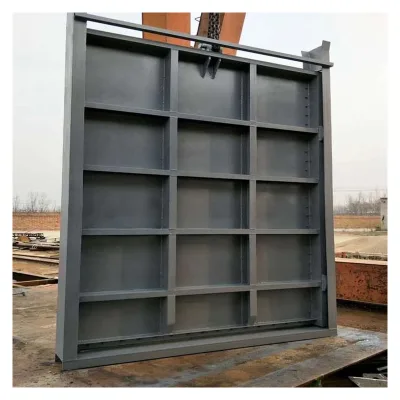


Dam Construction & River Management Dam for Port Coastal Engineering Intelligent Water Gate
$5000.00
MOQ: 10 Square Meters

Rubber Dams Are Particularly Suitable for Low-Head and Large-Span Gate and Dam Projects
$3000.00
MOQ: 1 Square Meters


Dam-Type Water Retaining Gate Serves as Key River Flood Prevention Equipment
$6000.00 - $100000.00
MOQ: 1 Pieces


Comprehensive Sourcing Guide
Strategic Sourcing Guide for Penstock Gate and Hydraulic Dam Systems
Understanding Product Categories and Technical Definitions
The term "Penstock Gate Dam" in B2B procurement contexts often refers to a spectrum of hydraulic control structures, ranging from traditional sluice gates to advanced hydraulic lifting dams and rubber water gates. Based on current market observations, buyers must distinguish between rigid steel structures and flexible membrane systems. The primary product categories identified include Hydraulic Steel Dams, Cylindrical Rubber Dams, and specialized Hydraulic Lifting Dams. These systems serve critical functions in river regulation, flood control, and water storage.
A key technical distinction lies in the drive system and structural composition. Hydraulic steel dams typically utilize a hydraulic cylinder drive system, enabling remote intelligent operation and unmanned control. These units are often designed for riverbed integration and feature a horizontal structure. In contrast, cylindrical rubber dams rely on hydraulic drive modes to inflate or deflate, offering a flexible barrier solution. The material composition is equally critical; steel dams are predominantly constructed from steel, often featuring an epoxy-coated anti-corrosion grade to withstand harsh aquatic environments. Rubber dams, conversely, are characterized by their rubber water gate properties, designed for specific water level adjustments ranging from 1 to 10 meters.
Understanding the operational mechanism is vital for procurement. The control range for many of these systems allows for a 0-90° adjustment, facilitating precise flow regulation. The sealing systems are another area of differentiation, with high-quality units employing imported sealing components and anti-leakage designs to ensure long-term integrity. Whether the application requires a rigid barrier for industrial usage or a flexible solution for landscape water management, the buyer must align the product type with the specific hydraulic requirements of the project site.
Compliance, Standards, and Certification Verification
In the global procurement of hydraulic infrastructure, adherence to international standards and certifications is non-negotiable. The market data indicates that compliant products often reference a broad spectrum of standards, including DIN, GB, ANSI, BSW, and JIS. These standards govern the dimensional tolerances, material strength, and assembly procedures essential for safety and interoperability. Buyers should verify that the supplier explicitly states compliance with these specific codes, particularly when the project involves cross-border infrastructure or strict local regulatory environments.
Certification status serves as a primary indicator of manufacturing quality and management systems. Products in this sector frequently carry ISO and CE certifications. The ISO certification typically validates the manufacturer's quality management processes, ensuring consistent production of complex hydraulic components. The CE mark indicates conformity with health, safety, and environmental protection standards for products sold within the European Economic Area. However, buyers must treat these certifications as observations of specific listings rather than universal guarantees for all products in a category. It is imperative to request valid, current certificates for the specific model being procured, such as the HED-1M model or other designated steel dam gates.
Furthermore, the production standard often dictates the customization capability. While some products are produced as per customer drawings with a customized standard, others may adhere to a "Rubber" or "Steel" standard defined by the manufacturer. The procurement strategy should prioritize suppliers who offer a "Customized, Produced as per Customer's Drawings" approach, especially for unique site conditions. This flexibility ensures that the dam gate or lifting mechanism fits the specific hydraulic head and flow requirements of the installation site. Buyers should also verify the origin of the product, as many high-volume suppliers are located in regions like Hebei, China, which is a known hub for steel and rubber dam manufacturing.
Cost Drivers and Financial Considerations
The financial landscape for penstock gate and dam systems is characterized by a wide variance in pricing, with observed listed prices ranging from 1 to 100,000 USD. This broad range reflects differences in scale, material quality, customization complexity, and the specific type of dam selected. The Minimum Order Quantity (MOQ) also varies significantly, typically falling between 1 and 1000 units, which influences the total cost of ownership for small-scale projects versus large infrastructure developments.
Several factors drive the cost of these hydraulic systems. The primary driver is the material grade and anti-corrosion treatment. Steel dams with epoxy coatings and imported sealing components command higher prices due to the increased durability and reduced maintenance requirements over a service life of more than 30 years. Conversely, products marketed with "Low Cost" features may utilize standard materials that require more frequent inspection or have a shorter operational lifespan. The complexity of the drive system is another cost determinant; systems featuring remote intelligent control and unmanned operation capabilities involve advanced electronics and hydraulic engineering, increasing the unit price compared to manually operated or simpler hydraulic drives.
Customization is a significant cost variable. While suppliers offer 100% customization as per drawings with free design services, the engineering effort required to create a bespoke solution adds to the overall project cost. Buyers should anticipate that "Made-to-Order" items will have different pricing structures than standard off-the-shelf models. Additionally, packaging and logistics play a role; products shipped via container or sea transportation may incur additional freight costs depending on the dimensions of the dam gate, which can range from 2 to 1000 meters in length. The "Used" condition of some available products also presents a cost-saving alternative, though it requires rigorous inspection to ensure the remaining service life meets project needs.
Typical Applications and Operational Scenarios
The versatility of penstock gate and dam systems allows them to serve diverse application scenarios across the water management sector. The primary application fields include river regulation, flood control, and landscape water management. In river regulation, these structures help maintain consistent water levels, preventing both drought and flooding. For flood control, the ability to rapidly adjust the barrier height using hydraulic drives is crucial for managing sudden surges in water volume.
Industrial usage is another major application area, where these dams facilitate water blocking and flow control in manufacturing processes. The "Water Industrial Usage" category highlights the importance of these systems in maintaining specific hydraulic conditions for industrial operations. Furthermore, the "Landscape Water" application indicates the use of these structures in urban planning to create aesthetic water features while maintaining functional control over water levels. The specific product attributes, such as the "Cylindrical" shape of rubber dams or the "Horizontal" structure of steel dams, are often selected based on the topography of the riverbed and the desired visual impact.
The operational requirements also dictate the choice of product. Systems designed for "Unmanned Operation" and "Remote Intelligent Operation" are ideal for locations where constant human supervision is impractical or cost-prohibitive. These automated systems can adjust water levels within a 0-90° range, providing precise control for irrigation, drainage, and emptying functions. The "Safety Rating" of "Flood Resistant" is a critical feature for applications in high-risk zones, ensuring that the dam can withstand extreme hydraulic pressures without failure. Whether the goal is to store water for irrigation or to regulate flow for environmental protection, the selection of the appropriate drive system and material is essential for successful deployment.
Supplier Evaluation and Manufacturing Capabilities
When evaluating potential suppliers for penstock gate and dam systems, buyers must look beyond basic product listings to assess manufacturing capabilities and service offerings. A key indicator of a capable supplier is the availability of OEM and ODM services, along with drawing-based manufacturing processes. This capability ensures that the supplier can adapt to specific project requirements, producing custom-designed units that match the unique constraints of the installation site. The "Customization Service" attribute, which includes 100% customization as per drawings and free design support, is a strong differentiator for suppliers who prioritize client-specific solutions.
The production location and origin are also critical factors in supplier evaluation. Many suppliers in this sector are based in China, with specific manufacturing hubs like Hebei known for steel and rubber dam production. Buyers should verify the origin to understand the supply chain logistics and potential lead times. The "Processing Service" offered by the supplier, such as the ability to handle complex welding and coating processes, directly impacts the quality of the final product. Suppliers who emphasize "Anti-Corrosion & Impact-Resist" features in their service descriptions are likely to have robust quality control measures in place.
Additionally, the "Condition" of the product is a vital consideration. While new products are the standard for most infrastructure projects, the market also includes "Used" items. Buyers must exercise caution when considering used equipment, verifying the remaining service life and the integrity of the sealing systems. The "Service Life" claim of "More Than 30 Years" is a significant selling point for new units, but it requires verification of the actual condition and maintenance history for used units. A reputable supplier should provide transparent information regarding the product's history, including any repairs or replacements of critical components like hydraulic cylinders or sealing rings.
Quality Control and Long-Term Procurement Strategy
Ensuring the long-term reliability of penstock gate and dam systems requires a rigorous quality control strategy. The "Sealing System" is often the most vulnerable component, making the use of "Imported Sealing Components" and "Anti-Leakage Design" essential criteria for quality assessment. Buyers should request detailed specifications on the materials used for sealing to ensure they can withstand the specific chemical and physical conditions of the water source. The "Wall Thickness" of 3mm, as observed in some cylindrical rubber dams, is a specific parameter that must be verified against the project's pressure requirements.
Long-term procurement considerations extend beyond the initial purchase price to include maintenance, spare parts availability, and warranty terms. The "Automatic Grade" of the product, whether manual or fully automatic, influences the complexity of future maintenance. Systems with "Remote Intelligent Control" may require specialized technical support and software updates, which should be factored into the total cost of ownership. The "Product Packing" method, such as container shipping or sea transportation, also plays a role in protecting the equipment during transit, preventing damage that could compromise the "Flood Resistant" safety rating.
Buyers should also consider the "Installation Type," such as "Riverbed Integrated," which may require specialized engineering and construction teams. The compatibility of the dam system with existing infrastructure is crucial for a seamless installation. Finally, the "Color" and "Shape" of the product, while seemingly aesthetic, can impact the visual integration of the dam into the landscape, which is particularly important for projects involving "Landscape Water" applications. By focusing on these technical and operational details, buyers can ensure a procurement strategy that delivers reliable, long-lasting hydraulic control solutions.
FAQs
What customization options are available for penstock gate dams?
Suppliers offer 100% customization as per customer drawings with free design services. This includes made-to-order manufacturing based on specific site requirements rather than standard off-the-shelf models.
Which certifications do hydraulic steel dams typically hold?
Products often carry ISO and CE certifications to validate quality management and safety standards. Buyers should verify these certificates for specific models like the HED-1M before procurement.
How long is the expected service life of these hydraulic dams?
The service life is claimed to be more than 30 years with anti-corrosion and impact-resistant features. This longevity depends on the epoxy coating and imported sealing components used in the construction.
Can these dams operate without manual supervision?
Yes, many units support unmanned and remote intelligent operation for flow and temperature control. This automated capability allows for precise adjustments within a 0-90 degree range without constant human presence.
What materials are used to construct hydraulic lifting dams?
Steel is the primary material, often treated with an epoxy-coated anti-corrosion grade. Some flexible variants utilize rubber water gate properties for specific water level adjustments ranging from 1 to 10 meters.
Which standards govern the production of these dam gates?
Production follows international standards including DIN, GB, ANSI, BSW, and JIS. These codes ensure dimensional tolerances and material strength meet safety requirements for river regulation and flood control.
What is the typical minimum order quantity for these systems?
The minimum order quantity ranges from 1 to 1000 units depending on the specific product and customization level. Buyers should check individual listings as costs vary significantly with scale and complexity.