Source Artificial Flame Atmosphere Machine for Events
Find and compare 30 Artificial Flame Atmosphere Machine options from verified suppliers. Evaluate LED flame lights and gas-powered units for theme parks, Halloween displays, and stage shows based on power, control modes, and installation styles.
Key considerations
Products List



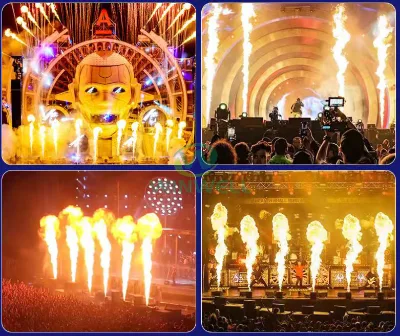
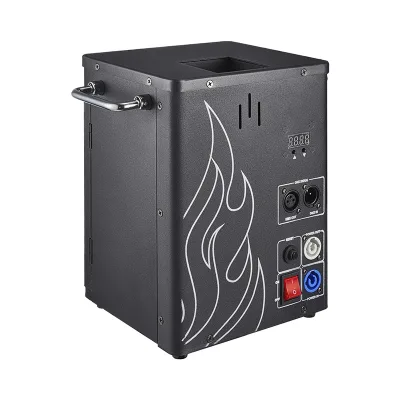
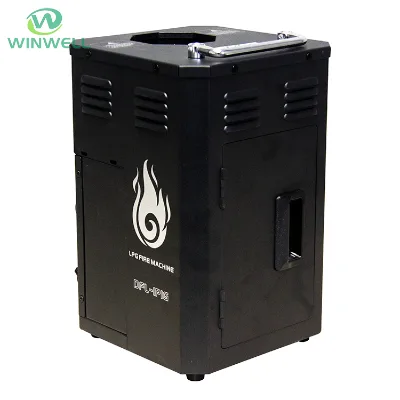
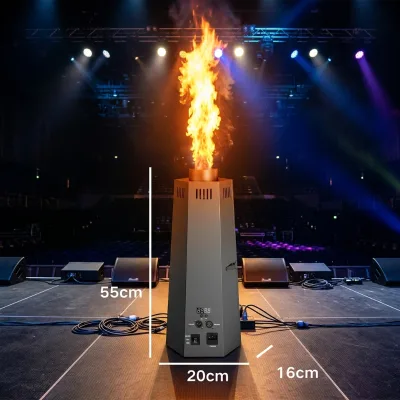


Comprehensive Sourcing Guide
Artificial Flame Atmosphere Machine Sourcing Guide
Procuring artificial flame atmosphere machines requires a clear distinction between LED-based visual effects and gas-fueled pyrotechnic simulations, as the operational requirements, safety protocols, and maintenance cycles differ significantly. Buyers must first determine whether the event or installation demands a static decorative element or a dynamic, programmable lighting fixture capable of integrating with complex stage control systems. The market offers a wide spectrum of products, ranging from simple, standalone LED flame tubes to multi-head, DMX-controlled units designed for large-scale theme park attractions or concert stages. Understanding these fundamental categories is the first step in defining technical requirements and ensuring that the selected equipment aligns with the specific atmospheric goals of the project.
The sourcing process is further complicated by the diversity of manufacturer specifications, where terms like "flame machine" may refer to entirely different technologies. Some listings describe LED matrix lights that simulate fire through color shifting and brightness modulation, while others describe mechanical devices that use LPG gas to create realistic flickering flames. This guide focuses on the technical and commercial verification steps necessary to navigate this variety. By prioritizing verified attributes such as voltage, control protocols, and material finish, buyers can avoid mismatches between supplier claims and actual product performance, ensuring a smoother procurement lifecycle from initial inquiry to final installation.
Product Scope and Observed Listing Signals
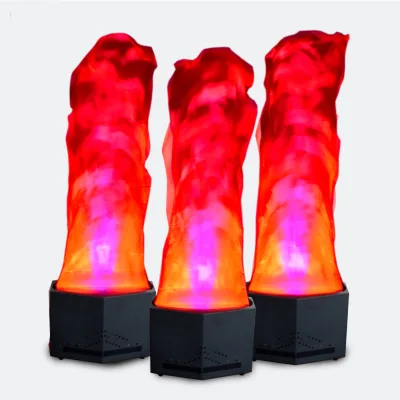
The current market landscape for artificial flame effects includes a broad range of product types, primarily categorized by their light source and mechanical design. Observed listings indicate a prevalence of LED-based solutions, such as the "36 LED Red Blue Flame Light Stage Show Fire Flame Lighting," which utilizes a 100W power draw and operates on AC 110V-240V. These units are often marketed under brand names like "topflashstar" or "Disco" and are designed for applications ranging from Halloween decorations to theme park installations. The physical characteristics of these LED units typically include a black, polished finish and a free-standing installation style, with dimensions varying from compact single-head units to larger, multi-angle fixtures. Buyers should note that while the visual effect is consistent, the underlying technology is purely optical, relying on high-intensity LEDs to mimic the flicker and color spectrum of real fire.
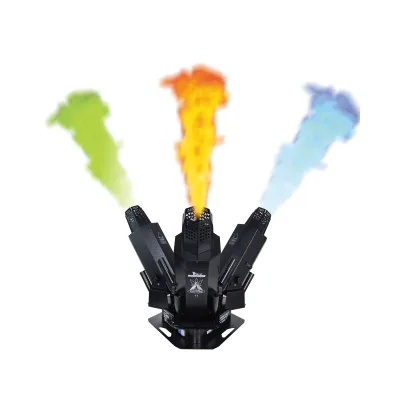
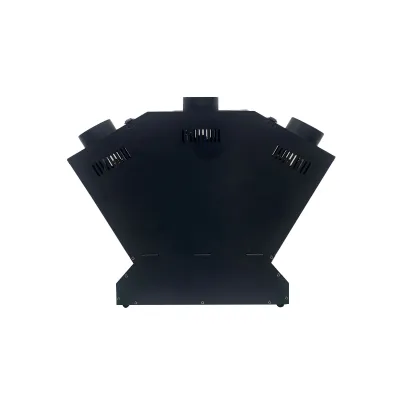
In contrast, another segment of the market features gas-fueled flame machines, such as the "3 Head Fire Flame Machine" model DG-F003, which explicitly lists LPG gas bottles as consumables. These units are heavier, with weights reaching up to 31.5KG for multi-head configurations, and are designed for more robust, dynamic effects suitable for indoor and outdoor activities. The observed data shows a significant variance in power consumption, with some LED units drawing 100W while gas-powered or hybrid systems may require 200W to 230W. Additionally, the spray height for certain mechanical flame units is adjustable between 1 and 3 meters, indicating a higher degree of customization and physical presence. This divergence in technology means that buyers must carefully review the "Light Source" and "Consumables" fields in product listings to ensure the selected machine meets the safety and logistical constraints of their venue.
Technical Specifications to Verify
When evaluating technical specifications, the control protocol is a critical factor that determines how the flame machine integrates with existing stage or event infrastructure. Many modern LED flame lights support DMX512 control, allowing for precise synchronization with other lighting effects, while others may rely on remote control or standalone operation. Buyers should verify the specific control mode listed for each unit, as the "3 Head multi angle flame machine" example indicates support for both DMX512 and remote control, offering flexibility in setup. Furthermore, the adjustability of the light or flame direction is essential for achieving the desired visual impact; specifications such as 90° up-down adjustment and 180° left-right adjustment are common in higher-end models, enabling technicians to direct the effect precisely where needed without moving the entire unit.
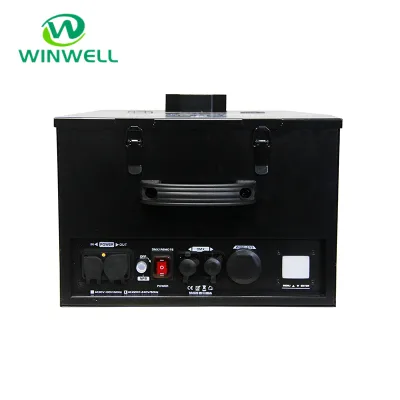
Power and voltage compatibility are equally important to prevent equipment damage and ensure stable operation. The observed listings show a voltage range of AC 110V-240V with 50/60Hz frequency support, which is standard for international use, but buyers must still confirm the specific input requirements for their local power grid. The power rating, whether listed as 100W, 200W, or 230W, directly impacts the energy consumption and heat generation of the unit. For LED-based models, the working lifetime is a key performance indicator, with some units boasting a 50,000-hour lifespan, which reduces long-term replacement costs. Additionally, the physical dimensions and weight, such as the 55x28x37 cm package size for a 6kg unit, must be considered for transportation and installation logistics, especially for events requiring frequent setup and teardown.
Compliance and Safety Documentation
Safety documentation is paramount when sourcing artificial flame machines, particularly for gas-fueled units that involve combustible materials. Buyers must request evidence of compliance with local fire safety regulations and electrical standards, as the use of LPG gas introduces additional risks compared to purely electrical LED solutions. For LED-based flame lights, verification of electrical safety certifications is essential to ensure that the high-intensity LEDs and power supplies meet international standards for consumer and commercial electronics. The warranty terms, which range from 3 months to 1 year in observed listings, often reflect the manufacturer's confidence in the product's durability and safety, and buyers should carefully review these terms to understand the coverage for electrical faults or component failures.
In addition to electrical and fire safety, buyers should assess the environmental and operational safety features of the machine. For LED units, heat dissipation is a critical factor, as prolonged operation at high brightness can generate significant heat. The polished finish and material construction should be evaluated for their ability to dissipate heat effectively and resist corrosion, especially for outdoor applications. For gas-powered units, the design of the nozzle and the stability of the flame under wind conditions are important safety considerations. Buyers should inquire about the presence of safety shut-off mechanisms, overheat protection, and secure mounting options to prevent tipping or accidental ignition. Ensuring that the supplier provides comprehensive safety manuals and operating guidelines is also crucial for training staff and preventing accidents during use.
Cost Drivers and Commercial Terms
The cost of artificial flame atmosphere machines is influenced by several factors, including the complexity of the control system, the quality of the LED components, and the materials used in construction. LED-based units with DMX512 control and adjustable angles tend to be more expensive than simple remote-controlled models due to the additional circuitry and precision engineering required. The brand reputation also plays a role, with established brands like "topflashstar" or "DISCO GLOBAL" potentially commanding higher prices due to perceived reliability and after-sales support. Buyers should consider the total cost of ownership, including energy consumption, maintenance, and potential replacement parts, rather than just the initial purchase price.
Commercial terms such as Minimum Order Quantity (MOQ) and lead times can vary significantly among suppliers. Observed data indicates an MOQ range of 1 to 30 units, suggesting that many suppliers are flexible and willing to accommodate small orders for testing or small-scale events. However, larger orders may benefit from volume discounts, which should be negotiated during the sourcing process. Lead times are another critical consideration, especially for time-sensitive events. Buyers should confirm the production and shipping timelines with the supplier, as customizations or specific model numbers may require additional processing time. Additionally, the availability of spare parts and the ease of obtaining technical support should be factored into the commercial decision, as downtime can disrupt events and impact the overall value of the investment.
Supplier Qualification and Quality Control
Supplier qualification is a vital step in ensuring the reliability and quality of the artificial flame machines. Buyers should verify the supplier's manufacturing capabilities, including their experience in producing stage lighting and special effects equipment. The place of origin, such as Guangdong, China, is a known hub for lighting manufacturing, but buyers should still conduct due diligence to ensure that the supplier adheres to quality management standards. Requesting samples or visiting the factory, if possible, can provide valuable insights into the production process and quality control measures. Additionally, checking the supplier's reputation through customer reviews and industry references can help identify potential risks and ensure a trustworthy partnership.
Quality control procedures should be clearly defined and agreed upon before placing an order. This includes specifications for incoming material inspection, in-process quality checks, and final product testing. For LED flame machines, testing should include checks for light output consistency, color accuracy, and control signal responsiveness. For gas-powered units, testing should focus on flame stability, gas flow regulation, and safety mechanism functionality. Buyers should also inquire about the supplier's packaging standards to ensure that the products are protected during transit, as damage during shipping can lead to costly delays and replacements. Establishing a clear quality assurance protocol helps minimize the risk of receiving defective products and ensures that the machines perform as expected in the field.
Long-Term Procurement Checks
Long-term procurement success depends on establishing a sustainable relationship with suppliers and continuously monitoring product performance. Buyers should implement a system for tracking the performance of the artificial flame machines in the field, including metrics such as uptime, maintenance frequency, and customer feedback. This data can be used to identify recurring issues and provide valuable feedback to the supplier for product improvements. Regular communication with the supplier is also essential to stay updated on new models, technological advancements, and changes in safety regulations. By maintaining an open dialogue, buyers can ensure that their procurement strategy remains aligned with industry best practices and evolving market trends.
Additionally, buyers should periodically review their supplier base to ensure that they are getting the best value and service. This may involve comparing prices, lead times, and quality across multiple suppliers, as well as exploring new sources for specialized components or accessories. Building a diverse supplier network can reduce dependency on a single source and mitigate risks associated with supply chain disruptions. Finally, buyers should stay informed about emerging technologies in the artificial flame effect market, such as more energy-efficient LED solutions or safer gas alternatives, to ensure that their procurement decisions remain competitive and forward-looking. By adopting a proactive and data-driven approach to procurement, buyers can optimize their investment in artificial flame atmosphere machines and enhance the overall quality of their events and installations.
FAQs
What is the power consumption of the LED flame machine?
The LED flame machine typically consumes 100 watts of power. Some models may operate at 200 watts or 230 watts depending on the specific configuration and head count selected for your event needs.
Can this machine be used for Halloween effects?
Yes, this machine is designed for Halloween effects faking fire with LED flame lights. It creates realistic fire visuals suitable for theme parks and various indoor or outdoor activities without using actual gas.
How high can the flame effect reach?
The spray height for the flame machine ranges from 1 to 3 meters. This adjustable height allows for versatile stage effects that can be customized to fit different venue requirements and audience perspectives.
What is the working lifetime of the LED light source?
The LED light source has a working lifetime of 50,000 hours. This long lifespan ensures reliable performance for extended events and reduces the need for frequent bulb replacements during operation.
Is the machine adjustable for different angles?
Yes, the machine features up-down adjustable angles of 90 degrees and left-right adjustable angles of 180 degrees. This flexibility allows precise positioning of the flame effect for optimal visual impact.
What control methods are available for operation?
The machine supports DMX512 and remote control operation modes. These control options provide professional integration capabilities for stage shows and allow for easy manual adjustments during events.
Does the product come with a warranty?
The product typically comes with a warranty ranging from 3 months to 1 year. Specific warranty terms may vary by supplier, so it is advisable to confirm the exact duration before purchase.