Source Perfumery Grade Dipropylene Glycol for Flavors Cosmetics PU
Find 30 verified suppliers offering Perfumery Grade Dipropylene Glycol suitable for flavors, cosmetics, and PU applications. Compare specifications including purity, density, and packaging options to select the right industrial or cosmetic grade for your needs.
Key considerations
Products List

DPG Fragrance Grade Dipropylene Glycol for Perfume Cosmetics and Detergent
$1300.00 - $1600.00
MOQ: 1 Tons

High Purity DPG Dipropylene Glycol for Perfume Fragrance and Cosmetic Grade
$1280.00 - $1480.00
MOQ: 1 Tons

DPG Dipropylene Glycol with CAS 110-98-5 for Perfume Fragrance Cosmetics
$1200.00 - $1600.00
MOQ: 1 Tons

Premium Grade 99.5% DPG Dipropylene Glycol for Fragrance Perfume and Cosmetic
$1200.00 - $1500.00
MOQ: 17 Tons

High Quality USP DPG CAS 110-98-5 Dipropylene Glycol for Perfume Fragrance Cosmetics
$1680.00 - $1800.00
MOQ: 17 Tons
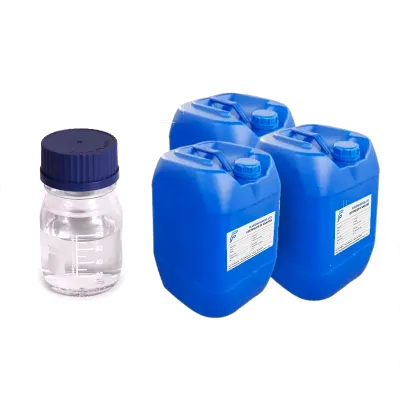
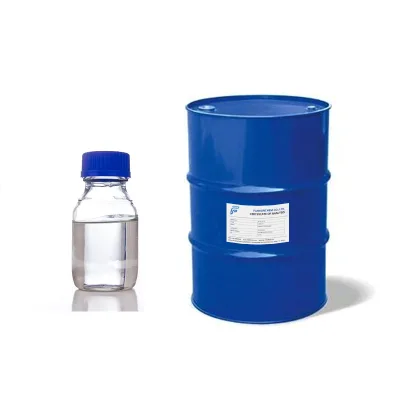


Dipropylene Glycol CAS 25265-71-8 Fragrance Grade Dipropylene Glycol for Perfume
$1100.00 - $1500.00
MOQ: 1 Tons


Low Price Dipropylene Glycol DPG for Perfumers Fragrances and Cosmetic Grade
$3000.00 - $3500.00
MOQ: 16 Tons


High Purity DPG Dipropylene Glycol for Perfume Grade CAS 25265-71-8 99.5% Min
$1200.00 - $1500.00
MOQ: 5 Tons


Comprehensive Sourcing Guide
Strategic Sourcing Guide for Perfumery Grade Dipropylene Glycol
Procuring dipropylene glycol (DPG) for perfumery applications requires a nuanced understanding of chemical specifications, regulatory compliance, and supply chain reliability. As a primary alcohol and aromatic alcohol derivative, DPG serves as a critical solvent and carrier in fragrance formulations. Buyers must navigate a market where product attributes vary significantly between industrial and cosmetic grades. This guide outlines the essential factors for sourcing high-quality DPG, ensuring that the final product meets the stringent demands of the fragrance and cosmetic industries without compromising safety or performance.
Technical Specifications and Chemical Identity
The foundation of any successful procurement strategy lies in verifying the precise chemical identity and physical properties of the material. Dipropylene glycol is chemically defined by the molecular formula C6H14O3 and carries the CAS number 25265-71-8. For perfumery applications, the product is often classified as a saturated alcohol and a synthetic flavor and fragrance component. The physical state of the material is consistently observed as a colorless, transparent liquid.
Buyers must scrutinize the boiling point and density, as these parameters influence the evaporation rate and blending characteristics in perfume bases. The boiling point for DPG is typically observed in the range of 229-232 °C, though specific data points may vary based on pressure conditions, with some references noting a range of 90-95 °C at 1 mm Hg. The density at 20°C is a critical metric for quality control, with observed values around 1.02 g/cm³. Additionally, the melting point is generally recorded between -32°C and -40°C, ensuring the product remains liquid under standard storage and handling conditions.
Purity is perhaps the most significant technical differentiator. While industrial grades may list purity around 99%, perfumery and cosmetic grades often demand higher specifications, ranging from 99.5% to 99.9%. The presence of impurities such as water, acidity, and specific by-products like Mpg (monopropylene glycol) and Tpg (tripropylene glycol) must be minimized. Observed specifications indicate water content should be as low as 0.03%, acidity at 0.001%, and Mpg content at 0.01%. These low impurity levels are essential to prevent unwanted odors or reactions in delicate fragrance formulations.
Compliance, Certification, and Regulatory Standards
Navigating the regulatory landscape is vital for sourcing DPG intended for cosmetic and fragrance use. The product must adhere to specific standards that validate its suitability for human application. In the context of perfumery, the material is often categorized under USP (United States Pharmacopeia), Fragrances, and Cosmetic Perfume grades. This classification implies that the substance must meet rigorous safety and purity benchmarks set by international regulatory bodies.
Buyers should verify the EINECS number, which for dipropylene glycol is 246-770-3. This identifier confirms the substance's registration within the European Inventory of Existing Commercial Chemical Substances, a prerequisite for many international markets. Furthermore, the Hazen (PT-Co) color unit is a standard measure for the clarity of the liquid; a value of 5 indicates a high degree of colorlessness, which is desirable for transparent cosmetic and fragrance products.
While specific certification documents are not universally listed in general product descriptions, the grade designation itself serves as a primary indicator of compliance. Products labeled as "Cosmetic Grade" or "USP Grade" inherently suggest adherence to stricter quality control protocols compared to "Industrial Grade" materials. Buyers must ensure that the supplier can provide a Certificate of Analysis (CoA) that explicitly confirms the product meets the required grade standards, including the specific limits for chlorides (often <2 ppm) and other heavy metals or contaminants not explicitly detailed in general summaries.
Cost Drivers and Pricing Dynamics
The pricing of dipropylene glycol is influenced by a complex interplay of factors, including raw material costs, purification levels, and packaging requirements. The observed market price range for this commodity is broad, spanning from $0.50 to $3,500 per unit, reflecting the vast difference between bulk industrial shipments and smaller, high-purity cosmetic batches. This variance underscores the importance of defining the exact grade and volume requirements before requesting quotes.
Packaging plays a significant role in cost determination. Standard industrial shipments often utilize 215 kg drums, whereas cosmetic and fragrance applications may require smaller, more controlled packaging such as iron drums or Intermediate Bulk Containers (IBCs) to maintain purity and prevent contamination. The choice between "Drum" and "Iron Drums or IBC" can impact the final unit price due to differences in material costs and handling logistics.
Additionally, the level of customization available from the supplier affects pricing. Suppliers offering customization services may charge a premium for tailored formulations or specific packaging configurations. Buyers should also consider the origin of the product, with major production hubs in China, specifically Shandong, offering competitive pricing but requiring careful logistics planning. The minimum order quantity (MOQ) also influences the effective cost per unit, with ranges observed between 1 and 50 units, allowing flexibility for small-scale perfumers while maintaining efficiency for large manufacturers.
Typical Applications in Fragrance and Cosmetics
Dipropylene glycol is a versatile ingredient with a wide array of applications in the fragrance and cosmetic sectors. Its primary function is as a solvent, effectively dissolving essential oils, aroma compounds, and other fragrance ingredients that may not be soluble in water. This solubility in water, combined with its ability to dissolve oil-soluble components, makes it an ideal carrier for creating stable and consistent perfume formulations.
Beyond its role as a solvent, DPG is utilized in skin care products due to its mild nature and compatibility with various skin types. It acts as a humectant and helps to improve the spreadability of cosmetic formulations. The material is also employed in the production of polyurethanes (PU), indicating its utility extends beyond personal care into industrial applications, though perfumery buyers should focus on the grades specifically designated for fragrances and cosmetics.
The specific usage cases for DPG include its application in industrial flavors and perfumes. Its low volatility and high boiling point ensure that it does not evaporate quickly, allowing the fragrance notes to develop and last longer on the skin. Furthermore, its classification as a synthetic flavor and fragrance component highlights its importance in creating consistent and reproducible scent profiles. Buyers should ensure that the selected grade aligns with the specific application, whether it is for high-end perfumery, mass-market cosmetics, or industrial flavoring.
Supplier Evaluation and Quality Control
Selecting the right supplier is critical for maintaining product integrity. Buyers should evaluate potential partners based on their ability to provide consistent quality, transparency, and reliability. Key indicators of a reputable supplier include the availability of detailed product specifications, such as the model number (e.g., 25265-71-8 or 110-98-5), brand name (e.g., FLARIONCHEM or FL), and specific grade designations.
Quality control processes must be robust and verifiable. Suppliers should be able to provide test results for critical parameters such as purity, water content, acidity, and color. The presence of a "99% standard" or "99.5%-99.9% purity" claim should be backed by actual laboratory data. Buyers should also verify the storage conditions recommended by the supplier, typically "Cool and Dry," to ensure the product maintains its quality during transit and storage.
When evaluating suppliers, consider the consistency of their product attributes. For instance, the density should remain stable at 1.02 g/cm³, and the color should consistently be colorless or colorless transparent. Discrepancies in these physical properties may indicate batch-to-batch variability or contamination. Additionally, the supplier's ability to handle customization requests and provide appropriate packaging solutions, such as iron drums or IBCs, is a strong indicator of their operational maturity and commitment to customer needs.
Long-Term Procurement Considerations
Sourcing dipropylene glycol is not merely a transactional activity but a strategic partnership that requires long-term planning. Buyers should consider the stability of the supply chain, particularly given the global nature of the chemical industry. The origin of the product, often from China, necessitates a clear understanding of lead times and logistics capabilities. While specific lead times are not universally standardized, buyers should establish clear expectations with their suppliers regarding delivery schedules.
Sustainability and regulatory changes are also critical long-term factors. As environmental regulations tighten, suppliers may need to adapt their production processes to meet new standards. Buyers should monitor these developments and ensure that their suppliers are proactive in maintaining compliance. Furthermore, the availability of customization options allows buyers to adapt to changing market demands, such as shifting from industrial to cosmetic grades or adjusting packaging for specific regional requirements.
Finally, building a relationship with a supplier who offers high-quality, consistent product is essential for maintaining the integrity of fragrance formulations. Regular communication, clear quality agreements, and mutual understanding of technical specifications will help mitigate risks and ensure a steady supply of high-grade dipropylene glycol. By focusing on these long-term considerations, buyers can secure a reliable source of this vital ingredient for their perfumery and cosmetic operations.
Comparative Analysis of Grade Specifications
To assist buyers in making informed decisions, the following table compares the key specifications observed across different grades of dipropylene glycol. This comparison highlights the differences in purity, packaging, and intended use, helping to align procurement choices with specific application requirements.
| Specification | Industrial Grade | Cosmetic/Perfume Grade | USP/High-Purity Grade |
|---|---|---|---|
| Purity Range | ~99% | 99.5% - 99.9% | 99.9% |
| Color | Colorless | Colorless Transparent | Colorless Transparent |
| Packaging | Drum | Iron Drums or IBC | Iron Drums or IBC |
| Primary Use | Industrial, PU | Fragrances, Skin Care | Perfume, Cosmetics |
| Key Impurities | Variable | Low (Water <0.03%) | Minimal (Water <0.03%) |
| Density (20°C) | ~1.02 g/cm³ | ~1.02 g/cm³ | ~1.02 g/cm³ |
| CAS No. | 25265-71-8 | 25265-71-8 | 25265-71-8 |
This comparison underscores that while the fundamental chemical properties remain consistent, the level of purity and packaging integrity varies significantly. Buyers must select the grade that best matches their specific application needs, ensuring that the product meets the necessary safety and performance standards for their final formulations.
FAQs
What is the purity range for Perfumery Grade Dipropylene Glycol?
Perfumery Grade Dipropylene Glycol typically offers a purity range between 99.5% and 99.9%. This high purity level ensures minimal impurities like water and acidity, which is critical for maintaining the integrity of delicate fragrance formulations.
Which physical properties define the appearance of this chemical?
The product appears as a colorless, transparent liquid with a density of approximately 1.02 g/cm³ at 20°C. These consistent physical attributes ensure the material remains clear and suitable for use in transparent cosmetic and fragrance products.
How is the product typically packaged for industrial and cosmetic use?
Packaging options include standard drums, iron drums, or Intermediate Bulk Containers (IBCs). The specific choice depends on the grade required, with larger volumes often shipped in 215 kg drums to maintain purity and prevent contamination.
Can suppliers provide customization services for this chemical?
Yes, customization is available for buyers with specific formulation or packaging needs. Suppliers can tailor solutions to meet distinct requirements, though this may influence the final unit price and minimum order quantities.
What is the boiling point of dipropylene glycol at standard pressure?
The boiling point is typically observed in the range of 229 to 232 degrees Celsius. This high boiling point ensures low volatility, allowing the solvent to remain stable in perfume bases without evaporating quickly.
Which certifications or standards apply to cosmetic grade dipropylene glycol?
Products often adhere to USP, Fragrances, and Cosmetic Perfume grade standards. These designations imply adherence to rigorous safety benchmarks, including specific limits for chlorides and other contaminants to ensure human application safety.
What is the minimum order quantity for purchasing this chemical?
The minimum order quantity ranges from 1 to 50 units depending on the supplier and packaging. This flexibility allows small-scale perfumers to purchase smaller batches while maintaining efficiency for larger industrial manufacturers.